























































Old Zimbabwean songs predicted today’s struggles
13 Oct 2017 - 11:19


Many Zimbabwean sungura fans today may not recall the late Zambuko band frontman Paul Mpofu’s 1990s song ‘Guranzira’. But when you listen to the song, you get the impression that Mpofu may as well have been singing about Zimbabwean President Robert Mugabe.
Mpofu sang about a “know-it-all” character called Guranzira, who claimed to be leading his people to Canaan (biblical), but they ended up complaining that they were moving in circles rather than progressing until they lost faith in his leadership.
Mpofu sings in the track: “Wakatirasisa nzira dzakawanda, gwara rako chairo nderipi, namanje tichiri musango, Guranzira wakanangepiko… Guranzira tanga tichikutemba kuti ndiwe uchatitungamira kusvika tasvika Guruve, namanje tichiri musango…. vana voziya hona vodya tsombori…” (You have led us in the wrong direction. We placed our trust in you, but up to this day we are still stuck in one place and our families are hungry).
Many people today feel the same about Mugabe, whose government has dismally failed to turnaround the country’s economic situation, with the majority of citizens having been impoverished.
But Mugabe is still convinced that he is probably the best thing that ever happened to Zimbabwe, and will probably dismiss these sentiments as mere destructive gossip peddled by opposition political outfits. He could as well be singing along to Tongai Moyo’s ‘Muchingonyeya': “Musazvinetse nezvandinoita mano angu ndinopihwa naShe.” (Don’t worry about me. I get my wisdom from God.)
But as a president who is supposed to be accountable to the people, citizens have a right to be concerned when they sing Moyo’s ‘Rugare’, asking questions about who has robbed the citizens of their source of livelihood. “Ndianiko waviga rugare, ndianiko watipa kutambura nyika yenyu Ishe yave rengenya.” (Who has stolen our well-being? Who has impoverished us? Lord, the country is now in tatters).
Mpofu and Moyo could just be the few of the many “musical prophets” whose songs chillingly predicted the hardships afflicting contemporary Zimbabwe.
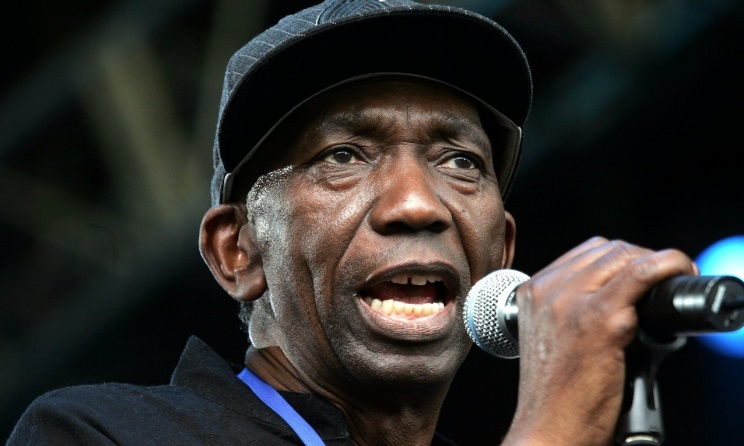
Go back to 2001 when the legendary Thomas Mapfumo sang ‘Kuvarira Mukati’ (suffer in silence). Mapfumo, at the time, suggested that Zimbabweans were hurting silently. Tragically, the picture he painted is still obtaining in 2017, when the majority of Zimbabweans suffer silently in a country where speaking negatively about Mugabe’s failed leadership style can get one into trouble.
Award winning musician Clive Malunga weighed in with ‘Nesango’ in which he moans: “Tinongoti mberere nenyika vamwe vakagarika zvavo mudzimba umu.” (We are struggling hopelessly wondering around the country yet others are living a good life in their homes.)
With the majority of Zimbabweans living below the poverty datum line and struggling to eke out a living, the first family’s sons are living large, with their extravagant lives documented in the public media. Just recently, first lady Grace Mugabe bought a pricey Rolls Royce a week after her son, Russell, purchased two Rolls Royce cars and other vehicles worth $2.5m.
As Zimbabweans traverse the length and breadth of the country and cross the borders in search of a little income just to keep their families alive for a day longer, only a few politically-connected individuals are living large.
Ironically, ‘Nesango’, sung in the late 1990s, was meant to chronicle the struggles that liberation war fighters went through while fighting against the colonial regime. The same, however, now applies to Zimbabweans who are struggling in the hands of the “liberator”.
The late master of song, Simon Chimbetu, a liberation war hero, in ‘Ndima’, eloquently captured the gap between the rich leaders and the poor masses: “KuBudiriro kwedu kwatinogara havawanikwe …paChitungwiza pamusha wevanhu havagari.” (The leaders avoid our poverty-stricken Budiriro and Chitungwiza neighbourhoods.)
At the time of the song, Chimbetu was referring to the white minority, but the same can be said of today’s government officials, who shy away from the impoverished communities, and only come during campaign time where they flaunt their obscene wealth and throw crumbs to villagers to secure votes.
The late Marshall Munhumumwe too must have been prophetic. In ‘Ndongosienda’, he is a voice of today’s unemployed and frustrated Zimbabwean who is wandering around hopelessly, singing: “Vamwe vakazvarirwa munhamo, vakafira munhamo. Vamwe vakazvarirwa murugare, vakafira murugare. Zviya zvekuti rugare tange nhamo zvakapera shamwari.” (Nowadays if you are born poor you will die poor. If you are born rich you will die reach. No one can cross the huge divide.)
In Zimbabwe, a country riddled by corruption and nepotism, the easiest path to making money is to be linked to politically connected individuals. Hard work no longer pays. Thousands of graduates are now doing odd jobs to survive.
Munhumumwe’s cry is buttressed in Progress Chipfumo’s ‘Varombo Kuvarombo’ where he is also the voice of a typical depressed Zimbabwe.
The few privileged have access to wealth and at the end of it all the now disbanded Mufakose Express’ paints the true feeling of the ordinary Zimbabwean who — neglected, troubled and forgotten — can only sing: “Baba muchauya rinhi kuzonditora baba, ndafunga ko kumatenga, baba makandikanda mubani rino rine mafeso ndisina changu ndobaiwa.” (Lord when will you take me? You have thrown me in the jungle and I have been wounded.)”
This article first appeared in NewsDay on 11 October 2017.


Most popular

Call for applications: ACCES 2026 Emerging Artist Spotlight Competition
01 Oct 2026

Top amapiano songs of 2026
16 Feb 2026

Top Naija songs of 2026
31 Mar 2026
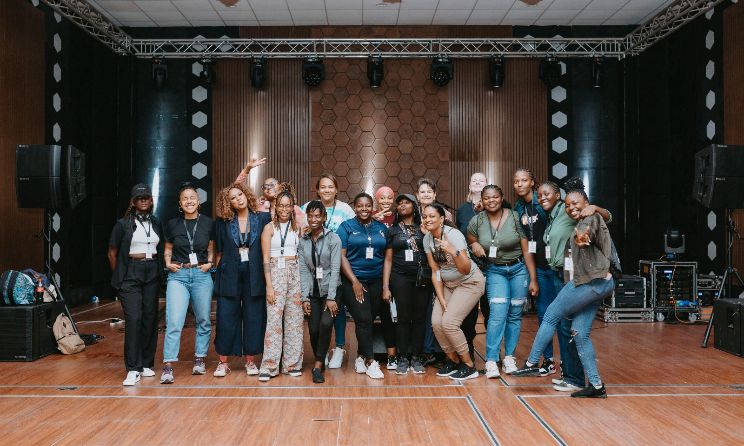
Open call: 2026 Gender@Work music industry training in Johannesburg
03 Oct 2026

Top Afrobeats songs of 2026
19 Mar 2026
AFRIMA 2026: All the winners
12 Jan 2026
Disclaimer: Music In Africa provides a platform for musicians and contributors to embed music and videos solely for promotional purposes. If any track or video embedded on this platform violates any copyrights please inform us immediately and we will take it down. Please read our Terms of Use for more.

Subscribe to our monthly Newsletter
Follow us on social media


Please log in to post a comment.