

















































Picking the brains of 5 African festival directors

12 Jul 2021 - 16:39

For those who may have forgotten what a music festival is... they are events commonly held outdoors, with tents or stages for the musicians and audience to come together. The past 18 months, however, have dealt a major blow for the festival industry, forcing the postponement of some of our favourite public gatherings.
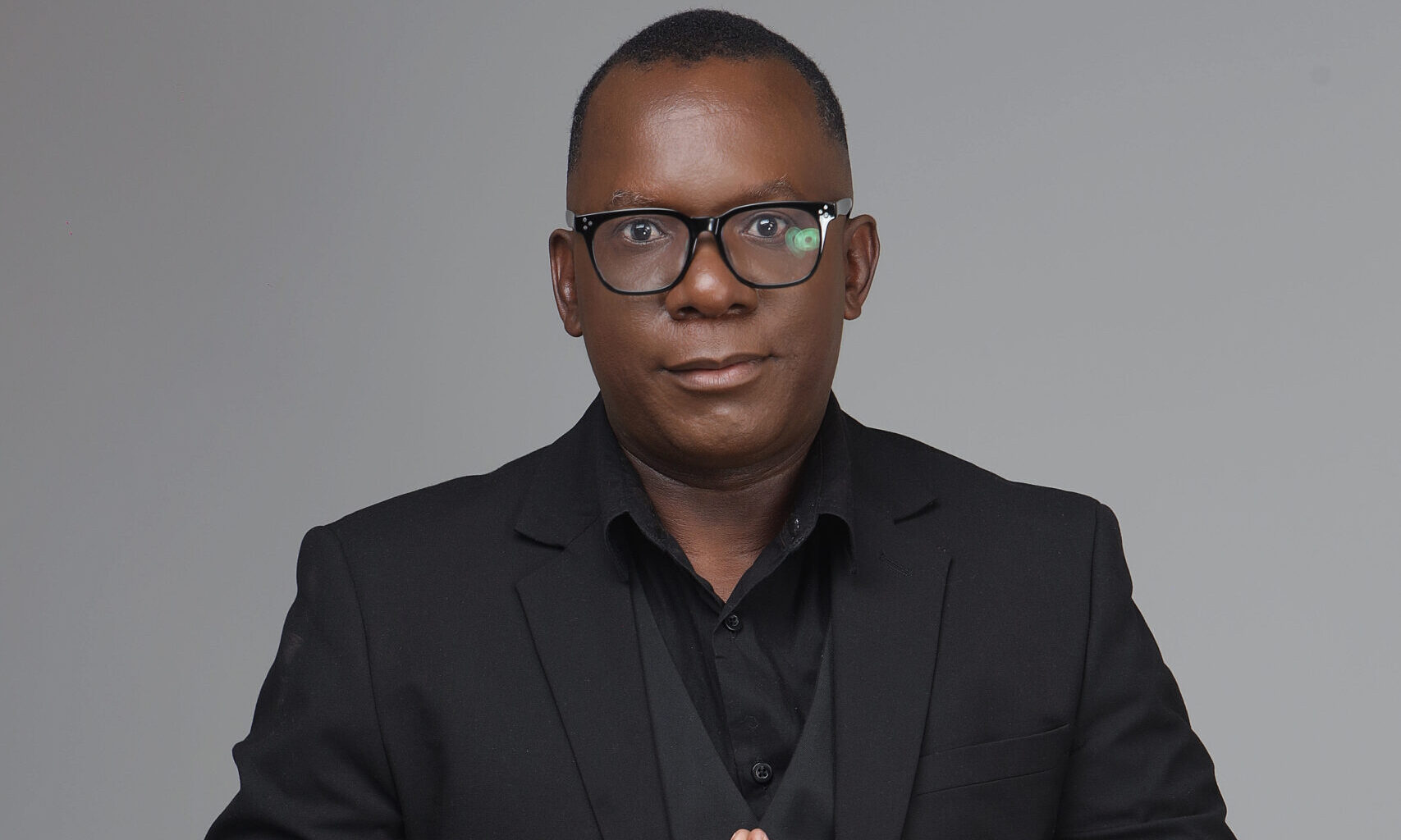
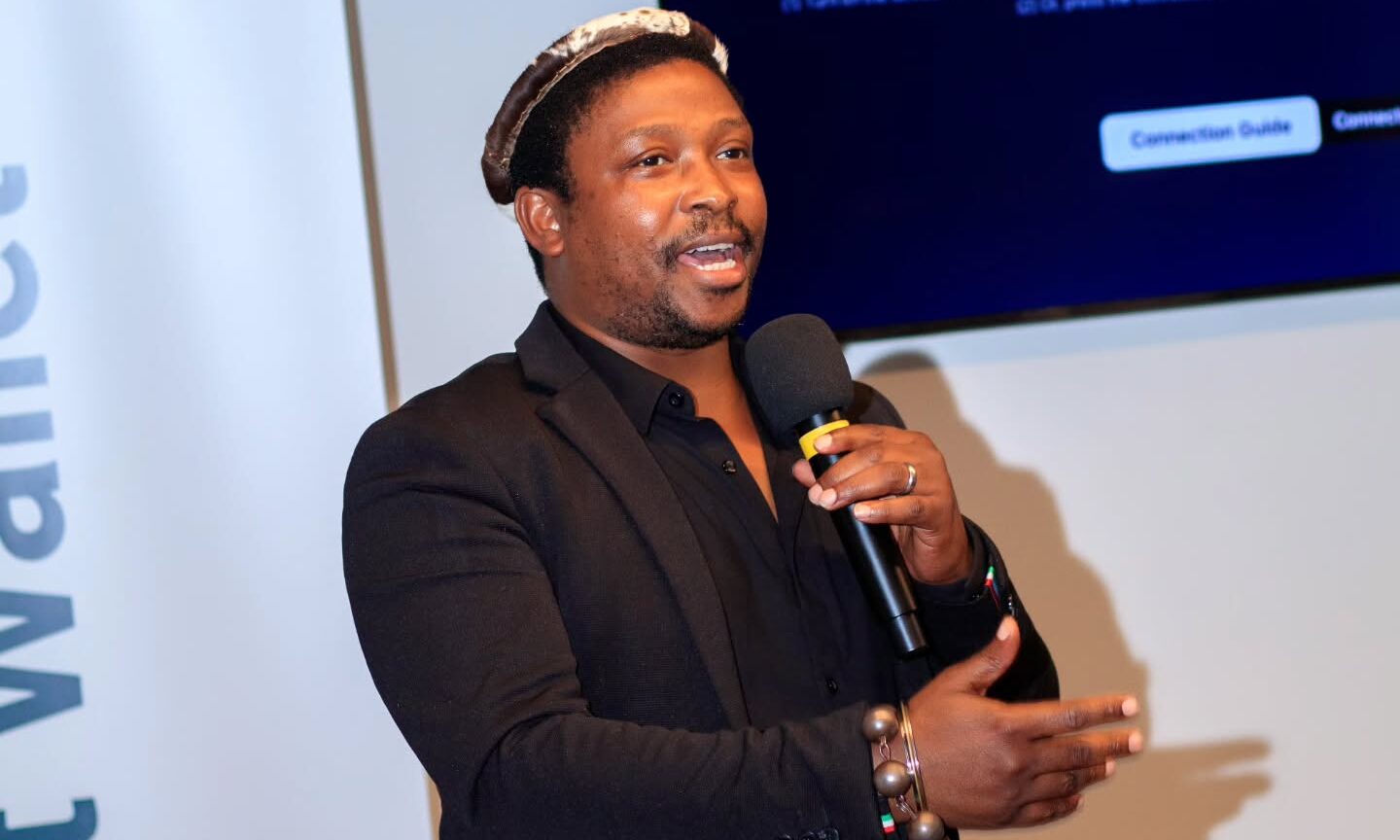
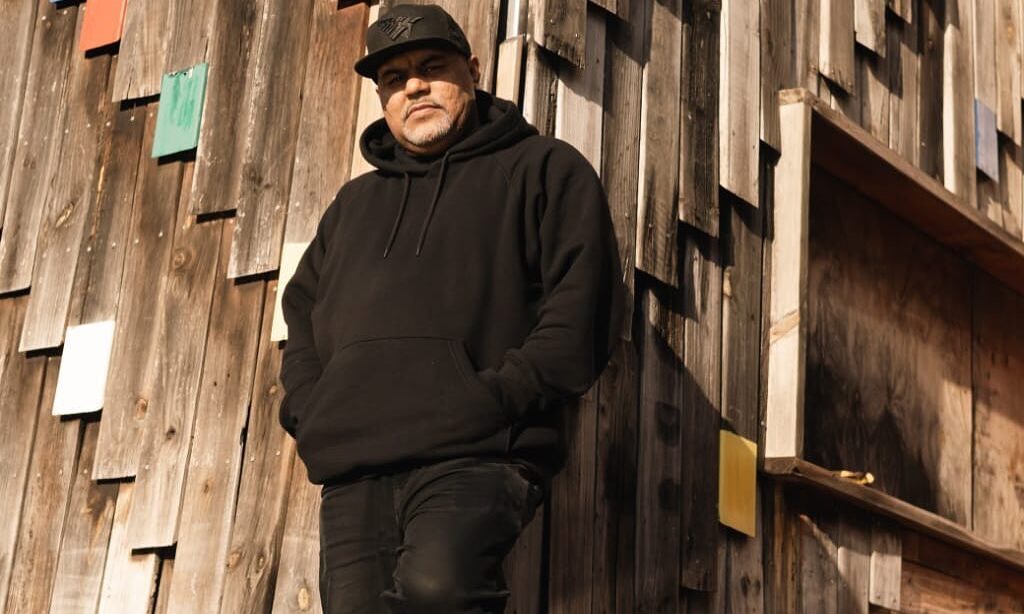
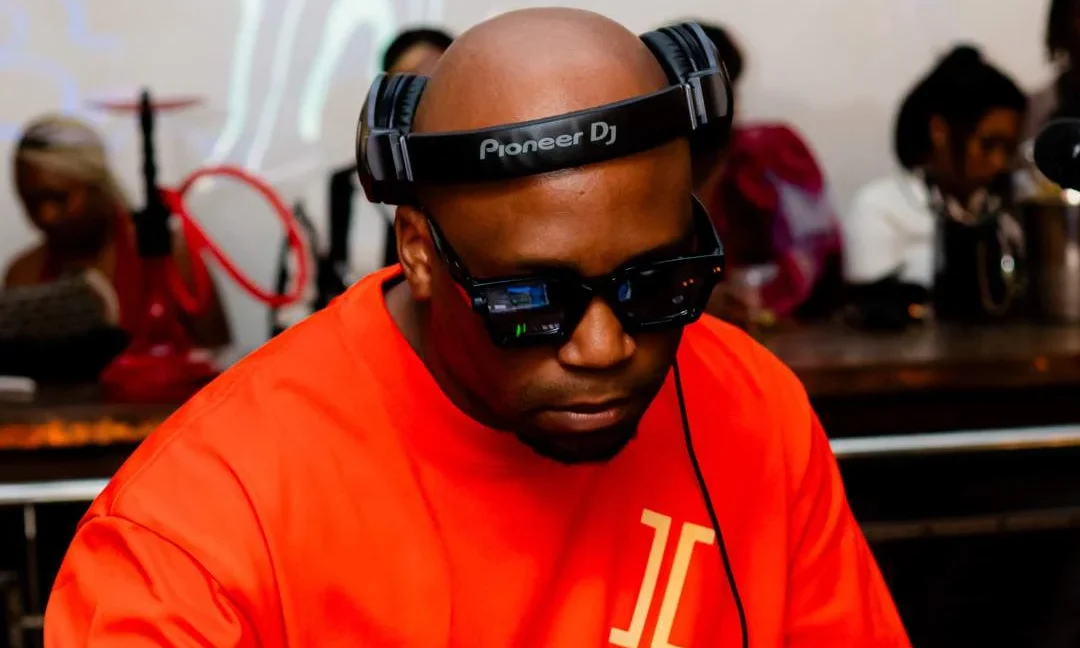
With the continent in various stages of COVID-19 lockdown, we took the opportunity to speak to the directors of five of Africa’s biggest music festivals – Afrochella (Ghana), Cape Town International Jazz Festival (South Africa), Festival Timitar (Morocco), MTN Bushfire Festival (eSwatini) and Sauti za Busara (Tanzania) – about their mission and aims when starting out, the importance of partnerships, building a festival brand, and how they have adapted to the COVID-19 pandemic.
Cape Town International Jazz Festival founder Rashid Lombard spoke of the importance of social cohesion and creating a festival of international standards:
“With the isolation of South Africa during the 1970s and 1980s, there was this hunger to see international musicians perform in South Africa in a festival atmosphere that brought people of all persuasions together. The vision and mission was simply to create a festival of international standard where the best of the rest of the world are combined with the best of Africa in Cape Town, South Africa. We combined the European expertise in presentation of a jazz festival of this nature and the African expertise in networking, building on relations and creating a community. In a sense, the vision of the festival was used as a metaphor for what South Africa could be: in harmony with itself and at harmony with the world.”
[video:https://vimeo.com/115628900 width:744 height:446 autoplay:0]
MTN Bushfire in eSwatini is another festival that’s had a clear social mandate from the beginning. The festival, says festival director Jiggs Thorne, is a “creative platform to engage a range of issues from arts development to broader societal themes, using the power of the arts as a tool to promote awareness, dialogue and action. Bushfire’s overarching call to action, #BringYourFire, encourages a proactive response towards positive social change.”
For Abdul Karim Abdullah from Afrochella in Ghana, it was to create a bridge between the continent and the diaspora. “We needed a more direct way to share culture between the continent and the diaspora. We decided Afrochella could be that bridge.Afrochella is a celebration of Africa’s diverse culture and the vibrant work of African creatives and entrepreneurs,” he says.
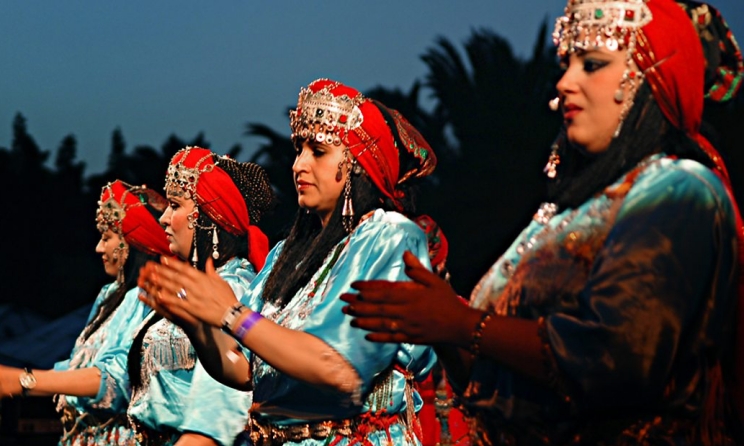
Festival Timitar in Agadir, Morocco, is another live platform that sees itself as a bridge – this time between Arab and African culture. “Shine the spotlight on the Amazigh culture, while welcoming Arab and African expressions,” Festival Timitar director Brahim El Mazned says about the event’s vision. “Timitar is a festival of discovery, a place of diversity and cultural evolution.”
Those who have attended Sauti za Busara in Zanzibar will agree with its founder and director, Yusuf Mahmoud, that the festival does indeed “showcase the richness and diversity of African music.”
Creating sustainable partnerships – be they with the public or private sector – is key to the success of any festival, bringing in funding and reducing supplier costs.
Cape Town International Jazz Festival looked to create partnerships with different layers of the industry:
“1. The supply of talent for programming, with talent agencies/management companies. 2. The venues used for performance and accommodation, with facilities and infrastructure (venue and hotels). 3. The permissions and key support with government (city, province and national). 4. The equipment used, with essential service suppliers. 5. The demand for special skills, with small business and independent skill providers,” Lombard says.
For Sauti za Busara to be more resilient and impactful, the organisers focussed on building and strengthening partnerships and collaboration – locally, regionally and internationally with artists, managers, promoters, government institutions, civil society, international donors and foundations, media, and commercial sponsors.
“Sauti za Busara has helped put Zanzibar on the map as a destination for cultural tourism,” Mahmoud, who is also the chairperson of the Music In Africa Foundation, says. “Since 2004, our main focus has been to showcase quality African music with cultural identity that is performed 100% live. We have consistently demonstrated there is a market for new, exciting and original sounds that are uniquely local. This has largely been possible thanks to close partnership with the Dhow Countries Music Academy – for performances, workshops, artistic collaborations and so on. This has helped keep our heritage alive and forward-looking, with artists such as Siti & the Band, TaraJazz and Stone Town Rockerz being examples of local groups who successfully fuse traditional instruments with R&B, reggae, hip hop, jazz and other popular music styles.”
MTN Bushfire saw the importance of strategic local partnerships to bring financial sustainability. “Most importantly, there is the partnership that comes with establishing a local audience,” Thorne said. “We already had a relationship with a local audience following the success of House On Fire as an entertainment venue, which allowed us to take the next step into the festival arena. On a strategic level, local sponsors have been absolutely crucial to the success of MTN Bushfire. The rule of thumb is that it is too expensive to put on large events without sponsored support – the margins just aren’t there. From the beginning, we managed to establish a range of sponsorship partnerships that allowed us to grow our vision. Chief among these is our relationship with MTN eSwatini, which later became the title sponsor for the festival, in 2010.”
Festival Timitar is another event that placed an emphasis on local partnerships. “Local strategic partnerships, especially for local initiatives such as Timitar festival, sustain the development of the event, allowing collaboration to offer the population an opportunity to access culture,” El Mazned said. “As one of the first strategic local partners, Timitar was supported by the region of Souss-Massa and the regional council of tourism. With these partners, we have been convinced that the values we share can allow us to pursue our common missions and goals. Timitar festival created a real dynamism in the region and strongly inspires projects of creation and cultural development.”
Afrochella looked to create partnerships to add credibility to the event’s brand. “Strategic partnership is highly important. It adds to the credibility of the event when trusted vendors are used. As a new event in the capital Accra, we didn’t yet earn the trust with our customers. By partnering with local partners, we were able to lend some of their [credibility]. We worked with Ark Events, BBnZ Live and Jameson Ghana,” Abdullah said.
COVID-19 has forced many festivals to adapt, with Sauti za Busara being one of the only festivals to take place over the past year. Both Cape Town International Jazz Festival and Festival Timitar were postponed in 2020 and 2021.
“The repercussions of the pandemic are nuanced and differ for each country,” Mahmoud said. “Across Tanzania, the number of fatalities has remained low, even with no lockdown. This may be due to several reasons: a relatively young population, cross-immunity from other diseases, widespread use of traditional medicines, as well as lower rates of travel, a warmer climate and more outdoor living. For the past 18 months, life has continued pretty much ‘as normal’, with large crowds gathering at sports and entertainment events, political rallies, places of worship, market places and so on. Meanwhile, we continue to welcome tourists from across the world. It seems the virus will still be with us for some time to come. We have come to terms with it; we take precautions but life goes on. We have to stay creative to survive, as no one is going to bring food to our doorsteps. We tagged the event ‘Alive & Kickin'!’ which resonated strongly with artists and audiences, offering hope and solidarity, showing even in the context of a global pandemic that we can adapt and find ways to survive and stay alive.”
MTN Bushfire, has ‘kept the fire burning’ with a series of digital events. “We have moved into the digital space in a big way since the onset of the pandemic, and we see the digital realm taking up a bigger share of our focus as we move forward,” Thorne says. “In the long term, the digital sphere will become a complement to the traditional MTN Bushfire full festival format, giving us a much greater reach globally. It’s a major new space to explore and monetise, and as a result, we are investing a lot of resources into it.”
Afrochella, meanwhile, is planning to activate in a safe and socially distanced manner in 2021. “Our capacity has to be significantly reduced. We are working with the various health authorities and Ghana’s Ministry of Tourism to ensure all attendees are safe,” Abdullah said.


Most popular
Open call: 2026 Gender@Work music industry training in Johannesburg
09 Oct 2026

Top amapiano songs of 2026
16 Feb 2026

Call for applications: ACCES 2026 Emerging Artist Spotlight Competition
01 Oct 2026

Top Naija songs of 2026
31 Mar 2026

Top Afrobeats songs of 2026
19 Mar 2026
AFRIMA 2026: All the winners
12 Jan 2026
Disclaimer: Music In Africa provides a platform for musicians and contributors to embed music and videos solely for promotional purposes. If any track or video embedded on this platform violates any copyrights please inform us immediately and we will take it down. Please read our Terms of Use for more.

Subscribe to our monthly Newsletter
Follow us on social media


Please log in to post a comment.