




























































PJ Morton on his musical identity and current Africa tour
10 Sep 2024 - 08:24


With five Grammy Award wins and 20 nominations to his name, PJ Morton is obviously in a class of his own. A musical polymath of sorts, PJ Morton has worked with some of the world’s top acts, including Stevie Wonder, Maroon 5, India.Arie and Susan Carol. He has also composed music for film and TV, and is in the process of releasing his memoir.
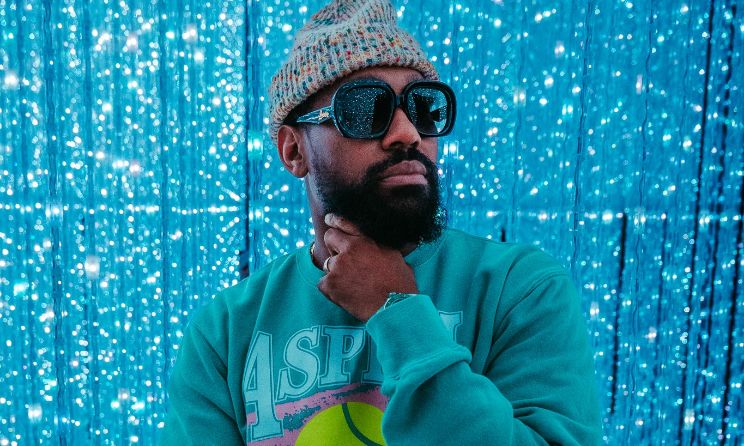
As a true sonic maverick, the New Orleans native is always looking to challenge himself, which is the reason he found himself in Africa last October. Seeking to tap into the sounds and sights of the Motherland, the artist decided to embark on a 30-day whirlwind music safari that took him to four African countries in search of inspiration for his next project. The result is Cape Town to Cairo, an album recorded right on the continent with some of the most exciting musicmakers such as Fireboy DML, Mádé Kuti, Aṣa, Ndabo Zulu, Sofia Nzau, The Cavemen. P.Priime and Soweto Spiritual Singers, among others.
Now, nearly three months after the release of the album, PJ Morton is back in Africa to share not only songs from the project but his other offerings.
Ahead of his current PJ Morton Live in Africa tour that will take him to South Africa, Ghana, Nigeria and culminate in Kenya on 15 September, the artist had a call with Music In Africa to talk about a number of things, including his decision to create an album in Africa, the impact of artists like Fela Kuti and Ebo Taylor on his musical journey and why he thinks African music is on the rise.
MUSIC IN AFRICA: Tell us a bit about your musical background?
PJ MORTON: Well, I think my family more than anything got me into music. My father was a pastor and singer, so the church we grew up in was very musical. It started at a young age for me – singing, playing drums, and then I went to piano – and I just continued on that path.
Why did you feel you needed to come to Africa and make an album?
I’m always trying to find new ways to be inspired, and I knew that there was something in Africa for me. I didn’t know exactly what, but I knew that I could get something there and feel inspired by being on the continent. And so, I set out to do this experiment, you know, to go to Africa to four countries for 30 days and write this album completely while I was there. I didn’t want the luxury of time. I wanted some real stakes and it became a beautiful thing. All the artists who were part of this project had to buy into the experiment, so they had to move fast and that made it exciting too. And we will showcase all this on the African tour with my full band, Afro Orleans.
What surprised you the most during the tour, musically or otherwise?
I think for me, maybe the most surprising thing was how all my influences came out all at one time. You know, there’s pop, soul, spirituals, Afro-Cuban, R&B. All these different things that I’ve been influenced by because I didn’t have a lot of time and just had to go with my instincts, all with an African influence on these different songs.
I think I was surprised by that and how connected… It felt so familiar to me. Some places just remind me of home, remind me of the sounds that I grew up with. And I was just making those connections. That was super surprising too.
How would you define your musical identity?
I think more than anything, I identify with soul music. I think there’s influence from gospel music growing up, then falling in love with Stevie Wonder, Donny Hathaway, Al Green, and Prince, you know, all these different things. But then I also fell in love with the Beatles and James Taylor. So I had a lot of different influences that made me who I am, but I think soul music can exist in different genres and is the basis of what I do.
Which African artists do you feel have spoken to you?
Yeah, it came to me later on in life and like a lot of people, Fela Kuti was like my introduction. I think Fela’s Afrobeat really spoke to me just like in a rhythmic way. And even more than the music, it’s just the fact that it was a message, that he used his music to fight and to deal with issues. I think that connected with me. Also Ebo Taylor and his highlife really spoke to me. Just the horn arrangements and how they did those things, that really made me feel like home, like New Orleans, where brass is intricate, and an important part of the music.
What are some of the attributes that define great artists?
I think for me, one of the main things is remaining open to learning and growing. When I was working with Stevie Wonder he wanted me to tell him when he was wrong, when he was off, when he was on. This is Stevie Wonder. He could very well just be like, you know, I don't need you to tell me anything. Same thing with El DerBarge, you know, it’s the same type of openness and willingness. And so that just taught me to never get to a point where you can't be taught anything. So that’s a big thread that I see throughout these artists. And I think this remains valuable throughout a career.
What would you say about contemporary African music?
I love it. I think it’s great. I am not surprised now that it’s caught on because Africa is in everything, it’s in all music, you know? It’s the basis for all the music we know, really. I only hope that people can appreciate it more than just Afrobeats. You go from one city to the next in some countries and you get different flavours, so I hope that people will continue to understand the difference and understand that there's much more than just one thing. I hope it remains that way, and the artists just keep building on it.
Tell us about your upcoming book, Saturday Night, Sunday Morning?
It’s basically me talking about my life growing up when Saturday night really kind of represented me playing at the clubs at night and playing in the church on Sunday morning. That’s kind of what my life is: I’ve been working with Lil Wayne, but also working with Kirk Franklin, being in Maroon 5, but also being an R&B singer. My life is a dichotomy, but I haven’t talked much about my journey and how I got here, how I grew up, why I made certain choices I made, how I got into Maroon 5 and a lot of these things. I usually just speak through the music but after five Grammys and being an independent artist people have started to ask why I do things the way I do. It’s my full story and I’m excited to just give people a glimpse into my life and how I’ve gotten here.


Most popular
Ghana: Mr Eazi and MOLIY’s ‘Comfort’ earns Urban Music Awards nomination
21 Oct 2026

Top Naija songs of 2026
31 Mar 2026

Top Afrobeats songs of 2026
19 Mar 2026

Top amapiano songs of 2026
16 Feb 2026
Open call: CANEX Music Business Lab and Songwriting Camp
15 Oct 2026
Nigeria: CANEX WKND unveils 2026 programme
21 Oct 2026
Disclaimer: Music In Africa provides a platform for musicians and contributors to embed music and videos solely for promotional purposes. If any track or video embedded on this platform violates any copyrights please inform us immediately and we will take it down. Please read our Terms of Use for more.

Subscribe to our monthly Newsletter
Follow us on social media


Please log in to post a comment.