
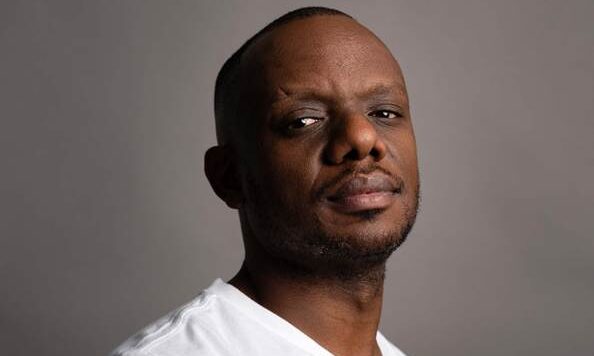






















































Plot Mhako is a German-based Zimbabwean creative whose contribution to the country's creative scene is undeniable. In his 17-year career in the sector, Mhako has hosted music events and managed artists like Probeatz and Mwenje Mathole, who have achieved success today. In addition to managing artists and organising events, Mhako, 40, runs a creative strategy agency GOGOI and an arts website called earGROUND AFRICA.
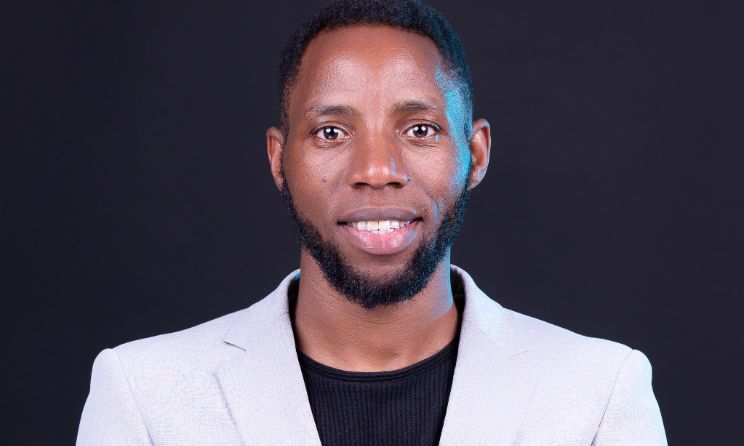
Prior to GOGOI and earGROUND AFRICA, Mhako was the driving force behind a number of events, including Jibilika, Amplifaya Creative Business Conference and Festival, Mafuwe International Festival of Dance, Skate Zimbabwe, Zim Hip Hop Summit and ZimDancehall Summit.
While Mhako played an integral part in organising the afore-mentioned events, he is a fierce critic of Zimbabwe's music industry and is at the centre of all things musical in the country, with some musicians and fans praising him for pushing the industry, while others share different views.
Mhako, who is currently in the country sat with Music In Africa to share his experiences about the state of the Zimdancehall and hip hop, effects of the economy on the creative sector, Zimbabwe Music Rights Association (ZIMURA), Amplifaya Festival and radio in Zimbabwe.
MUSIC IN AFRICA: What’s the state of the music industry in Zimbabwe?
PLOT MHAKO: The Zimbabwean music industry is a vibrant one with a rich history and passionate talent. Although facing challenges like limited monetisation from streaming and persistent piracy, it’s seeing growth in the number of artists, diversification in genres and increasing online consumption. The government’s recent National Music Strategy aims to address issues like artist training and inadequate infrastructure, while the large diaspora community presents opportunities for international exposure. While challenges remain, the industry holds significant potential for further development and economic contribution.
The economy of Zimbabwe is in bad shape, and this is at the root of the lack of progress in the arts sector. Is there anything that the music sector can improve on that is not dependent on the economy?
Even with Zimbabwe’s struggling economy dampening progress in the arts, the music scene can still find ways to thrive. By forging cross-genre collaborations, exploring alternative revenue streams like merchandise and online engagement, and fostering a strong community through innovative online performances and partnerships, musicians can build self-sufficiency. Skill development workshops and cultural exchange opportunities can further empower artists, while leveraging online platforms expands their reach beyond borders. By focusing on internal resourcefulness and innovation, the music industry can carve its own path, pulsating with vibrancy even amidst economic hardship.
Your comments about the local music industry have received a lot of criticism online, with some critics accusing you of bias. Is this criticism objective, and what is your vision for Zimbabwe’s music industry?
I have for years been advocating for the growth of the Zimbabwean creative economy and for the industry players to upscale for global competitiveness. However, this is not taken lightly by some. It’s understandable that comments regarding the music industry, especially from someone perceived as an insider, might attract criticism and accusations of bias but I feel It’s important to consider the source and nature of the critique. My critique is rooted in specific examples and constructive suggestions. My hope is to engage in respectful dialogue so as to challenge the current status quo whilst provoking new imagination. I also make sure I do not just talk, I do. I’m consistently working to contribute through various initiatives to improve the local arts industry.
You are on record as saying Zimdancehall is sinking into oblivion. What examples can you provide to support this claim?
Zimdancehall, once a vibrant heartbeat of Zimbabwe’s music scene, now echoes with faint whispers of its former glory. Its peak has undeniably passed, fading fast as last year’s dominance of Zim hip hop suggests. A seismic shift in audience preferences, particularly among the youth, sees them drawn to fresh sounds and genres, leaving Zimdancehall struggling to keep pace. The well of hit songs seems to have run dry, no new talent emerges to fill the void, and the lyrical tapestry that once captivated listeners now seems threadbare. Whether Zimdancehall can reignite its spark or fade into the echoes of the past remains to be seen, but its current state reflects a genre grappling with the winds of change.
In Zimbabwe, which music genre is doing well lately, and can other creatives copy it?
Zim hip hop is currently riding a wave of success in Zimbabwe, with talented artists like Holy Ten, SaintFloew and Voltz JT leading the charge. I think while Zim hip hop currently dominates Zimbabwe’s music scene, simply copying its success wouldn’t benefit aspiring creatives. Authenticity matters – the strength of Zim Hip Hop lies in its unique fusion, not replication.
Critics and fans seem unable to separate your company from you, and this is based on the comments they make on the company’s social media posts. Tell us where the problem is and how it can be resolved?
I think the problem is deep rooted in our society. We are not mature in engagement and handling divergent views and opinions. Anyone who disagrees with us becomes an enemy. This is why people struggle to separate my personal opinions from what my corporate brand earGROUND AFRICA represents. These are two different entities with totally different mindsets and scope. I share my personal thoughts and opinions, while earGROUND AFRICA is more facts-based. When it is an opinion we indicate so.
Is there anything challenging about running a creative company like earGROUND Africa in Zimbabwe. Do you have any plans to address these challenges?
It has not been easy! Running a digital media startup like earGROUND AFRICA in Zimbabwe throws a ton of hurdles your way. The internet’s exorbitant costs are crippling our connectivity, we do not have sufficient filming and sound gear. We are largely a self-taught team of creatives. We need more skills development and training on new technology. Long power cuts and unreliable internet add insult to injury, and waiting months for corporate payments adds more frustration to our work.
You recently launched GOGOI, a creative strategy agency that empowers and amplifies artists. How has the industry responded to this new initiative, and how does it differ from earGROUND Africa, which has provided some of these services for the past three years?
We recently launched GOGOI with the goal to provide comprehensive and strategic support to artists, enabling them to achieve their full potential and connect with their audience on a global scale. It is an extension of the work we have been doing for years. The shift is that we are now making more deliberate steps to help artists improve their creative business, tour the world and monetise their work.
You didn’t host Amplifaya last year following its inaugural edition in 2022. Are there any plans for the festival in 2024 and why wasn’t it held last year?
We did not host Amplifaya festival but we hosted an industry mixer event as part of our build-up plans towards Amplifaya Africa 2024 which introduces the Creative Business Conference. It’s a much bigger plan which we are hosting this year in September. We will be unveiling the details.
As a well-respected creative, do you have any concerns with ZIMURA? If so, tell us?
Lack of transparency and efficiency are my biggest concerns with ZIMURA. There is a lack of clarity in how royalties are calculated and distributed.
Tell us about the state of the radio in Zimbabwe?
The airwaves of Zimbabwe once crackled with the energy of vibrant radio programming. Informative news, witty talk shows and soulful music painted a sonic tapestry that entertained and informed millions. But lately, a discordant note has entered the mix, raising concerns about declining standards and potential corruption. Shows that once sparked insightful debates or resonated with humour now seem to veer towards sensationalism, even vulgarity is finding its way on air. The airwaves, once alive with diverse voices, are increasingly filled with “beerhall talk,” leaving some audiences feeling alienated. There are growing whispers of DJs soliciting bribes for airplay or interviews. This alleged pay-to-play system raises serious questions about fairness and professionalism, eroding trust in a medium traditionally seen as reliable and accessible.
Any message to the Ministry of Sports, Arts and Culture?
We need more engagement, and please get creatives to run creative positions. Zimbabwe has amazing talent that can impact its GDP and the image of the country on the globe but a lot of this remains as just potential. We need to collectively work with the government to unlock this potential.


Most popular

Call For Applications : ACCES seeks a UK-based performer
10 Sep 2026

Top amapiano songs of 2026
16 Feb 2026

Top Afrobeats songs of 2026
19 Mar 2026
AFRIMA 2026: All the winners
12 Jan 2026
Open call: Goethe-Institut grants for Southern African creatives
08 Sep 2026

Open call: Ernst von Siemens Music Foundation 2026 funding programmes
04 Sep 2026
Open call: FAME Week Africa, Pressure Cooker Studios songwriting camp
09 Sep 2026
Disclaimer: Music In Africa provides a platform for musicians and contributors to embed music and videos solely for promotional purposes. If any track or video embedded on this platform violates any copyrights please inform us immediately and we will take it down. Please read our Terms of Use for more.

Subscribe to our monthly Newsletter
Follow us on social media


Please log in to post a comment.