















































By Rinelda Mouton
The music industry in Namibia has a number of popular music genres. This text provides an oveview of the most popular ones: Political Music; Kwaito; Reggae and Dancehall; Shambo; Gospel; Afrikaans; Damara Punch; R&B, Pop and Afro-pop; House and Hip-Hop.
Political Music
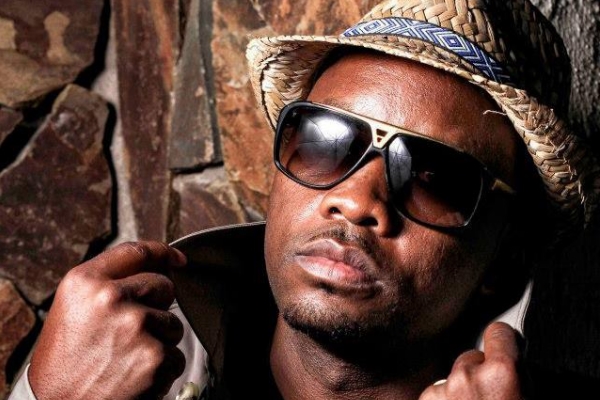
This music genre was popular from the early 1960s to 1990, before Namibia gained its independence. It was mainly music done by artists from oppressed black communities, who sang about the difficulties they faced with during apartheid. Their songs would often also contain messages of peace, love, war, family and friendship. Much of this music was recorded on vinyl or cassettes. These songs are of great importance to Namibia as it tells the history of the country through music. A few of these artists were Jackson Kaujeua, Ras Sheehama and Willie Mbuende.
Kwaito
Kwaito music is the most popular genre in Namibia, with the most artists and fans. It expanded into Namibia from neighbouring South Africa. The genre was first started in Namibia by Matongo Family, a trio considered the pioneers of the Namibian Kwaito, who first brought kwaito to the Namibian stage in 1998. Other early Kwaito performers were Guti Fruit and the late Pablo. The Dogg and Gazza then followed. The genre has since grown big with the introduction of other artists such as Legg-Ghetto, Ees, Sunny Boy, Qonja, Exit, Tre Van Die Kasie, OmPuff, Chipolopolo, OmZoo, and PDK.
Most artists sing in their native languages, such as Oshiwambo, Nama/Damara, Kavango and Otjiherero, as they believe the listener can easily understand and relate to the message of the song. One song can typically contain up to three different languages and slang. This music genre has earned Namibia the most awards from music competitions outside the country, with artists such as The Dogg, Gazza and Ees scooping awards. Some of the best albums that industry has seen thus far are Zula II Survive by Gazza (2004), ‘Take Out Yo Gun’ by The Dogg (2004), ‘Koek n Jam’ by Qonja (2006), ‘Y. B. G.’ by Sunny Boy (2005) and more recently 'Go Hard or Go Home' by Exit (2013) and 'Exodus' by Blacksheep (2014).
Reggae and Dancehall
This music genre emerged in the 1970s with Ras Sheehama, who followed the footsteps of the legends Bob Marley and Lucky Dube. In the early 1980s a band called We Culture was formed in the informal settlement of Katutura in Windhoek, the capital city of Namibia. Other artists such as Petu, Ngatu, the Mighty Dreeds, Los Amadeus, Omidi d Afrique, Shem Yetu and Organised later also joined the genre.
Today, Namibian reggae is characterised by a faster beat, inspired by international Dancehall trends that are especially popular with the younger crowd. Artists such as Mr. Simple, Ees, PDK, Fishman, Gazza, Killa-B, Boet, Faizel MC as well as StarDust are associated with this genre.
Shambo
Shambo music is very popular with Namibian people, especially those from the rural areas. The genre derives its name from "Shambo Shakambode", from the Oshiwambo-speaking people. Artists normally sing about peace, war, unity, love, respect and history. The Shambo genre was made popular in Namibia by Tate Buti, his sister Janice and Faizel MC with their song entitled ‘Kwiku’ in 2007. The song did not only got the attention of people from Namibia’s rural areas but also other communities in Namibia such as the Basters, Coloureds and whites.
In 2005 Shambo was recognized by the Namibia Society of Composers and Authors of Music (NASCAM) as one of Namibia's folk music genres. That same year the Annual Sanlam-NBC Music Awards included Shambo music as one of their award categories, where it remains in the current industry awards, the Namibia Annual Music Awards (NAMA).
Other well-known names in the Shambo music genre includes trio PDK, Olavi, Killa B, Castro, Faizel MC, Tunakie, Tate Kwela, D-Naff, Castro, Lonette Uupindi, Jackson Wahengo, Neslow, Nono and Om’Nenenhu Dazzle.
Gospel
Gospel music is also popular in Namibia. It was started in Namibian churches, where people would sing songs by American gospel artists. Award-winning Namibian artist D-Naff is currently the most recognized voice in the local gospel scene in Namibia. Other Namibian gospel solo artists are Mzedek, Edcens Ndjavera, Moritz Haraseb, Nashy Makoma, Dylan, Blessed Son, Ponti Dikuua, Sanet Lambrecht and Phillip.
Over the past few years, Namibia has seen an increase in church choirs. The most well-known ones are Clive & The NOW Generation and The Koi International Worship Choir. To help strengthen the genre, a trust known as the Namibia Gospel Music Trust (NGMT) was formed last year with the promise to take the genre to new heights.
Afrikaans
Afrikaans pop music in Namibia is originally influenced by European folk music. In Namibia it is more popular among the white communities. The most successful Namibian artists in the Afrikaans music genre are Namibian-born sisters Nianell and Riana Nel, who are now residing in South Africa and a part of South Africa’s Afrikaans pop scene, as well as Namibian’s first Big Brother Africa representative, Stefan Ludik and his brother Hugo Ludik. Newer names to get involved in the Afrikaans music genre are Araffath, MC-Ray, Michael, Phillip and Tabakanz.
Afrikaans music has also enjoyed the attention of a few black communities, particularly when Tate Buti released his award winning song ‘Ek wari 4kol’ in 2012. Other black Afrikaans rappers who are constantly trying to attract more black fans to this genre include S-Man and Wambüseun.
Damara Punch
Damara Punch was introduced by Namibian artists such as Stanley, Phura, Michael !Owos-oab, Raphel and Pele. It is also known as Ma /Gaisa. The genre was derived from traditional Damara music and is mainly sung in Khoekhoegowab. Ma /Gaisa artists will always find a way to surprise music lovers with their remarkable ability to write lyrics that are out of this world. These artists often sing about people who want to break up their marriages, people gossiping about them, backstabbers or people who want to take away their blessings. Other big Namibian artists in the genre are Dixon, Tate Buti, Female Donkey, Brumelda and Damara DikDing.
R&B, Pop & Afro-pop
R&B has been popular in Namibia since the 1990s. Shortly after the birth of the R&B genre in Namibia, more artists began to get involve in the Pop or Afro-Pop genres, which sound similar to R&B. The Namibian industry has seen pop artists such as the award-winning former duo Gal Level, TeQuila, African Boy, Christi Nomath Warner, Lady May, Big Ben, Jewelz, Lil D, Rodger, Jossy Joss, Floritha and Chikune.
House
House music is the new kid on the block in the Namibian music scene. The industry gained fame in Namibia in nightclubs when DJs started to mix international house music, including from South Africa. This later led to the outbreak of the music genre in Namibia. DJ Kboz was one of Namibia’s first successful house DJs. He released an album entitled Strictly Street House, Volume 1 in 2007. The industry has since grown, seeing artists such Gazza, Mr Makoya, Sally, Lady May, Leggetho, Mushe, Exit, Mr Simple, 4×4, Linda and Omsaane Niihana releasing house tracks. The genre is particularly popular with young fans.
Hip-hop
Hip-hop is another genre that is particularly popular amongst youngsters in Namibia. Namibian hip-hop is inspired by popular American rappers such Tupac Shakur, Nas, Jay-Z, Snoop Dogg and Eminem. Unlike Americans who rap or sing in English, some Namibian artists prefer to rap in their indigenous languages, including Oshiwambo and Damara-Nama. Popular names in Namibian hip-hop are Jericho, Kanibal, Dice #1 Stunner, Snazzy, Shikololo, Fidel O'del, Pablo, Dore, Kanibal, Catty Catt, S-Man, OmPuff, D-Jay, KK, Laukey, Krespo, Lil' D, Black Vulcanite and the Naughty Crew.
Despite the diversity of popular music genres in Namibia, the Namibian music industry still has no major record labels or distribution infrastructure. As a result, Namibian artists often have to sign contracts with South African or other foreign companies to have their music distributed outside the country.


Most popular
Call for applications: ACCES 2026 Emerging Artist Spotlight Competition
01 Oct 2026

Top amapiano songs of 2026
16 Feb 2026

Top Naija songs of 2026
31 Mar 2026

Top Afrobeats songs of 2026
19 Mar 2026
Open call: 2026 Gender@Work music industry training in Johannesburg
03 Oct 2026

AFRIMA 2026: All the winners
12 Jan 2026
Disclaimer: Music In Africa provides a platform for musicians and contributors to embed music and videos solely for promotional purposes. If any track or video embedded on this platform violates any copyrights please inform us immediately and we will take it down. Please read our Terms of Use for more.

Subscribe to our monthly Newsletter
Follow us on social media


Please log in to post a comment.