

















































By Hilda Kiel
Tanzania is a large and diverse country with more than 120 ethnic groups, each of them differing in varying degrees from each other in culture, social organization and language. It is therefore difficult to mention the most influential musicians in Tanzania today without falling into the trap of equating commercially successful musicians with important ones. A broad overview of the contemporary music scene in Tanzania therefore leaves out many celebrities that are famous and known within the context of their regional ethnic group.
The commercial music scene is concentrated in the urban centers, particularly Dar Es Salaam, which has a plethora of formal and informal creative industry clusters, such as music studios, venues, government organizations, NGOs, festivals, promoters and producers, as well as pirates, street peddlers, youth gatherings, bars and dance clubs. This colorful and vibrant musical scene is very loosely organized. Few musicians have been able to follow in the footsteps of people like Hukwe Zawose or Remmy Ongala, who achieved fame in earlier decades through international promotions and exposure through Peter Gabriel’s UK-based label Real World.
Bongo Flava
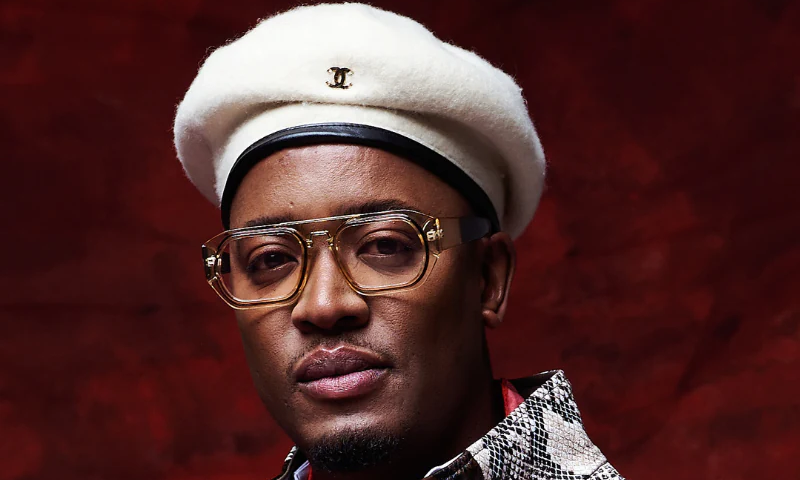
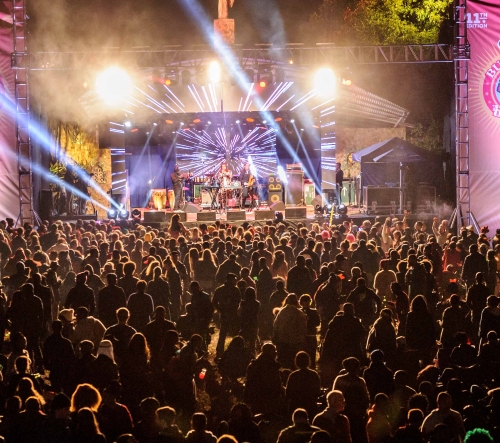
In Dar es Salaam, today’s music scene is certainly dominated by Bongo Flava artists that fascinate most young people and generates huge audiences at festivals such as the annual Fiesta. One pioneer of this brand of Tanzanian hip-hop is Mr. II (also known as Sugu or 2-Proud). Other popular Bongo Flava artists today include Diamond Platnumz, Juma Nature, Afanda Sele, Ali Kiba, Fid Q, Wagozi wa Kaya, T.I.D., the Danish-Swahili rapper and guitarist Mzungu Kichaa, Professor Jay, Mwasiti, Banana Zorro, Chidi Benz, Daz Baba, MB Dogg, Dully Sykes, Madee, Matonya, 20 Percent, Linah, Suma Lee and many others.
Fusion
The Tatunane Band was one of the early groups that reached international fame by fusing traditional Tanzanian music with modern Afro-jazz. They were most influential in the 1990s and won many awards, toured internationally and started a trend that today’s bands are still following. Not least due to their influence, several top-notch musicians have now specialized in fusion styles that combine diverse influences.
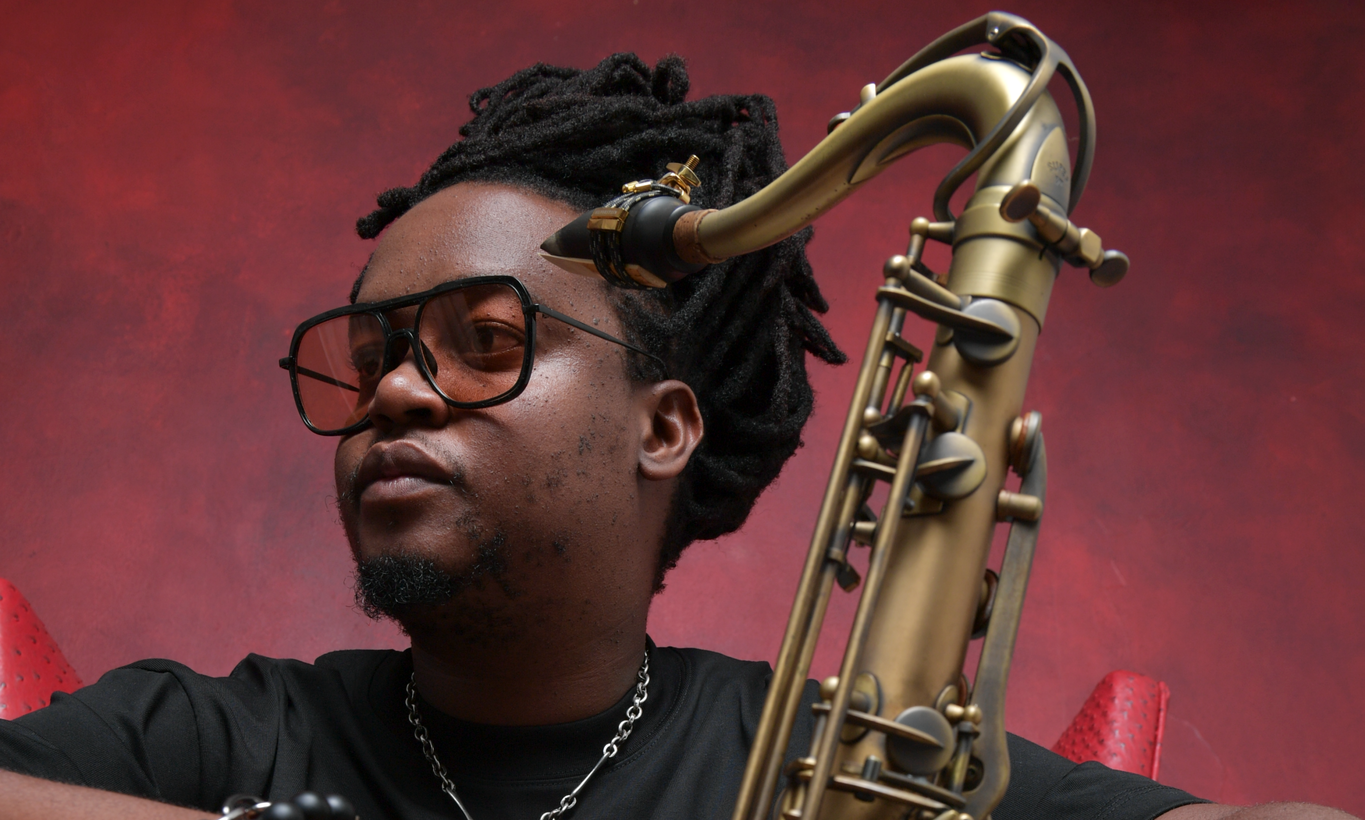
Carola Kinasha is recognized as one of the pioneers of traditional fusion music in Tanzania. Born in a remote village near the Kenyan border, she came to Dar es Salaam to pursue her career as musician and singer, where she combined elements of her Massai heritage with different Tanzanian and international styles. Other famous and popular performers who fuse music styles include Leo Mkanyia and his band Swahili Blues, Kauzeni Lyamba, Lazaro Kayombo, Teddy Mbarak, reggae artist Jhikoman, Ashimba, Kumpeneka, Twaba and Paul Ndunguru. Msafiri Zawose is continuing the legacy of his famous father, Hukwe Zawose, and performs regularly with various bands in Bagamoyo, Dar es Salaam and also abroad.
R&B and Gospel
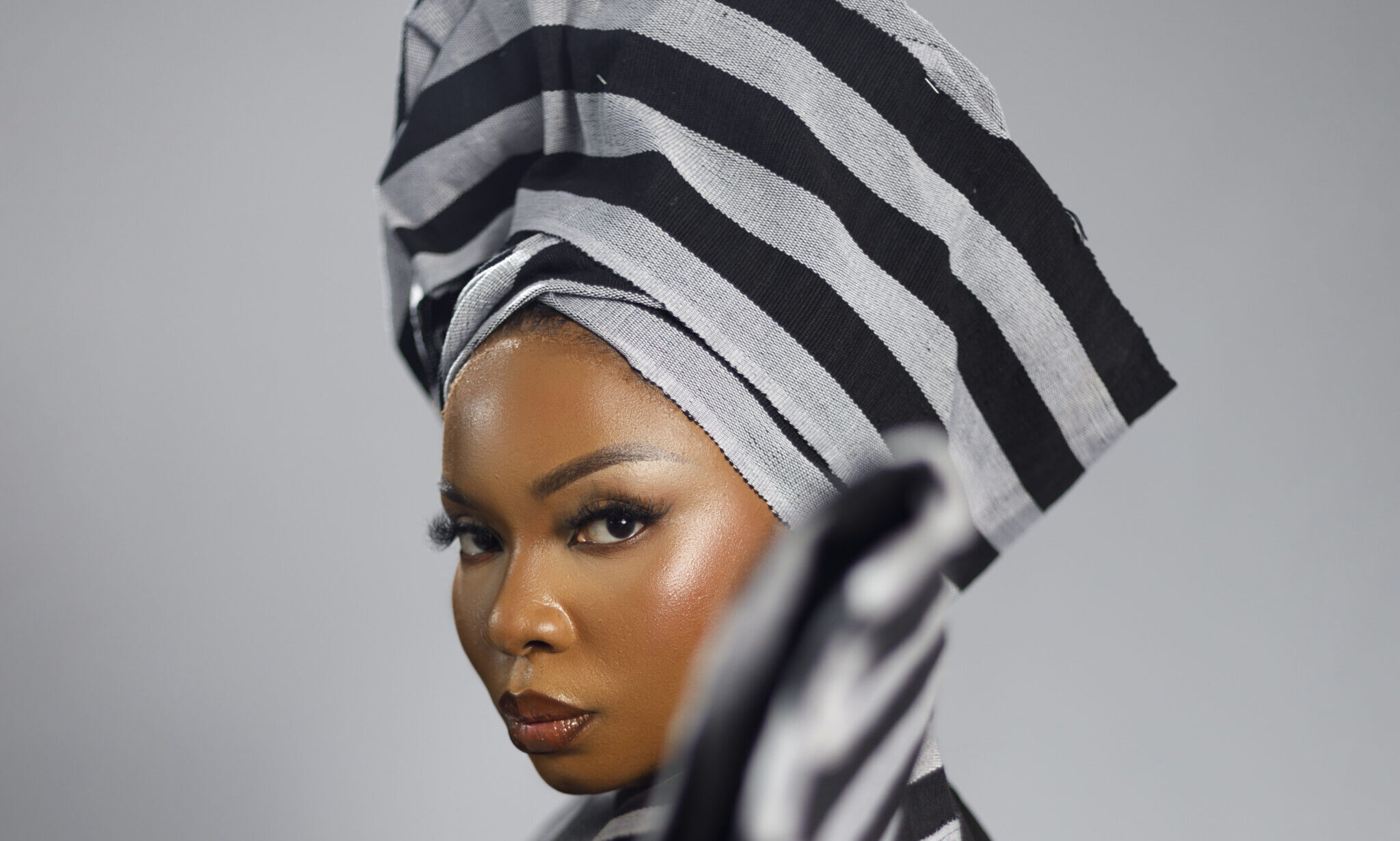
In the realm of Tanzanian R&B, Lady Jaydee has held the reputation as Tanzania's most popular singer for several years. She received her voice training in church choir in Shinyanga and has won numerous awards.
Active church choirs have also produced a vibrant gospel music scene. Singer Rose Muhando in 2011 signed a deal with Sony Music Entertainment, the first deal of its kind for East Africa. She is considered one of the most acclaimed gospel artists with a huge following throughout East Africa.
Muziki wa Dansi
Musiki wa Dansi (dance music) has a long history in Tanzanian entertainment, dating back to the 1930s. The genre is derivative of Congolese soukous or rumba. Though this music style had its heyday in the 1970s and 80s, many big dance bands are still active today, performing regularly to an enthusiastically dancing audience – among them are Kilimanjaro Band, Mlimani Park Orchestra (formed on 1978), FM Academia, Twanga Pepeta, OTTU Jazz Band, Msondo Ngoma Music Band, Akudo Impact and others.
Mchiriku
Some consider mchiriku to be a recent permutation of musiki wa dansi, but it originates from zaramo wedding music. One local group has achieved international fame with this music style. Jagwa Music usually perform in street-type surroundings for local celebrations, but are rarely hired by a bar owner let alone concert halls or bigger stages. Yet over the years they have become one of most popular audience favourites at Zanzibar’s annual Sauti za Busara Festival. In 2011 singer Jackie Kazimoto and his crew transformed Roskilde Festival in Denmark into crazy party that lasted until 4am.
For the Tanzanian media, mchiriku and Jagwa barely exist. Their songs are seldom played, and their kind of entertainment is associated with uhuni (thuggery) and the city’s underworld. Yet they have a large following around Dar. Almost everybody knows their songs and you can see quotes from their songs painted as slogans on local dala dala minibus taxis.
Beyond Dar es Salaam
But not all of Tanzania’s famous musicians come from Dar es Salaam. For example, the enigmatic singer Saida Karoli, who comes from Kagera in the Bukoba region, rose from obscurity to fame in a short time. A song from her first album, ‘Maria Salome’, reached number three on Tanzanian radio and she was nominated several times at the Kora All-African Music Awards. As a singer, composer, dancer and drummer, within a short period of time, Saida became a highly sought-after female artist all over East and Central Africa. She staged live shows in almost all parts of Tanzania, and successfully toured Rwanda, Burundi, DRC, Uganda and Kenya. Though she sings primarily in her native tongue Haya, her lyrics also incorporate extensive Swahili (the common East African language) and the occasional phrase in English.
Other local music styles reach fame and following in Dar es Salaam due to unknown factors. A recent craze is a music style from Tanga called baikoko, which has become highly popular as dance entertainment in local bars and pubs all over Dar es Salaam and beyond.
Zanzibar is also a center of cultural and musical activity, hosting several famous music groups, aided among others by cultural organizations such as the Zanzibar International Film Festival (ZIFF)[i], Dhow Countries Music Academy (DCMA)[ii] and Busara Promotions’ festival Sauti za Busara[iii]. With its rich history and cultural heritage, Zanzibar offers a unique sound and blend of Arabic and African music styles, influenced by Indian, Indonesian, European and other flavours. Zanzibar’s most famous groups remain the traditional taarab orchestras Nadi Ikhwan Safaa and Culture Musical Club. Makame Faki and his kidumbak (a rhythmic, taarab-related style) enjoy local as well as international fame. Singer Mohamed Ilyas with his band Twinkling Stars has recorded an international solo album (on Ace Records) and Tausi Taarab is a relatively new all-female taarab band.
Modern taarab - or rusha roho - was predicted to be a short-lived phase in the musical development of Tanzanian music, but has turned into a lasting music phenomenon - not least due to the provocative lyrics and economic sustainability of a 3- to 5-piece band with only electric instruments. Mzee Matona was an early forerunner, followed by popular groups such as TOT with Khadija Kopa, Muugano, East Arican Melody, Jahazi, Five Stars and Young Stars Modern Taarab, who play segere mixed with taarab.
Certainly the most famous music icon from Zanzibar is the singer Bi Kidude, who sadly passed away in 2013, close to a century old and still performing taarab and the traditional unyago ngoma drum style. Other traditional ngoma groups also enjoy success, such as Shirikisho Sanaa, Black Roots, Kikundi cha Taifa, Imani Ngoma and many others, yet none have achieved the status of “BiBi” (grandmother) Kidude, who by defying traditions won the hearts of audiences all over the world, even though this did not enabled her to live in anything grander than a small house with a tin roof. Her story exemplifies what the Zanzibari poet Haji Gora once said, “I have written hundreds of songs, yet I continue to ride a bicycle”.
While African music in general, and Tanzanian musicians in particular, continue their journey towards international recognition, their struggle for adequate structures and resources continues.


Most popular
Call For Applications : ACCES seeks a UK-based performer
10 Sep 2026

Top amapiano songs of 2026
16 Feb 2026

Top Afrobeats songs of 2026
19 Mar 2026
Open call: Goethe-Institut grants for Southern African creatives
08 Sep 2026
AFRIMA 2026: All the winners
12 Jan 2026
Open call: Ernst von Siemens Music Foundation 2026 funding programmes
04 Sep 2026
Open call: FAME Week Africa, Pressure Cooker Studios songwriting camp
09 Sep 2026
Disclaimer: Music In Africa provides a platform for musicians and contributors to embed music and videos solely for promotional purposes. If any track or video embedded on this platform violates any copyrights please inform us immediately and we will take it down. Please read our Terms of Use for more.

Subscribe to our monthly Newsletter
Follow us on social media


Please log in to post a comment.