






















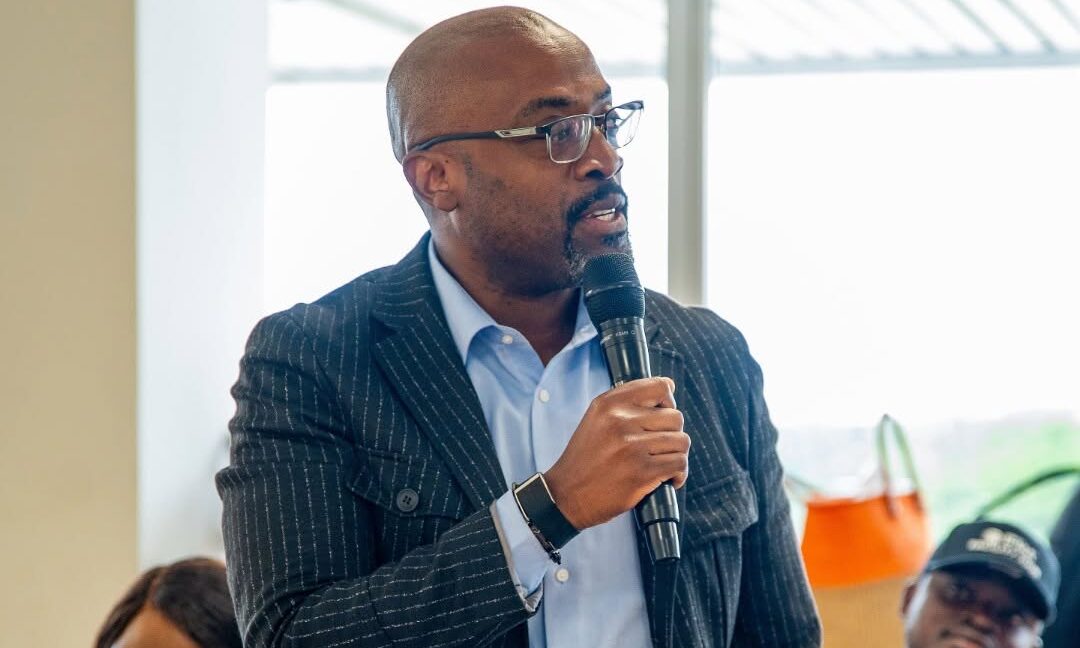

































Process Ghana: Elevating sound and empowering the artist
22 Jul 2022 - 13:05


Despite being the home of many African hits, Ghana lacks platforms tailored for those seeking to understand production and navigate the music business.

This is according to Juls, the British-Ghanaian DJ and producer behind the Process Ghana workshop. The musician, who is widely credited for his pioneering role in shaping the modern Afrobeats sound and for his work with leading Afrobeats stars like Mr Eazi and Wizkid, believes that the initiative, which was first held in 2018, addresses key matters in the Ghanaian music industry.
This year, the programme was held at the Impact Hub in Accra from 18 to 22 July. It was powered by TuneCore in conjunction with Oroko Radio and Native Instruments. The workshop comprised masterclasses, presentations, panel discussions and debates touching on various areas of music production and the music business, including building a sound, creating a sustainable brand, harnessing opportunities in the digital era, intellectual property rights, and the state of the Ghanaian music industry. The event also afforded participants an opportunity to work with and benefit from mentorship by A-list artists and producers while networking with thought leaders in the space.
By lining up experts including sound engineer and producer Kofi ‘IamBeatMenace’ Boachie-Ansah, producer, copyright expert and Ghana Music Alliance president Seven Xavier, as well as TuneCore head for East and West Africa Chioma Onuchukwu, Juls is confident that Process Ghana plugs a key knowledge gap while affording participants a rare chance to accrue critical expertise to thrive in the industry.
Other leading names at Process Ghana 2022 are rappers Pure Akan, Worlasi, M.anifest and singer Ria Boss, as well as producers Rvdical The Kid, Øbed and Kuvie.
“I always wanted to be a philanthropist, teach about the music business and help build skillsets for the creatives,” Juls, who joined Grammys oversight body The Recording Academy in 2020, told Music In Africa. “The plan is to build a community that helps aspiring producers who want to understand how to go about things in regards to the business, creativity and how they can build their style and skill.”
Boachie-Ansah called for regular interactions like Process Ghana to grow a sense of community for record producers while “exposing them to the intricacies of what it takes to be competitive on the business side of things.” He also emphasised the workshop’s role in sensitising participants about “new ways to shift the paradigms of what we typically consider or classify as the Ghanaian sound, in order to be competitive in the fast-evolving and adaptable world of music.
“This was an absolute honour to have been invited as a panellist to be part of the discussions. I met some new and old faces. And I want to see more and more of these sorts of interactions to help build a sustainable community.”
On her part, Onuchukwu noted that TuneCore is constantly seeking opportunities to support and educate independent music creators, describing Process Ghana as a great opportunity for knowledge-sharing and shoring up the creativity of aspiring music producers. Onuchukwu, who made a presentation on music distribution, added: “we’ve seen that there’s a very big gap, especially in Ghana as well as similar to other African nations where either they don’t understand what digital distribution is or they don’t know how to go about it. So for us, that’s a great opportunity to educate them about distribution and get them started with their first distribution on our platform .”
“A lot of them take the creative thing as just creative, and it ends at being creative,” Xavier lamented. “So what we’re trying to talk to them about is how they can make some money from their music or craft, and explain to them the benefits of signing royalties and having publishing deals, as well as knowing what they are due when they create the music.
“A lot of them have no idea – and it’s not just them. Even the musicians they work with also have no idea how these things should pan out. So everybody gets cheated.” Xavier noted that often, it is producers who get the short end of the stick, hence the need to enlighten emerging musicians.
“Take, for example, beat maker. You’re just not supposed to make money from studio time. After that music comes out, there are so many opportunities that you can make money off. You can talk about mechanical rights, labelling rights and probably performance rights that you’re supposed to make money from.
“Hopefully, in the next couple of years, we will have highly enlightened producers who can make some money off the craft and elevate Ghana music and the sound that comes from Ghana because they’re tastemakers. They’re the ones who set the trends. And we hope to see them flourish in the future.”
Emerging producer and audio engineer Joshua 'Tronomie' Adjeman said he joined this workshop to shore up his production skills. He added that the workshop enabled “a community of like-minded individuals who care about the sound of things. I have picked up a few things I wasn’t expecting to pick up, including the knowledge of publishing and mechanical rights and, going into the future, how to shape my own agreements.”
“For me, it’s more about the business side of things,” guitarist and producer Akua 'Mel' Boa-Amponsem said. “I didn’t know anything about it at all. Where do I start to make money from my stuff? So I have learned about publishing, royalties, and mistakes older artists have made by not signing split sheets or paying attention to royalties, publishing, PROs and CMOs, among others.
Producer and guitarist Kofi 'KQ The Artist' Quartey said: “I came for the Process workshop to understand music more and be able to set my music career on the right path and have a long-standing career. I have come to value music more and I want to contribute positively to someone and inspire them through music.”
Beyond Process Ghana, Juls disclosed plans to hold a writing camp which will involve some of the participants of the producer workshop. He is also eyeing a collaboration with festival organisers Afrochella and their Rising Star challenge, where Process Ghana alumni will collaborate with participants of the competition. Additionally, the writing camp will serve as an interface for undiscovered and established producers and artists to partner on a body of work reflective of the Ghanaian sound to project the country’s music and culture forward.
“We’re trying to push the Ghana sound. We’re trying to add a lot of elements with regards to highlife and hiplife. We’re trying to do something that would build a strong Ghanaian sound so that when people come here, they will know how it works and see how strong our culture is.”


Most popular

Top Naija songs of 2026
31 Mar 2026

Top Afrobeats songs of 2026
19 Mar 2026

Ghana: Mr Eazi and MOLIY’s ‘Comfort’ earns Urban Music Awards nomination
21 Oct 2026

Top amapiano songs of 2026
16 Feb 2026
Open call: CANEX Music Business Lab and Songwriting Camp
15 Oct 2026
Nigeria: CANEX WKND unveils 2026 programme
21 Oct 2026
Disclaimer: Music In Africa provides a platform for musicians and contributors to embed music and videos solely for promotional purposes. If any track or video embedded on this platform violates any copyrights please inform us immediately and we will take it down. Please read our Terms of Use for more.

Subscribe to our monthly Newsletter
Follow us on social media


Please log in to post a comment.