









































NEFCISA
NEFCISA

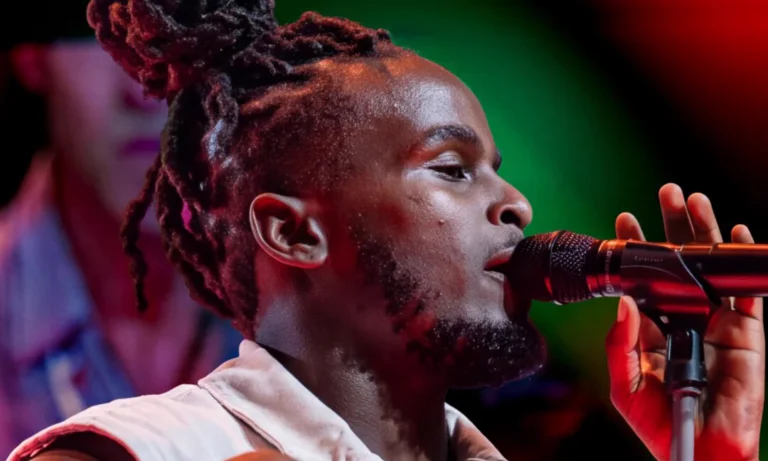
The Music In Africa Foundation (MIAF) is proud of its partnership with the Industrial Development Corporation (IDC) as a Strategic Implementing Partner (SIP) for its Social Employment Fund (SEF). Through this collaboration, MIAF is running a national programme that is creating jobs, addressing skills gaps, and strengthening South Africa's creative industries — in line with the SEF's overarching goal to generate work for the common good and build community value through employment, social contribution, and inclusive economic participation. Operating under the banner NEFCISA (National Employment Facility for Creative Industries in South Africa), the initiative is recruiting and training participants, matching them with host organisations, and has already placed 1 500 workers across the country — surpassing its original target of 1 000. NEFCISA is delivered through a network of 20 host organisations spanning five provinces, who are actively hosting participants and contributing to work for the common good across South Africa's creative and cultural industries. Key Objectives: Support employment and entrepreneurship in the creative industries. Offer skills development and training programmes. Foster partnerships between public and private creative sectors. Promote South African creativity at both provincial and national levels Foster community development through social contribution.

ACCES
ACCES

ACCES Conference and Showcase Festival is Africa's leading music industry gathering, bringing together the people shaping the future of the continent's music business. Artists, entrepreneurs, executives, investors, policymakers and cultural leaders from across Africa and around the world come to ACCES to build partnerships, exchange ideas, discover talent and create new business opportunities. Since its launch in 2017, ACCES has become the continent's premier platform for professional exchange and music market development. Combining a high-level conference with a curated showcase festival, networking, exhibitions and industry programmes, ACCES offers a unique space where creativity meets business and where African music connects with the global industry.

Gender@Work
Gender@Work

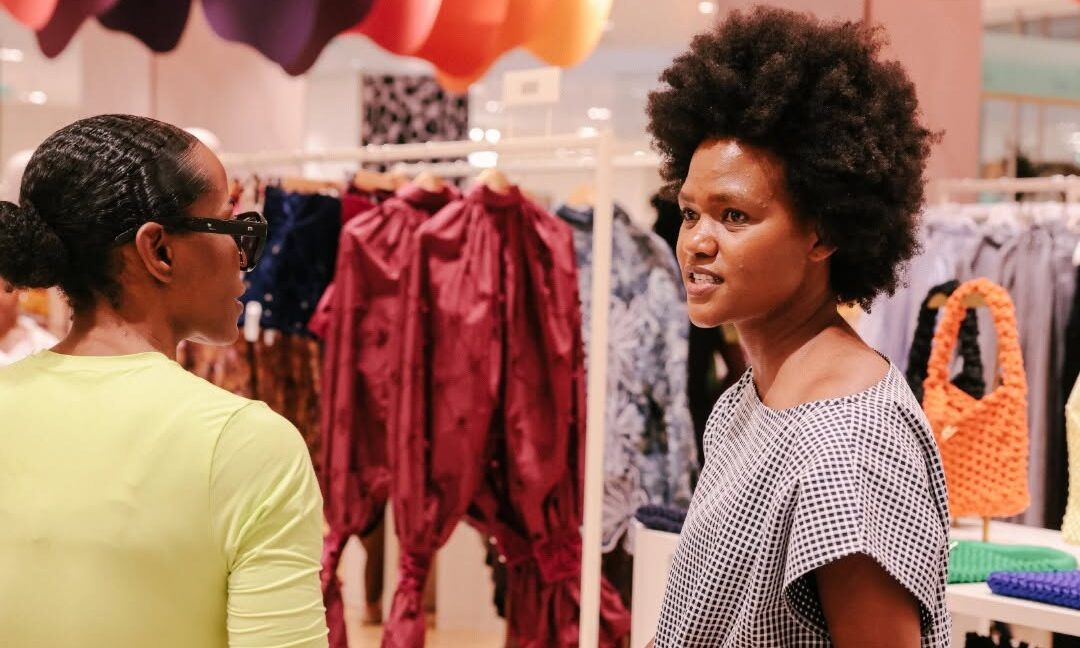
Music In Africa Gender @ Work is a three-year training programme aimed at upskilling and increasing the participation of female professionals in the African music sector. Launched by the Music In Africa Foundation (MIAF) in April 2019, the programme is connected to the MIAF’s ACCES music conference – a pan-African event held in a different African country every year. This connection enables the programme to reach new participants in a different African country every year. The programme marks the beginning of a more concerted effort by the Foundation to support the participation and inclusion of women in all facets of its programmes and the music sector in Africa as a whole. Over the three years, the programme will aim to address gender imbalances in the sector through training, lobbying, facilitating knowledge exchange and dialogues that foster the interest of women. The broader objectives of the programme are to: Provide industry training for women on critical music industry skills, focusing on: Stage management Electronic music production and recording Music business management Technical knowledge Provide an opportunity for both professional and aspiring women to benefit from the Music In Africa network and its broad range of activities in 2019, 2020 and 2021. Provide a solution-based platform in the form of a round table at ACCES with a view to identify challenges, discuss opportunities and lobby for the interests of female practitioners. Offer participants the opportunity to benefit from programmes offered by MIAF’s partners. Increase access to educational materials. Integrate participants in the broader ACCES programme to maximise experience and exposure to the industry. Record and present training materials on the www.musicinafrica.net, including but not limited to tutorials, templates and other best-practice materials. Communicate women-based themes that support the initiatives and messages of the programme. MAIN TRAINING ACTIVITIES Training in first country (Ghana): In the first year, participants will be trained on all aspects of stage management by a team of experienced stage managers from 10 to 17 November 2019. The programme will offer robust classroom training as well as practical, hands-on training in which participants will also be given the opportunity to manage various aspects of the ACCES performance programme. Training in second country: The second training iteration will take place at ACCES 2020 when the programme will diversify its course to include music production lessons and training on other music business topics. A round-table platform will also be introduced to coincide with the ACCES programme. Training in third country: The third training iteration will take place at ACCES 2021 in a different country, offering an advanced course. HOW DO YOU GET INVOLVED?  As a participant, facilitator or trainer: The programme enrolls up to 12 trainees every year. All opportunities are advertised publicly on this website, and will be added to this page. Please keep checking this page for new calls (below under UPDATES & CURRENT OPPORTUNITIES). As a partner Please contact Claire Metais at [email protected]. APPLY The call for applications for 2020 will be announced soon. The Music In Africa Gender @ Work programme is made possible with the support of the Prince Claus Fund, Siemens Stiftung and Goethe-Institut.

Sound Connects Fund
Sound Connects Fund

For cultural and creative practitioners and organisations operating in southern Africa, access to funding remains a major challenge. The COVID-19 pandemic has also had a massive impact on government policy, spending and the economy in general, and has seen spending on culture being moved further down the list of priorities. Further, the cultural and creative industries repeatedly cite four main areas where investment is needed for growth, which are increased visibility, mobility including access to new markets, finance and support structures.

Instrument Building And Repair Project

Experience the Vibrations African Instruments Exhibition online in 3D

Features

Rap battles sparks hip-hop renaissance in Uganda
05 Jan 2016 - 06:41

cc-img flag-img

By Moses Abeka

Hip-hop as a mainstream genre is one of the newest to be widely practiced in Uganda. Two music groups, Klear Kut and Bataka Squad, were the first musical acts to popularize this kind of music back in the late 1990s. Mainstream acceptance for the music genre was almost non-existent back then.
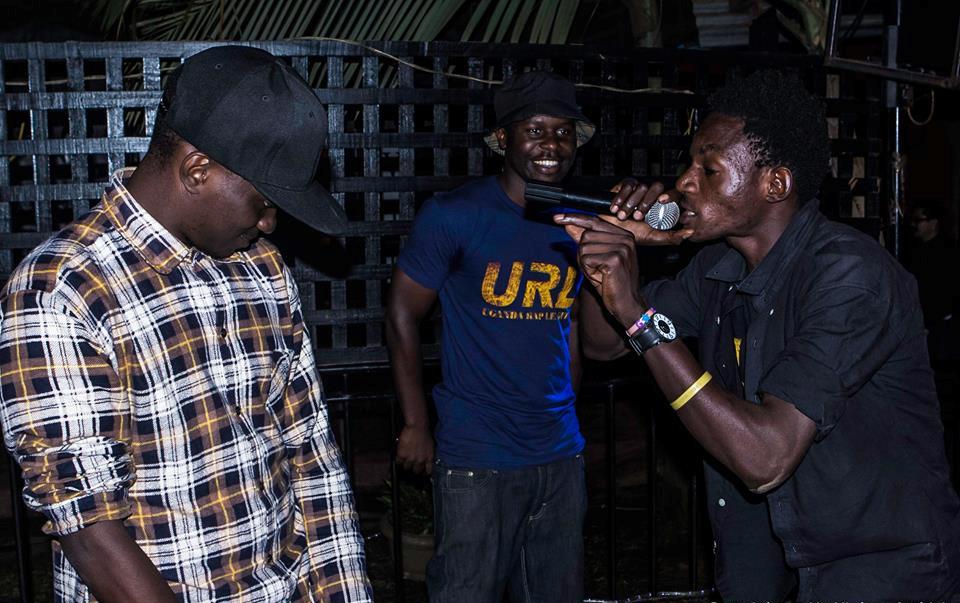
Oki Foever and MC Gold during a rap battle. Photo: Uganda Rap League Facebook

Since then, a number of the members of the mentioned groups persisted with the genre, especially Navio (who was a member of Klear Kut) and Babaluku. Others like Tekya Abrahams (aka Abramz) and Sylvester also kept creating rap music, focusing on socially conscious themes and topics. More acts continued popularizing the genre by joining the scene. Rocky Giant was among the first rappers to be embraced in the mainstream.

Around 2008, when GNL Zamba broke out, hip-hop gained alot of recognition. GNL made hip-hop more acceptable and accessible and many Lugaflow (as hip-hop is referred to in Uganda) rappers began to emerge. Since then there has been a flurry of activity on the scene, with a good number of rappers enjoying relative success in the music industry and on the radio circuit.For fans, the genre is made more attractive by the performer’s energy, creativity, attitude and authenticity.

Unlike in West and South African countries, where hip-hop is a vibrant industry, East Africa has not faired so well. Uganda particularly is yet to register significant success. The country’s hip hop scene is mired by a myriad of inadequacies, ranging from public acceptance to cliquishness. For many audiences, the genre is largely viewed as "foreign" - except for urban dwellers and high school students. As such, rappers and rap enthusiasts continue to chart a better course for the genre through stakeholder meetings. But in these endless meetings - like conferences of a corrupt administration - the emotional and powerful proposals never see the light of day.

Even though the genre has been around for more than a decade, Ugandan hip-hop still struggles to get airplay beyond the dusty suburbs of Kampala. Rappers rarely stage shows, while fans on the other hand still expect free albums. But for Ugandan hip-hop artists there are more challenges. For them the greatest hurdle is to produce sounds that the local population is familiar with. All is not lost: despite the fair share of frustrations, the industry has registered some success. In December 2015, Navio released a new album, Power. Nelly Sade Saint too has joined the ranks of top names after two successful albums. More mixtapes are being released but due to minimal marketing most rappers are struggling to live off their art.

Uganda Rap League

Uganda Rap League (URL), a community initiative, is hoping to change the mixed fortunes in Ugandan hip-hop through rap battles. MCing or rapping is one of the four key stylistic elements of hip-hop music. For starters, a rap battle is a contest where rappers compete or battle each other using improvised ‘spur-of-the-moment’ lyrics. Each rapper’s goal is to outdo the opponent through cleverly crafted lyrics and convince the audience that he (or she) is the best. Unlike other rap battles, the Ugandan Rap League has the audience as the judges. The contest is held in various round, leading to an elimination stage, much like a soccer championship, with the overall winners crowned while other impressive performers are awarded as well.

The Uganda Rap League is a grassroots organization created by Okiror Emmanuel (aka Oki Foever Mc) and partnered with Neal Kelley, founder of Raven Radio. The objective is to engage the Ugandan youth through the use of hip-hop as a tool to build capacity in the creative arts and develop real-life business skills. In 2015 the organization hosted a series of events, with the final event held in December. URL is set to step up its activities and organize more battles in 2016.

Rapper Oki Foever hopes that the Ugandan Rap League will inspire creativity and bring hip-hop closer to the community. "We are organizing these events to bridge the gap. We hope to inspire confidence among the youth and equip them with basic life skills while promoting hip-hop”, he says. The monthly event features Ugandan rappers and it's hoped that this will be just what Ugandan hip-hop music needs to realize its full potential.

More information about the Uganda Rap League's hip-hop activities can be found at the organization’s Facebook page.

Please log in to post a comment.

Most popular

Disclaimer: Music In Africa provides a platform for musicians and contributors to embed music and videos solely for promotional purposes. If any track or video embedded on this platform violates any copyrights please inform us immediately and we will take it down. Please read our Terms of Use for more.

newsletter banner

Subscribe to our monthly Newsletter

Follow us on social media