






























































This article provides an overview of the history of the recording industry in Mozambique, highlighting the changes that have taken place during key moments of political transition from 1961 to 2009.
The Mozambican recording industry: 1961-1974
Although Mozambique had a vibrant recording industry in the era of colonial rule, the industry was centred on the promotion of Portuguese music and musicians. It was only in the early 1960s that Mozambican music of African origins began to be recorded and promoted, due to political changes brought about by the liberation struggle in the region. Adriano Moreira, who became Portugal’s Minister of Overseas Provinces, abolished the Indigeneity Statute and introduced policies that allowed black Mozambicans to obtain Portuguese citizenship. This social change resulted in a number of Mozambicans of African origin being able to record their albums[1].
Releases such as Conjunto Joao Domingos at Casa Bayly (1963) and Orquestra Djambu’s Marrabenta at Alvorada (1965) allowed these Mozambican musicians to gain popularity at home and abroad, and allowed the local genre of marrabenta to find an overseas audience even as the Mozambican War of Independence (1964-1974) continued to cause unrest in the country[2].
The Mozambican music recording industry during the transition years: 1974-1977
The Mozambique Liberation Front (FRELIMO) revolutionary group successfully negotiated a ceasefire with the Portuguese in September 1974, which led to Mozambique gaining independence on 25 June1975[3]. This transitional period was characterised by social reform and increased openness to African musicians. Mozambican musicians and singers were promoted and their songs were imbued with a sense of freedom and creativity following the country’s liberation struggle. This led to a productive period for the recording industry, with artists like Lalarita, João Wate, Wazimbo and Fanny Mpfumo recorded at the influential 1001 Studios in the capital Lourenço Marques (renamed Maputo in 1976). In addition to 1001, other two recording companies – Teal Discos and Somodiscos – were active in the promotion of Mozambican musicians in this transitionary period to independence.
The Mozambican recording industry in the socialist period: 1977-1992
The third FRELIMO Congress in February 1977 saw the party officially adopt a Marxist-Leninist ideology and begin to exert state control over the functions of the Mozambican economy[4]. Private enterprise was forbidden and many Portuguese nationals, including music industry professionals, left the country, which contributed to the weakening of the recording industry at large[5]. Compounding these problems was the outbreak of a civil war between FRELIMO and the Mozambican National Resistance (RENAMO), which lasted 25 years until the adoption of a new Constitution in 1992[6].
During this period, official policies did not allow for the exportation of money and as a result Mozambican record companies could not make royalty payments to South African producers, who held many of the exclusive rights for a host of Mozambican artists. Record companies ran up debts and couldn’t acquire new vinyls to press and print. The introduction of new technology in the 1980s, on the other hand, led to the introduction of cassette tapes on the Mozambican music market[7]. A few years later, with the widespread production of CDs, copyright infringement and piracy began to assert control over the recording industry in Mozambique[8].
The Mozambican recording industry in the post-war period: 1992-2009
The period from 1992 to 2009 saw significant political changes in Mozambique. The country adopted a multi-party system of governance, and the new Constitution of 1992 brought about a peace agreement between FRELIMO and RENAMO, which ended the 25-year civil war. The new Constitution heralded the emergence of a new society where freedom of expression and private enterprise were allowed, and during a period of 10 years, a considerable number of recording companies established themselves, such as Vidisco Moçambique, Sons d’Africa, Globe Música and JB Recording[9].
However, copyright infringement remained rife and music pirates were able to sell Mozambican CDs for a fraction of the cost. Even independent companies with lower overheads – such as Nehaz Produções, Zammo Sound, Artison and Mozbeat – could not withstand the effects of piracy and were forced to close down[10].
Recording studios in Mozambique
Recording studios in Mozambique are, to a certain extent, more economically viable than record labels. This is largely because they do not depend on CD sales to survive and earn their money from recording sessions, regardless of whether a product is successful or not. Musicians, on the other hand, might even pass their recordings on to DJs, or, in a bid to gain popularity in an extremely challenging market, sell their music directly to the pirates themselves[11]. Independent recording studios that are currently operational in Mozambique, according to a late 2018 Internet search, include Cypher Studios (Maputo), Bomba Music Records (Maputo), Capta Studio (Maputo), Friends Studios Productions Mozambique (Maputo), VonZan Studio (Beira) and Bom Track Studios (Beira), among others.
Record labels
At the time of writing (2018), Mozambique boasts several record labels that actively promote young and talented musicians in the country. These include Game Over, Bz and Noddy Entertainment. Together they have been promoting Mozambican artists with relative success in Portuguese-speaking regions around the world. Some important musicians include Claudio Ismael, the Baronet Brothers, Kastelo Bravo and K-Marques, Messias Maricoa, José Marcelino, Felex, Stephan Moaga, Teanna Songz and Dom Kevin[12].
In addition to these three, Bang Entertainment was launched in the early 2000s, which is generally considered the most influential label in the country. Bang Entertainment represents a considerable number of popular Mozambican artists, such as Lizha James, Ziqo, Marlene, Dama do Bling and Valdemiro Jose. For years this label has dominated the Mozambican market[13]. Kongoloti Records is another Mozambique-based label that promotes music from Lusophone Africa[14].
The future
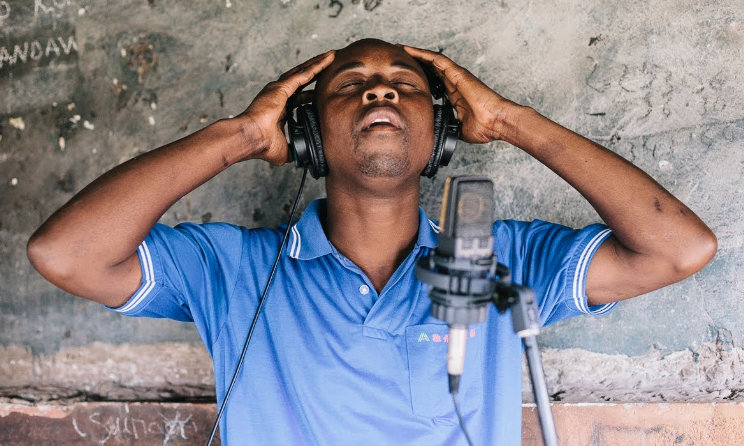
Despite many years of instability in Mozambique, there is cause for optimism, particularly with the emergence of successful record labels and innovative mobile recording studios such as Wired For Sound[15]. In addition, the encouraging trend of rising digital music sales could reduce the effects of piracy on the country's recording industry by eliminating the illegal manufacturing of CDs from the supply chain[16].
Resources and citations:
- [1] Laranjeira, Rui. A marrabenta sua evolução e estilização, 1950 -2002. Maputo, Independent Edition: 2014
- [2] https://www.discogs.com/Orquestra-Djambu-Marrabenta/release/7639071
- [3] https://en.wikipedia.org/wiki/Mozambican_War_of_Independence
- [4] http://www.politicsweb.co.za/opinion/frelimos-1977-guidelines-for-a-peoples-democracy
- [5] Laranjeira, Rui. A marrabenta sua evolução e estilização, 1950 -2002. Maputo, Independent Edition: 2014
- [6] https://en.wikipedia.org/wiki/Mozambican_Civil_War
- [7] https://www.peoplesworld.org/article/remembering-mozambiques-forgotten-socialist-years/
- [8] Savana, 2015:13
- [9] http://br.monografias.com/trabalhos-pdf/impacto-pirataria-industria-discografica-mocambicana/impacto-pirataria-industria-discografica-mocambicana.pdf
- [10] https://noticias.mmo.co.mz/2017/06/inae-apreende-discos-pirateados-em-maputo.html
- [11] https://mg.co.za/article/2001-11-16-at-the-heart-of-marrabenta
- [12] http://mozentretenimento.co.mz/as-3-grandes-labels-de-descoberta-de-talentos-em-mocambique/
- [13] https://www.news24.com/MoveMag/Archive/dama-do-bling-20170728
- [14] https://daily.bandcamp.com/2017/07/07/kongoloti-records-label-profile/
- [15] https://www.theguardian.com/world/2013/sep/17/mozambique-wired-for-sound
- [16] http://clubofmozambique.com/news/music-sales-hit-record-high/
Disclaimer: Music In Africa's Overviews provide broad information about the music scenes in African countries. Music In Africa understands that the information in some of these texts could become outdated with time. If you would like to provide updated information or corrections to any of our Overview texts, please contact us at [email protected].
Editing by David Cornwell


Most popular

Top Naija songs of 2026
31 Mar 2026

Top Afrobeats songs of 2026
19 Mar 2026

Ghana: Mr Eazi and MOLIY’s ‘Comfort’ earns Urban Music Awards nomination
21 Oct 2026

Top amapiano songs of 2026
16 Feb 2026

Open call: CANEX Music Business Lab and Songwriting Camp
15 Oct 2026

Nigeria: CANEX WKND unveils 2026 programme
21 Oct 2026
Disclaimer: Music In Africa provides a platform for musicians and contributors to embed music and videos solely for promotional purposes. If any track or video embedded on this platform violates any copyrights please inform us immediately and we will take it down. Please read our Terms of Use for more.

Subscribe to our monthly Newsletter
Follow us on social media


Please log in to post a comment.