




































NEFCISA
NEFCISA

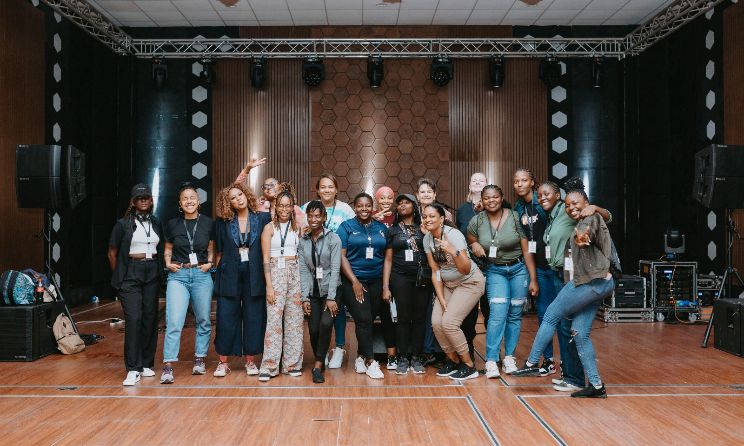
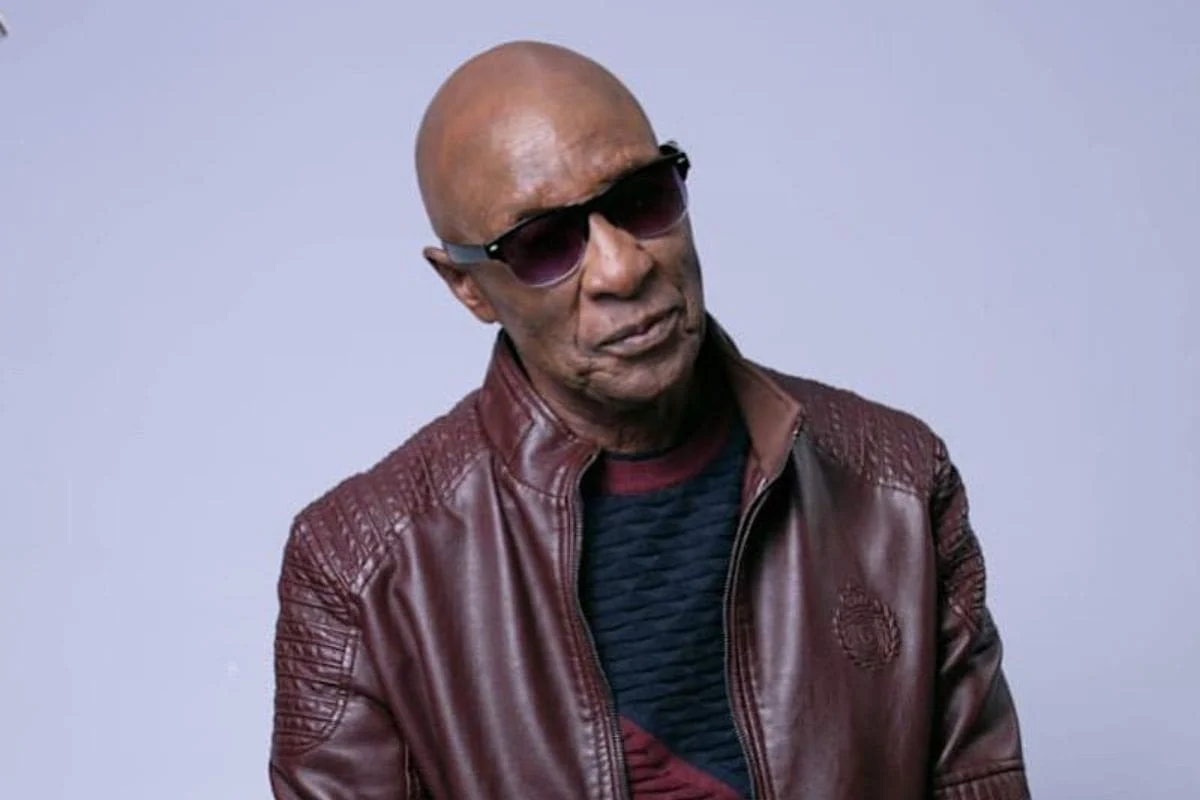
The Music In Africa Foundation (MIAF) is proud of its partnership with the Industrial Development Corporation (IDC) as a Strategic Implementing Partner (SIP) for its Social Employment Fund (SEF). Through this collaboration, MIAF is running a national programme that is creating jobs, addressing skills gaps, and strengthening South Africa's creative industries — in line with the SEF's overarching goal to generate work for the common good and build community value through employment, social contribution, and inclusive economic participation. Operating under the banner NEFCISA (National Employment Facility for Creative Industries in South Africa), the initiative is recruiting and training participants, matching them with host organisations, and has already placed 1 500 workers across the country — surpassing its original target of 1 000. NEFCISA is delivered through a network of 20 host organisations spanning five provinces, who are actively hosting participants and contributing to work for the common good across South Africa's creative and cultural industries. Key Objectives: Support employment and entrepreneurship in the creative industries. Offer skills development and training programmes. Foster partnerships between public and private creative sectors. Promote South African creativity at both provincial and national levels Foster community development through social contribution.

ACCES
ACCES

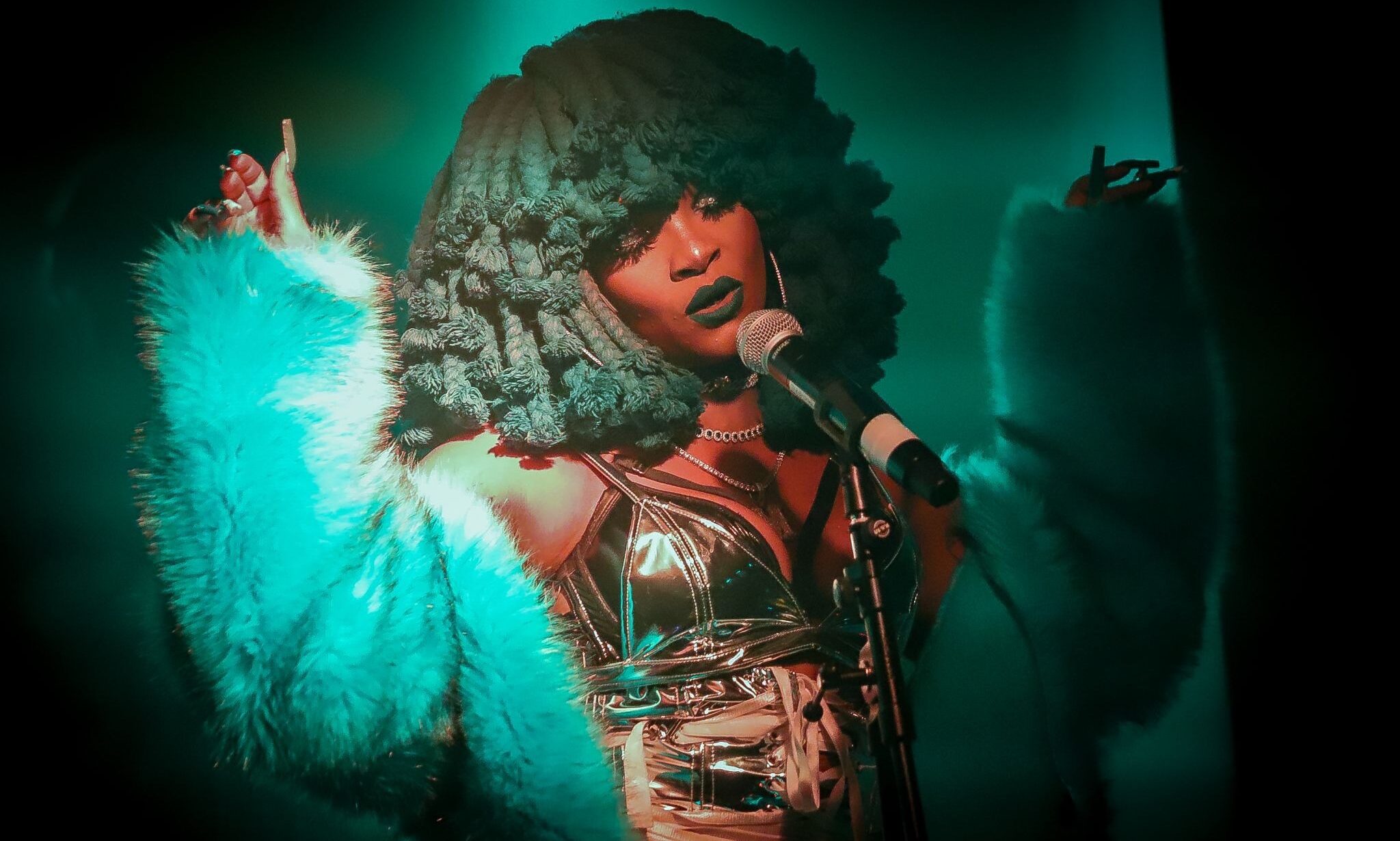
ACCES Conference and Showcase Festival is Africa's leading music industry gathering, bringing together the people shaping the future of the continent's music business. Artists, entrepreneurs, executives, investors, policymakers and cultural leaders from across Africa and around the world come to ACCES to build partnerships, exchange ideas, discover talent and create new business opportunities. Since its launch in 2017, ACCES has become the continent's premier platform for professional exchange and music market development. Combining a high-level conference with a curated showcase festival, networking, exhibitions and industry programmes, ACCES offers a unique space where creativity meets business and where African music connects with the global industry.

Gender@Work
Gender@Work

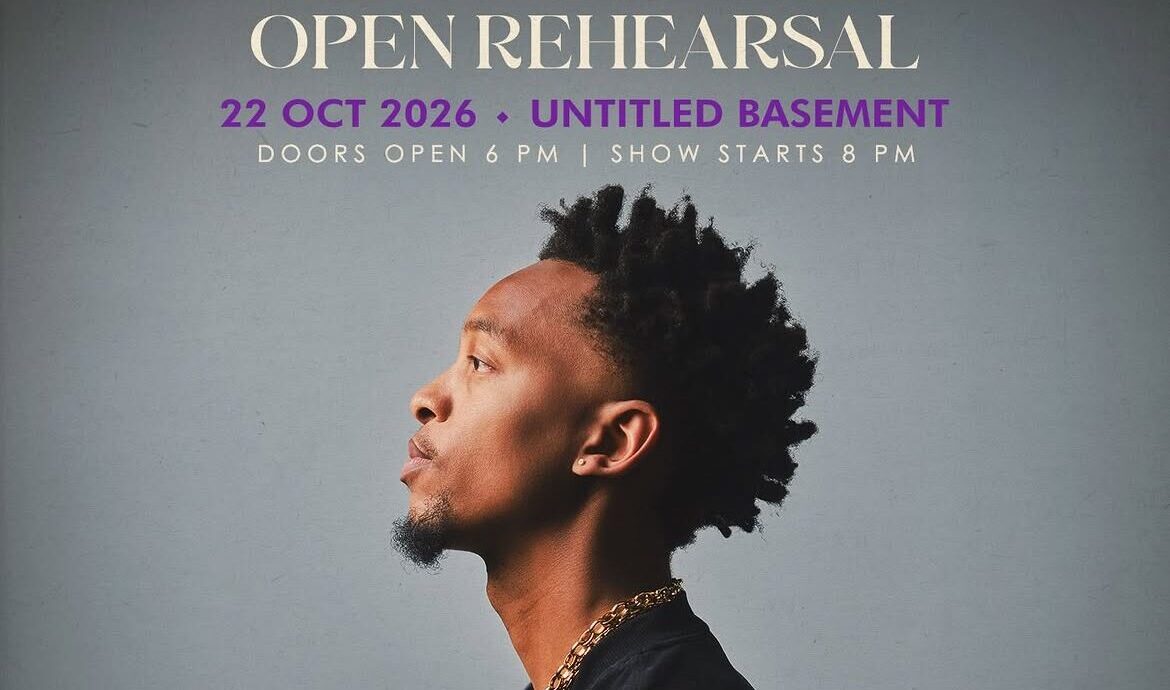
Music In Africa Gender @ Work is a three-year training programme aimed at upskilling and increasing the participation of female professionals in the African music sector. Launched by the Music In Africa Foundation (MIAF) in April 2019, the programme is connected to the MIAF’s ACCES music conference – a pan-African event held in a different African country every year. This connection enables the programme to reach new participants in a different African country every year. The programme marks the beginning of a more concerted effort by the Foundation to support the participation and inclusion of women in all facets of its programmes and the music sector in Africa as a whole. Over the three years, the programme will aim to address gender imbalances in the sector through training, lobbying, facilitating knowledge exchange and dialogues that foster the interest of women. The broader objectives of the programme are to: Provide industry training for women on critical music industry skills, focusing on: Stage management Electronic music production and recording Music business management Technical knowledge Provide an opportunity for both professional and aspiring women to benefit from the Music In Africa network and its broad range of activities in 2019, 2020 and 2021. Provide a solution-based platform in the form of a round table at ACCES with a view to identify challenges, discuss opportunities and lobby for the interests of female practitioners. Offer participants the opportunity to benefit from programmes offered by MIAF’s partners. Increase access to educational materials. Integrate participants in the broader ACCES programme to maximise experience and exposure to the industry. Record and present training materials on the www.musicinafrica.net, including but not limited to tutorials, templates and other best-practice materials. Communicate women-based themes that support the initiatives and messages of the programme. MAIN TRAINING ACTIVITIES Training in first country (Ghana): In the first year, participants will be trained on all aspects of stage management by a team of experienced stage managers from 10 to 17 November 2019. The programme will offer robust classroom training as well as practical, hands-on training in which participants will also be given the opportunity to manage various aspects of the ACCES performance programme. Training in second country: The second training iteration will take place at ACCES 2020 when the programme will diversify its course to include music production lessons and training on other music business topics. A round-table platform will also be introduced to coincide with the ACCES programme. Training in third country: The third training iteration will take place at ACCES 2021 in a different country, offering an advanced course. HOW DO YOU GET INVOLVED?  As a participant, facilitator or trainer: The programme enrolls up to 12 trainees every year. All opportunities are advertised publicly on this website, and will be added to this page. Please keep checking this page for new calls (below under UPDATES & CURRENT OPPORTUNITIES). As a partner Please contact Claire Metais at [email protected]. APPLY The call for applications for 2020 will be announced soon. The Music In Africa Gender @ Work programme is made possible with the support of the Prince Claus Fund, Siemens Stiftung and Goethe-Institut.

Sound Connects Fund
Sound Connects Fund

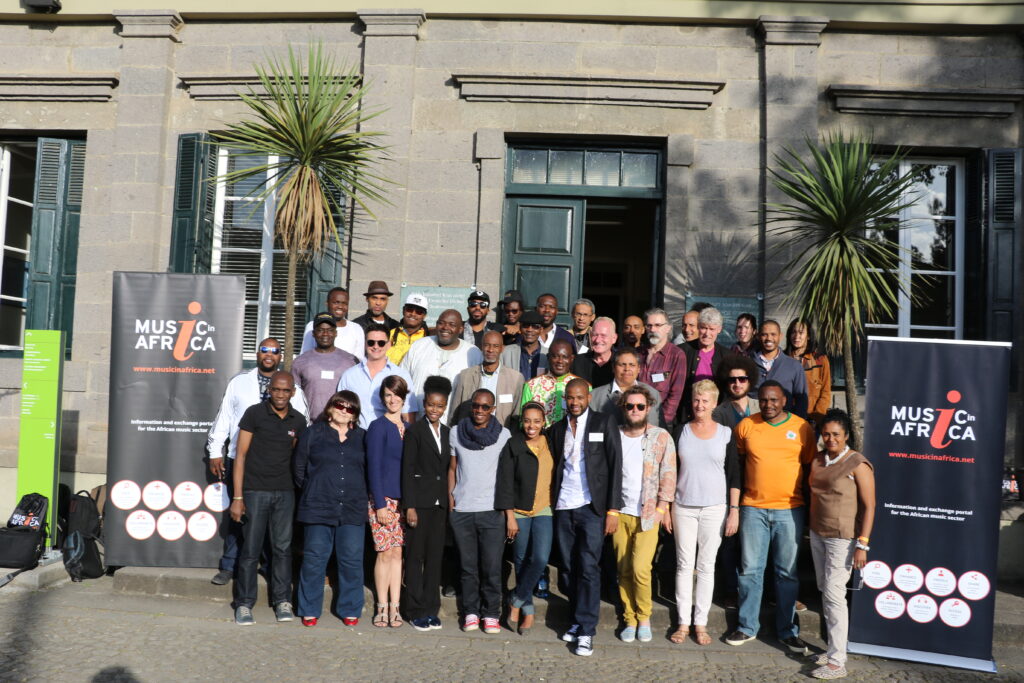
For cultural and creative practitioners and organisations operating in southern Africa, access to funding remains a major challenge. The COVID-19 pandemic has also had a massive impact on government policy, spending and the economy in general, and has seen spending on culture being moved further down the list of priorities. Further, the cultural and creative industries repeatedly cite four main areas where investment is needed for growth, which are increased visibility, mobility including access to new markets, finance and support structures.

Instrument Building And Repair Project

Experience the Vibrations African Instruments Exhibition online in 3D

Features

Rock music in Egypt: a challenging adventure
29 May 2015 - 13:08

cc-img flag-img

By Shereen Abdo

Many North African musicians have adopted musical forms considered foreign to Arab culture - like rock music - and have attempted to “Arabize” them. Merging styles in this way requires a lot of effort and a great deal of knowledge of both the local musical heritage and the style being adapted. It requires an artistic vision that may lie in the lyrics or the nature of the tunes. The degree to which these standards are achieved can make or break this merger.
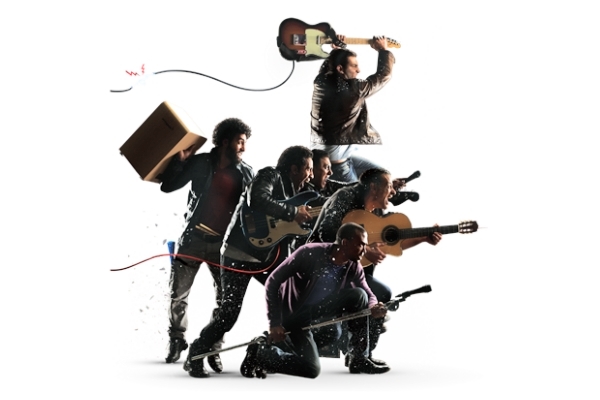
Egyptian rock band Cairokee. Photo: hotarabicmusic.blogspot.com

The Arabic Oud

The origin of the oud (lute), for example, is very hard to trace, and it is not unique to one country, Arab or otherwise. Most cultures have their own version of the Oud. For example, Egyptians have a musical tradition (songs by storytellers, Bedouins and Upper Egyptians) that can only be played with the Oud. Consequently, this instrument has been an essential part of the Egyptian culture. However, self-expression only through the instruments we invented seems limited. Sometimes your grief can be expressed by the Oud. Other times, your rage is better expressed with an electric guitar. Thus, attempting to limit a certain instrument or musical mode to a certain tune may be successful if compared with an attempt to copy a foreign example without adding any personal touches. Listening to music after these changes took place in society is a thorny issue, related to different political and economic factors that play a key role in the acceptance or rejection of this music. Even though rock-inspired music has become popular in Egypt, there was clear resistance to it at the beginning.

Western instruments have been introduced to popular or commercial songs, producing valueless and talentless music. However, musicians still attempted to keep the Arab rhythm in their songs to avoid alienating the audience. More open Arab societies, perhaps for geographical reasons and for mixing with other cultures, have developed rock and rap music, creating completely new music genres. In Algeria, for instance, rock is paired with rai music in the songs of Rachid Taha, Cheb Khaled or others.

The reason why many North African musicians chose rock in particular cannot be understood without reflecting on the revolution and its political, social and economic circumstances in the Arab world. This revolutionary state - and the ambition of musicians to become stars on the stage by playing the guitar - both explain the trend, which in most cases was limited to instruments and rhythms, without the same tunes or musical phrases. If we look at the works of Sayed Darwish and Sheikh Imam, we can find examples of early Egyptian rock. Their songs can be remixed using rock instruments and musical phrases (which we have seen in some new examples), reclassifying them as modern music that simulates the fast pace of the modern age and expresses the current revolutionary state through the power of instruments and lyrics.

Adapting rock

Looking at current examples in the North African music scene (mostly independent or semi-independent), the main point of weakness in any rock experience lies in how language deals with rhythm. Rock music is not based on Arabic lyrics, even though some Arabic dialects lend themselves to its rhythm, including the Algerian, Tunisian and Lebanese dialects. However, no one has managed to adapt the Egyptian dialect to rock music. But perhaps the opposite can work: adapting rock tunes to the Egyptian dialect. However, this may lead to a fake adaptation, where the musician would force the tune into consistency with the lyrics. In addition, this can work in terms of pronunciation only, not in terms of the spontaneity of music. It can also be flexible for those who master it, allowing for rock music with the Upper Egyptian dialect, for example.

One cannot deny that rock is currently widespread in Egypt, but other factors have to be taken into consideration. The influence of those with money - who in turn enjoy an extent of control that enables them to promote a certain culture - also contributed to the spread of rock music in the country. The country's domestic and foreign policies also play a key role, as they permit a certain culture or music genre to gain popularity in the country, while restricting other genres. In other words, just like certain types of food are imported, certain music genres are also imported, the strongest of which will dominate. It does so not as a culture (because there is no competition with indigenous cultures), but as an item for consumption, subject to propaganda that determines how popular it will become.

Reflecting on the current Egyptian music scene, it appears that rock music has had an ideal opportunity to present itself, among other music genres and cultures. It may have declined slightly due to technology and the availability of home production tools, allowing producers to easily upload their work online, but rock arguably remains ahead of other genres in the commercial music business.

Originally published on 18 March 2015 on al-Araby.

Please log in to post a comment.

Most popular

Disclaimer: Music In Africa provides a platform for musicians and contributors to embed music and videos solely for promotional purposes. If any track or video embedded on this platform violates any copyrights please inform us immediately and we will take it down. Please read our Terms of Use for more.

newsletter banner

Subscribe to our monthly Newsletter

Follow us on social media