


















































Senegalese rappers ‘cry from the heart’ for justice
16 Feb 2018 - 12:18


By Zachariah Mampilly
American musicians were once integral to political activism. The march for jobs and freedom in Washington in 1963 is recognised as a seminal moment in American history and a triumph for nonviolent resistance. Harry Belafonte, then a 36-year-old superstar of music, television and film, was at the forefront, served as a confidant to Martin Luther King and helped bankroll the Black Freedom Movement. Today a few American artists are willing to take such an active role in political struggles.
But across the Atlantic musicians in many African countries are in the vanguard of popular struggles, not only providing a symbolic soundtrack but also marching on the frontlines and leading social movements.
Take Nigeria, where Seun Kuti carries on the legacy of his father Fela Kuti by confronting the country’s venal political elite. In Burkina-Faso rappers helped overthrow former president Blaise Compaore.
In Africa’s newest country, South Sudan, a collective of musicians and artists such as Ana Taban has emerged. These artists are the new critics of the country’s kleptocratic rulers. And in Tanzania, the legendary father of Swahili hip hop and opposition member in parliament, Sugu, sits in jail. He was accused of insulting the country’s increasingly autocratic president John Magufuli.
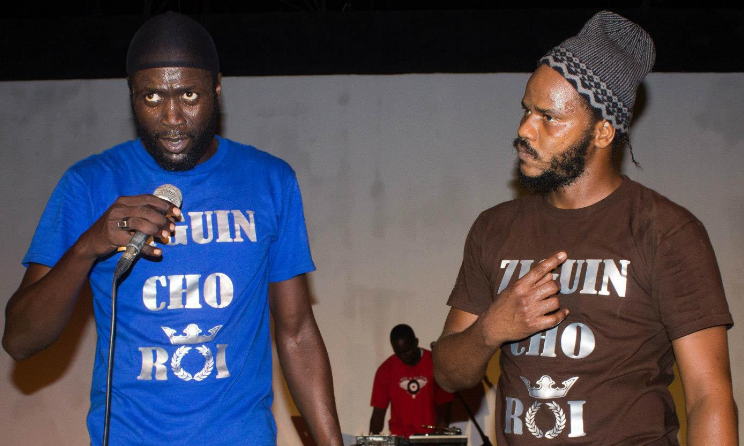
One of the most notable examples of artists in the Belafonte mould is the music duo Keur Gui that consists of rappers Thiat and Kilifeu from Dakar, Senegal. Already among the most popular in Senegal’s lively hip hop scene, their profile grew exponentially during the massive protests against former president Abdoulaye Wade when he attempt to steal a third presidential term in 2011.
Activism on a truck
Keur Gui joined other musicians and journalists to form the Y'en a Marre (Fed Up) movement to mobilise youth against Wade in 2011. During their campaign, Keur Gui recorded songs that became a cri de coeur (cry from the heart) of the broader movement.
The group toured the country in a flatbed truck with a built-in sound system Along with other musician-activists: playing in small towns and rural villages and bringing their message to distant communities. This was essential in a country where the average age is just over 18 and 70% of the people live in rural areas.
Thiat was arrested and detained following a rally in Dakar’s Obélisque Square for allegedly calling the President a liar and saying the then 85-year-old was too old to govern. Y'en a Marre’s actions were crucial in ensuring Wade’s defeat and his replacement by current Senegalese President Macky Sall.
Rather than rest on their laurels Keur Gui, especially the charismatic Thiat, has continued its activism. In Senegal where politicians have historically sought to legitimatise their governments by co-opting popular musicians, Keur Gui was offered a share of the spoils of the new regime. They refused, and insisted that their vision was never to simply change elected leaders – Y'en a Marre pushes for a vision of democratic transformation beyond the ballot box.
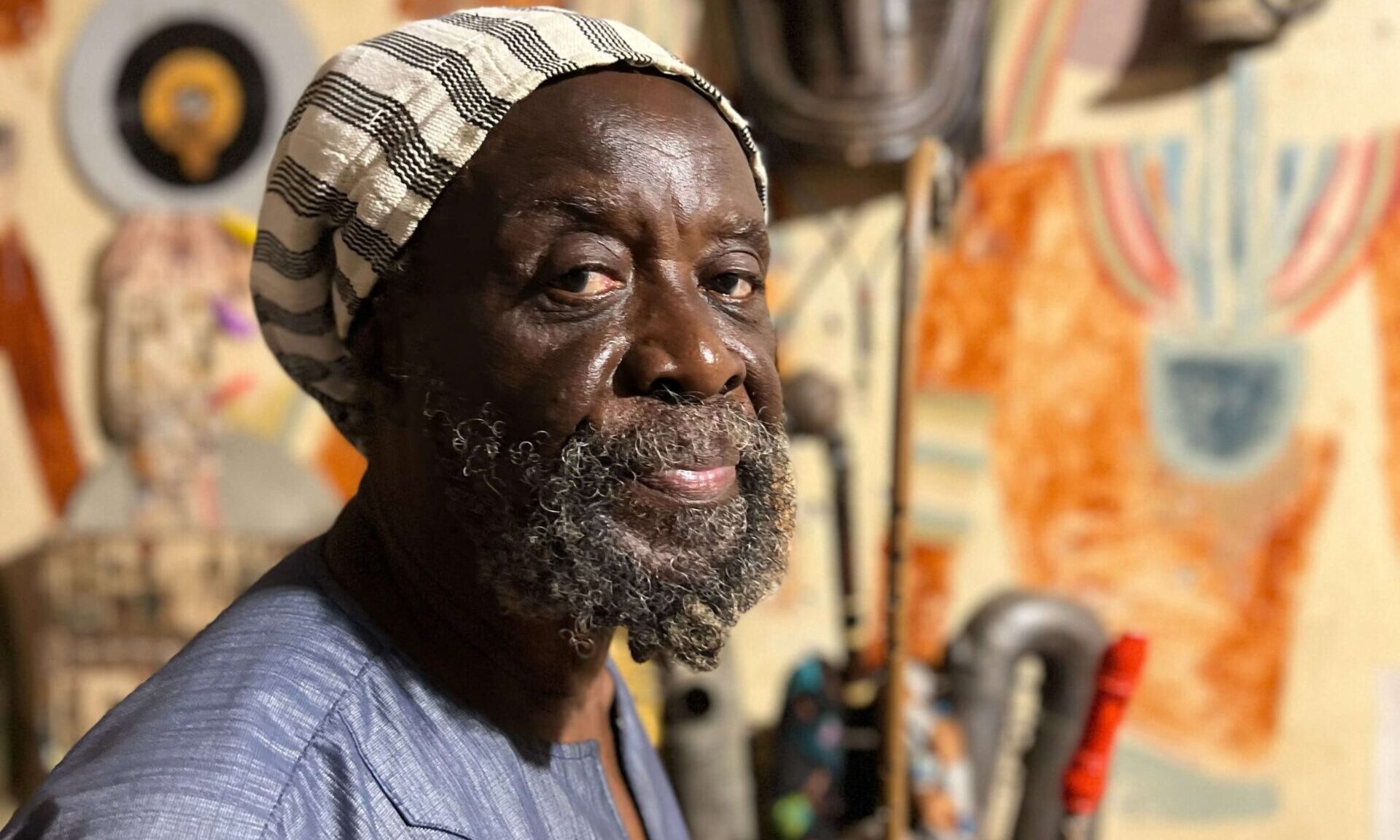
Inspired by legendary pan-Africanists such as Amilcar Cabral, Thiat, who wears a simple woollen hat reminiscent of the one made famous by Cabral, has organised and supported other artist-led social movements in Africa including Balai Citoyen in Burkina Faso.
Keur Gui released a follow up album featuring the single Diogoufi (Nothing has changed) in 2014
Shot with the aesthetic sensibility of a film by the Senegalese director Ousmane Sembene, the video begins with Thiat sitting outside a store while ordinary Senegalese try and fail to purchase basic goods. Thiat offers frustrated commentary about the failure of the new political leadership to bring about change, over a mournful piano loop (translations of the original Wolof and French lyrics were provided to me by Thiat):
Same electoral promises
Same selling of our lands
The country’s in total chaos
It’s only two years and we’re already fed up.
Senegal boasted a robust and diverse economy that posted impressive growth through the 1980s. But decades of austerity programmes have left the government indebted to foreign donors and largely incapable of providing basic social services.
While cognisant of the role the international community has played in Senegal’s impoverishment, Thiat’s lens always remains sharply focused on the failings of the country’s political elite:
A government pushed into power by accident
They fail in their duty
Lazy regime
No vision
Permanent mess
No solutions
Get out of here!
Kilifeu's gritty melodic cadence balances Thiat’s straight delivery and echoes his calls for a new vision and political leaders in his lacerating verses:
The leaders hang on to the power
In spite of the opposition of the population
Politicians are all the same, no difference
Only broken promises and lies
We are fed up of your nonsense
We really need change.
Cynical manoeuvres
The international community remains committed to a vision of democratic reform for Africa that centres on electoral competition over empowering ordinary people. Political elites circulate between political parties while engaging in cynical institutional manoeuvres that further entrench their power.
Even where regimes blatantly violate any notion of the democratic process in places such as Rwanda, Kenya and the Democratic Republic of Congo currently, diplomats insist that elections equate democracy – going as far as telling protesters to ‘stand down’ as a leading Congolese activist recently told me.
“There are no other options but elections,” they suggest. The truth is that we’ve failed to recognise the new political visions being articulated by young musicians and activists across the continent. Instead of lecturing them on how things should be, perhaps it is time for us to just listen.
This article is part of a series featuring Songs of Protest from across the world, genres and generations.
Zachariah Mampilly is a professor of political science and Africana studies at Vassar College. This story was first published on The Conversation.


Most popular

Ghana: Mr Eazi and MOLIY’s ‘Comfort’ earns Urban Music Awards nomination
21 Oct 2026

Top Naija songs of 2026
31 Mar 2026

Top Afrobeats songs of 2026
19 Mar 2026

Top amapiano songs of 2026
16 Feb 2026
Open call: CANEX Music Business Lab and Songwriting Camp
15 Oct 2026
Nigeria: CANEX WKND unveils 2026 programme
21 Oct 2026
Disclaimer: Music In Africa provides a platform for musicians and contributors to embed music and videos solely for promotional purposes. If any track or video embedded on this platform violates any copyrights please inform us immediately and we will take it down. Please read our Terms of Use for more.

Subscribe to our monthly Newsletter
Follow us on social media


Please log in to post a comment.