















































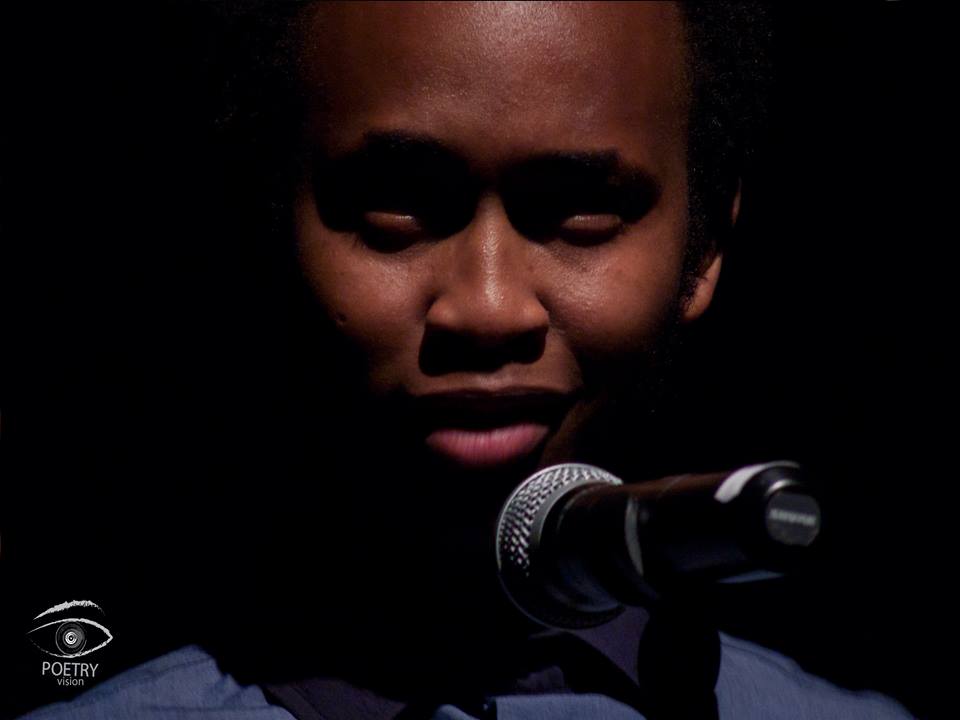


Stellenbosch University's musicology department has now included a course on South African music.
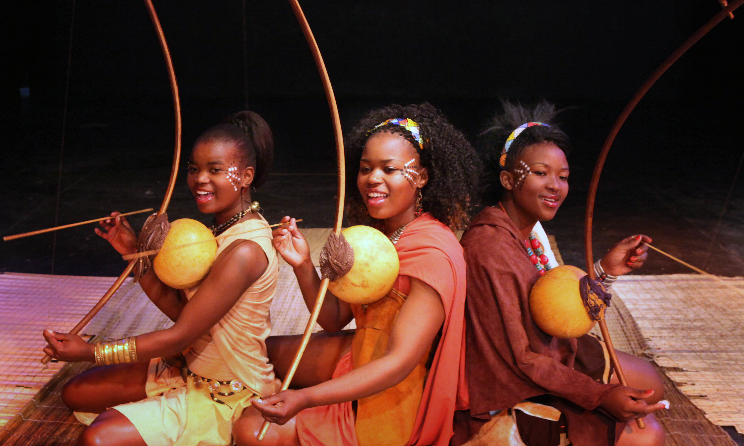
The course will be packaged into two parts. In the first, students will be taught about South African composers such as William Henry Bell, Arnold van Wyk, Michael Moerane, Andile Khumalo, Roelof Temmingh, Jeanne Zaidel-Rudolph and Hendrik Hofmeyr. The second half of the curriculum will include lectures on early traditional music in South Africa.
Music lecturer Ncebakazi Mnukwana said: “What we term African indigenous music, its vocal polyphony, bow music and harmony is taught as a tool to investigate the African idiom in compositions such as those of Ntsikana the Great Hymn Ulo-Thixo Omkhulu.”
Previously the university’s music department offered indigenous African music and marimba playing as part of the music education specialisation.
Mnukwana said the traditional ethnomusicology, which studies people and their cultures through music, was filled with the theoretical underpinnings of African traditional music. But through studying traditional ethnomusicology she has been able to find musicological links that looked at how people’s lives informed traditional African music.
It is not the first time African music has been introduced to the university. “African music teaching had occurred during the 1990s on an ad hoc basis at our music department," Mnukwana said. "With my arrival at the department, better plans have emerged where initially we were training in-service teachers from the Western Cape education department from 2009 to 2012. We hope to soon establish more modules so that Western Classical Art music is taught parallel with African indigenous art song or musical art.”
The introduction of African indigenous music has been introduced as a component of the decolonisation discourse that has been happening on South African university campuses.
“African music has thrived despite colonisation and apartheid in South Africa. Hence it needs to be appropriate correctly and ethically for classroom use. This begins with the African child collecting the data and making such music a research interest otherwise it will take much longer to decolonise the curriculum at our universities,” Mnukwana said.


Most popular

Call For Applications : ACCES seeks a UK-based performer
10 Sep 2026

Top amapiano songs of 2026
16 Feb 2026

Top Afrobeats songs of 2026
19 Mar 2026

AFRIMA 2026: All the winners
12 Jan 2026
Open call: Goethe-Institut grants for Southern African creatives
08 Sep 2026
Open call: Ernst von Siemens Music Foundation 2026 funding programmes
04 Sep 2026
Open call: FAME Week Africa, Pressure Cooker Studios songwriting camp
09 Sep 2026
Disclaimer: Music In Africa provides a platform for musicians and contributors to embed music and videos solely for promotional purposes. If any track or video embedded on this platform violates any copyrights please inform us immediately and we will take it down. Please read our Terms of Use for more.

Subscribe to our monthly Newsletter
Follow us on social media


Please log in to post a comment.