












































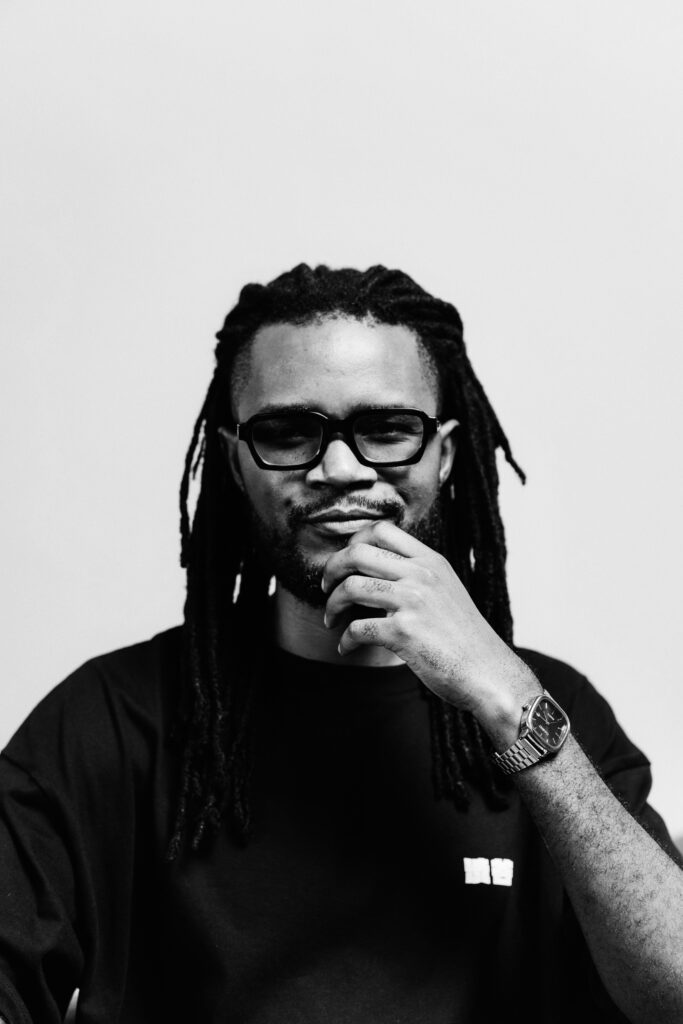


With over 80 traditional dances, Malawi is a country with diverse cultural beliefs and practices. This text provides an overview of some of the country’s traditional dances in order to illustrate the country’s diversity.
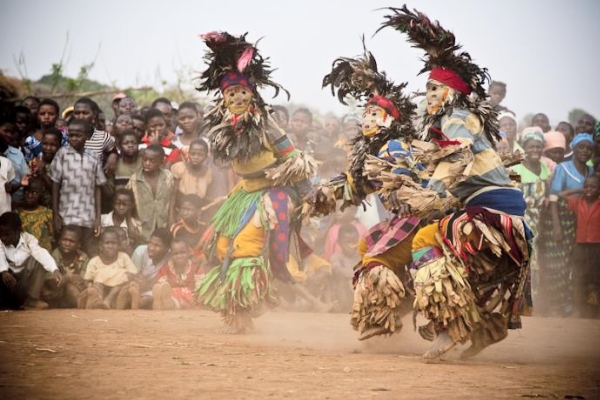
These dances are performed on various occasions and for different reasons and are based on the beliefs of a particular tribe. For all the many tribes in Malawi, traditional dances are performed for a particular function or ceremony – for example during funerals, initiation ceremonies or harvest time. These are periods of unity, when families or villages come together, feast and resolve their differences. Some traditional dances are performed by everyone, while others are for particular people, based on their meaning and significance to the community.
Chewa: Gule Wamkulu
Among the Chewa tribe, Gule Wamkulu (translated as the “Great Dance”) inherited from the tribe's past is performed in a circumstance. The Chewa believe that life exists not only with the living but also within their ancestors and those not yet born. The secret society of initiated Chewa, known as the Nyau, believe in communicating with the dead, or their spirits, calling this act pemphero lalikulu ("Great Prayer"). The masks worn by the dancers on such performances are in the form of animals such as antelopes, believed to capture the spirit of the deceased that brings renewed life. The purpose of the dance is said to be a way of communicating messages of the ancestors to the villagers and making possible continued harvests and continued life.
Although it is also performed during initiation ceremonies, funerals, initiations and the installation of a new chief, during each harvest season, a chief or mwini mzinda - a guardian of the dance - calls for the dance to start. Some seasons start following the farming calendar and vise versa. This is due other aspects that are put into consideration which include weather, and the education calendar. But for some parts it lasts for a shorter period. During this period, the village reproduces the symbolic elements of the older cultural way of life.
Every Chewa boy is required to undergo initiation and thereafter considers himself a member of the Gule Wamkulu society. Amongst the Chewa, Gule Wamkulu is also considered their religion as it almost involved in almost each and every way of their life. Since 2005, Gule Wamkulu has been classified as one of the 90 Masterpieces of the Oral and Intangible Heritage of Humanity, a programme by UNESCO for the preservation of intangible cultural heritage.
Chewa: Chisamba
To compliment Gulewamkulu, Chisamba is a female initiation ritual among the Chewa tribe. Chisamba is very popular in the Central Region of Malawi where the Chewa are found. The ritual takes place at a tree of maidenhood (Mtengo Wa Anamwali). Here, girls receive instructions on the protocols of womanhood. This includes many warnings of the presence of predatory males who look to them for sexual satisfaction. During Chisamba, girls undergo their own transformation into women. They are stripped of their clothes in the insignia of Gule Wamkulu. The most important insignia is the animal figurine (chingondo) placed on their heads, a representation of a hare, a serpent or an elephant, the three most prestigious beasts of the night.
The dance that accompanies this process is also known as Chisamba. It is performed by women, led by a senior woman, usually the chief's sister (known as Namkungwi). During Chisamba (both the initiation and the dance), women who act as the instructors of the young girls escort them into the adult community. Everyone descends on the chief's courtyard to witness the ceremony. Through primarily an initation ritual, Chisamba dance is also performed at the funerals of chiefs and important individuals in the village, and it is also common to find Chisamba dance being performed for entertainment at important occasions.
Ngoni: Uyeni
For many tribes, traditional dances by young members of the community are not only for entertaining the village but are to be performed at various social occasions with different meanings. For example, Uyeni is a Ngoni dance that is performed by girls during the installation of a chief. Young girls perform the dance barefoot with their breasts exposed. The dancers accompany the king to the Bwalo, or the coronation ground. As per traditional beliefs, this cements the notion that women are custodians of culture.
Balambia: Sendemule
Sendemule is a traditional dance performed by the Balambia people of Chitipa in northern Malawi during funerals, chief installation ceremonies and for entertainment. When Sendemule is performed at funerals, the songs are appropriately mournful, and when it is performed at a chief's installation ceremony or when a dangerous animal like a lion is killed, the songs depict triumph. Today Sendemule is performed at many social gatherings, where the dancers usually dress casually.
Tonga: Chilimika
The Chilimika dance by the Tonga tribe is from the Northern region of Malawi, Nkhata Bay in particular. It is performed by young boys and girls at the beginning of each year - no wonder then that the name is translated into English as 'year'. This dance gives room to the young generation to entertain the older generation of a particular community. It is a platform whereby parents and grandparents appreciate the inheritance of traditional rituals by the younger population.
Sena: Likhuba
Some dances are performed to cure diseases and psychological illness. For example, Likhuba, a traditional dance among the Sena tribe from the Lower Shire in southern Malawi, aims to cure psychological illness in women. It is largely an acrobatic demonstration of male prowess and at the end of the day, a woman was indeed cured. Unfortunately, these days it is performed just for entertainment on a particular occasion.
Tumbuka: Vimbuza
Among the Tumbuka tribe from northern Malawi, Vimbuza dance is performed for healing. The healing ritual dates back to the mid-19th century, when it developed as a means of overcoming traumatic experiences of oppression, specifically British occupation - although it was forbidden by Christian missionaries.
Most patients are women who suffer from various forms of mental illness. They are treated for some weeks or months by renowned healers who run a temphiri, a village house where patients are accommodated. After the diagnosis has been made, patients undergo a specific healing ritual. Women and children of the village where the temphiri is located form a circle around the patient, who slowly getting into a trance, and sing particular songs in which helping spirits are called. By becoming possessed by Vimbuza spirits, people who have experienced mental harm could express this in a way that was accepted and understood by the surrounding society.
For the Tumbuka, Vimbuza is both an artistic production and a therapeutic approach. It is regarded as a useful complement in cases where other forms of medical treatment do not prove successful. Its continually expanding repertoire of songs, its complex drumming tradition and the virtuosity of the dancing are all part of the rich cultural heritage of the Tumbuka. Vimbuza is still practiced in rural areas where the Tumbuku live, but faces severe opposition by Christian churches and missionaries - and sometimes doctors propagating modern psychiatric treatment. Environmental degradation is another problem since healers find it more difficult to find the necessary plants used in their traditional medicine in the Vimbuza healing ritual. Many people who are not conscious of the medical benefits of Vimbuza reduce it to a form of entertainment without recognizing its spiritual character and effects.
The dances outlined above are some of the dances that influence the music of Malawi. Many of today’s popular urban artists are following the path of their traditions. A good example is rapper Tay Grin (real name Limbani Kalilani), who adopted his native Gule Wamkulu and fuses it with hip-hop to make his own sound. Local music and traditional dances seem to be going hand in hand, which is helping to preserve the magic and memories that these dances hold.


Most popular

Top Naija songs of 2026
31 Mar 2026

Top Afrobeats songs of 2026
19 Mar 2026
Ghana: Mr Eazi and MOLIY’s ‘Comfort’ earns Urban Music Awards nomination
21 Oct 2026

Top amapiano songs of 2026
16 Feb 2026
Open call: CANEX Music Business Lab and Songwriting Camp
15 Oct 2026
Nigeria: CANEX WKND unveils 2026 programme
21 Oct 2026
Disclaimer: Music In Africa provides a platform for musicians and contributors to embed music and videos solely for promotional purposes. If any track or video embedded on this platform violates any copyrights please inform us immediately and we will take it down. Please read our Terms of Use for more.

Subscribe to our monthly Newsletter
Follow us on social media


Please log in to post a comment.