




























































Uganda’s Sandra Nankoma talks about African women in music
08 Mar 2019 - 10:31


If you walk up to most musicians and ask them what they would like to achieve in their music careers, chances are they'd say: “Win an award”.
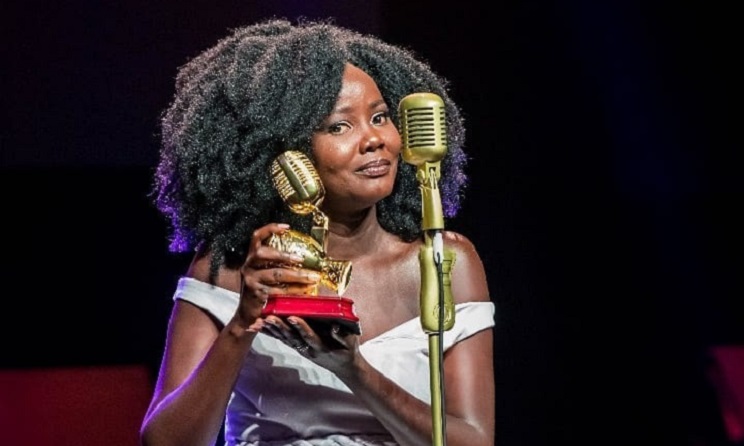
In 2018, Ugandan singer-songwriter Sandra Nankoma became the first East African musician to win an All Africa Music Awards (AFRIMA) for Best Female Artist in the African Inspiration Music. Now all eyes are on her, although she says she's far from having reached the pinnacle of her career. Nankoma has been making music and performing live for about six years. Her music is rich in raw vulnerability and her lyrics impassion conversations around skin colour discrimination among black Africans – a topic she feels a deep need to talk about after she was bullied in school because of her dark complexion.
Music In Africa spoke to Nankoma ahead of International Women's Day and the charismatic artist took the opportunity to speak to fellow women in the industry.
MUSIC IN AFRICA: What does Internatonal Women's Day mean to you?
SANDRA NANKOMA: It reminds me of all the women who have paved the way for me, such as Miriam Makeba, Wangari Maathai, Chimamanda Ngozi and many others. This day is also a celebration of women who have done extraordinary things and excelled in fields that were previously dominated by men. Today is also a day to remember all the mothers that sacrificed their happiness and freedom to ensure that their children got the best life. There are among us but we rarely acknowledge them.
What is it like being a female singer in Uganda?
Generally, the music industry is still male-dominated, but discrimination feels like it is on the way out. We have more women winning awards and being appointed brand ambassadors. This I believe is progress. Society is also supportive. However, my style of music is yet to 'blow up', but some venues are trying to promote such genres.
How would you describe the music you compose?
The music I have composed is categorised in our industry as Afro-soul/jazz. I highlight issues that anyone from my society can resonate with. I could say that in most of my songs, I am more about asking questions then giving the answer, whether the song is socially conscious or about love.
Have you ever ran out of musical ideas?
Oh yes! It is normal to go through periods that you feel empty. The solution I have developed for this is to be persistent. I just keep visualising the outcome I want and practice patience.
You have previously said that female artists are still struggling to break through. What should be done to level the playing field?
I believe that only we can help ourselves. What lacks most among female artists is support for each other. When a fellow artist has a new project or concert, be their media representative. Talk about it and direct contacts to them who will help elevate the project. Do not just sit back and watch. The world will not do it for us.
Secondly, we need to collaborate and release songs. Female collaborations are very rare, especially between established and upcoming artists. I think if we achieve this, we will be unstoppable. And lastly, I would advise my fellow artists to have excellent public relations skills. Having good relations in this industry goes a long way.
You speak as though you are a woman of the people.
[Laughs] Yes I am. It is hard to be stranded musically when you are surrounded by the right people! Never be afraid to make friends in the industry, they make us! And it’s through these interactions that we learn about opportunities. For example, my recent Zanzibar circuit tour was through Kenyan musician Makadem. He shared my press kit with a person he thought would book my kind of music, and it happened. I am very grateful for this. In 2017, Suzan Kerunen channeled my first project with the French Institute, and it was through her that I learnt about the Visa for Creation Award. So, I applied for it and boom I qualified. It is incredible how the world operates, interaction is essential.
What is your advice for aspiring female musicians?
First, I must say that we are in an exciting time to be artists, especially if one is self-motivated and eager to learn and work very, very hard. Secondly, learn to record your own music and stay independent-minded. Do not be swayed by mainstream music because there are also tremendous opportunities for music exposure apart from the media. People are our greatest resource, and from them we get all our opportunities.
If you could go back and do it all over again, is there anything you would do differently in terms of your music career?
It’s hard to say because looking back all the things I have done provided a certain level of learning that I needed to grow and move on to the next step. However, something that I have always wished I did was stick to my birth names. I started off as Sandy Soul. At the time, I was expressing an image in my mind that was too far-fetched from the person I am today.
Of all the songs that you have composed, 'Kaddugala' seems to be your favourite, and you received an AFRIMA for it last year.
'Kaduggala' is the story of my life and many black girls around the world. I push it a lot on social media. Perhaps that is why it comes out as my favourite. It carries a message, which is relevant today, more than ever. It is a plea to both men and women to accept their skin colour and stop bleaching.
What has the reaction been like after your AFRIMA win?
It was indeed an honour and I am very grateful. When my name was announced, I was extremely excited and then quickly became very emotional. When I came back home, the people that did not know about my music now know. I am now forced to work harder and create more inspirational music as a fully independent artist. I have been invited to play in Rwanda, Kenya and Tanzania, so I believe this was the stepping stone I needed.
You promote independence from record labels. How has that experience been like for you?
It is harder than anything I have ever done in my life but I can say that it has its benefits. However, it can be exhausting long term because there is no team behind you to support you. I cannot say that I am a pro. It is still a learning process.
What does 2019 look like for Sandra Nankoma?
Well, I have plans to release visuals for most of my songs. I have an exciting project coming up on skin colour. I cannot talk about it now [laughs]. Plans are underway for my first European tour and I'm also going to keep on writing songs that matter. So I guess my 2019 will be a blast!


Most popular

Top Naija songs of 2026
31 Mar 2026

Top Afrobeats songs of 2026
19 Mar 2026
Ghana: Mr Eazi and MOLIY’s ‘Comfort’ earns Urban Music Awards nomination
21 Oct 2026

Top amapiano songs of 2026
16 Feb 2026
Open call: CANEX Music Business Lab and Songwriting Camp
15 Oct 2026
Nigeria: CANEX WKND unveils 2026 programme
21 Oct 2026
Disclaimer: Music In Africa provides a platform for musicians and contributors to embed music and videos solely for promotional purposes. If any track or video embedded on this platform violates any copyrights please inform us immediately and we will take it down. Please read our Terms of Use for more.

Subscribe to our monthly Newsletter
Follow us on social media


Please log in to post a comment.