

















































The voice you trust: Inside the world of a podcast producer
10 Apr 2026 - 11:43


By Lané Croucamp
You press play on a podcast during your commute. The conversation flows. The pauses feel natural. It sounds effortless. It is not.

Behind every episode is a producer shaping what you hear and how you experience it. There are two roles at play. One focuses on the content. The other shapes the sound. Increasingly, one person does both.
The content producer is responsible for directing the conversation. They identify topics, research ideas, source guests, and build the structure of an episode. That might mean writing scripts or outlining key talking points so the host knows where the conversation is going.
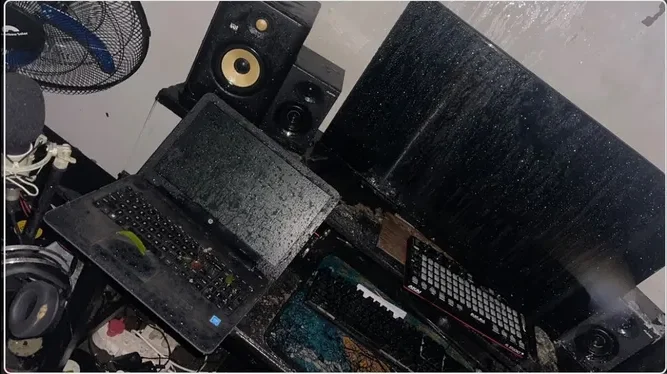
The technical producer takes that raw conversation and turns it into something people want to listen to. They handle recording, editing, processing, and mixing. They select music, clean up audio, and package the final episode for distribution. Often, they are also responsible for cutting promotional clips on social platforms.
Podcasting has grown into one of the most effective storytelling formats, with control sitting with the listener. Episodes are on demand. People choose what they want to hear and when they want to hear it. That changes the dynamic completely. Unlike traditional radio, where content is scheduled, podcasts meet listeners on their terms.
Podcasts also tend to feel more informal. For many listeners, that makes the experience more personal and more engaging.
What keeps someone listening is not one thing. It is a combination. Voice creates the connection, the story gives the listener a reason to stay, and editing ensures the message lands. If one element falls away, the entire experience weakens.
The way something is said is often more important than what is said. Editing choices are made in context. Remove too much and you lose meaning. Leave too much and the message becomes difficult to follow.
Something as simple as breathing can change how a story is received. Soften it too much and the voice loses its human quality. Remove it entirely and the delivery can feel unnatural. In some cases, even the placement of a breath can influence how a listener responds without them realising why.
Editing shifts from technical to transformative. In one instance, I worked on a recording of a speaker with severe stuttering who was advocating for the rights of people with disabilities. The raw audio was difficult to follow. Through careful editing, removing repetitions while preserving intent, the message became clear and powerful without losing its authenticity.
The role demands a particular kind of person. Someone creative and spontaneous but also structured. Someone who can think freely, but execute with precision. Podcast production sits at the intersection of art and logic. It requires both.
The barrier to entry has never been lower. Anyone can start a podcast. But the difference between an amateur production and a professional one is still clear. Strong ideas matter, but so do execution, sound quality, and consistency. Without those, even the best concept struggles to hold attention.
This is where training plays a role. At institutions like the Academy of Sound Engineering, students are exposed to the full process. From idea development and scripting to recording, editing, and understanding audience behaviour, the goal is to connect creative instinct with technical discipline.
On World Voice Day, it is worth remembering why this matters. People do not listen to podcasts for information alone. They listen for connection.
The human voice carries emotion, nuance, and presence in a way few other mediums can. It can educate, comfort, challenge, and inspire. And behind that voice is someone ensuring it is heard exactly as intended.
Lané Croucamp is a lecturer at The Academy of Sound Engineering. The opinions and views expressed herein are solely her own and do not reflect the position or stance of the publication.


Most popular

Top amapiano songs of 2026
16 Feb 2026
Call for applications: ACCES 2026 Emerging Artist Spotlight Competition
01 Oct 2026

Top Naija songs of 2026
31 Mar 2026
Open call: 2026 Gender@Work music industry training in Johannesburg
03 Oct 2026

Top Afrobeats songs of 2026
19 Mar 2026
AFRIMA 2026: All the winners
12 Jan 2026
Disclaimer: Music In Africa provides a platform for musicians and contributors to embed music and videos solely for promotional purposes. If any track or video embedded on this platform violates any copyrights please inform us immediately and we will take it down. Please read our Terms of Use for more.

Subscribe to our monthly Newsletter
Follow us on social media


Please log in to post a comment.