






















































World Choir Games interviews André van der Merwe
15 Nov 2017 - 08:26


Preparations for the 2018 edition of World Choir Games (WCG) are at an advanced stage and choirs have until 1 December to register. The event, which is now in its 10th edition, will be held in Pretoria, South Africa from 4 to 14 July 2018.
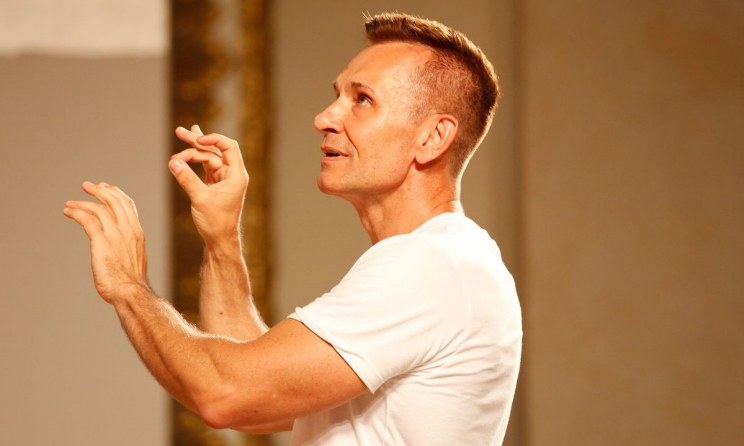
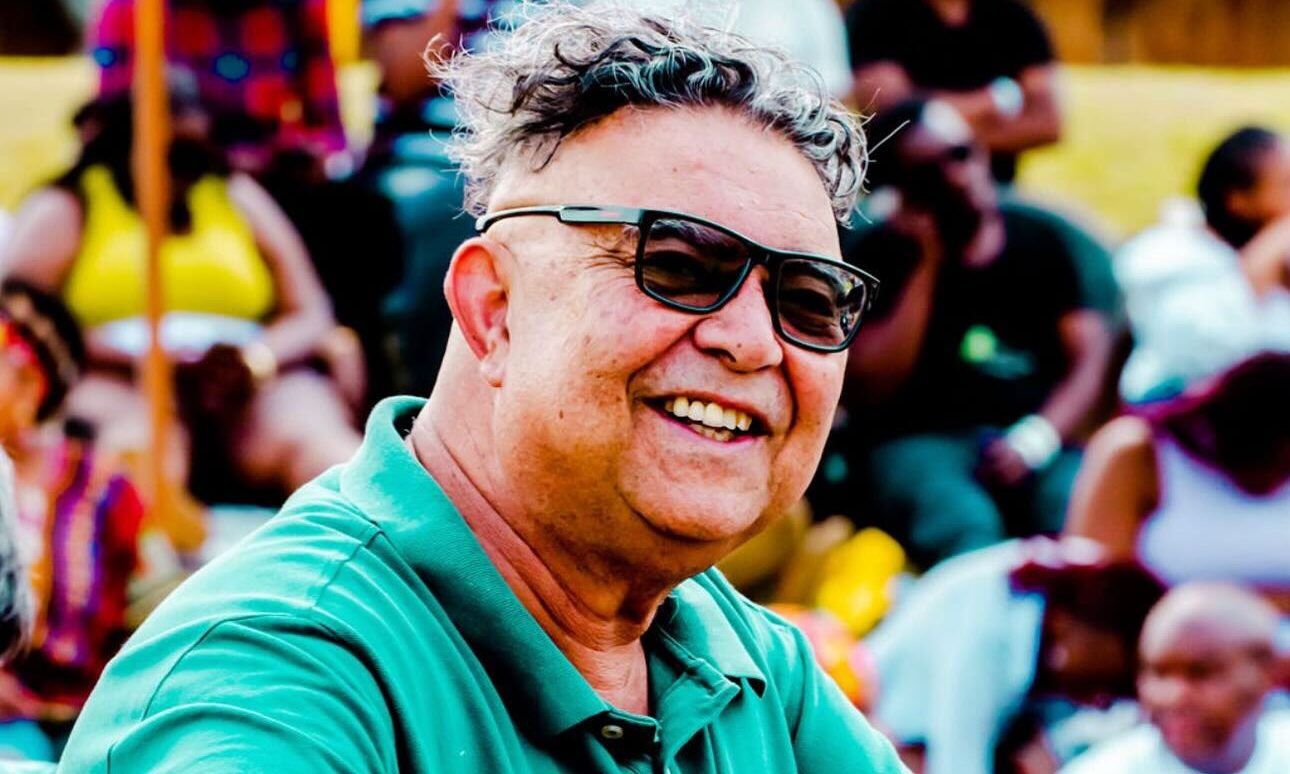
WCG organisers caught up with Stellenbosch University choir conductor and acting chairman of the National Artistic Committee in South Africa, André van der Merwe, who shared some of his expectations and ideas about the event.
The WCG 2018 will take place in your home country. How will this affect your personal plans for 2018?
Since I’m involved in the artistic committee it means that none of my choirs will compete. But I think it’s a fantastic idea that my choirs have been competing for quite a long time so in my own home country I think it’s good if my choirs are involved in a non-competitive way and we will probably sing in a celebration concert or be part of the festival chorus at the closing ceremony. So it’s a different angle for me which is actually cool. There is no stress this time.
How did Stellenbosch University Choir react to news that they will not be competing?
They are fine with it because my choirs don’t only work to compete; the most important thing is that we make music together and you don’t need a competition for that.
Many of my choir members will be involved as guides and working with INTERKULTUR. So it’s a new perspective for us and we would like to welcome singers from all over the world to our country.
How will the South African edition of the World Choir Games be different from previous World Choir Games?
You know it is different every time just because of the cultural event, if you think about the last three: First in Cincinnati(US), Second in Riga (Latvia) and then in Sochi (Russia). Each host country brought a different cultural flavour. South Africa has eleven official languages and colourful traditions. I hope the colourful traditions will be interesting for the world and we are a singing nation like Latvia. Many township choirs, many people who can’t travel abroad, I think, will be very surprised to see what a strong singing tradition we have. Many choirs could not travel overseas before, so for me it’s exciting to know that these fantastic choirs will experience this international event. If it wasn’t in South Africa, they would never experience it.
What’s your personal recommendation to get a once-in-a-lifetime moment at the World Choir Games in South Africa?
I think choirs must just take a leap of faith because the media is quite negative. We hear that South Africa is unsafe, but like anywhere in the world it’s a small part of a country or a city, and where the World Choir Games will be hosted will be very safe. I will be very proud to show a positive image of South Africa.
I think I’ve said before: People will be surprised at how effectively we can arrange this and we also have a brand-new stadium that is finished this year, which will host one of the first World Choir Games events, it’s a beautiful venue.
People visiting South Africa for the first time have stereotypes about excessive heat, wild animals and no music without drums. What awaits them?
I think besides the typical South African flavour like we mentioned, the drumming, will be there. South African dancing will be there. The gumboots will be there. But we are much more than that.
We are also a modern country. We are one of the youngest countries in the world. Our contemporary choral singing is sometimes better than the traditional music. I think that will be interesting for most international choirs to experience the modern side of South Africa which most people are not aware of. But we hope to have a few animals on stage as well. We must keep true to that flavour.
What about the heat? We had a lot of hot World Choir Games in the past.
It will be winter in Pretoria when the World Choir Games are hosted but our winter is mild compared to other regions. The coldest they will get is 14 or 15 degrees and no rain. So I think it’s actually good for singers – a little bit cooler is better than too hot for any singer.
Which World Choir Games performance do you not fail to attend?
Oh, I don’t even have to think twice, it’s the opening ceremony, for two reasons: All of a sudden you and your choir have worked so hard to compete, and then you sit in the stadium with literally thousands of people from all over the world so you very quickly realise this is going to be very unique. It is the biggest choral event on the planet. The second reason, of course, is to see what the host country will bring to this opening ceremony. It’s always so colourful, you understand the culture even better, and you realise that you are part of this unique international event. And it’s the most exciting.
And how many opening ceremonies have you seen at previous World Choir Games already?
I think basically all of them, I never miss it. I’m lucky that I did it and I learned a lot. I know what the previous host cities have done; so I know how to think, how to fit our opening ceremony into this; so that we give something fresh without losing the tradition of the previous ones. It’s important to me.
Will you be personally involved in organising the opening next time?
Yes, we’ve already started thinking about the opening ceremony, to show the world how choral singing has developed; starting with the Khoisan people who had a primitive, chant-like singing and dancing and how the West influenced their traditional music. I think it’s very interesting and many people don’t know how this has developed. So I’m very excited to share the South African choral history with the rest of the world.
What can South African choirs look forward to when they meet the internationals?
I think two things, and I mentioned this before, I just want to repeat it: Many good choirs in my country do not have money to ever travel abroad. The World Choir Games will have an important educational value where they will be able to meet adjudicators and choral conductors from all over the world. If it wasn’t for the World Choir Games they would never get the opportunity.
For more information about registration and participation conditions directly to your inbox, fill in this form.
This article first appeared on the INTERKULTUR website on 09 November 2017.


Most popular

Top Naija songs of 2026
31 Mar 2026

Top Afrobeats songs of 2026
19 Mar 2026

Ghana: Mr Eazi and MOLIY’s ‘Comfort’ earns Urban Music Awards nomination
21 Oct 2026

Top amapiano songs of 2026
16 Feb 2026
Open call: CANEX Music Business Lab and Songwriting Camp
15 Oct 2026
Nigeria: CANEX WKND unveils 2026 programme
21 Oct 2026
Disclaimer: Music In Africa provides a platform for musicians and contributors to embed music and videos solely for promotional purposes. If any track or video embedded on this platform violates any copyrights please inform us immediately and we will take it down. Please read our Terms of Use for more.

Subscribe to our monthly Newsletter
Follow us on social media


Please log in to post a comment.