































































By Sebastian Modak
Tlokweng is a sandy town populated mostly by cattle, on the southeastern outskirts of Gaborone, along the border with South Africa. Nestled into one corner of this unassuming suburb is a creative playground called XLT Studios. Brimming with creative energy, XLT is a studio whose revolving door of local hip-hop legends, up-and-coming kwaito stars and friends who happen to find themselves in the neighborhood never seems to stop spinning.
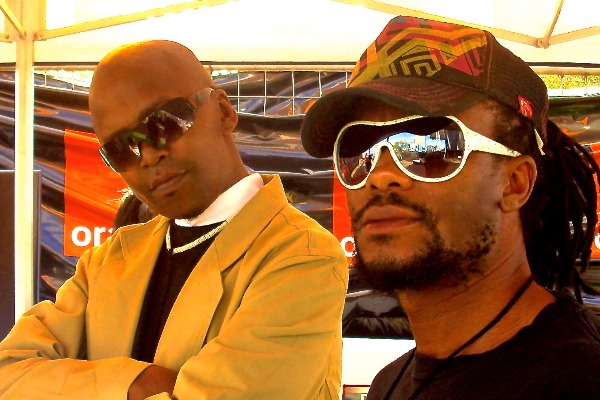
XLT was founded seven years ago by a local producer who was given the moniker Grampa as a child, due to his propensity to play classical piano when all his friends in the kasi were listening to the radio hits of the time. He turned XLT from a concept into a reality upon his return to Botswana after attending Berklee College of Music in Boston and spending some years working as an engineer in the United States. XLT’s vision, for a larger than life creative space, was augmented shortly afterwards with the addition of B-Note, a Soweto transplant and self-taught pianist. Since then, it has worked with essentially every local artist I could name, and many more I could not, and continues to release quality material from its one-room/one-mic recording studio, behind Grampa’s house.
But more than anything else, the creative and intellectual exchange that is constantly happening outside of recording hours is what makes this studio special. Even if it’s not to record a track or check a mix, there is a constant stream of artists coming and going from XLT, including big names in the local hip-hop world, like Stagga, a progenitor of Botswana hip-hop, and J-Mecca multi-syllabic MC King Ming. I got the feeling that these musicians were there for the same reason I was: to be part of a creative and social force that is constantly in flux, allowing ideas to change as they see fit and music to be made whenever the feeling arises.
Much of the criticism I received about XLT, including from its own staff, was that not enough tangible product ever makes it to the market, because of the studio’s own shortcomings as well as the industry as a whole. But what I gathered from the days I spent at XLT is that through their perfectionist self-critique, their relentless approach on social issues and the local music business, and the friendships that hold the place together, they are making very real progress as artists in a society that does not always appreciate them. I took part in some of the most candid conversations I have had here about social issues in the country, and music’s role in addressing them, and because of the sheer quantity of people I met and things I saw at this studio, I’ve had to double the 10-minute episode length limit I was trying to impose on myself. So, let me not take any more of your time and let XLT and the people who spend their time there do the talking.
Originally published on 3 October 2013 at Africanhiphop.com.


Most popular

Top Naija songs of 2026
31 Mar 2026

Top Afrobeats songs of 2026
19 Mar 2026
Ghana: Mr Eazi and MOLIY’s ‘Comfort’ earns Urban Music Awards nomination
21 Oct 2026

Top amapiano songs of 2026
16 Feb 2026
Open call: CANEX Music Business Lab and Songwriting Camp
15 Oct 2026
Nigeria: CANEX WKND unveils 2026 programme
21 Oct 2026
Disclaimer: Music In Africa provides a platform for musicians and contributors to embed music and videos solely for promotional purposes. If any track or video embedded on this platform violates any copyrights please inform us immediately and we will take it down. Please read our Terms of Use for more.

Subscribe to our monthly Newsletter
Follow us on social media


Please log in to post a comment.