

















































Zahara represents a group of South African musicians ordained to inculcate hope and mend troubled souls through music. From Loliwe to Mgodi, the award-winning Afro-soul singer has tackled important topics like apartheid, depression, faith and inspiration.
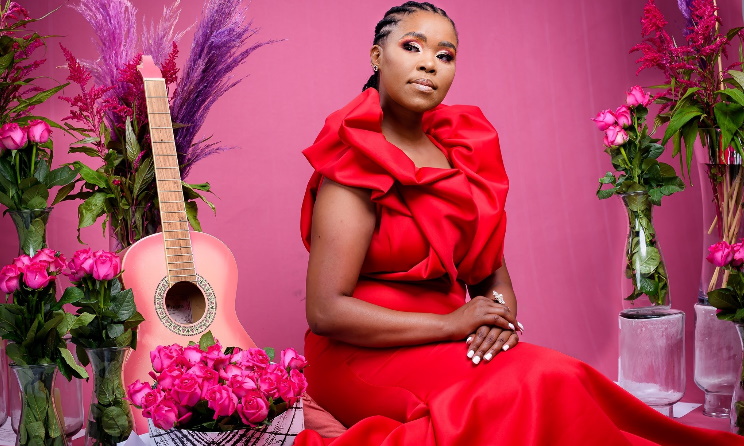
Her latest offering Nqaba Yam is an account of how the 33 year old has tackled the challenges of life through prayer and support from her family. The overall theme throughout the album is endurance. This is best illustrated in the track ‘Nyamezela’, which Zahara released in May.
Music In Africa spoke with Zahara about her latest album, the thinking behind her music and how she would like to be perceived by her fans.
MUSIC IN AFRICA: Take us through the making of your new album Nqaba Yam?
ZAHARA: In English, nqaba yam means ‘endure’. It’s like a pillar or rock that you hold on to when there is a turmoil around you. I have been through a lot in the past years. I don’t write to make hits – I write about my life story. I am a poet and I turn all things that happen around me into songs. Every song on the album is about me, it’s not about anything else. When I was writing the album, I couldn’t sleep until 5am, because of everything that hurt me and some of the things that were happening around me. My life is a cliché – my ups and downs are out there for you guys. I feel like I did not come for anything else but to inspire and give hope to people. I felt like people had stopped judging me by my music. It was like, ‘What kind of cereal does she eat? What kind of drink does she take?’ Besides that, I know we become role models to people, but you must remember we are human beings, too. I felt that I was being mocked for the work I had done. I asked myself, ‘Should I give up or should I continue to inspire my people like I was doing before?’ That’s what was going through my mind.
I would love everybody – because I have learned through my own mistakes – to find the necessary information in whatever they want to embark on, so that they don’t get caught up in certain situations. When I was back on my feet and ready to record Nqaba Yam, COVID-19 happened. I was like, ‘What? This can’t be happening when I’m about to start.’ I went back to square one. I was financially and mentally affected. There is a song on the album called ‘Nyamezela’, which means ‘we are going to keep on keeping on as long as we are alive.’ In life, we tackle things differently, but we suffer in the same way. This album is all about healing and inspiring people.
How long does it take you to write a song?
I can write and freestyle now. I can sing about Music In Africa and how privileged I am to be with Warner Music. With me, it’s about writing about my life and I can make hits every day. I waited for the story, and when my story was done, I decided this was the time to inform the world.
Do you seek approval from anyone before you record your music?
Obviously! It’s the reason why I’m still working with my producer Mjeks. We have been together since my debut album Loliwe, because he understands me and knows how to narrate my story. When I joined Warner, I wanted my story to be heard internationally by somebody, perhaps in New York. Mjeks produced my album and I wrote all the songs. What I do is I write the songs and he rearranges them. We are always together because we understand each other.
Which of your albums impacted your career the most?
Let me tell you something before I answer your question. Loliwe went gold in 13 days and platinum in 17 days. Phendula went double-platinum in one day and Country Girl went platinum in one day. Mgodi went gold in six hours. If we are to talk about which album made an impact, it would be Phedula. Remember, Loliwe is my first born and in our culture, despite having more kids, you will be called by the name of your first born, because it’s how you introduced yourself to the world as a parent. I introduced myself into this world through Loliwe.
What challenges have you encountered in the past five years?
I won’t speak much about the details, but when all those things happened, I reminded myself about the role my mother and God played in my life. I remember that I had to go home to my mother because I felt like I was stepping on people’s toes. My mother asked me, ‘What are you here for? What were you born for?’ And I replied, ‘I came to inspire people’ and she said, ‘Okay, are you done inspiring them?’ I said, ‘No’ She asked me again, ‘Do you want to be praised or do you want to inspire?’ I said, ‘I want to inspire’ and she said, ‘Stay where you are because I am here praying for you every day.’
How do you want to be perceived?
I want people to perceive me as that girl next door. A girl that came to inspire and set the footprint for you so that you can walk towards your goal. I want them to remember me as a girl who came to instil change.
It’s been a decade since you joined the music industry and you have made various achievements along the way. What do you regret the most?
I don’t regret anything. I have been praised, mocked and they tried to put me down and be in my life. I wouldn’t be the woman that I am today if I had listened to what people said. I now know how to respond, react or get away from certain things that happen in my life. I have learnt from my mistakes and the industry, so I have no regrets at all. I had to go through the challenges so that I could be strong.


Most popular
Call for applications: ACCES 2026 Emerging Artist Spotlight Competition
01 Oct 2026

Top amapiano songs of 2026
16 Feb 2026

Top Naija songs of 2026
31 Mar 2026
Open call: 2026 Gender@Work music industry training in Johannesburg
03 Oct 2026

Top Afrobeats songs of 2026
19 Mar 2026
AFRIMA 2026: All the winners
12 Jan 2026
Disclaimer: Music In Africa provides a platform for musicians and contributors to embed music and videos solely for promotional purposes. If any track or video embedded on this platform violates any copyrights please inform us immediately and we will take it down. Please read our Terms of Use for more.

Subscribe to our monthly Newsletter
Follow us on social media


Please log in to post a comment.