






































NEFCISA
NEFCISA

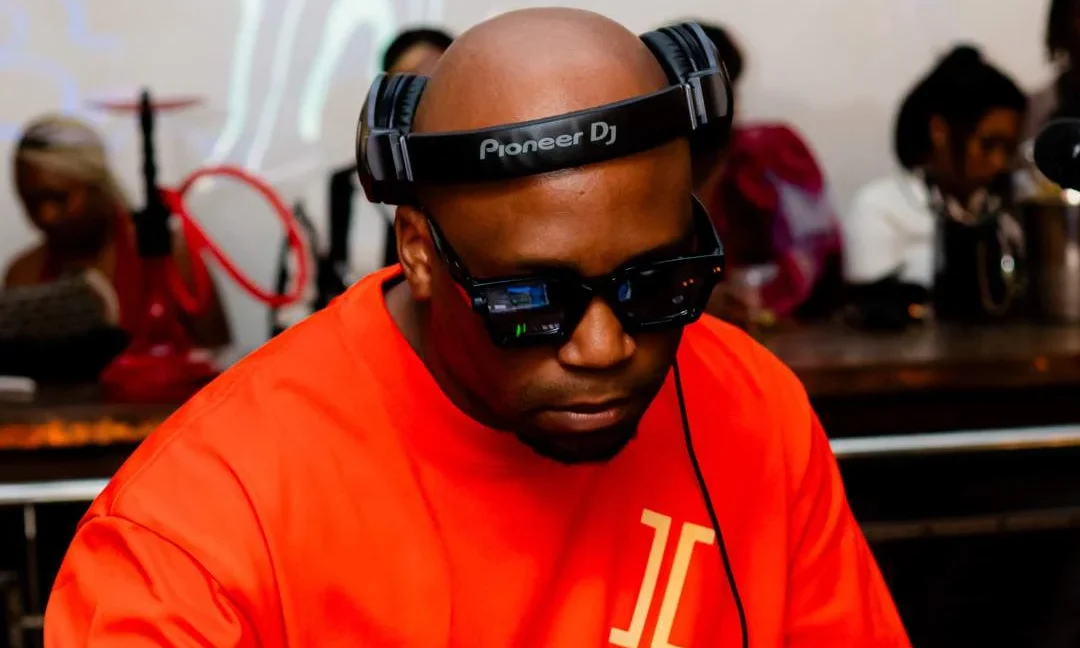
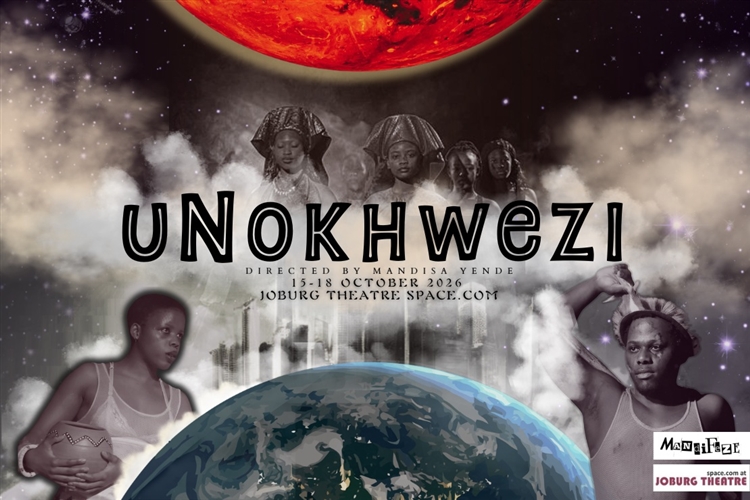
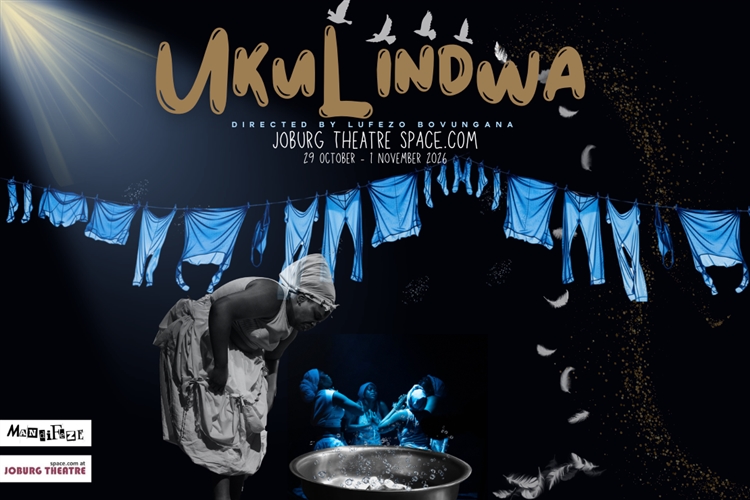
The Music In Africa Foundation (MIAF) is proud of its partnership with the Industrial Development Corporation (IDC) as a Strategic Implementing Partner (SIP) for its Social Employment Fund (SEF). Through this collaboration, MIAF is running a national programme that is creating jobs, addressing skills gaps, and strengthening South Africa's creative industries — in line with the SEF's overarching goal to generate work for the common good and build community value through employment, social contribution, and inclusive economic participation. Operating under the banner NEFCISA (National Employment Facility for Creative Industries in South Africa), the initiative is recruiting and training participants, matching them with host organisations, and has already placed 1 500 workers across the country — surpassing its original target of 1 000. NEFCISA is delivered through a network of 20 host organisations spanning five provinces, who are actively hosting participants and contributing to work for the common good across South Africa's creative and cultural industries. Key Objectives: Support employment and entrepreneurship in the creative industries. Offer skills development and training programmes. Foster partnerships between public and private creative sectors. Promote South African creativity at both provincial and national levels Foster community development through social contribution.

ACCES
ACCES

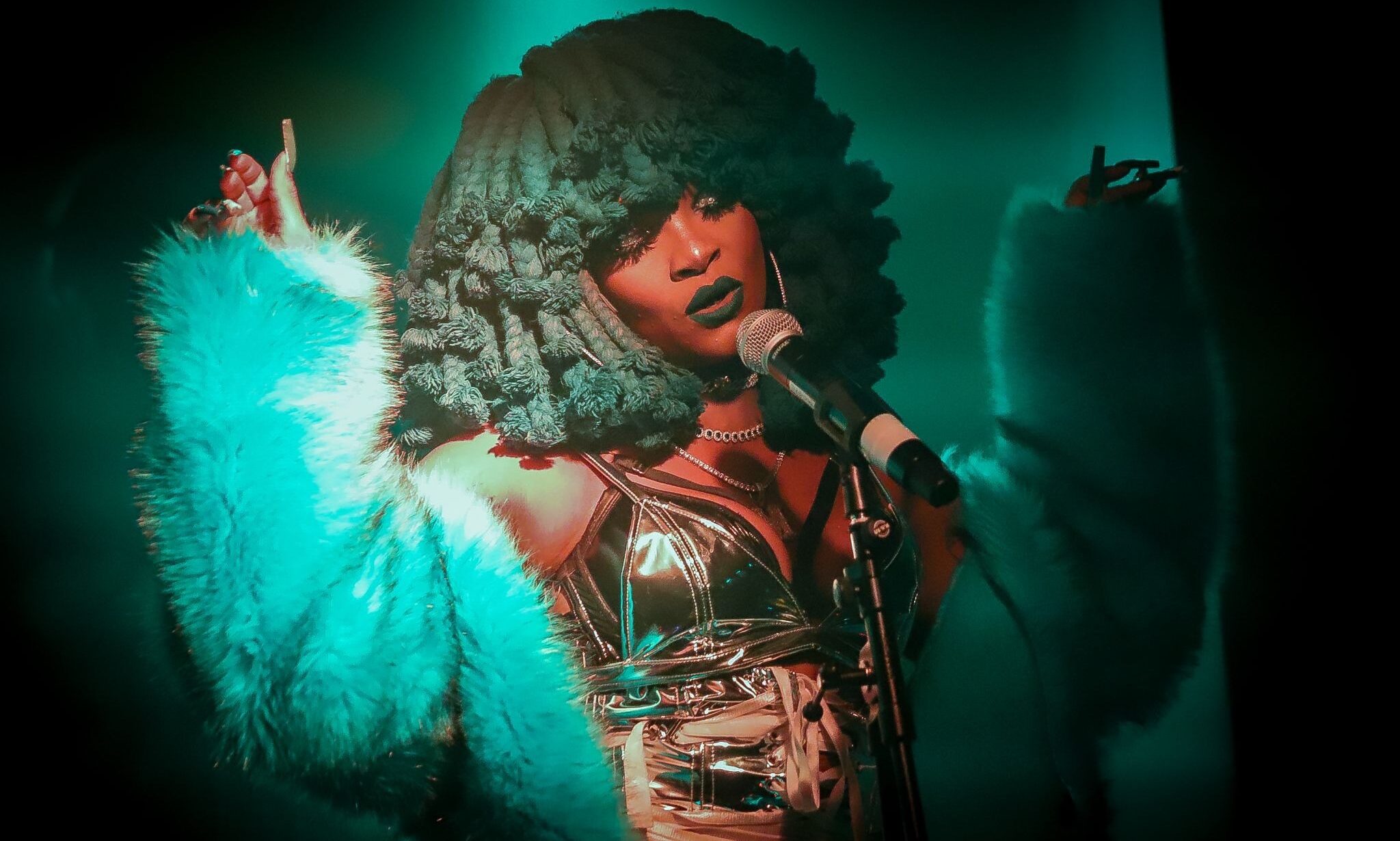
ACCES Conference and Showcase Festival is Africa's leading music industry gathering, bringing together the people shaping the future of the continent's music business. Artists, entrepreneurs, executives, investors, policymakers and cultural leaders from across Africa and around the world come to ACCES to build partnerships, exchange ideas, discover talent and create new business opportunities. Since its launch in 2017, ACCES has become the continent's premier platform for professional exchange and music market development. Combining a high-level conference with a curated showcase festival, networking, exhibitions and industry programmes, ACCES offers a unique space where creativity meets business and where African music connects with the global industry.

Gender@Work
Gender@Work

Music In Africa Gender @ Work is a three-year training programme aimed at upskilling and increasing the participation of female professionals in the African music sector. Launched by the Music In Africa Foundation (MIAF) in April 2019, the programme is connected to the MIAF’s ACCES music conference – a pan-African event held in a different African country every year. This connection enables the programme to reach new participants in a different African country every year. The programme marks the beginning of a more concerted effort by the Foundation to support the participation and inclusion of women in all facets of its programmes and the music sector in Africa as a whole. Over the three years, the programme will aim to address gender imbalances in the sector through training, lobbying, facilitating knowledge exchange and dialogues that foster the interest of women. The broader objectives of the programme are to: Provide industry training for women on critical music industry skills, focusing on: Stage management Electronic music production and recording Music business management Technical knowledge Provide an opportunity for both professional and aspiring women to benefit from the Music In Africa network and its broad range of activities in 2019, 2020 and 2021. Provide a solution-based platform in the form of a round table at ACCES with a view to identify challenges, discuss opportunities and lobby for the interests of female practitioners. Offer participants the opportunity to benefit from programmes offered by MIAF’s partners. Increase access to educational materials. Integrate participants in the broader ACCES programme to maximise experience and exposure to the industry. Record and present training materials on the www.musicinafrica.net, including but not limited to tutorials, templates and other best-practice materials. Communicate women-based themes that support the initiatives and messages of the programme. MAIN TRAINING ACTIVITIES Training in first country (Ghana): In the first year, participants will be trained on all aspects of stage management by a team of experienced stage managers from 10 to 17 November 2019. The programme will offer robust classroom training as well as practical, hands-on training in which participants will also be given the opportunity to manage various aspects of the ACCES performance programme. Training in second country: The second training iteration will take place at ACCES 2020 when the programme will diversify its course to include music production lessons and training on other music business topics. A round-table platform will also be introduced to coincide with the ACCES programme. Training in third country: The third training iteration will take place at ACCES 2021 in a different country, offering an advanced course. HOW DO YOU GET INVOLVED?  As a participant, facilitator or trainer: The programme enrolls up to 12 trainees every year. All opportunities are advertised publicly on this website, and will be added to this page. Please keep checking this page for new calls (below under UPDATES & CURRENT OPPORTUNITIES). As a partner Please contact Claire Metais at [email protected]. APPLY The call for applications for 2020 will be announced soon. The Music In Africa Gender @ Work programme is made possible with the support of the Prince Claus Fund, Siemens Stiftung and Goethe-Institut.

Sound Connects Fund
Sound Connects Fund

For cultural and creative practitioners and organisations operating in southern Africa, access to funding remains a major challenge. The COVID-19 pandemic has also had a massive impact on government policy, spending and the economy in general, and has seen spending on culture being moved further down the list of priorities. Further, the cultural and creative industries repeatedly cite four main areas where investment is needed for growth, which are increased visibility, mobility including access to new markets, finance and support structures.

Instrument Building And Repair Project

Experience the Vibrations African Instruments Exhibition online in 3D

banner image

Goethe-Institut de nouveau à Kinshasa : Jupiter Bokondji et Okwess international s’associent à l’événement

Home/Non classé/Goethe-Institut de nouveau à Kinshasa : Jupiter Bokondji et Okwess international s’associent à l’événement

Pour joindre l’utile à l’agréable, cette ouverture s’en est suivie d’une rencontre musicale unique entre les deux pays. Il s’agit d’un concert haut en couleur  organisé par l’Institut Français et la Fondation Music In Africa où l’artiste congolais Jupiter et Okwess International et tant d’autres ont agrémenté la soirée  en proposant, chacun, des morceaux mêlés au Folklore RD. Congolais. Certes, ils ont réussi leur pari ! Ils ont  embarqué l’assistance au bord d’un navire où les rythmes congolais ont rencontré les sons allemands sur la scène du spectacle.
D’entrée de jeu, Christophe Roussin, Directeur Délégué de l’Institut Français de Kinshasa a, dans son allocution,  circonscrit le cadre de cette rencontre prestigieuse. Pour lui, cet événement  démontre la triple amitié entre la République Démocratique du Congo, la République Fédéral d’Allemagne et la République Française. Au-delà des relations diplomatiques, dit-il, la RD. Congo, l’Allemagne et la France développent également des projets à caractère culturel pour la promotion des arts. C’est dans cette optique que le Goethe-Institut s’est engagé, a-t-il annoncé, à reprendre ses activités, en procédant à la réouverture de son bureau de liaison basé au sein de l’Institut français de Kinshasa.
Philippe Larrieu, Conseiller de Coopération Culturelle de l’Ambassade de France et Directeur Général de l’Institut Français de Kinshasa, a  souhaité la bienvenue à l’institut Goethe à Kinshasa. Il a retracé quelques exemples de coopération Culturel franco-allemande.
En présence de Martin Kobler, Luc Hallade, Georg Schmidt, Dr. Wolfgang Manig, et tant d’autres personnalités, le «prophète de la soule Kinoise»,  Jupiter Bokondji et ses acolytes ont vibré avec un répertoire combiné à une ribambelle de sons, afropop, rythmes congolais traditionnels, funk et Rock. Et, il faut noter que Jupiter a interprété des rythmes des provinces du Bandundu, Bas-Congo, de l’Equateur, et du Katanga. Un rendez-vous enthousiasmé et riche  auquel d’autres artistes ont été aussi invités à se mouvoir. Il s’agit de Jocelyn Balu et «les Aigles de la révolte». C’est une nouvelle génération de la scène congolaise qui a fait une démonstration spéciale sur le podium. La jeune chanteuse Allemande Kathrin Alexandra a chanté, en duo, plusieurs morceaux dont on peut retenir le titre comme «Koko». Un titre évocateur, qui véhicule un message sur la transmission du savoir. Ce duo a été accompagné par le groupe Nsinsani.
Réputé sur le plan international, le Goethe Institut est l’institution culturelle majeure de la République fédérale d’Allemagne. Il s’occupe de la promotion de la langue allemande à l’étranger et encourage la coopération culturelle internationale. Cette structure véhicule une image aussi complète que possible de l’Allemagne, en informant  sur la vie culturelle, politique et sociale.
Actif dans 20 pays en Afrique, il développe un programme culturel axé sur toute  une palette d’actions et projets artistiques l’Afrique subsaharienne, dans les domaines notamment, de la littérature, de la musique, des arts du spectacle et arts visuels, du cinéma et des médias. Le Goethe Institut a pour mission d’apporter son soutien aux paysages culturels locaux et de renforcer le dialogue panafricain par le biais des arts.

Par Rodrigue Yalala

Source: www.laprosperiteonline.com

newsletter banner

Subscribe to our monthly Newsletter

Follow us on social media