
































NEFCISA
NEFCISA

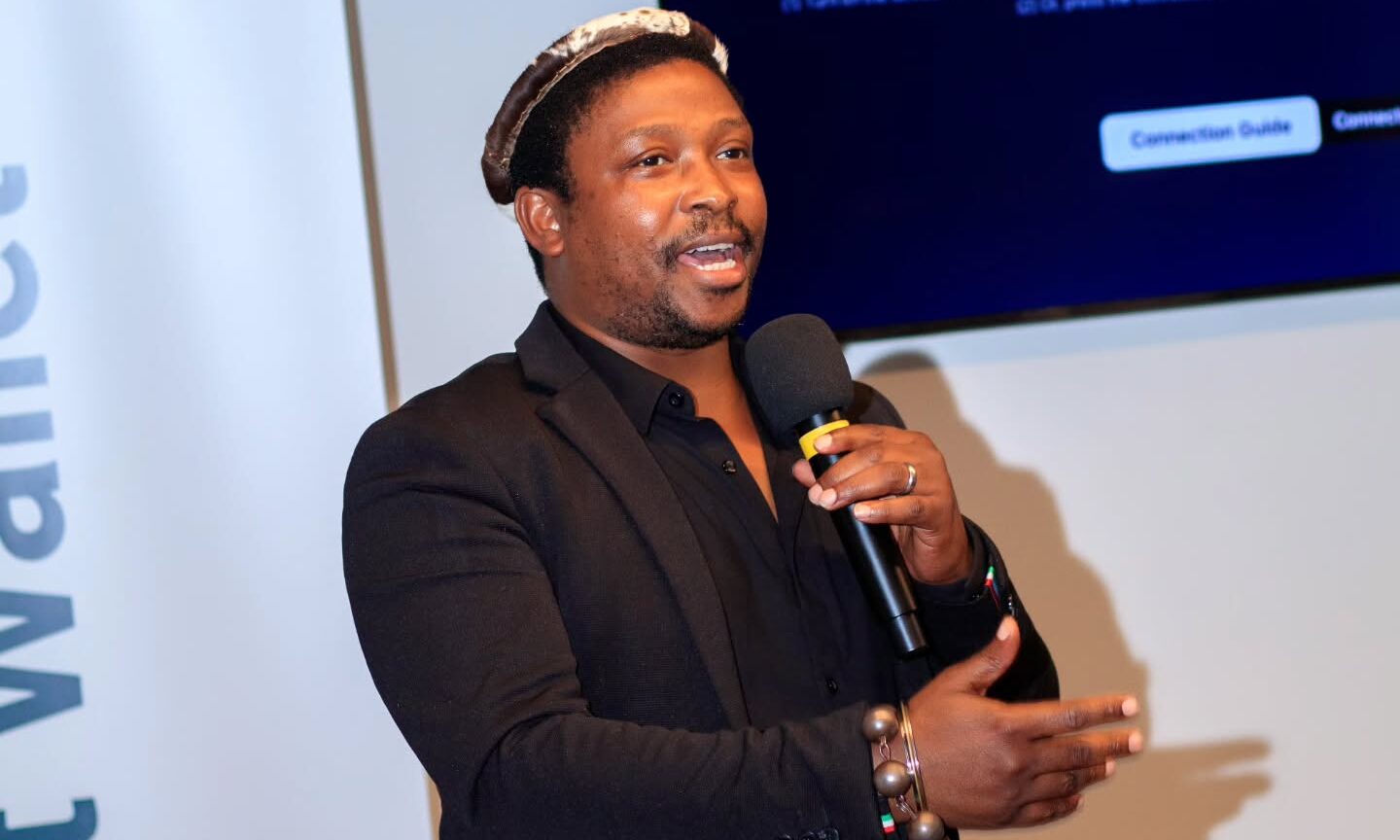
The Music In Africa Foundation (MIAF) is proud of its partnership with the Industrial Development Corporation (IDC) as a Strategic Implementing Partner (SIP) for its Social Employment Fund (SEF). Through this collaboration, MIAF is running a national programme that is creating jobs, addressing skills gaps, and strengthening South Africa's creative industries — in line with the SEF's overarching goal to generate work for the common good and build community value through employment, social contribution, and inclusive economic participation. Operating under the banner NEFCISA (National Employment Facility for Creative Industries in South Africa), the initiative is recruiting and training participants, matching them with host organisations, and has already placed 1 500 workers across the country — surpassing its original target of 1 000. NEFCISA is delivered through a network of 20 host organisations spanning five provinces, who are actively hosting participants and contributing to work for the common good across South Africa's creative and cultural industries. Key Objectives: Support employment and entrepreneurship in the creative industries. Offer skills development and training programmes. Foster partnerships between public and private creative sectors. Promote South African creativity at both provincial and national levels Foster community development through social contribution.

ACCES
ACCES

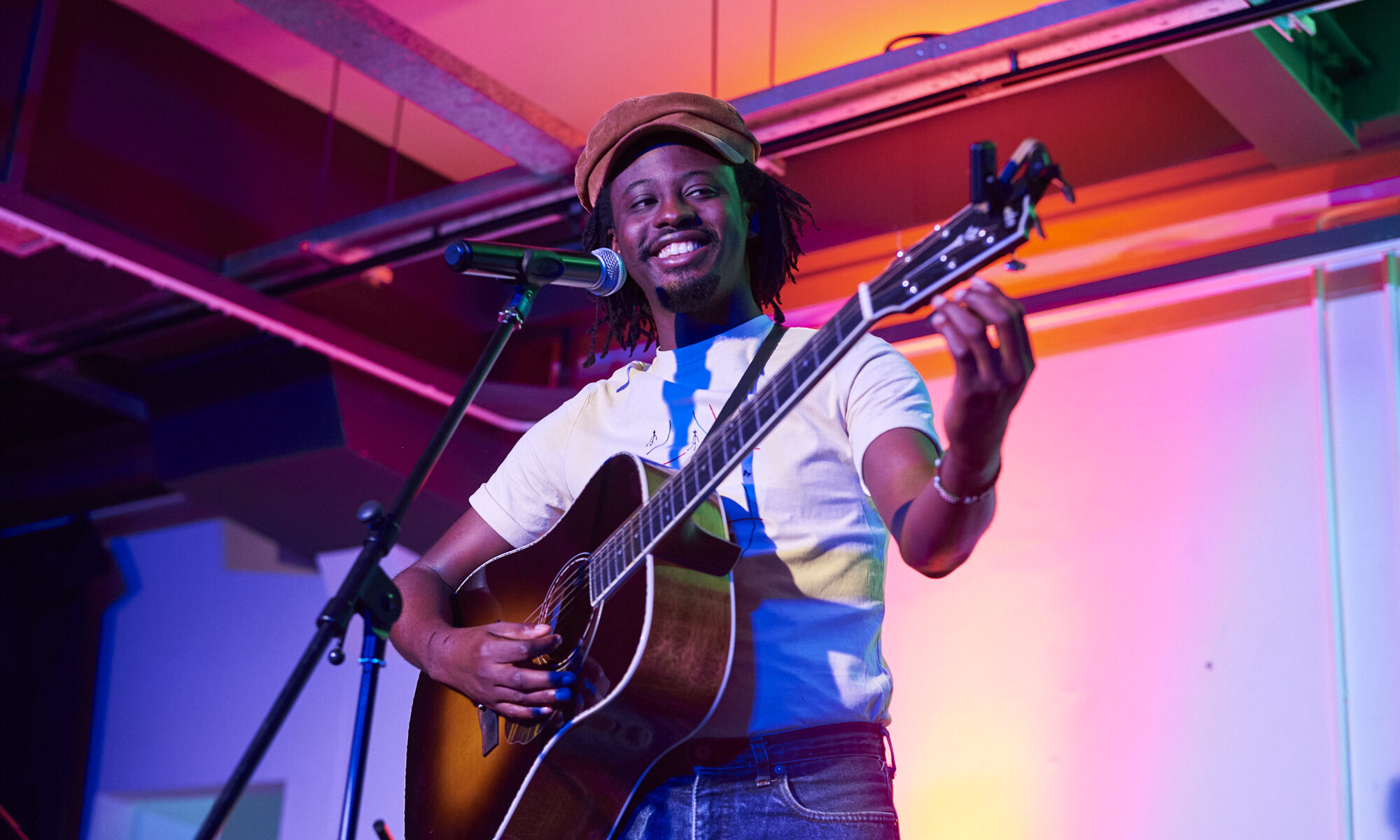
ACCES Conference and Showcase Festival is Africa's leading music industry gathering, bringing together the people shaping the future of the continent's music business. Artists, entrepreneurs, executives, investors, policymakers and cultural leaders from across Africa and around the world come to ACCES to build partnerships, exchange ideas, discover talent and create new business opportunities. Since its launch in 2017, ACCES has become the continent's premier platform for professional exchange and music market development. Combining a high-level conference with a curated showcase festival, networking, exhibitions and industry programmes, ACCES offers a unique space where creativity meets business and where African music connects with the global industry.

Gender@Work
Gender@Work

Music In Africa Gender @ Work is a three-year training programme aimed at upskilling and increasing the participation of female professionals in the African music sector. Launched by the Music In Africa Foundation (MIAF) in April 2019, the programme is connected to the MIAF’s ACCES music conference – a pan-African event held in a different African country every year. This connection enables the programme to reach new participants in a different African country every year. The programme marks the beginning of a more concerted effort by the Foundation to support the participation and inclusion of women in all facets of its programmes and the music sector in Africa as a whole. Over the three years, the programme will aim to address gender imbalances in the sector through training, lobbying, facilitating knowledge exchange and dialogues that foster the interest of women. The broader objectives of the programme are to: Provide industry training for women on critical music industry skills, focusing on: Stage management Electronic music production and recording Music business management Technical knowledge Provide an opportunity for both professional and aspiring women to benefit from the Music In Africa network and its broad range of activities in 2019, 2020 and 2021. Provide a solution-based platform in the form of a round table at ACCES with a view to identify challenges, discuss opportunities and lobby for the interests of female practitioners. Offer participants the opportunity to benefit from programmes offered by MIAF’s partners. Increase access to educational materials. Integrate participants in the broader ACCES programme to maximise experience and exposure to the industry. Record and present training materials on the www.musicinafrica.net, including but not limited to tutorials, templates and other best-practice materials. Communicate women-based themes that support the initiatives and messages of the programme. MAIN TRAINING ACTIVITIES Training in first country (Ghana): In the first year, participants will be trained on all aspects of stage management by a team of experienced stage managers from 10 to 17 November 2019. The programme will offer robust classroom training as well as practical, hands-on training in which participants will also be given the opportunity to manage various aspects of the ACCES performance programme. Training in second country: The second training iteration will take place at ACCES 2020 when the programme will diversify its course to include music production lessons and training on other music business topics. A round-table platform will also be introduced to coincide with the ACCES programme. Training in third country: The third training iteration will take place at ACCES 2021 in a different country, offering an advanced course. HOW DO YOU GET INVOLVED?  As a participant, facilitator or trainer: The programme enrolls up to 12 trainees every year. All opportunities are advertised publicly on this website, and will be added to this page. Please keep checking this page for new calls (below under UPDATES & CURRENT OPPORTUNITIES). As a partner Please contact Claire Metais at [email protected]. APPLY The call for applications for 2020 will be announced soon. The Music In Africa Gender @ Work programme is made possible with the support of the Prince Claus Fund, Siemens Stiftung and Goethe-Institut.

Sound Connects Fund
Sound Connects Fund

For cultural and creative practitioners and organisations operating in southern Africa, access to funding remains a major challenge. The COVID-19 pandemic has also had a massive impact on government policy, spending and the economy in general, and has seen spending on culture being moved further down the list of priorities. Further, the cultural and creative industries repeatedly cite four main areas where investment is needed for growth, which are increased visibility, mobility including access to new markets, finance and support structures.

Instrument Building And Repair Project

Experience the Vibrations African Instruments Exhibition online in 3D

banner image

Interview de Mustaf, Lauréat de "Visa pour la Création" 2015

Home/Non classé/Interview de Mustaf, Lauréat de “Visa pour la Création” 2015

Bonjour  Mustaf, peux-tu te présenter à nos lecteurs ?

Bonjour, moi c’est Mamadou Moustapha Mbaye alias Mustaf, artiste chanteur membre de la structure Africulturban à Pikine Dakar Sénégal.

Tu es depuis un mois en résidence artistique en France, peux-tu nous parler de cette résidence, et comment s’est fait le choix sur ta personne ?

Il s’agit d’un programme de l’Institut Français de Paris qui s’appelle Visa pour la Création plus particulièrement destiné aux artistes Caribéens et Africains toutes disciplines confondues. L’appel à candidature a lieu chaque année en septembre. J’ai donc postulé en 2014. La réponse m’est parvenue en décembre. Le choix du jury porte sur le contenu de ton dossier c’est-à-dire ton background, ton actualité et ton projet. Il faut avoir un but bien défini et leur donner envie de te soutenir. Je suppose qu’on m’a choisi grâce à tout ce que j’ai présenté dans ce dossier. Ils ont suivi ma carrière artistique de près. Mon projet c’est mon premier album solo.

En général les lauréats effectuent leur résidence à Paris, au Palais des Arts, mais en réalité on a le libre choix de notre structure d’accueil. J’ai donc fait exception en choisissant de faire ma résidence à Perpignan, dans le sud de la France près de la frontière espagnole, suite à une belle rencontre avec l’équipe de La Casa Musicale, qui est la structure locale dédiée aux pratiques musicales. J’ai été très bien accueilli et l’équipement me permet de travailler dans de très bonnes conditions.

Depuis ton premier album avec ton groupe Baat Sen, tu as sorti un maxi en duo avec le musicien danois DJ Exampler, là on voit que tu as sorti des singles en solo, qu’en est -il de ton premier groupe ? de Fouma System ? Mustaf est -il en solo ?

Après l’album de Baat Sen en 2011, le groupe est resté en stand-by parce que j’ai dû partir en tournée en Europe avec d’autres artistes africains. On m’avait sélectionné lors d’une compilation réalisée à Africulturban grâce à notre festival Festa2H. Ensuite on a eu un décès donc aujourd’hui Baat Sen c’est seulement mon frère Ode et moi. Je me suis investi dans d’autres projets et Ode aussi de son côté. Fouma System est l’un de ces projets. Avec DJ Exampler on a signé en 2014 un contrat avec le label Akwaaba Music lors de la sortie de notre 1er EP Mind Mi Dem. Le deuxième EP est déjà enregistré pour une sortie prévue en 2017 car nous sommes tous les deux occupés cette année sur nos projets et tournées individuels. J’ai donc consacré l’année 2015 à travailler en solo. Je poursuivrai en 2016. Mon but est de sortir mon premier album solo.

Les singles que j’ai sorti cette année plus particulièrement en reggae, sont le résultat d’une collaboration avec Jahdil, le manager de Junior Kelly, que j’avais rencontré à Copenhague. Il m’a donné un riddim pour un projet de compilation. Ce que j’ai posé a été remarqué par DJ Lass : un animateur – producteur sénégalais de Bruxelles, qui gère une émission de reggae qui s’appelle Angel Vibes. Il m’a proposé une mixtape. J’ai donc enchaîné les enregistrements sur beaucoup de riddims. C’est Lass qui gère le rythme des sorties et la promo. Cette collaboration a eu un impact très positif sur ma popularité.

Je sais que tu es en train de collaborer avec des artistes rencontrés lors de la résidence, explique nous un peu ces projets ? A quand ton album solo ?  As-tu une maison de disque, ou ce sera une autoproduction ?

Qui dit résidence dit échange, je tenais donc à rencontrer les artistes présents sur ce territoire dans toute leur diversité, pour enrichir ma créativité, et quand ça a été possible, travailler avec eux pour apporter une touche métissée à mon futur album. C’est comme ça que j’ai eu l’opportunité de croiser Tato, l’un des meilleurs représentants de la rumba catalane, qui est une musique typique d’ici. Mon album devrait sortir en fin d’année 2016. En ce qui concerne la production j’étudie les différentes propositions mais je me donne le temps de prendre ma décision.

Ton style musical est très éclectique, mais je sais que tu es proche de la scène reggae sénégalaise, quel regard portes-tu sur cette musique au Sénégal ?

D’après moi le reggae au Sénégal bouge plus qu’avant depuis qu’il est porté par la nouvelle génération. Mais, comme tu le dis ma musique est très éclectique. Même si j’ai fait beaucoup de reggae cette année, ce n’est pas pour autant ma musique de prédilection. Ma musique est assez difficile à qualifier car elle mixe hip hop, électronique et un peu de pop, le tout avec ma touche africaine qui fait son originalité. Comme on l’a lu dans la presse certains disent urban-world, ou encore afro-futuriste. Et je tiens à garder ce style qui fait mon identité et dont je suis l’un des premiers représentants au Sénégal.

Tu es parmi les rares jeunes artistes a tourner presque constamment, comment se font tous ces contacts qui t’ont permis d’aller un peu partout en Europe ? Tu as d’autres dates en vue ?

Depuis mon premier voyage au Danemark en 2011 grâce à la compilation dont je t’ai parlé précédemment, je reçois beaucoup de propositions car ma voix ne laisse personne indifférent. C’est un don, une chance mais surtout c’est beaucoup de travail. Et aussi j’ai autour de moi un staff de professionnels très compétents.

On est à la fin de l’interview, tu aimerais ajouter quelque chose d’autre ? un message ?

On n’a que le temps d’une courte vie sur Terre pour donner le meilleur de nous-mêmes. On n’est que de passage. Donc qui que l’on soit, où qu’on puisse être, et quoi que l’on fasse, c’est très important de bien le faire, de rester positif et de ne jamais baisser les bras. Dieuredieuf Serigne Touba.

Découvrez la playlist de Mustaf

newsletter banner

Subscribe to our monthly Newsletter

Follow us on social media