




































NEFCISA
NEFCISA

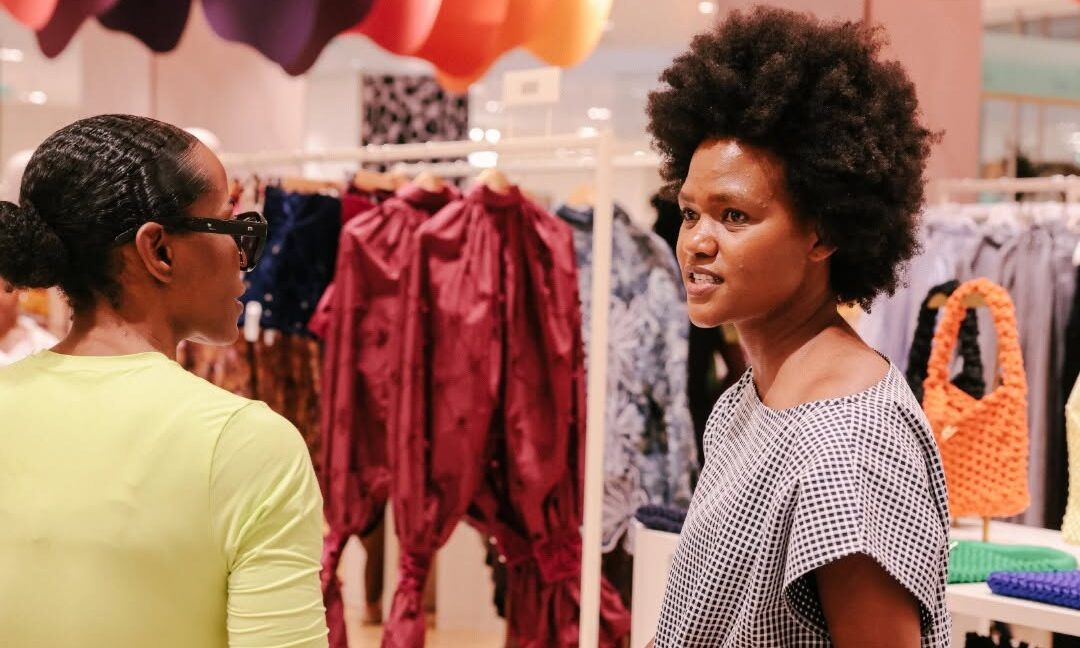
The Music In Africa Foundation (MIAF) is proud of its partnership with the Industrial Development Corporation (IDC) as a Strategic Implementing Partner (SIP) for its Social Employment Fund (SEF). Through this collaboration, MIAF is running a national programme that is creating jobs, addressing skills gaps, and strengthening South Africa's creative industries — in line with the SEF's overarching goal to generate work for the common good and build community value through employment, social contribution, and inclusive economic participation. Operating under the banner NEFCISA (National Employment Facility for Creative Industries in South Africa), the initiative is recruiting and training participants, matching them with host organisations, and has already placed 1 500 workers across the country — surpassing its original target of 1 000. NEFCISA is delivered through a network of 20 host organisations spanning five provinces, who are actively hosting participants and contributing to work for the common good across South Africa's creative and cultural industries. Key Objectives: Support employment and entrepreneurship in the creative industries. Offer skills development and training programmes. Foster partnerships between public and private creative sectors. Promote South African creativity at both provincial and national levels Foster community development through social contribution.

ACCES
ACCES

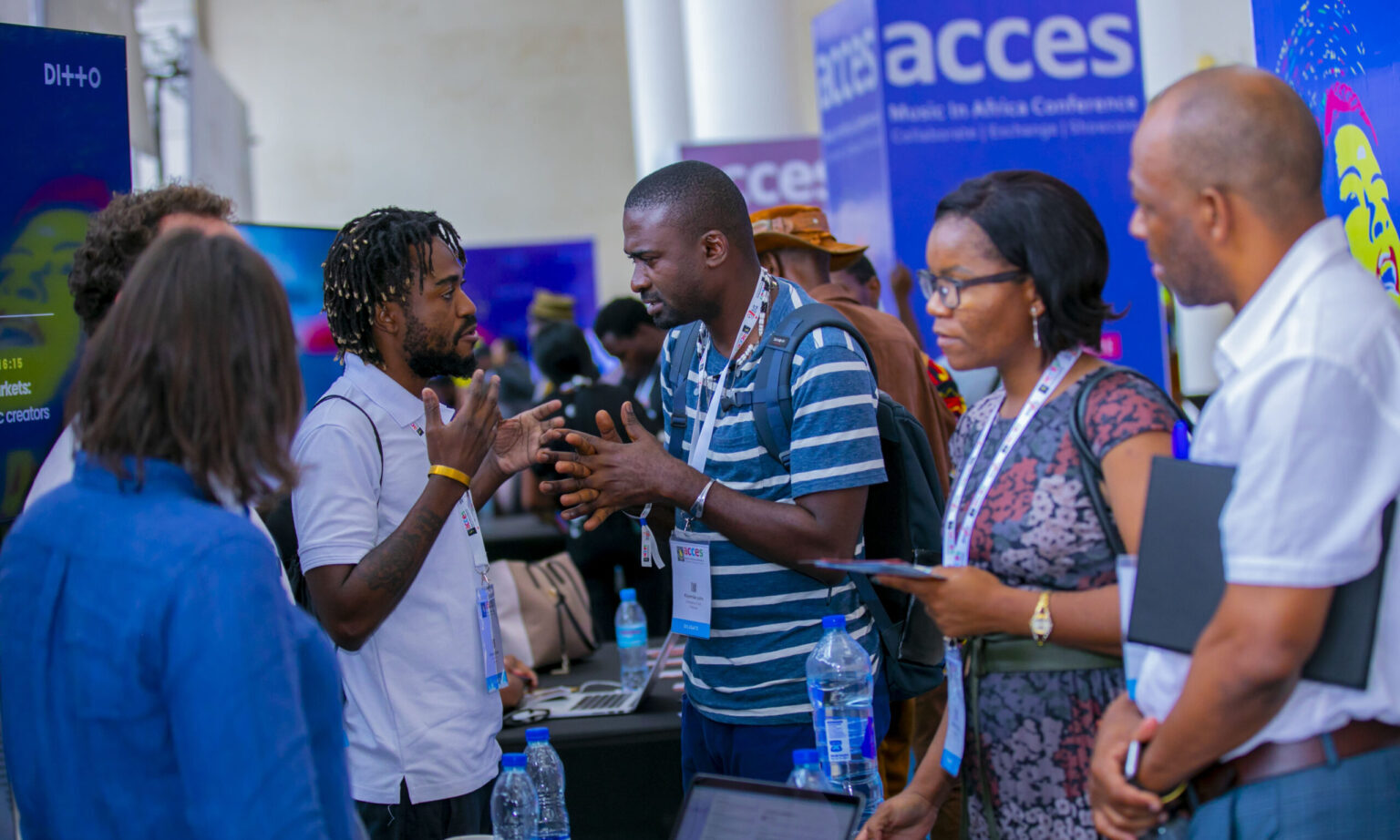
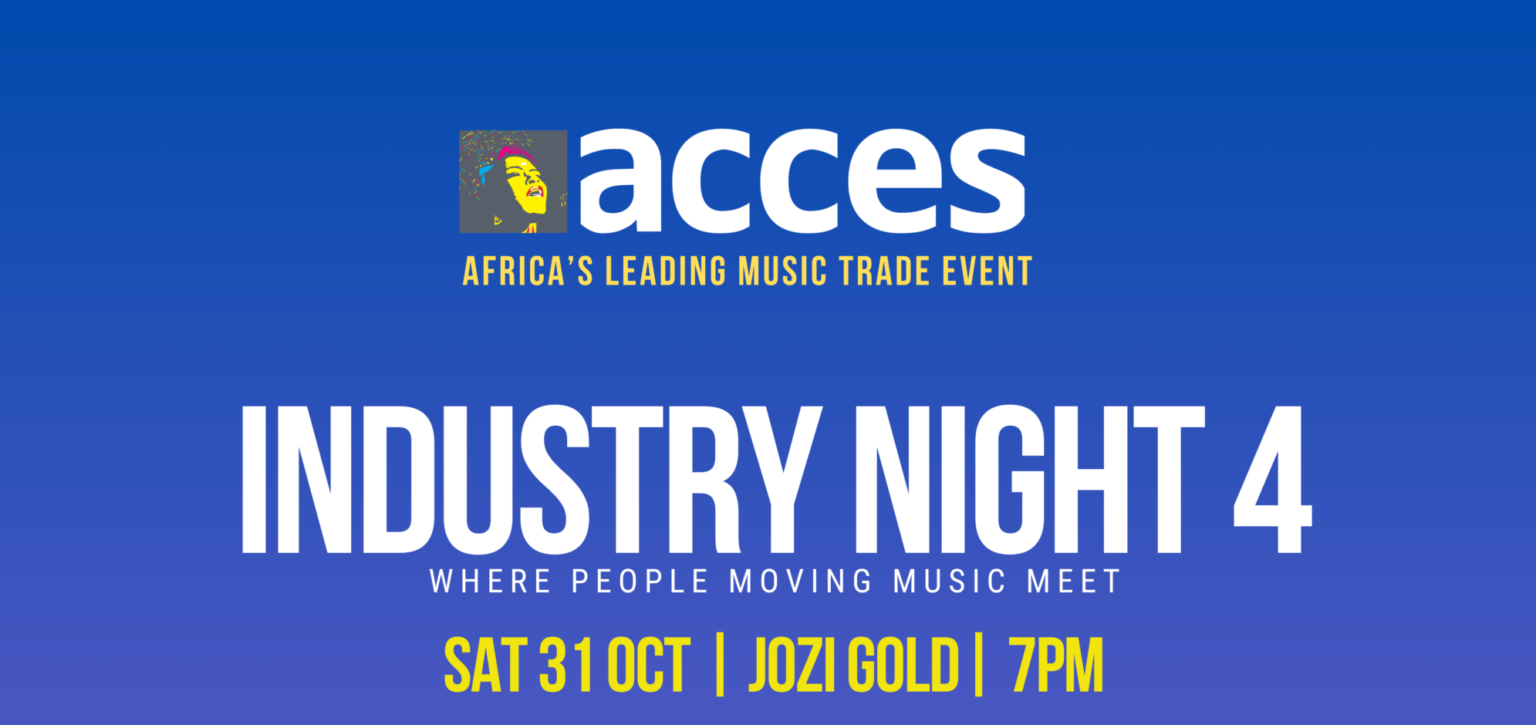
ACCES Conference and Showcase Festival is Africa's leading music industry gathering, bringing together the people shaping the future of the continent's music business. Artists, entrepreneurs, executives, investors, policymakers and cultural leaders from across Africa and around the world come to ACCES to build partnerships, exchange ideas, discover talent and create new business opportunities. Since its launch in 2017, ACCES has become the continent's premier platform for professional exchange and music market development. Combining a high-level conference with a curated showcase festival, networking, exhibitions and industry programmes, ACCES offers a unique space where creativity meets business and where African music connects with the global industry.

Gender@Work
Gender@Work

Music In Africa Gender @ Work is a three-year training programme aimed at upskilling and increasing the participation of female professionals in the African music sector. Launched by the Music In Africa Foundation (MIAF) in April 2019, the programme is connected to the MIAF’s ACCES music conference – a pan-African event held in a different African country every year. This connection enables the programme to reach new participants in a different African country every year. The programme marks the beginning of a more concerted effort by the Foundation to support the participation and inclusion of women in all facets of its programmes and the music sector in Africa as a whole. Over the three years, the programme will aim to address gender imbalances in the sector through training, lobbying, facilitating knowledge exchange and dialogues that foster the interest of women. The broader objectives of the programme are to: Provide industry training for women on critical music industry skills, focusing on: Stage management Electronic music production and recording Music business management Technical knowledge Provide an opportunity for both professional and aspiring women to benefit from the Music In Africa network and its broad range of activities in 2019, 2020 and 2021. Provide a solution-based platform in the form of a round table at ACCES with a view to identify challenges, discuss opportunities and lobby for the interests of female practitioners. Offer participants the opportunity to benefit from programmes offered by MIAF’s partners. Increase access to educational materials. Integrate participants in the broader ACCES programme to maximise experience and exposure to the industry. Record and present training materials on the www.musicinafrica.net, including but not limited to tutorials, templates and other best-practice materials. Communicate women-based themes that support the initiatives and messages of the programme. MAIN TRAINING ACTIVITIES Training in first country (Ghana): In the first year, participants will be trained on all aspects of stage management by a team of experienced stage managers from 10 to 17 November 2019. The programme will offer robust classroom training as well as practical, hands-on training in which participants will also be given the opportunity to manage various aspects of the ACCES performance programme. Training in second country: The second training iteration will take place at ACCES 2020 when the programme will diversify its course to include music production lessons and training on other music business topics. A round-table platform will also be introduced to coincide with the ACCES programme. Training in third country: The third training iteration will take place at ACCES 2021 in a different country, offering an advanced course. HOW DO YOU GET INVOLVED?  As a participant, facilitator or trainer: The programme enrolls up to 12 trainees every year. All opportunities are advertised publicly on this website, and will be added to this page. Please keep checking this page for new calls (below under UPDATES & CURRENT OPPORTUNITIES). As a partner Please contact Claire Metais at [email protected]. APPLY The call for applications for 2020 will be announced soon. The Music In Africa Gender @ Work programme is made possible with the support of the Prince Claus Fund, Siemens Stiftung and Goethe-Institut.

Sound Connects Fund
Sound Connects Fund

For cultural and creative practitioners and organisations operating in southern Africa, access to funding remains a major challenge. The COVID-19 pandemic has also had a massive impact on government policy, spending and the economy in general, and has seen spending on culture being moved further down the list of priorities. Further, the cultural and creative industries repeatedly cite four main areas where investment is needed for growth, which are increased visibility, mobility including access to new markets, finance and support structures.

Instrument Building And Repair Project

Experience the Vibrations African Instruments Exhibition online in 3D

banner image

Papa Wemba, la star de la rumba congolaise n’est plus

Home/Non classé/Papa Wemba, la star de la rumba congolaise n’est plus

Le musicien congolais est mort au milieu de la scène pendant qu’il chantait. L’artiste venait de commencer sa prestation, après avoir chanté trois de ses titres, Papa Wemba s’effondre sur le podium à la surprise de tout le monde.

Son attaché de presse Henri Noel Mbuta témoigne sur les antennes d’une radio locale de Kinshasa. « Vers 5h10, heure d’Abidjan, Papa Wemba a été annoncé pour monter sur le podium. Il a chanté la première et la deuxième chanson. Alors qu’il chantait la troisième chanson, il s’est écroulé. Je suivais le concert en direct à la télévision. J’ai vu les danseuses entourer Papa Wemba. J’ai cru que c’était un scénario du concert. Mais ensuite je vois surgir sur le podium les gens de la Croix-Rouge ivoirienne. On l’a acheminé à l’hôpital. Je rappelle dix minutes après, on me dit qu’il est aux soins intensifs. J’appelle trente minutes après, Cornelie (un de ses collaborateurs) me dit que Papa Wemba a rendu l’âme ».

À 11h38 les organisateurs du Femua annoncent officiellement dans un post sur les réseaux sociaux la mort de l’artiste congolais. « C’est avec une profonde tristesse que le Commissariat Général du Femua vous annonce le décès de l’artiste Congolais Papa Wemba, survenu suite à un malaise sur la scène du Festival des Musiques Urbaines d’Anoumabo ».

Décédé suite à un malaise sur scène, et pourtant le chanteur avait l’air très en forme avant le concert qu’il a confirmé sa tenue un jour avant. « Nous serons ce soir à Anoumabo à partir de 3 heures (Abidjan) retransmis en direct de la RTI (la télévision nationale ivoirienne) et demain à Khorogo à 21 heures (Abidjan, Côte d’Ivoire), Bonnes festivités à tous et à toutes! » c’était le dernier message laissé sur sa page Facebook.

Selon Claudy Siar, animateur et présentateur de « Couleurs Tropicales » sur RFI, Papa Wemba souhaitait jouer son concert beaucoup plutôt, « Mais je lui ai dit que c’est l’apanage des plus grands de monter sur scène en dernier. C’est lui qui doit clore la cérémonie pour donner à nouveau une impulsion à la jeunesse » témoigne Monsieur Siar.

Sous le choc, les artistes et autres personnalités de la RDC et d’ailleurs ont rendu hommage à la star de la rumba congolaise. Youssou N’Dour dans un bref message a déclaré, « un grand artiste est parti. RIP le prince de la musique ».

« Une pensée pour notre Papa Wemba Congolais merci pour ta voix tes chansons ta sympathie et pour cet héritage artistique merci pour tout. Rip » a dit Passi, le rappeur franco-congolais (Congo Brazzaville).

Maurice Bandaman, ministre ivoirien de la culture et de la francophonie a exprimé sa « solidarité à la famille de la musique africaine. »

« Je suis choqué par la brusque disparition du grand artiste Jules Shungu Wembadio ” Papa Wemba” » a écrit Lambert Mende, Ministre des Médias de la RDC.

« Pour moi, c’est avec beaucoup de tristesse (que j’ai appris la nouvelle) et en même temps mêlée de beaucoup d’inquiétude, parce que je savais qu’il était très affaibli. Qu’il aille jouer à un festival, en plus de ça qu’il monte sur scène à 4 heures, 5 heures du matin, à son âge, je pense que les organisateurs ont mal fait le planning » regrette Félix Wazekwa qui fût son parolier.

Même regret chez Koffi Olomidé, autre grand artiste du Congo Kinshasa « Pour moi, la valeur de la musique congolaise est aussi partie. Tabu Ley n’est plus. Madilu est déjà mort comme Pepe Kalé, Franco Luambo Makiadi. Aujourd’hui c’est Papa Wemba ».

[video:https://www.youtube.com/watch?v=x0pdUHUhQn4 autoplay:0]


À Abidjan, la capitale ivoirienne, les organisateurs du Femua prévoient d’organiser à  Anoumabo la scène du Festival une veillée mortuaire où les artistes de la Côte d’Ivoire viendront rendre hommage au musicien congolais mort le dimanche 24 Avril. Mais rien n’est encore confirmé. À Kinshasa, les fans du chanteur attendent impatiemment la dépouille mortelle de leur star. Aucun programme officiel n’est annoncé pour le moment.

Jules Shungu Wembadio alias Papa Wemba est devenu, en 50 ans de carrière, l’une des grandes figures de la musique congolaise et une icône africaine. En 1977, il crée l’orchestre Viva La Musica, après avoir fait ses armes dans  Zaïko Langa Langa, qu’il a co-fondé en 1969, Isifi Lokole puis Yoka Lokole. Il signe dans Zaïko plusieurs titres à succès dont « Chouchouna », « Pauline », « Liwa ya Somo », « Amoureux déçu ». On retiendra de lui la chanson « Amazone », du nom de son épouse, composé dans le groupe Isifi Lokole.

Après plusieurs albums avec son groupe Viva La Musica, Papa Wemba connait un succès mondial grâce à Real World, le label de Peter Gabriel avec lequel il sort trois albums : Le Voyageur (1992), Emotion sorti en 1995, vendu à 500.000 exemplaires puis Molokai en 1999. Papa Wemba est connu comme le précurseur du mouvement de la Sape. Il a collaboré avec plusieurs musiciens entre autres Manu Dibango, Ray Lema, Youssou N’Dour, Koffi Olomidé, Lokua Kanza, qui fut l’arrangeur de son album Emotion. On se souviendra également de son rôle principal dans le film « la Vie est belle » réalisé en 1997 par Dieudonné Ngangura Mweze et Benoît Lamy. Son dernier album Maître d’école, dédié à la rumba congolaise est sorti en 2014.

newsletter banner

Subscribe to our monthly Newsletter

Follow us on social media