



































NEFCISA
NEFCISA

The Music In Africa Foundation (MIAF) is proud of its partnership with the Industrial Development Corporation (IDC) as a Strategic Implementing Partner (SIP) for its Social Employment Fund (SEF). Through this collaboration, MIAF is running a national programme that is creating jobs, addressing skills gaps, and strengthening South Africa's creative industries — in line with the SEF's overarching goal to generate work for the common good and build community value through employment, social contribution, and inclusive economic participation. Operating under the banner NEFCISA (National Employment Facility for Creative Industries in South Africa), the initiative is recruiting and training participants, matching them with host organisations, and has already placed 1 500 workers across the country — surpassing its original target of 1 000. NEFCISA is delivered through a network of 20 host organisations spanning five provinces, who are actively hosting participants and contributing to work for the common good across South Africa's creative and cultural industries. Key Objectives: Support employment and entrepreneurship in the creative industries. Offer skills development and training programmes. Foster partnerships between public and private creative sectors. Promote South African creativity at both provincial and national levels Foster community development through social contribution.

ACCES
ACCES

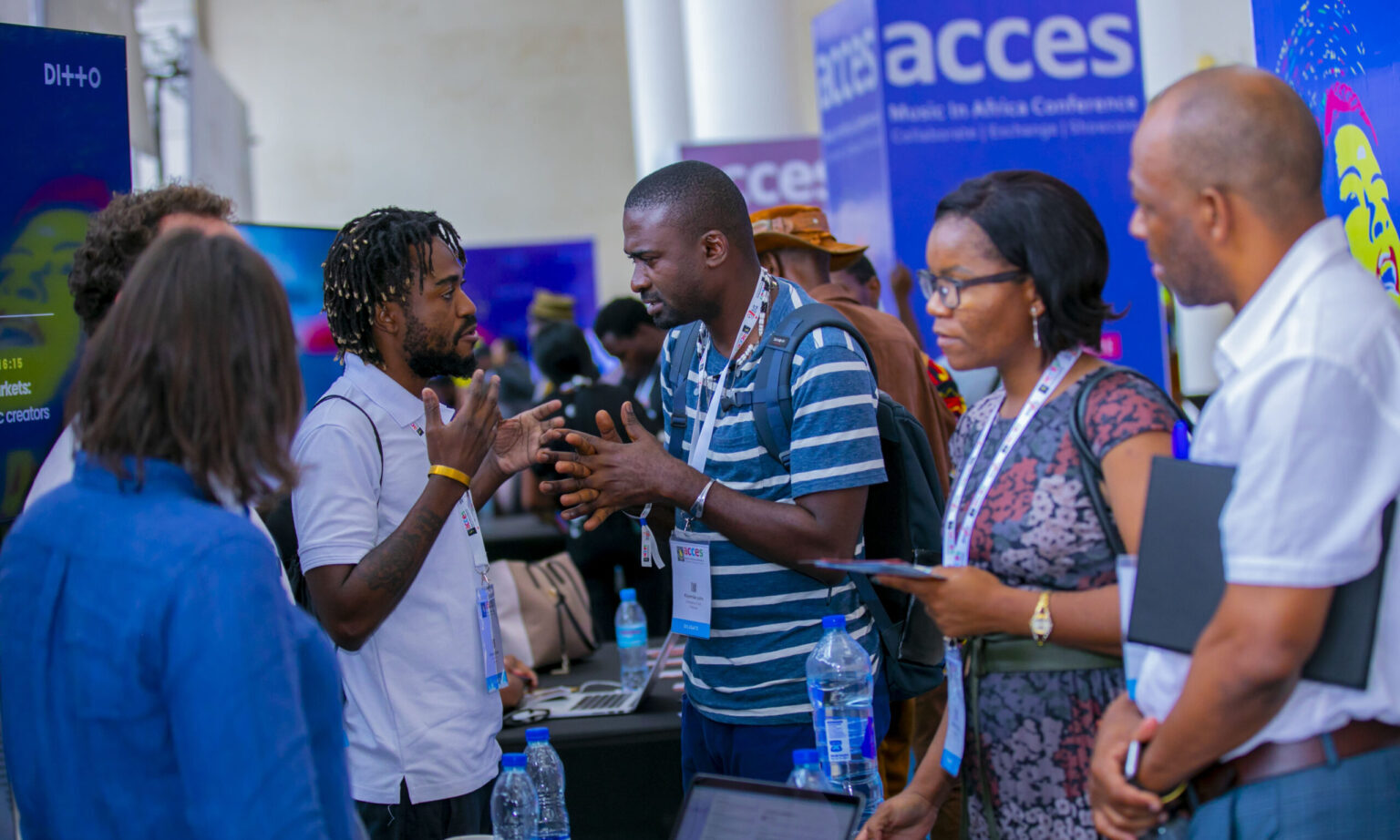
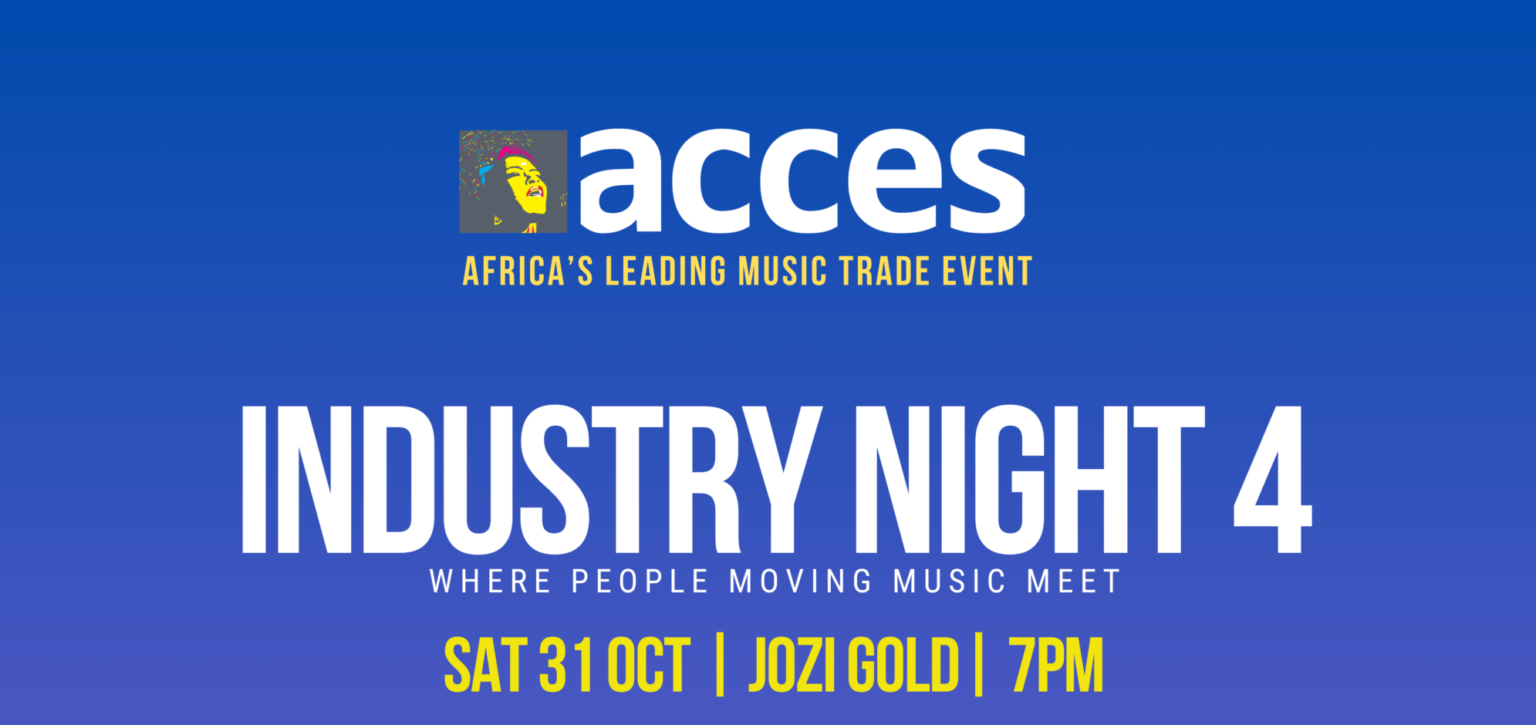
ACCES Conference and Showcase Festival is Africa's leading music industry gathering, bringing together the people shaping the future of the continent's music business. Artists, entrepreneurs, executives, investors, policymakers and cultural leaders from across Africa and around the world come to ACCES to build partnerships, exchange ideas, discover talent and create new business opportunities. Since its launch in 2017, ACCES has become the continent's premier platform for professional exchange and music market development. Combining a high-level conference with a curated showcase festival, networking, exhibitions and industry programmes, ACCES offers a unique space where creativity meets business and where African music connects with the global industry.

Gender@Work
Gender@Work

Music In Africa Gender @ Work is a three-year training programme aimed at upskilling and increasing the participation of female professionals in the African music sector. Launched by the Music In Africa Foundation (MIAF) in April 2019, the programme is connected to the MIAF’s ACCES music conference – a pan-African event held in a different African country every year. This connection enables the programme to reach new participants in a different African country every year. The programme marks the beginning of a more concerted effort by the Foundation to support the participation and inclusion of women in all facets of its programmes and the music sector in Africa as a whole. Over the three years, the programme will aim to address gender imbalances in the sector through training, lobbying, facilitating knowledge exchange and dialogues that foster the interest of women. The broader objectives of the programme are to: Provide industry training for women on critical music industry skills, focusing on: Stage management Electronic music production and recording Music business management Technical knowledge Provide an opportunity for both professional and aspiring women to benefit from the Music In Africa network and its broad range of activities in 2019, 2020 and 2021. Provide a solution-based platform in the form of a round table at ACCES with a view to identify challenges, discuss opportunities and lobby for the interests of female practitioners. Offer participants the opportunity to benefit from programmes offered by MIAF’s partners. Increase access to educational materials. Integrate participants in the broader ACCES programme to maximise experience and exposure to the industry. Record and present training materials on the www.musicinafrica.net, including but not limited to tutorials, templates and other best-practice materials. Communicate women-based themes that support the initiatives and messages of the programme. MAIN TRAINING ACTIVITIES Training in first country (Ghana): In the first year, participants will be trained on all aspects of stage management by a team of experienced stage managers from 10 to 17 November 2019. The programme will offer robust classroom training as well as practical, hands-on training in which participants will also be given the opportunity to manage various aspects of the ACCES performance programme. Training in second country: The second training iteration will take place at ACCES 2020 when the programme will diversify its course to include music production lessons and training on other music business topics. A round-table platform will also be introduced to coincide with the ACCES programme. Training in third country: The third training iteration will take place at ACCES 2021 in a different country, offering an advanced course. HOW DO YOU GET INVOLVED?  As a participant, facilitator or trainer: The programme enrolls up to 12 trainees every year. All opportunities are advertised publicly on this website, and will be added to this page. Please keep checking this page for new calls (below under UPDATES & CURRENT OPPORTUNITIES). As a partner Please contact Claire Metais at [email protected]. APPLY The call for applications for 2020 will be announced soon. The Music In Africa Gender @ Work programme is made possible with the support of the Prince Claus Fund, Siemens Stiftung and Goethe-Institut.

Sound Connects Fund
Sound Connects Fund

For cultural and creative practitioners and organisations operating in southern Africa, access to funding remains a major challenge. The COVID-19 pandemic has also had a massive impact on government policy, spending and the economy in general, and has seen spending on culture being moved further down the list of priorities. Further, the cultural and creative industries repeatedly cite four main areas where investment is needed for growth, which are increased visibility, mobility including access to new markets, finance and support structures.

Instrument Building And Repair Project

Experience the Vibrations African Instruments Exhibition online in 3D

banner image

Top 10 des meilleurs titres de Daara J Family

Home/Non classé/Top 10 des meilleurs titres de Daara J Family

« Daara J »

Titre éponyme de l’album Daara J, ce morceau est un classique du rap sénégalais. Sorti chez Déclic en 1997, avec à la réalisation Mad Professor, (mix) Carlton Bubblers, « Daara J » est un vrai succès qui installe le groupe parmi les plus populaires du Sénégal. Quoi de mieux pour un groupe naissant, de faire du titre éponyme de son premier album, un hit ? L’album contient également le tube « Mbeggel », qui a fait danser toute une génération

[video:https://www.youtube.com/watch?v=HUfL1dIFRw8 width:853 align:center autoplay:0]

« Loxo ca kaw »

Tiré de l’album Daara J, le titre « Loxo ca kaw » (les mains en l’air), en wolof, est un autre titre très apprécié du groupe. Son refrain accrocheur et ses solos sur lesquels les trois membres du groupe, chacun avec son style propre, s’exécute brillamment, en fait, outre le titre « Daara J », un des tubes de ce premier album.

[video:https://www.youtube.com/watch?v=uZnmEACFKjM width:853 height:480 align:center autoplay:0]

« Borom Bi »

Inclus dans l’album Xalima, (la plume) « Borom Bi », (Dieu) est certainement l’un des titres les plus inspirants jamais écrit sur le sujet. Ndongo et ses compagnons parviennent à retranscrire en 3 : 50 chrono, dans une composition dépouillée et exécutée presque en transe, l’intensité de leur foi. C’est tout juste, prodigieux.

[video:https://www.youtube.com/watch?v=oGuE_0xdTGs width:853 height:480 align:center autoplay:0]

« Ma vie »

Dans une interprétation solo magistrale, le chanteur du groupe Faada Fredy délivre ici une pépite, toujours dans l’album Xalima. « Ma vie » réalisé par Derek Demondo avec l’appui d’Habib Faye à la basse, démontre la dextérité vocale de Faada. Xalima propose une musique aboutie, qui transcende la sphère rap de l’époque.

[video:https://www.youtube.com/watch?v=WD-K6t6uNNE width:853 height:480 align:center autoplay:0]

« Identité »

« Identité », est assurément l’un des titres marquants de l’album Xalima. L’identité, on le verra par la suite, est un thème privilégié pour Daara J. Amené par le chant de Faada, le toast de Lord Alajiman, et le rap de Ndongo, « Identité » pose la question essentielle de l’identité de l’homme noir.

[video:https://www.youtube.com/watch?v=JlEoTeIYeu4 width:853 height:480 align:center autoplay:0]

« Exodus »

13 titres composent l’album Boomerang sorti en 2003 chez Wrasse Records. Outre le titre éponyme chanté avec la malienne Rokia Traoré et n°1 sur les charts europèens durant plus de deux mois, Daara J signera l’entêtant « Exodus » qui évoque l’émigration. Le titre, toujours d’actualité, est plébiscité.

L’album a reçu les critiques élogieuses des plus grands magazines du monde et sera récompensé du prix Best African Act Award décerné par BBC Radio. 

Boomerang enregistre également une participation prestigieuse du rappeur franco-sénégalais, Disiz la Peste, sur le morceau « Paris-Dakar ».

[video:https://www.youtube.com/watch?v=5rpxes-KoJA width:853 height:480 align:center autoplay:0]

« Baayi Yoon »

Le titre « Baayi Yoon » (se perdre – en français) est issu de l’album School of Life sorti en 2010 réalisé par Gordon cyrius et produit par Bois Sakré/Traffix. La radio RFI classe cet album dans les 10 meilleurs au monde.

Désormais composé de Ndongo et Faada, Daara J Family livre un album au registre varié à la musicalité achevée. Moderne sans pour autant céder au modernisme, School of Life recèle entre autres tubes, « Tomorrow », « Celebrate » et « Baayi Yoon ».

[video:https://www.youtube.com/watch?v=dPuwfkn0uLU width:853 height:480 align:center autoplay:0]

« Waccel Sa griff »

On peut dire que le duo Ndongo D / Faada Freddy a eu le nez creux en incluant dans le format local de l’album School of Life (produit par Bois Sakré /Traffix), les titres « Jangileen » et « Waccel Sa griff » (produit par Demolisha) qui a été un énorme hit. Le morceau qui mêle opportunément sonorités africaines et jamaïcaines, invite à la mesure et à l’humilité.

[video:https://www.youtube.com/watch?v=Qhm7iOlyu4k width:853 height:480 align:center autoplay:0]

« Xeet »

« Xeet » (race) est issu de Foundation publié en 2016, c’est le dernier album en date du groupe. Adepte d’une musique de fusion, Daara J Family, utilise celle-ci d’abord pour sensibiliser et éveiller les consciences. « Xeet » vient ainsi toucher un problème social réel, dans les sociétés africaines, celui des castes, qui veut qu’une famille dite noble ne donne pas la main de sa fille à un griot. Ce phénomène toujours présent engendre parfois de véritables tragédies.

[video:https://www.youtube.com/watch?v=nz-7IAUNrT0 width:853 height:480 align:center autoplay:0]

« African Mousso »

Extrait de Foundation, « African Mousso »(réalisé par Hakim/Sunland) est un titre pop/soul très dansant, qui rend hommage à la femme africaine. Poussé par une vidéo colorée et joyeuse, le titre a bien fait bougé tout Dakar. « African Mousso » démontre aussi que Daara J occupe une place de choix sur la scène locale ; il parvient avec des sonorités parfois loin du rap, à séduire aussi bien le grand public que le public rap, chose pas toujours aisée au Sénégal.

[video:https://www.youtube.com/watch?v=MKIuNQLcHwo width:853 height:480 align:center autoplay:0]

newsletter banner

Subscribe to our monthly Newsletter

Follow us on social media