























































By Niry Ravoninahidraibe
This article provides an overview of popular music in the Big Island, and the different musical genres and artists driving it.
Tropical Music: The unifying sound of Madagascar
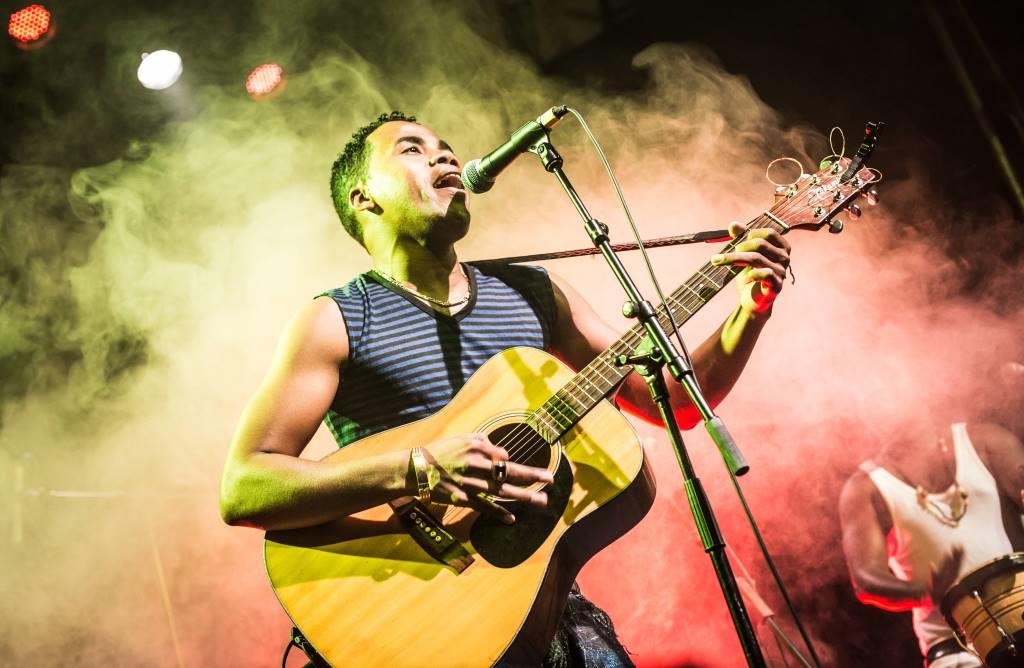
The Big Island boasts various kinds of music - urban music, rock, world music or folk - such that it is difficult for the island to maintain a sustained commitment to any particular genre. It must be said that the Island enjoys ‘new releases’ without forgetting that it includes a plurality of ethnic groups, such that it is difficult to stick with any kind of music. But now a new kind of music features on television screens, radio and often pirated CDs. This development is nicknamed ‘tropical’ music. It has to do with the advent of a new era that began around 2010 with Jerry Marcoss, Tsiliva and other female singers. Previously unknown artists brought a new rhythm that got many Madagascans on their feet—not only those from the coast but also those from the highlands. The movement was rooted in family celebrations but also in the end-of-year festivities. To this day, Madagascans remain attached to tropical music.
Tropical music is often used to highlight traditional music, preferably those that are rhythmic, but it can also be based on a foreign genre, an African genre for example. In all cases it encourages dancing. It is a kind of music that is primarily synonymous with celebration. The term ‘tropical’ often refers to music by Madagascans who are not natives of the highlands. Although the term is used to designate a kind of festive music, tropical artists are also lovers of romantic music or gospel. In short, they contain different influences, but dance music is the common reference of all Madagascan tropical music fans.
Its lyrics are distinguished by its dialect, which differs from the official language. The words are not understood by all Madagascans, but those who do not understand are nonetheless happy to enjoy the melody. While these traits make it popular, tropical music remains temporary. In other words, for a new song to be known, it must be promoted in the media.
An artist or a song in the tropical genre has a limited lifespan. To remedy this handicap, an artist must multiply his or her creations to continue to benefit from the media hype. He or she must not only write new songs, but also find new rhythms and multiply the screentime that the popularity of these songs requires. This is not, strictly speaking, the kind of music that will continue to dominate the music industry in Madagascar.
Tropical music artists give group concerts, that is to say we never see an artist of this kind of music performing alone at the Mahamasina Palais des Sports. However, this is common during cabarets that take place at Glacier, for example. Indeed, tropical music is popular largely due to its media dominance, raising fears in the promoters of tropical music about losing their position when urban music starts to take over the media - in other words attacking tropical music on its own grounds. Still, the popularity of this genre of music is unquestionable at present. Tropical artists can stand to benefit from hosting their own concerts rather than being part of a group event. However, if one looks at the sale of tropical albums, one observes that some artists are neglected compared to others, even with regard to tropical music. The spark of novelty remains vivid for Madagascans.
The revenge of urban music
A Madagascan label centered on urban music, Gasy Ploit, has been in the media spotlight recently, receiving similar levels of attention to promoters of tropical music. Clearly, urban music has become just as popular as tropical music. This is true for most purchased pirated CDs, which in the past have been primarily of tropical music, but for young people their purchases are shifting to urban music. This label has paved the way and many artists and label are trying to gain their share of the popularity.
Urban music arguably reached its golden age in the 90s, but could not keep its place in relation to new genres; it is always a question of trends. Urban music in 2015 differs in several ways to yesteryear’s version, but it is still the same genre. The popularity of such trends is of concern to some artists and promoters, as tropical music has developed to emulate the styles commonly associated with urban music. Conversely, urban music artists borrow some features from tropical music, like the presence of dancers to accentuate their rhythms.
From this perspective, a new kind of music has been born, a fusion of tropical and urban genres, one that could be described as the fastest growing sound in Madagascar. Naturally, collaborations are engaged between artists from allegedly ‘opposing’ genres. There are exceptional features from Madagascar, but their success is such that even a diva of the Madagascan traditional music can be seen performing with rappers, for example.
The continued popularity of Madagascan ‘variety’
Artists who enjoy an easy popularity through a new album or concert (to mark 40 years of the live scene, for example) are not defined by a single genre. Indeed, on the list of popular artists one sees a blend of the rock and World Music, while the majority are ‘variety’ artists or influenced by other styles. The majority of these artists perform regularly in the cabaret and rarely at the Sports Palace. Filling the Sports Palace is a sign of popularity in the hearts of many Madagascans, and a move that few artists take the risk of exploring. Instead they prefer to try their luck at the CCESCA Antanimena or the Garden of Antsahamanitra.
Releasing CDs is not the preferred way for artists to profit from their music. Instead they prefer concerts, which are much more profitable. The producers of pirated CDs have an advantage in their sales because of their low prices: a pirated CD is usually five times cheaper than an original one. Since 2002, the pirated CD industry has been on the increase. Profits from these CDs triple during the end-of-year festivities. But artists do not despair and continue to produce original material, knowing they will always find loyal buyers who resist the temptation of turning to illegal alternatives. In Madagascar, the popularity of an artist is seen in the sales of pirated CDs. However, this does not stop the productivity or creativity of artists. Madagascan ‘variety’ seems to be neglected for urban and tropical music, but this is not in reality the case—these songs are hardly forgotten, and comebacks are often the expression of success.
Sources:


Most popular

Top amapiano songs of 2026
16 Feb 2026

Top Afrobeats songs of 2026
19 Mar 2026
AFRIMA 2026: All the winners
12 Jan 2026

Open call: Goethe-Institut grants for Southern African creatives
08 Sep 2026

Top Naija songs of 2026
31 Mar 2026

Sun-El Musician confirmed for ACCES 2026 in Joburg
15 Sep 2026

Call For Applications : ACCES seeks a UK-based performer
10 Sep 2026
Disclaimer: Music In Africa provides a platform for musicians and contributors to embed music and videos solely for promotional purposes. If any track or video embedded on this platform violates any copyrights please inform us immediately and we will take it down. Please read our Terms of Use for more.

Subscribe to our monthly Newsletter
Follow us on social media


Please log in to post a comment.