
















































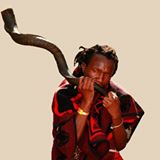


This article provides an overview of spiritual music in Lesotho, showing how music plays an integral role in the country's worship traditions. The origins of spiritual music in Lesotho will be outlined, and the article will conclude with information about the contemporary state of such music.
Background information
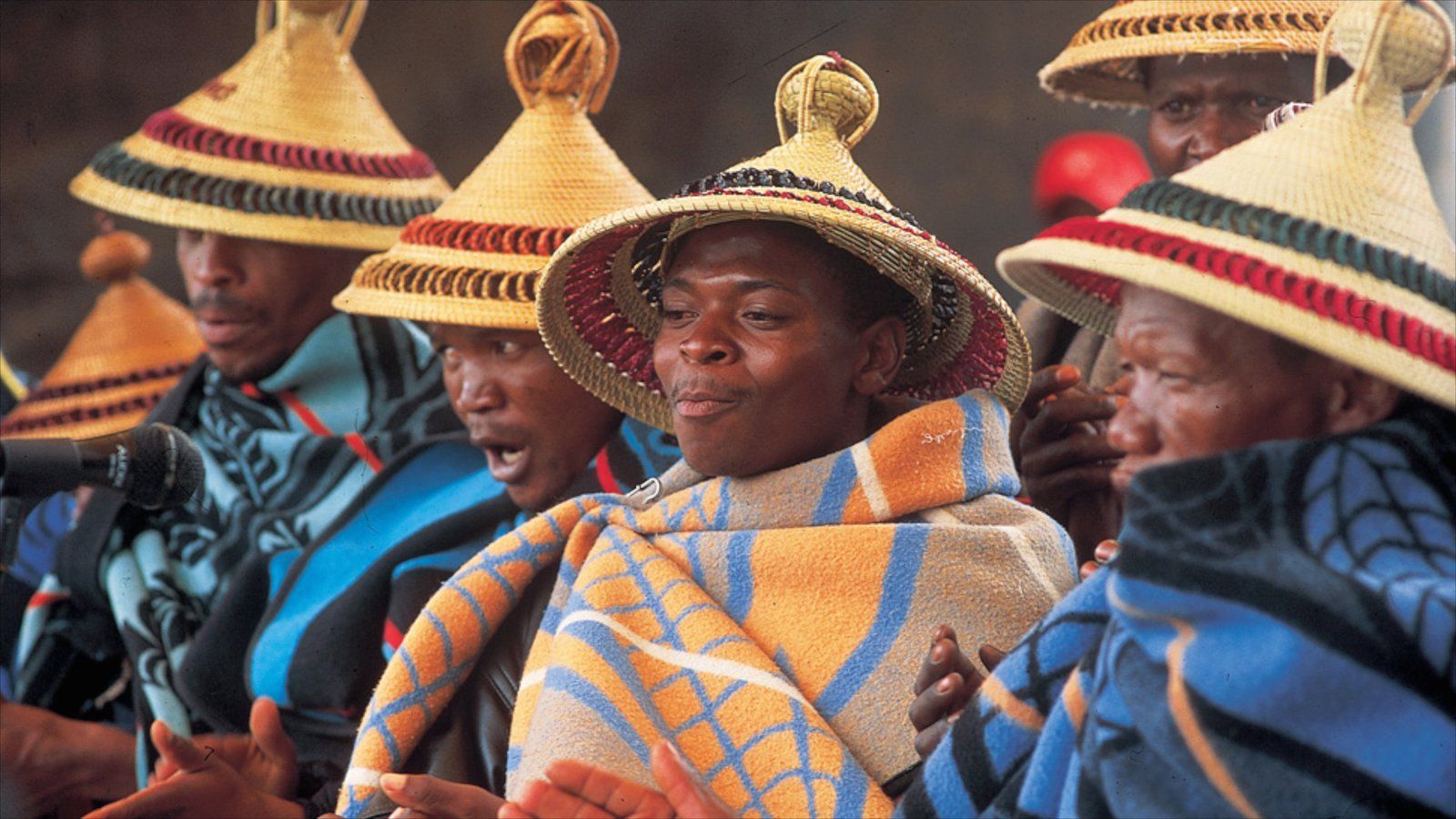
In Lesotho, like in many other parts of sub-Saharan Africa, spirituality is a treasured facet of life. This is evidenced by the many customs, rituals and cultural practices associated with it. There are two main ways people observe spirituality in Lesotho: traditional beliefs and formal religion. These practices are deliberately distinguished by pronounced costumes, observable standards and worship ceremonies. At the heart of all these religious practices is music[1].
History of spiritual music in Lesotho
Lesotho is a relatively young country that was formed in the early 1800s when people of different cultures and belief systems started settling in the foothills of the Maloti Mountains following the upheavals of the Lifaqane and the Great Trek, although there is evidence that people were present in the area about 40 000 years ago[2]. The rich musical heritage of the Basotho can be associated with the founding of the nation, as King Moshoeshoe I was a renowned praise poet, and this tradition has been nurtured to this day, often being interpolated into other musical forms[3].
The Abathembu people, of Xhosa lineage, first introduced the ‘horse-trot’ style of drumming to Lesotho, as well as the chanting and overtone singing traditionally associated with healing practices. There are still people who keep this tradition alive: they are known as lingaka (traditional healers) or mathuela, which is also the name given to the style of music (including chants and dance movements) that they employ[4].
Various evangelist, Catholic and Anglican missions brought European hymns to Lesotho from about 1833, translated them into Sesotho and a new genre of music (lifela) was born. Although many Basotho embraced the phenomenon of the new religion, there were others who wanted to continue practicing their traditional beliefs, and this led to the establishment of several apostolic faith missions – most notably St John’s Apostolic Church, founded by Christinah Mokotuli Nku in 1906. This was the first of several powerful independent African churches in the region. These institutions had a profound and long-lasting effect on spiritual music in Lesotho and southern Africa, as seen by the popularity of current-day choir groups such as Barorisi Ba Morena, whose members all belong to St Jacobs Saviour's Church[5].
Music in spiritual spaces
People in Lesotho attend church or worship services for the wisdom of the sermons and the camaraderie of the congregation. What is common to all devotional spaces is the presence of music, though the style of the music depends on the founding principles of the church itself.
Catholic, Methodist and Anglican churches have largely maintained tradition, with canonical hymns (translated into Sesotho) being led by organs and/or a church-based choir. The congregation sings, claps and dances in accompaniment. However, evangelical churches have aligned their music to that of contemporary genres, including pop and rhythm and blues. The use of dedicated choirs, as well as modern-day instruments such as keyboards and guitars, is common in these spaces, where music often functions as a way to create excitement and stir up energy among the congregation[6].
Traditional churches, meanwhile, will often use indigenous instruments in their musical practices. Their hymns usually consist of phrases extracted from the Bible, which are led by one or two members, with everyone singing the chorus in a typical call-and-response pattern. The heartbeat of the music is usually a moropa drum, made of a vessel covered on both ends with cow skin. The drum is traditionally played with mallets. Other members of the congregation will sometimes add cow bells and shakers in accompaniment. Music plays a fundamental part in these services, as congregants take turns in leading the sermon by contributing sung dialogue[7].
Finally, the mathuela (traditional healers) of Lesotho are often regarded as the custodians of Basotho spiritual music. They remain strongly grounded in traditions, using lekhitlane (goat horns), metal whistles, ankle rattles, hand clapping and drums to accompany their singing. They also infuse their lyrical content with themes and symbols from the founding belief systems of the Basotho nation: ancestors, spirits, sacrificial animals and natural phenomena like rain. The purpose of the music is to heal and cast away bad spirits. In a group consultation, the leader (nkhekhe) leads a song with a drum after which singing ensues. The nkhekhe then stops singing and begins a sung dialogue, where he will utter a few words and the group will follow in a 2:5 polyrhythm, coordinating two hand claps in synch with a drum and their voices, which chant "siyavuma"(we concur)[8].
Contemporary spiritual music in Lesotho
Today, there are more platforms than ever where spiritual music enjoys airplay in Lesotho, including radio and TV stations, social media channels and podcasts. Mainstream media that broadcast spiritual music include Harvest FM, Radio Lesotho, Ts’enolo FM and Lesotho TV. Churches remain important social spaces in the country, and most will hold festivals at festive times of the year like Christmas and Easter when music features prominently.
There are a number of recording artists in Lesotho, such as the Macecilia A St Paul choir and Tsepo Kherenchane, who have moulded successful careers around gospel music. Other artists will often release songs that deal thematically with their spiritual challenges. For example, Tsepo Tshola of Sankomota paired a Sesotho-translated hymn with an Afro-jazz accompaniment on the popular song 'Ho Lokile', which he dedicated to his late wife.
In addition, traditional healers continue to organise ceremonies as part of the requirements of their practice, such as the welcoming of new recruits (ho-fehlelloa / lefehlong) and graduation ceremonies. Music remains central to all of these events.
Resources and citations:
- [1], [3], [4], [6], [7] & [8] Wells, Robin E. An Introduction to the Music of the Basotho. Johannesburg: Wits University Press, 1996
- [2] https://en.wikipedia.org/wiki/History_of_Lesotho#Ancient_history
- [5] http://www.christina-landman.co.za/nku.htm
Disclaimer: Music In Africa's Overviews provide broad information about the music scenes in African countries. Music In Africa understands that the information in some of these texts could become outdated with time. If you would like to provide updated information or corrections to any of our Overview texts, please contact us at [email protected].
Editing by David Cornwell


Most popular

Top Afrobeats songs of 2026
19 Mar 2026

Top Naija songs of 2026
31 Mar 2026

Top amapiano songs of 2026
16 Feb 2026

AFRIMA 2026: All the winners
12 Jan 2026
Visa appoints Fally Ipupa as face of Visa Pay in Democratic Republic of Congo
23 Sep 2026
NAAK and Vumaala to take SA electronic sounds to Amsterdam
02 Oct 2026
Disclaimer: Music In Africa provides a platform for musicians and contributors to embed music and videos solely for promotional purposes. If any track or video embedded on this platform violates any copyrights please inform us immediately and we will take it down. Please read our Terms of Use for more.

Subscribe to our monthly Newsletter
Follow us on social media


Please log in to post a comment.