

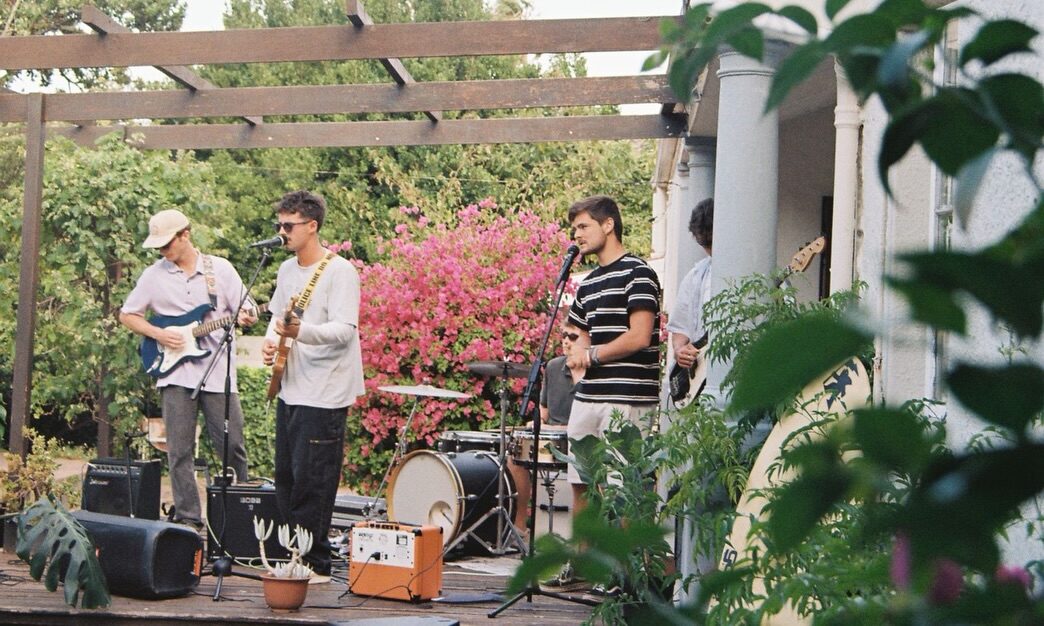
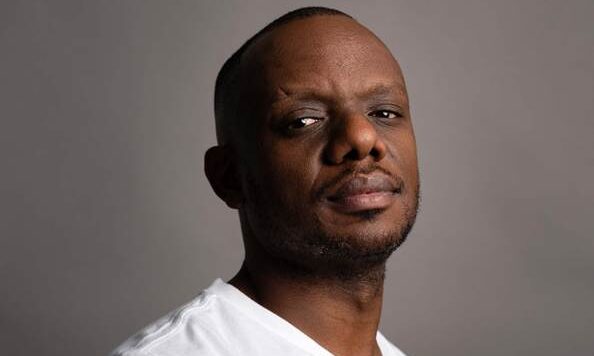














































South African musician and music researcher Billy Monama, with the support of the National Arts Council of South Africa, launched in October a series of online tutorial videos about the history and evolution of South African guitar playing.
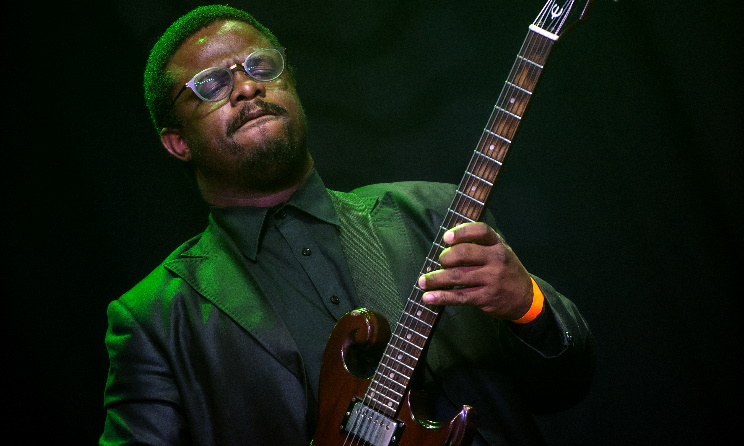
The series of workshops targets aspiring, intermediate and advanced musicians, and seeks to document information about South African’s guitar styles from the 1930s to the late 1980s.
Monama kicked off the project with the launch of the series’ first episode titled Introduction to South African Guitar Styles Vol. 1, which explores the maskanda guitar and focuses on sub-genres like khuze, isipoyinandi, mzansti, isimpondo and isishiyameni.
“I have realised that the uniquely South African style of playing guitar is fast disappearing,” Monama told Music In Africa. “The masters are passing on fast, the music schools are largely not teaching these styles, and many young musicians are swallowed by styles that only speak to the commercial effort of making quick money.
“Even professionals and journalists who want to do research about this beautiful invention, created out of our socio-political history in South Africa, struggle to find the necessary information. This means that important aspects of our heritage and musical legacy stand a chance of dying away.”
Monama also decried the state of music education in South Africa, especially in terms of standards and the development and inclusion of a local music syllabus.
“African music content in schools is too slim and it’s looked down upon as barbaric. South African music as a subject is given a peripheral position in local schools, unlike Western music which is given a lot of attention. As far as the formal structures of African education are concerned, nothing is really provided by way of special training for the music teachers.”
Asked why his tutorials only cover the 1930s to 1980s period, Monama said: “The 1990s and 2000s is set to be covered in Volume 2. There were so many ground-breaking guitarists who were mostly unknown to the public, so it was important to start with the acoustic era and move our way to electric guitar music like mbaqanga and Tsonga. I regard mbaqanga as the pop music of the 1960s – a neo-traditional blend of marabi, kwela and a bit of maskanda.”
Monama believes that his latest work will add to the collective knowledge of music professionals in South Africa
“The project is a resource and reference point for teachers, music students, researchers, journalists, and so on. It will contribute towards a broader awareness of our unique musical styles, which will hopefully lead to more musicians exploring that sound and more audiences demanding to hear our local music,” he said.
Before embarking on his new project, Monama developed music content and facilitated workshops at Wits University, the University of KwaZulu-Natal, Central Johannesburg College, University of Pretoria and the Tshwane School of Music.
Subscribe to Monama’s tutorials here.


Most popular

Top amapiano songs of 2026
16 Feb 2026

Top Afrobeats songs of 2026
19 Mar 2026

AFRIMA 2026: All the winners
12 Jan 2026

Open call: Goethe-Institut grants for Southern African creatives
08 Sep 2026

Top Naija songs of 2026
31 Mar 2026
Sun-El Musician confirmed for ACCES 2026 in Joburg
15 Sep 2026
Open Call: Voices For Roxette invites artists worldwide to submit cover versions
15 Sep 2026
Disclaimer: Music In Africa provides a platform for musicians and contributors to embed music and videos solely for promotional purposes. If any track or video embedded on this platform violates any copyrights please inform us immediately and we will take it down. Please read our Terms of Use for more.

Subscribe to our monthly Newsletter
Follow us on social media


Please log in to post a comment.