















































SA musician Ann Jangle talks about epic bicycle trip across Africa

11 Nov 2020 - 14:40


On 11 June 2019, South African singer-songwriter Ann Jangle embarked on an ambitious bicycle trip to raise awareness for endangered wildlife. She captured the trip using her phone, and the footage has resulted in a documentary titled African Dream Parade, which was released on 9 November.
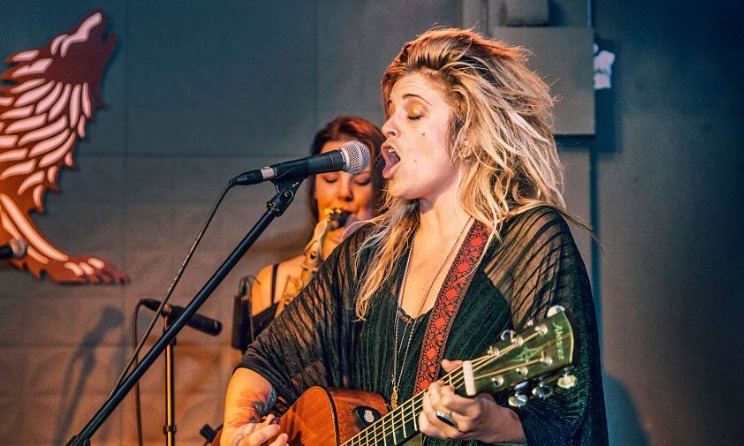
The musician cycled from South Africa – across Botswana, Zimbabwe, Zambia, Malawi and Tanzania – to Kenya, clocking more than 5 000km over seven months. She says her use of a bicycle was to not only symbolise freedom of movement but, on a personal level, it meant self-empowerment and overcoming fear.
The documentary is named after her solo album African Dream Parade, which was released in May last year. The documentary was directed and edited by award-winning filmmaker Marius van Graan and features behind-the-scenes footage of Ann’s highs and lows throughout the trip, an interview session, and her performance at the Zambezi Shores and Kilifi New Year festivals.
Music In Africa spoke to Ann Jangle about her experience during the incredible African Dream Parade trip.
MUSIC IN AFRICA: Your slogan is ‘uplifting communities through music’. How did it manifest itself during your journey?
ANN JANGLE: I cycled alone as a woman, halfway across the African continent, for an animal I hadn’t seen before – the African wild dog. Eventually, I learnt that most animals are on their way out. So I made my little slogan into one that raises awareness for all endangered wildlife and not just the wild dog. The importance of each animal as part of the ecosystem is vital to the food chain. I cycled with a Martin Backpacker guitar, which helped me to connect with all people when language was not an option, therefore creating some trust and unity. From there, anything is possible and a message can land on fertile soil.
Why did you choose to visit schools on your trip?
The older folks have destroyed nature but children have a chance to reverse the consequences. When I took out the guitar to play for them, they were very assertive. Others took it and surprisingly played it better than me, yet it was their first time to pick up an instrument. I feel we need to develop these creative skills in kids. The environment can do with less of this and more creative go-getters. I feel incredibly strong about teaching women these skills.
You played at the Zambezi Shores Festival. How was that experience?
I loved it! The natural setting of a stage on a riverbank on the mighty Zambezi River, which is home to crocodiles and hippos that would most likely kill you, and the boiling hot weather made it a worthwhile experience. It was also comforting to see some of my fellow musician friends from South Africa there. The music was great.
It seemed that the town of Bagamoyo in Tanzania left a lasting impression on you.
Yes, it is my dream to live in Bagamoyo. I am announcing my next great adventure soon: it ends in being based there. Bagamoyo means ‘to lay your heart down’. I felt this. The warm-hearted people, the rawness of the place, the fruit, the music, the ocean air. Even poverty was rich in many aspects. Also, the Firefly Boutique Lodge is home to Marafiki Music Festival where I hope to perform one day, too. Joanne, the owner of this incredibly rustic lodge, became one of my close friends and a soul sister. I also picked up a few Swahili words from the locals.
What was it like being at a workshop in Zanzibar facilitated by one of the most important voices of Afrobeat – Dele Sosimi?
I nearly fell over when I saw that Sosimi was giving a free interactive workshop on Afrobeat music. You could hear the passion for the genre in the way Dele spoke. He sees music everywhere and in everything. Everything is a pattern, a beat, a melody. It was a great honour to, later on, perform at a festival with him on the east side of the island. Dele was the keys player for the late Fela Kuti. I am a huge fan. To me, Fela remains as one of the greatest and most influential musicians who ever lived.
You said the trip changed your view about how to make music.
It’s like doing psychedelics for the first time. Your mind opens. You think differently. You find more compassion. It was like waking up. My heart changed. My soul changed. I wanted to experience different emotions when listening to my music. I was exposed, and therefore, hooked on different styles.
You also visited the Dhow Countries Music Academy in Zanzibar and interacted with the students there. The institution currently faces a financial crisis that threatens its closure.
This is very sad and we cannot allow it to happen. This institution is a foundation of arts and culture where anyone can go to be part of something bigger. It’s a family. It’s a gateway to the world for most of the people in Zanzibar. In my own way, I will help in lobbying for support for this iconic institution.
Did you experience any culture shocks during your journey?
After being a vegetarian for 15 years, I committed to opening myself up to experiencing the new traditions and culture I encounter. So I ate a lot of weird stuff. I’ve lived in many countries around the world and have travelled with many musicians over the years. Nothing shocks me anymore – aside from the chicken head that I got in my plate in Tanzania. I drew the line there.
Your journey also led to self-discovery. What would you say is the true way of living?
The true way of living, to me, is being in tune with your environment and living sustainably. Our westernised way of life is ridiculous and we have been programmed to want more. We will never have enough. On that note, we need to stay positive. There is still hope. There are so many people making big changes to live a more natural, healthier life. They are going back to our roots of growing our food and building smaller, organic houses constructed with locally sourced materials that are cheaper and better for the environment. Look, I'm no saint, but as long as we spread the forgotten knowledge of these ancient, sustainable ways, we can make it. We can all dream, and if we can dream, we can manifest.
Watch the African Dream Parade tour documentary below:


Most popular

Top Afrobeats songs of 2026
19 Mar 2026

Top Naija songs of 2026
31 Mar 2026

Top amapiano songs of 2026
16 Feb 2026

AFRIMA 2026: All the winners
12 Jan 2026

Visa appoints Fally Ipupa as face of Visa Pay in Democratic Republic of Congo
23 Sep 2026
NAAK and Vumaala to take SA electronic sounds to Amsterdam
02 Oct 2026
Disclaimer: Music In Africa provides a platform for musicians and contributors to embed music and videos solely for promotional purposes. If any track or video embedded on this platform violates any copyrights please inform us immediately and we will take it down. Please read our Terms of Use for more.

Subscribe to our monthly Newsletter
Follow us on social media


Please log in to post a comment.