























































The importance of music metadata and radio monitoring
24 May 2022 - 07:28


We have seen from previous articles, covering music copyrights in South Africa and how they generate revenue, that the country’s collective management organisations (CMOs) need to know who owns a share in each composition/lyrics, sound recording and video that are released to the public. If this information concerning the rightsholder(s) is not available or incorrectly submitted, the CMOs are simply not able to pay out any money earned from royalties.[1]
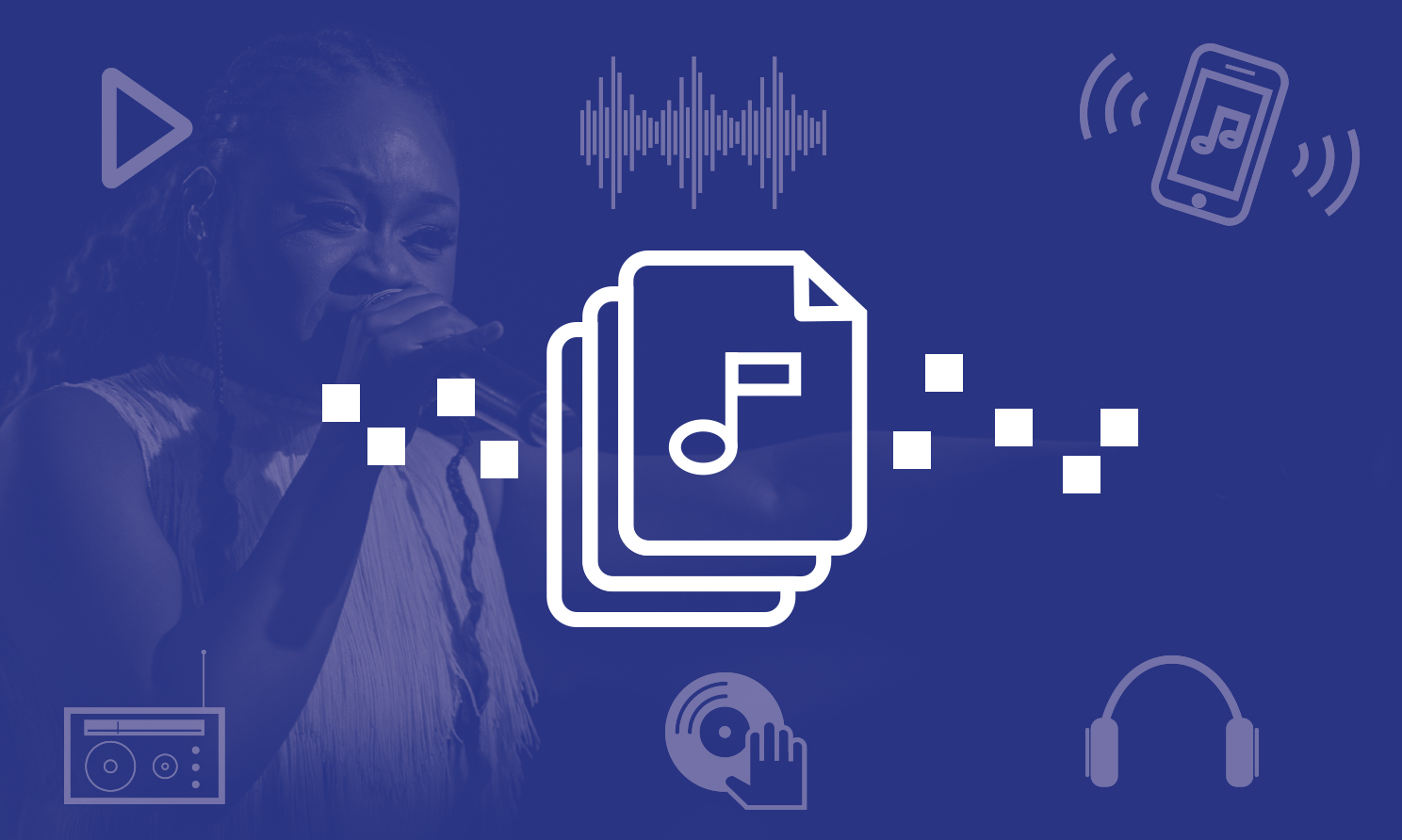
This article explains the importance of metadata and monitoring in the royalty collection process.
What is metadata?
Metadata is data (i.e. information) about data (i.e. the digital recording). One type of application of metadata, according to online music software company LANDR, is “information included in audio files used to identify, label and present audio content.”[2]
Usefully likened by Vampr to a digital version of the extended liner notes that accompany vinyl LPs, metadata provides embedded information about the recording to make the whole process of monitoring and tracking royalties manageable for CMOs around the world. More recently, content aggregators collect and embed metadata in their streaming services.[3]
Metadata is also crucial because it “makes your digital music searchable. This means that people can find your music, listen to it and license it.”[4] In short, “metadata ensures your songs are ready for any usage, distribution or release.”[5] Therefore, it is crucial that the rightsholder(s) supply the correct metadata whenever they supply their music, recordings or videos to anyone in the music industry.
Before we continue with a list of crucial music metadata to include with your tracks, it is important to briefly explain some key terms.
The following type of metadata or called ‘identifiers’:
- IPI number. An interested party information (IPI) number is a unique identifying code that is assigned to songwriters worldwide. According to the Southern African Music Rights Organisation (SAMRO), “All collecting societies assign a unique IPI number to help identify you and your work wherever your music may play in any part the world.” In South Africa, you will be assigned your IPI number once you have successfully registered with SAMRO.
- ISRC code. The International Standard Recording Code (ISRC) is used to identify sound recordings. In South Africa, you will be issued with your own personal ISRC code upon registration with the Recording Industry of South Africa (RiSA).
- ISWC code. The International Standard Musical Work Code (ISWC) is used to identify music compositions. Therefore, as explained here, any song/composition (e.g. ‘All Along the Watchtower’) will have one ISWC, though this ISWC may be linked to multiple ISRCs (e.g. different versions of the song, as recorded by Bob Dylan, Jimi Hendrix, etc.). In South Africa, you can access your ISWC information via the SAMRO online portal.
What music metadata must I include?
Below is a list of important music metadata to record as carefully as you can.[6] It is, furthermore, highly advisable to keep a personal spreadsheet of this metadata, so that you can be proactive about supplying it to any relevant parties like publishers, record labels, aggregators, radio stations, and so on, when the need arises.
Note that this list, technically, contains two different kinds of metadata: ‘descriptive metadata’ helps to categorise the composition by capturing things like genre, album, artist and instrumentation, while ‘ownership metadata’ records the details of who owns and manages the rights to the musical work. Remember to capture the relevant ownership splits (where applicable) when embedding ownership data, as mismatching split sheets is a common reason for royalty payments being delayed/withheld.[7]
- Song name
- Performing artist/band name
- Album name
- ISRC
- BPM
- Track number
- Main genre
- Cover art
- Music publishing rights owner’s data:
- Composer name(s) and IPI number(s)
- Author name(s) and IPI number(s)
- Publisher(s) name(s) and IPI number(s)
- Sound recording or performing rights owner’s data:
- Featured artist(s) and IPI number(s)
- Non-featured artist(s) and IPI number(s)
- Record label(s)/owner(s) and IPI number(s)
[video:https://www.youtube.com/embed/8r-2SxqN2tE width:744 height:446 autoplay:0]
Video: This video from Music For Income explains the process of adding metadata to your music.
Radio monitoring
Incorrect or inaccurate radio monitoring is a global music industry concern – and South African composers, performers and label owners are encouraged to double check their royalty statements against an independent monitoring service such as Radiomonitor. This company, which in 2019 released a radio airplay chart for South Africa, provides data that artists can use to check if their CMO payments reflect what the monitoring companies are reporting.[8]
Radiomonitor South Africa’s Jarrod Assenheim says, “Metadata is the single biggest issue regarding publishing and collecting royalties for artists. It is a huge problem all over the world. Knowledge is power and lack of knowledge is not. When artists don’t know how it works, they don’t know what questions to ask. And when those questions are not being asked, that money is sitting in an account somewhere.”[9]
Assenheim stresses that this is not just a local issue: “And this is happening across all the major publishers and labels across the world. About 30% of music royalties collected sit unallocated globally. A multi-billion-dollar industry. Whoever is sitting on that is gaining interest on that alone irrespective of whether they are using the capital. They are making huge amounts of interest not going back to the content owners.”[10]
Dave Scott of The Kiffness has recently detailed an example of how royalty payments from SAMRO can be delayed through a combination of insufficient metadata and inaccurate monitoring.[11] Give Scott’s piece a read, as it provides practical examples of many of the concepts discussed in this article, and, for more information about how to submit your music for radio play in South Africa, please consult our article on broadcasting royalties.
It should be clear from the above discussion that meticulous attention needs to be paid to metadata capture. This, along with active monitoring of your own music, will help to prevent the non-payment of royalties. Ensure that your music is submitted for radio play with correct metadata and track its usage independently. As SAMRO CEO Mark Rosin says, “Nobody will care as much about your output than you.”[12]
Resources and citations
- [1] MacKinnon, F. (2020). “Key Concepts #1 - Music Metadata, Explained!”. Tjoon. Accessed on February 9, 2022: https://tjoon.app/blog01
- [2] LANDR. (2019). “Metadata for Musicians: What It Is and Why It’s Vital”. Accessed on February 9, 2022: https://blog.landr.com/music-metadata/
- [3] Vampr. (2020). “Editing music metadata: the professional musician’s guide to sending music”. Accessed on February 9, 2022: https://www.vampr.me/editing-music-metadata/
- [4] Music Gateway. (2019). “Music Metadata How To: What Is Metadata?”. Accessed on February 9, 2022: https://www.musicgateway.com/blog/how-to/music-metadata-for-sync-the-music-gateway-bible
- [5] LANDR. (2019). Ibid.
- [6] MacKinnon, F. (2020). Ibid.
- [7] Vampr. (2020). Ibid.
- [8] Shumba, A. (2019). “Radiomonitor launches airplay chart for South Africa”. Music In Africa. Accessed on January 3, 2022: https://musicinafrica.net/magazine/radiomonitor-launches-airplay-chart-south-africa
- [9] Original interview for Music In Africa with Jarrod Assenheim, Radiomonitor South Africa: November 7, 2022.
- [10] Ibid.
- [11] Scott, D. (2020). “5 steps to making sure you get paid your SAMRO royalties”. The Kiffness. Accessed on February 9, 2022: https://www.thekiffness.com/2020/5-steps-to-making-sure-you-get-paid-your-samro-royalties
- [12] Creative Feel. (2021). “‘It’s about taking and making initiative’ | A Q&A with SAMRO CEO Mark Rosin”. Accessed on January 3, 2022: https://creativefeel.co.za/2021/05/its-about-taking-and-making-initiative-a-qa-with-samro-ceo-mark-rosin/
This article is part of the Revenue Streams for African Musicians project, supported by UNESCO’s International Fund for Cultural Diversity in the framework of the UNESCO 2005 Convention on the Protection and Promotion of the Diversity of Cultural Expressions, the Siemens Cents4Sense programme, Siemens Stiftung, Goethe-Institut, the National Arts Council of South Africa and Kaya FM.
Editing by David Cornwell and Kalin Pashaliev







Disclaimer: Music In Africa provides a platform for musicians and contributors to embed music and videos solely for promotional purposes. If any track or video embedded on this platform violates any copyrights please inform us immediately and we will take it down. Please read our Terms of Use for more.

Subscribe to our monthly Newsletter
Follow us on social media


Please log in to post a comment.