




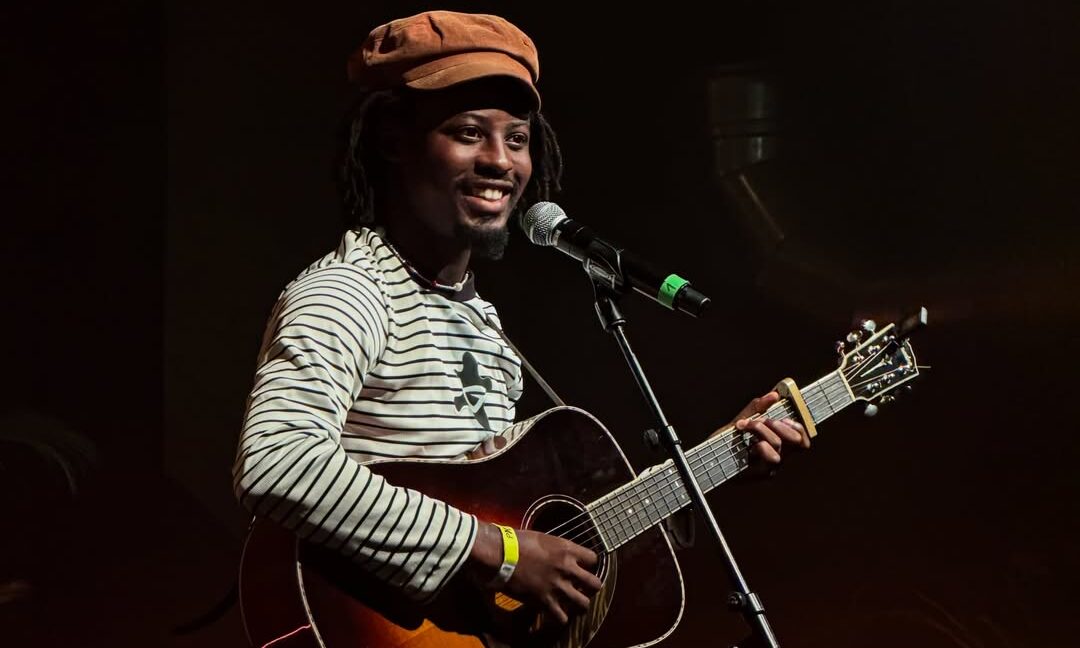
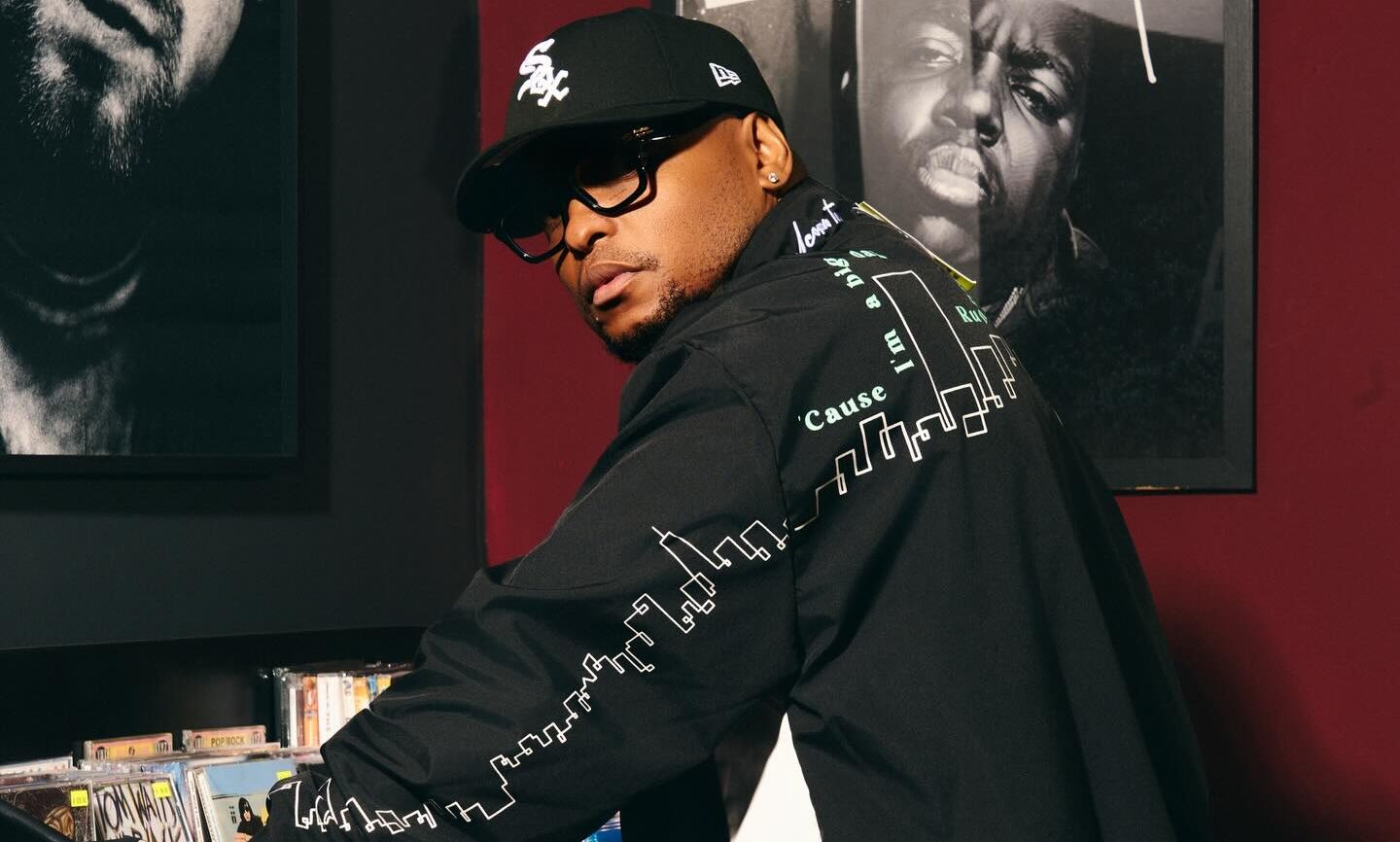
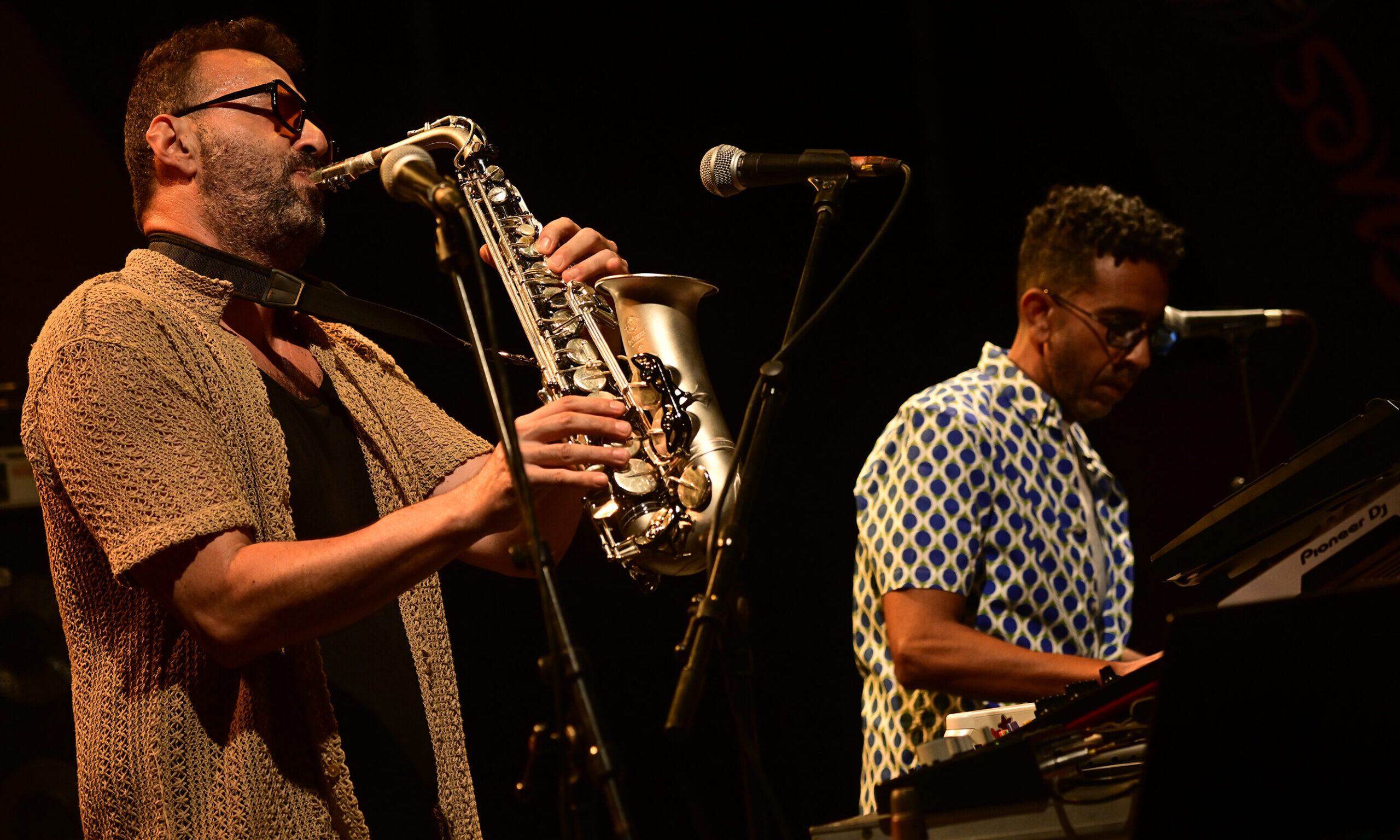
















































Sudan enjoyed a reputation as a leading centre of musical creativity from the 1940s to 1970s, thanks to the connection between African and Arabic cultures. The convergence of African, Arabic and later European influences gave birth to a hybrid of music that flourished in Sudan and beyond.
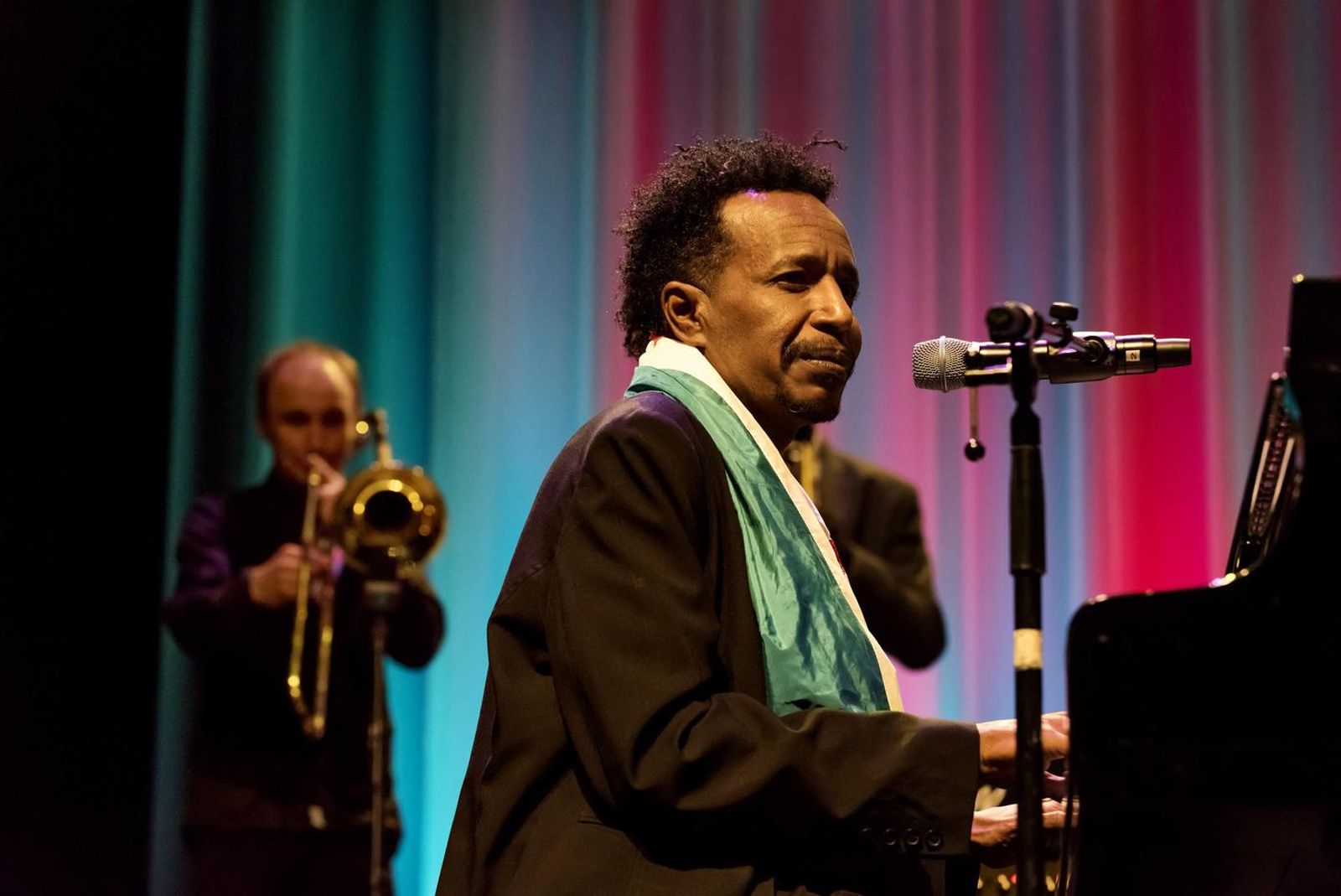
However, hardline religious governments in the 1980s introduced Sharia law that restricted the vibrant music scene. Music and dance were stifled by unending censorship, persecution and aggressive campaigns to outlaw secularism and secular music [1].
The Golden Era of Sudanese music
From 1941 to 1979, Sudan celebrated its ‘Golden Era’ of music. After the Second World War, radio stations broadcasting news about the war found a new purpose – playing music [2]. Emerging musicians took over the airwaves as the radio revolution spread far and wide. Poets and musicians rose to stardom as songs about culture, interpersonal relationships and social activism filled the airwaves. Some of the most popular musicians after the war were Osman Alshfi and Hassan Attayah, known as the ‘Prince of Sudanese Music’.
Sudanese music’s reach grew and evolved as musicians drew influences from various parts of the globe, incorporating different sounds in their own musical traditions. From 1956, when the independent Republic of Sudan was established, several Western instruments such as the violin, guitar and accordion were added to local compositions. Ibrahim Awad, Abdul Aziz Mohammed Dawoud and Khadir Bashir were well-known names from this era [2].
Later on, in the 1960s, American and European genres and musicians further influenced Sudanese popular music, which employed the aforementioned Western instruments and the Arabic oud, among other traditional instruments. This new sound became popular on radio, in the streets and at social gatherings such as weddings.
Music clampdown
The introduction of Sharia in 1983 resulted in Sudan’s authorities targeting musicians. The government asserted control over airplay and songs that conformed to Islamic values or teachings were only permitted. The government also promoted songs that praised its political agenda, and music was increasingly manipulated to serve the interests of the government [3].
In 1989, Omar al-Bashir seized power and many artists were targeted soon after. The censorship continued in the 1990s, forcing several musicians to flee to exile, particularly Egypt and Saudi Arabia.
The National Islamic Front coup in 1989 was followed by a decree in which the director-general of Radio Omdurman prohibited the broadcast of any songs other than those glorifying religion or the ‘jihad’ of the coup leaders. The Penalty Committee of the Musical and Acting Professions Council was launched in 1989, empowered by Cabinet to hold hearings and mete out penalties such as bans on artists.
The government then established the Morality Monitoring Unit under the General Administration of Public Order, a shadow police force that was charged with holding operations against secular gatherings. The unit often raided weddings and popular music venues. Revellers were charged under the Public Order Act for offences such as playing “unapproved songs”, “mixed dancing” and performances by “unapproved singers” [4].
Traditional music was not spared. In 1993, there were increased attacks on traditional Zār ceremonies, which were interrupted with drums being confiscated.
Examples of censorship in Sudan
- After the popular uprising that overthrew President Jaafar Nimeiry, ending his version of Sharia in 1985, singer Hanan Bulu Bulu was physically assaulted by police and thrown out of the Khartoum International Fair in 1986, with her music banned for immoral behaviour [5].
- In 1994, the government started erasing vintage videos and music cassettes, particularly targeting secular songs. Large amounts of irreplaceable studio archive materials were erased and replaced with recordings of religious sermons and pro-government speeches. A fair amount of Sudanese music was banned for being non-Islamic and for openly criticising the government. Singer Abu Araki al-Bakheit was arrested in the early 1990s for speaking out against Bashir’s regime.
- In 1995, singer Sayed Khalifa revealed that all songs in the archives of the national radio station, Radio Omdurman, were being reviewed and revised and that new ‘moral’ versions would be made to excise all unacceptable references.
- In 1998, the National Islamic Front government enacted a new law banning women from dancing with men, or in their presence, during folklore celebrations or wedding parties. Popular event spaces and social gatherings would later become targets for raids by security forces.
- Abazar Hamid suffered the wrath of Bashir after he released an album titled Sabahak Rabah (Good Morning Home) in 2007 with the support of 13 international organisations. The album sought to promote peace and reconciliation. However, after submitting the album’s lyrics to the Sudan Censorship Board for approval, all the material was censored and banned. A year later, the 13 international organisations that supported Hamid’s album were expelled from Sudan. Hamid then went into exile in Norway [6].
- In 2014, singers Hamada al-Rahima and Hamada Bahry from the Hamadat band were not permitted to perform until they pledged to stop singing what the authorities described as “ribald” songs.
Progress reversed
In 2020, exiled artists such as Nas Jota, Ayman Mao and Rasha Sheikh Eldin returned to Sudan to hold New Year’s and Independence Day concerts, their first performances in the country since 2014 following a government crackdown [7].
In 2019, Bashir was overthrown by the country’s army following weeks of protests over high consumer prices. The people took to the streets, singing and chanting nationalist songs of freedom while demanding an end to his 30-year reign. With the collapse of Bashir’s government, Sudan’s music industry found new hope but progress was short-lived when the military took power in late 2021. On 15 April 2023, Sudan descended into another civil war in a conflict between rival factions of the military government, once more bringing the country’s cultural activities to a halt [8].
References and citations
[1] http://www.okayafrica.com/sudan-sounds-mixtape-ostinato-records/(link is external)
[2] https://worldmusiccentral.org/2007/07/31/the-golden-era-of-sudanese-music-volume-1/
[3] http://en.rfi.fr/Sudans-forgotten-musical-heritage-rediscovered-Two-Niles-Sing-melody-violins-synths-Sudan
[4] http://www.sudanupdate.org/REPORTS/MUSIC/MUS14.HTM
[5] https://lovin.co/khartoum/en/latest/heres-everything-you-need-to-know-about-the-music-evolution-of-sudan/
[6] https://www.icorn.org/writer/abazar-bagi-hamid-aka-tore-brun
[7] https://www.voanews.com/a/banned-sudanese-musicians-celebrate-new-year-new-sudan-/5236917.htm
[8] https://en.wikipedia.org/wiki/2023_Sudan_conflict
Disclaimer: Music In Africa's Overviews provide broad information about the music scenes in African countries. Music In Africa acknowledges that the information in some of these texts could become outdated with time. If you would like to provide updated information or corrections to any of our Overview texts, please contact us at [email protected].
Editing by Peter Choge and Kalin Pashaliev


Most popular

Top Afrobeats songs of 2026
19 Mar 2026

Top Naija songs of 2026
31 Mar 2026

Top amapiano songs of 2026
16 Feb 2026
AFRIMA 2026: All the winners
12 Jan 2026
Visa appoints Fally Ipupa as face of Visa Pay in Democratic Republic of Congo
23 Sep 2026
NAAK and Vumaala to take SA electronic sounds to Amsterdam
02 Oct 2026
Disclaimer: Music In Africa provides a platform for musicians and contributors to embed music and videos solely for promotional purposes. If any track or video embedded on this platform violates any copyrights please inform us immediately and we will take it down. Please read our Terms of Use for more.

Subscribe to our monthly Newsletter
Follow us on social media


Please log in to post a comment.