










NEFCISA
NEFCISA

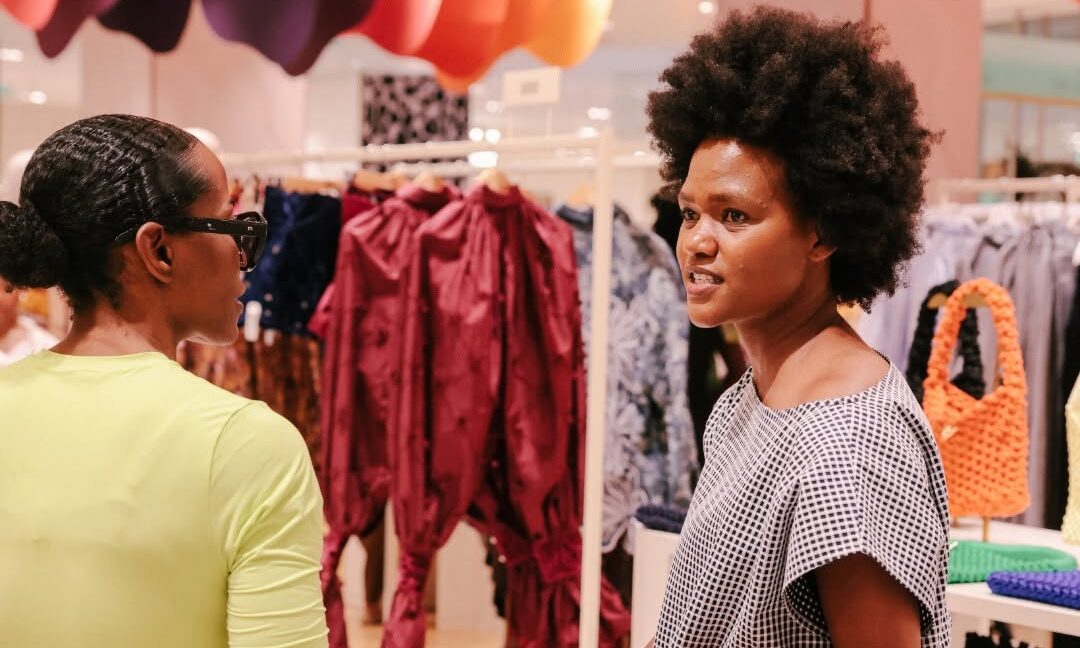
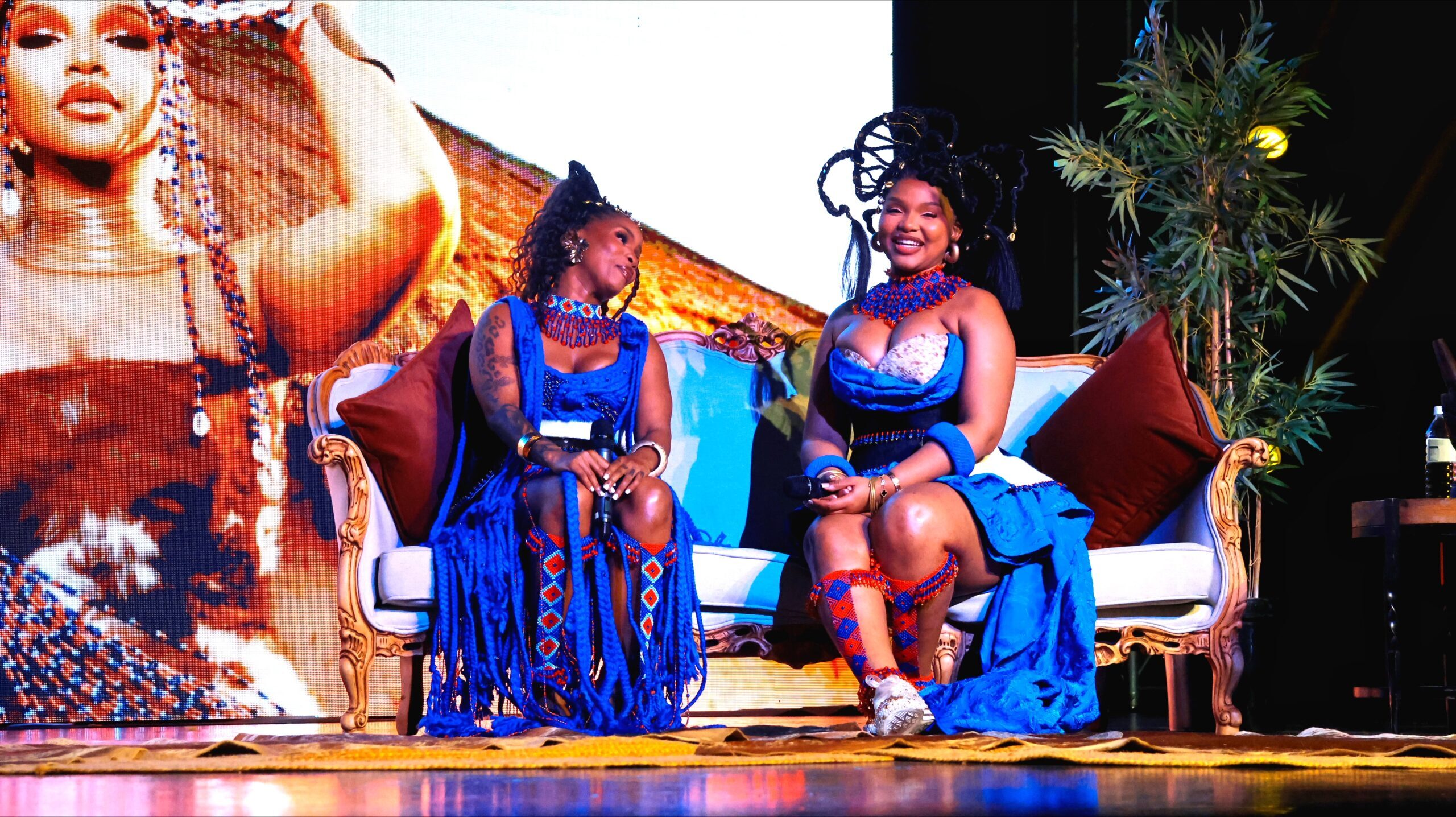
The Music In Africa Foundation (MIAF) is proud of its partnership with the Industrial Development Corporation (IDC) as a Strategic Implementing Partner (SIP) for its Social Employment Fund (SEF). Through this collaboration, MIAF is running a national programme that is creating jobs, addressing skills gaps, and strengthening South Africa's creative industries — in line with the SEF's overarching goal to generate work for the common good and build community value through employment, social contribution, and inclusive economic participation. Operating under the banner NEFCISA (National Employment Facility for Creative Industries in South Africa), the initiative is recruiting and training participants, matching them with host organisations, and has already placed 1 500 workers across the country — surpassing its original target of 1 000. NEFCISA is delivered through a network of 20 host organisations spanning five provinces, who are actively hosting participants and contributing to work for the common good across South Africa's creative and cultural industries. Key Objectives: Support employment and entrepreneurship in the creative industries. Offer skills development and training programmes. Foster partnerships between public and private creative sectors. Promote South African creativity at both provincial and national levels Foster community development through social contribution.

ACCES
ACCES

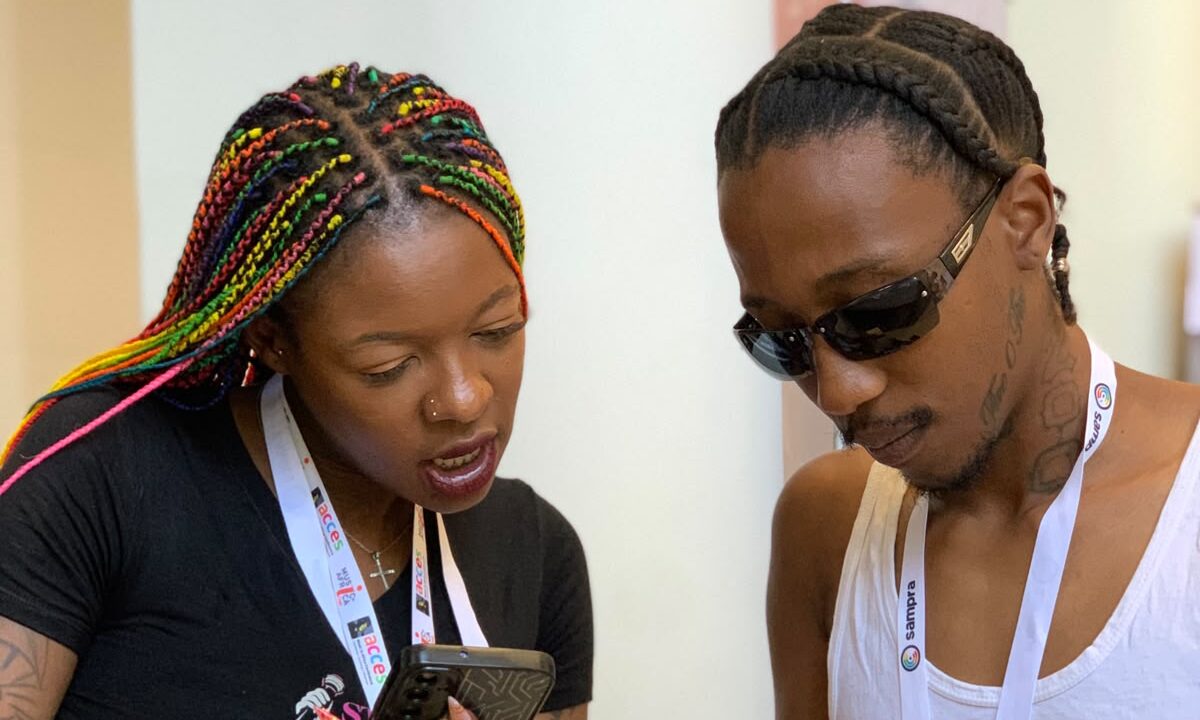
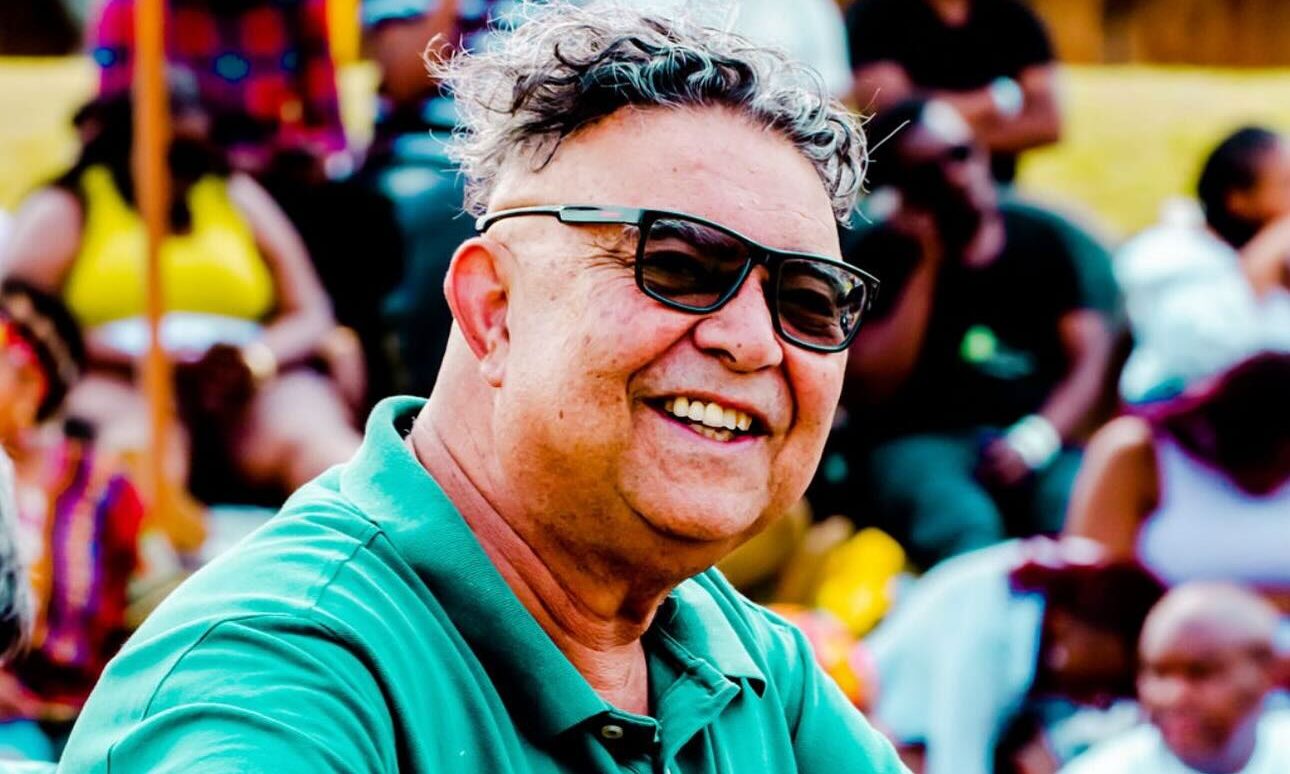
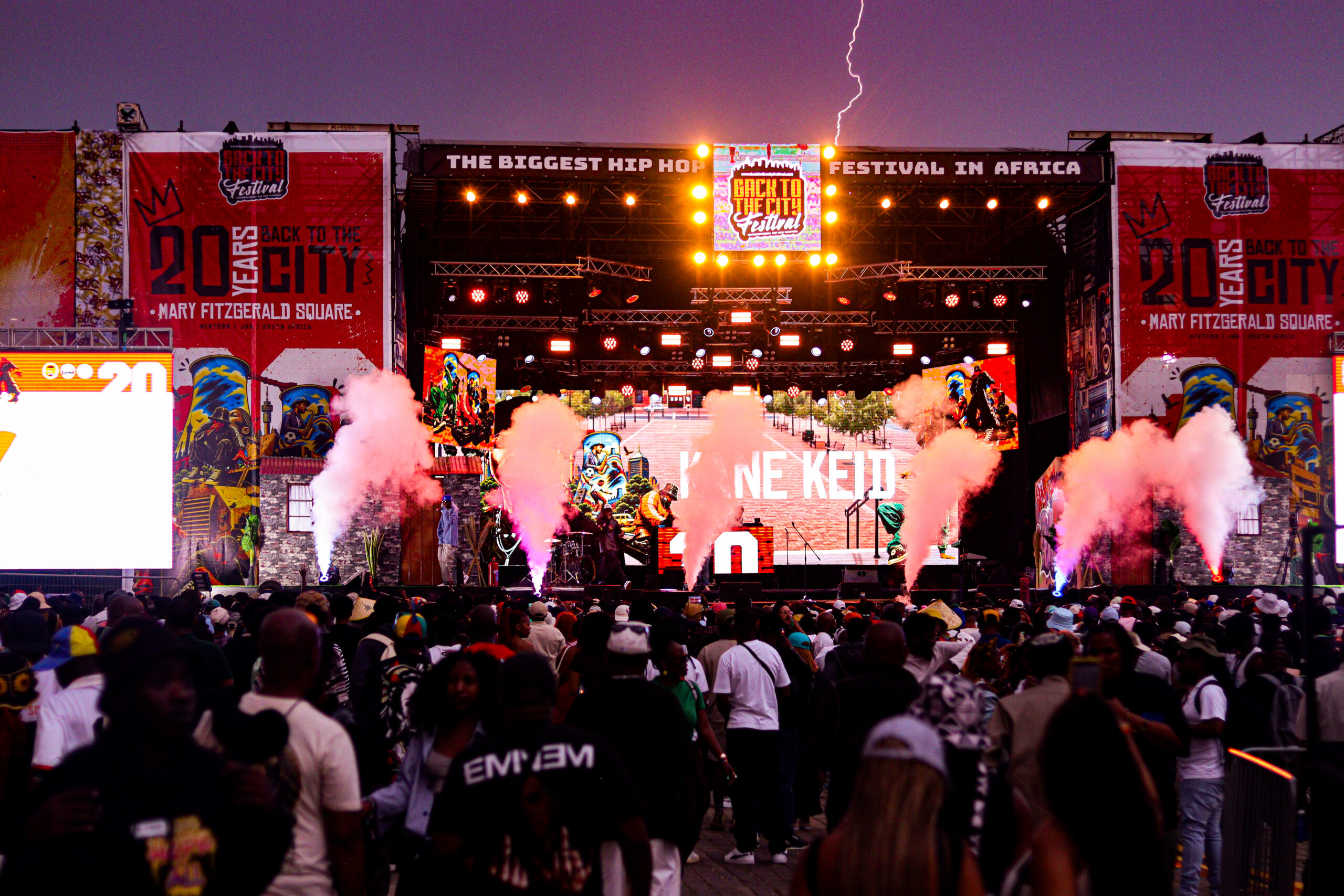
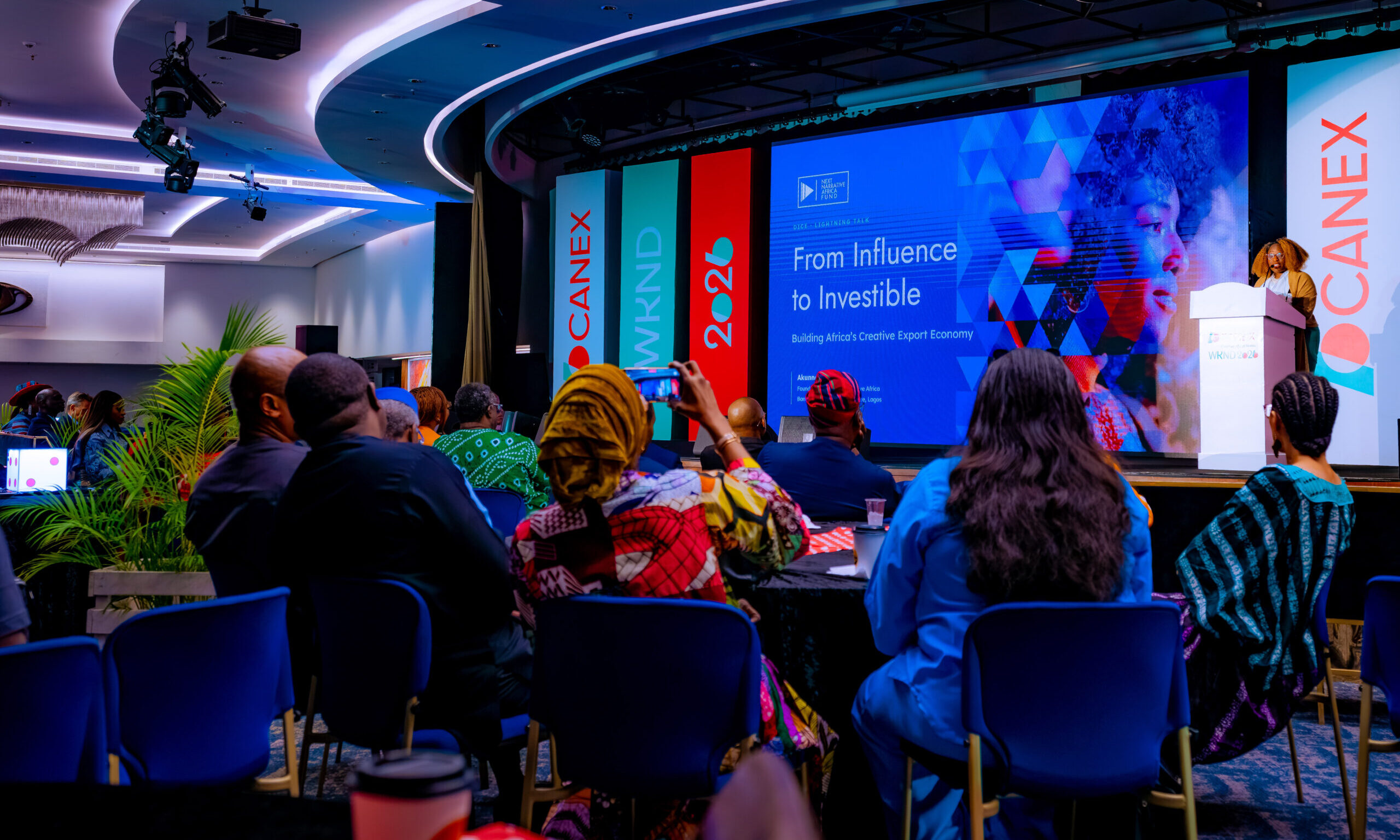
ACCES Conference and Showcase Festival is Africa's leading music industry gathering, bringing together the people shaping the future of the continent's music business. Artists, entrepreneurs, executives, investors, policymakers and cultural leaders from across Africa and around the world come to ACCES to build partnerships, exchange ideas, discover talent and create new business opportunities. Since its launch in 2017, ACCES has become the continent's premier platform for professional exchange and music market development. Combining a high-level conference with a curated showcase festival, networking, exhibitions and industry programmes, ACCES offers a unique space where creativity meets business and where African music connects with the global industry.

Gender@Work
Gender@Work

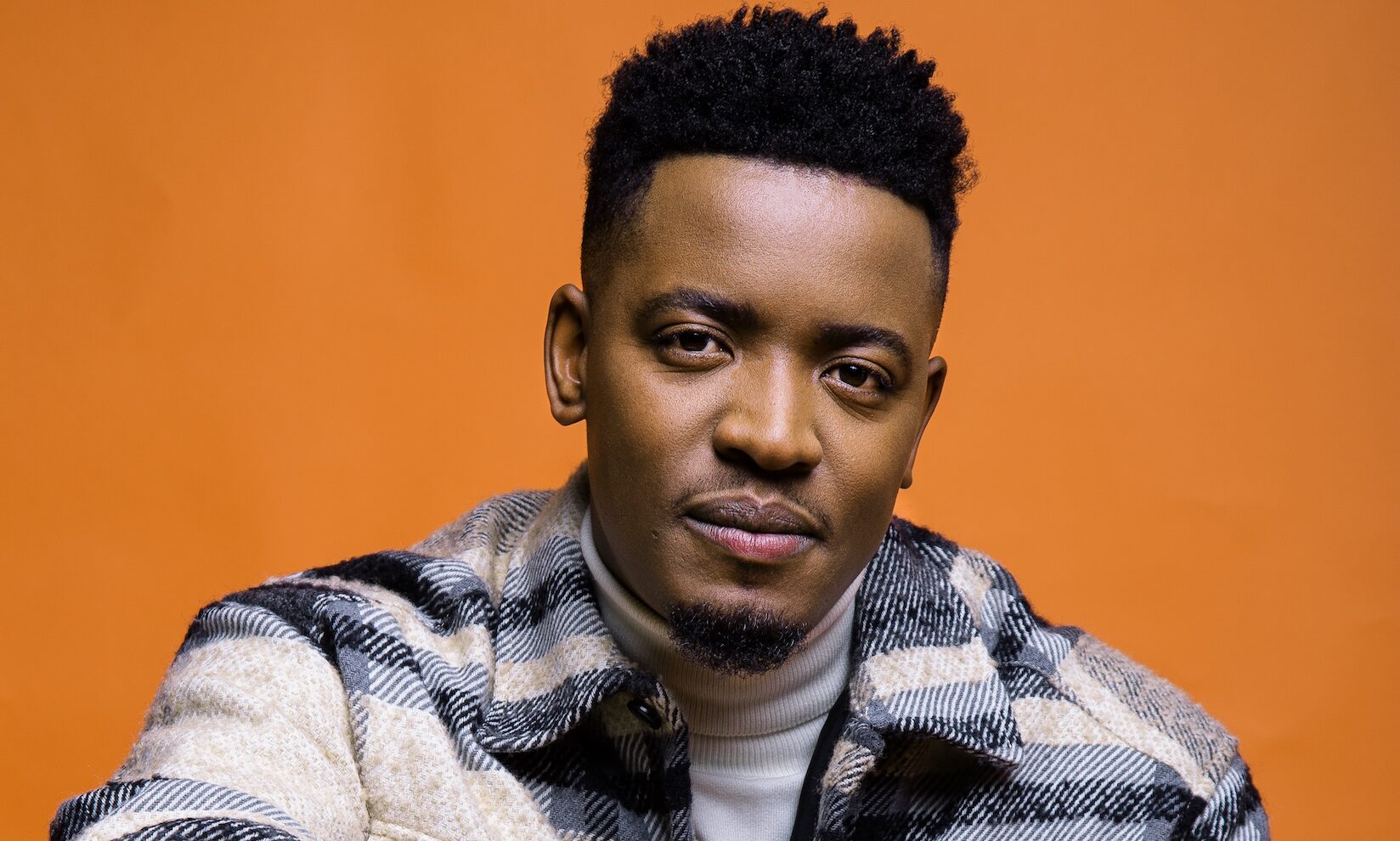
Music In Africa Gender @ Work is a three-year training programme aimed at upskilling and increasing the participation of female professionals in the African music sector. Launched by the Music In Africa Foundation (MIAF) in April 2019, the programme is connected to the MIAF’s ACCES music conference – a pan-African event held in a different African country every year. This connection enables the programme to reach new participants in a different African country every year. The programme marks the beginning of a more concerted effort by the Foundation to support the participation and inclusion of women in all facets of its programmes and the music sector in Africa as a whole. Over the three years, the programme will aim to address gender imbalances in the sector through training, lobbying, facilitating knowledge exchange and dialogues that foster the interest of women. The broader objectives of the programme are to: Provide industry training for women on critical music industry skills, focusing on: Stage management Electronic music production and recording Music business management Technical knowledge Provide an opportunity for both professional and aspiring women to benefit from the Music In Africa network and its broad range of activities in 2019, 2020 and 2021. Provide a solution-based platform in the form of a round table at ACCES with a view to identify challenges, discuss opportunities and lobby for the interests of female practitioners. Offer participants the opportunity to benefit from programmes offered by MIAF’s partners. Increase access to educational materials. Integrate participants in the broader ACCES programme to maximise experience and exposure to the industry. Record and present training materials on the www.musicinafrica.net, including but not limited to tutorials, templates and other best-practice materials. Communicate women-based themes that support the initiatives and messages of the programme. MAIN TRAINING ACTIVITIES Training in first country (Ghana): In the first year, participants will be trained on all aspects of stage management by a team of experienced stage managers from 10 to 17 November 2019. The programme will offer robust classroom training as well as practical, hands-on training in which participants will also be given the opportunity to manage various aspects of the ACCES performance programme. Training in second country: The second training iteration will take place at ACCES 2020 when the programme will diversify its course to include music production lessons and training on other music business topics. A round-table platform will also be introduced to coincide with the ACCES programme. Training in third country: The third training iteration will take place at ACCES 2021 in a different country, offering an advanced course. HOW DO YOU GET INVOLVED?  As a participant, facilitator or trainer: The programme enrolls up to 12 trainees every year. All opportunities are advertised publicly on this website, and will be added to this page. Please keep checking this page for new calls (below under UPDATES & CURRENT OPPORTUNITIES). As a partner Please contact Claire Metais at [email protected]. APPLY The call for applications for 2020 will be announced soon. The Music In Africa Gender @ Work programme is made possible with the support of the Prince Claus Fund, Siemens Stiftung and Goethe-Institut.

Sound Connects Fund
Sound Connects Fund

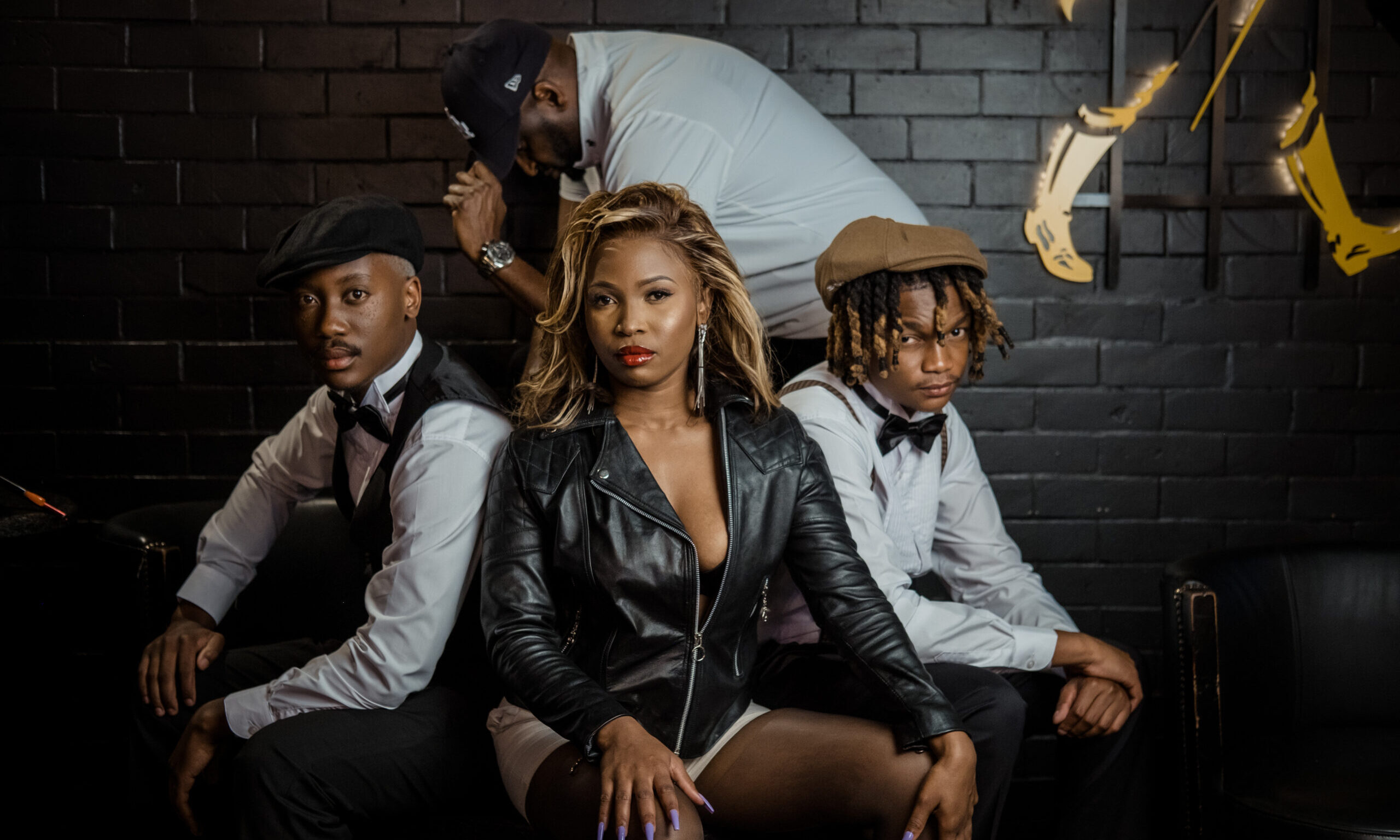
For cultural and creative practitioners and organisations operating in southern Africa, access to funding remains a major challenge. The COVID-19 pandemic has also had a massive impact on government policy, spending and the economy in general, and has seen spending on culture being moved further down the list of priorities. Further, the cultural and creative industries repeatedly cite four main areas where investment is needed for growth, which are increased visibility, mobility including access to new markets, finance and support structures.

Instrument Building And Repair Project

Experience the Vibrations African Instruments Exhibition online in 3D

Home / Artists & Industry / Harouna Samake
Harouna Samake

Harouna Samake

Bands /groups
linkedin
flag-img

Bamako, Mali

In operation since:

1992

Contact person:

Harouna Samake

BIO

Harouna Samake. Groovy & uplifting Kamale Blues from Mali "One of Mali's most versatile and exciting bands" - Simon Broughton, Songlines Magazine

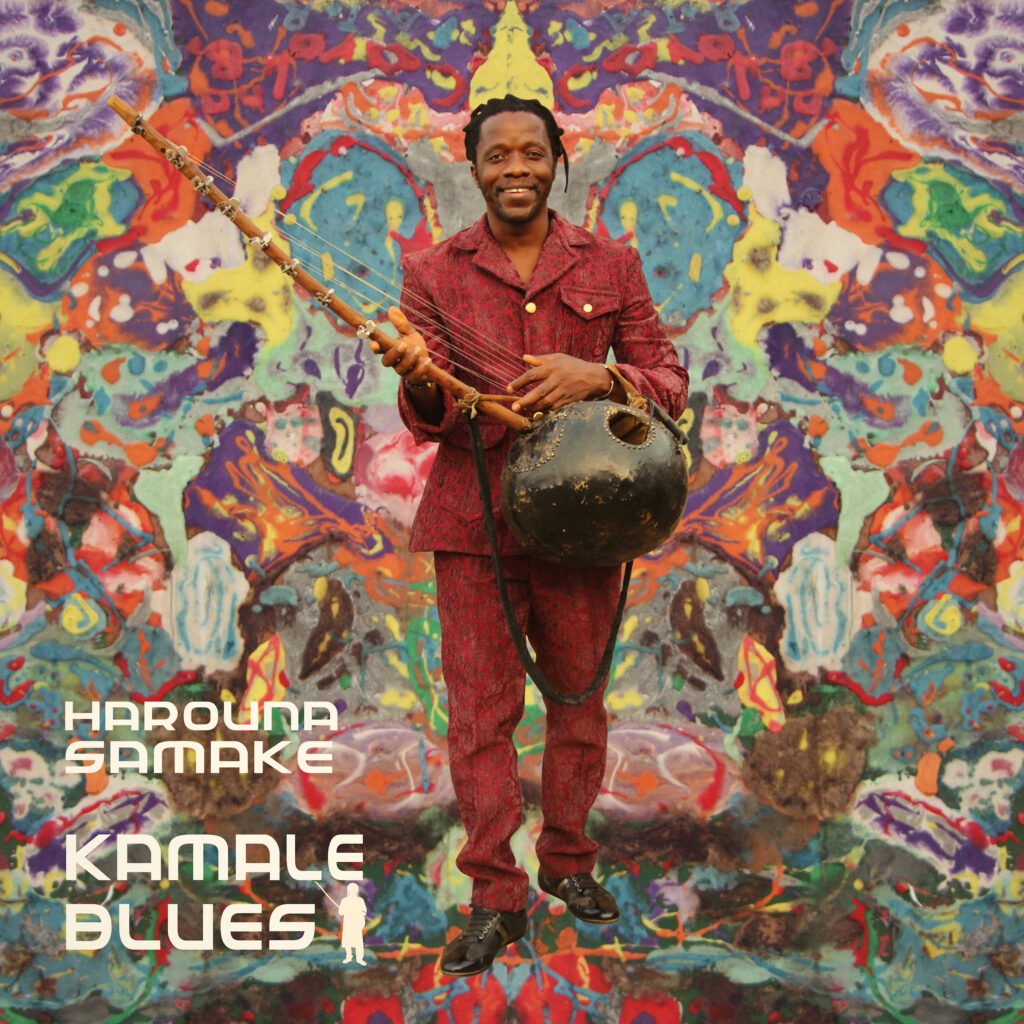
Harouna Samake was born in Dissan, Circle de Bougouni, in the Region of Sikasso, Mali in 1974. He started to play the ancient West African instrument Kamale N'Goni at the age of 8, when he fell in love with the instrument seeing someone playing it in his village. At 7 he had started to play on the one stringed Pati Kolombani. When he saw the N'goni, he collected a calabash and a branch for the handle, and found some strings too. Now he needed the leather and he couldn't find it in his village. But he met a N'Goni player who gave him his old skin, as he had just hunted a gazelle to change on his instrument. His name was Zoumana Traoré Dit Zoumana Barani. Harouna then went to another N'Goni player to ask him for help to ensemble his pieces into an instrument. His name was Amara Bocher, and he build Harouna's first N'Goni- As Harouna did not have money to pay for the N'Goni, Amara asked Harouna to help him fill his traditional matras with hay, and all of Harouna's friends helped with collecting the hay in the fields. Amara tuned the instrument, and when Harouna got it in his hands, it was as he could play anything coming to his mind.

It was a natural talent of his. There was no school in his village, and Harouna, instead of going to the neighbouring village to school with his brother, was chosen to work in the familly's field. This became his fortune, as he then had more time to cultivate his music. Later on in life, stories certainly changed. He met Bonnie Riatt at 'Festival sur le Dessert' and they jammed by the fire light the whole evening. She invited him to tour with her, but he couldn't make it, as he was touring with Salif Keita. But Bonnie Riatt liked Harouna's playing so much and gave him his first guitar as a gift to thank for their time together. Since then, Harouna has toured for more than 18 years with Salif Keita, and with Les Amassadeurs, and has recorded on more than 50 albums, among those, 5 albums of Salif Keita that he also arranged. And then with Blick Bassy, Etienne Mbappé, Bassekou Kouyate and many others.

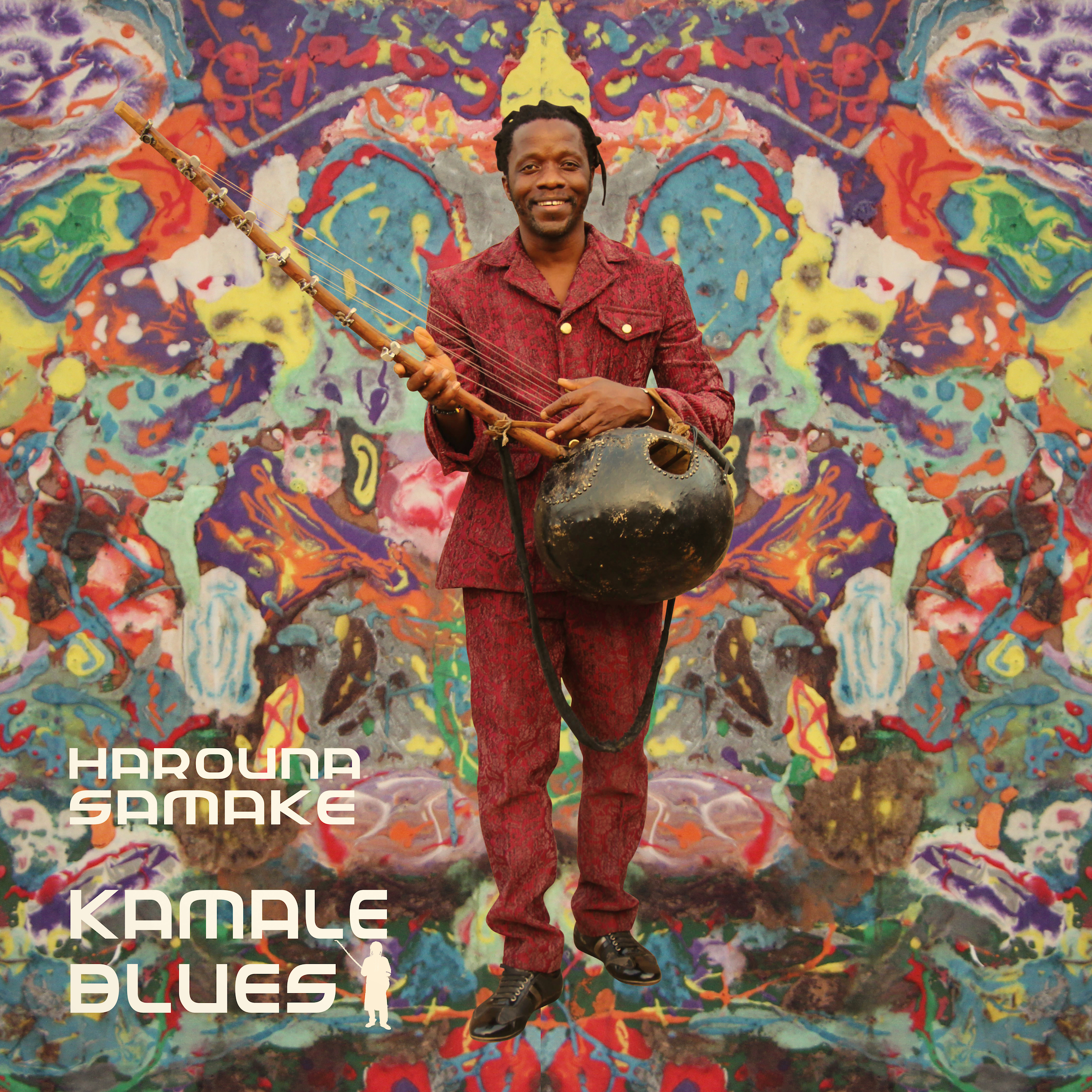
Harouna Samake 'Kamale Blues' In 2018 we recorded his first own full album at Harouna's own studio, Sama Studio Records, in Bamako. Recording engenier Yaya Diarra. The album is produced by Carolina Vallejo & Harouna Samake, and mixed by Carolina Vallejo & Richard Plougmann. It is mastered by Richard Plougmann, Ventura Records, Copenhagen. 'Kamale Blues' was released on August 16th 2018 on One World Records.

Photos

No photos available

Social Networks and Websites

Disclaimer: Music In Africa provides a platform for musicians and contributors to embed music and videos solely for promotional purposes. If any track or video embedded on this platform violates any copyrights please inform us immediately and we will take it down. Please read our Terms of Use for more.

newsletter banner

Subscribe to our monthly Newsletter

Follow us on social media