
































Chaque enfant africain, à un moment de son apprentissage, a entendu parler de la vision du roi Sobhuza, dans laquelle Dieu demande au peuple swazi de choisir entre l'uMculu (la Bible) ou l’argent représenté par un bouton ou une pièce de monnaie. Selon la légende, Sobhuza choisit la Bible. Plus tard, lorsque le roi prête serment, il déclare le Royaume du Swaziland chrétien. Cet événement très important dans l'histoire du Swaziland, est commémoré le 22 juillet de chaque année.
Ainsi commence la révolution du gospel.
Les origines
Le christianisme est la religion dominante au Swaziland. D'autres religions comme l'Islam, le judaïsme et la foi bahaïe sont minoritaires et la conversion n'est pas courante au Swaziland. Tel est le statu quo depuis les années 1800.
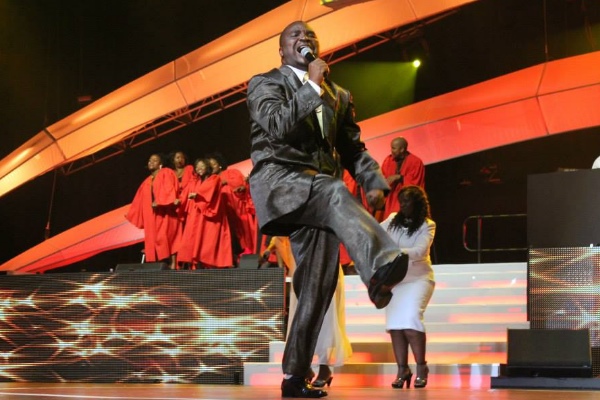
Bien qu'il existe différentes confessions (catholique, méthodiste, évangélique, anglicane, sioniste, charismatique et chrétienne), le gospel est apprécié de tous.
Le souverain actuel, Sa Majesté le Roi Mswati III, perpétue la mission de son père à l'occasion des vacances de Pâques, qui réunit chaque année des fidèles de différentes dénominations au Somhlolo Stadium National.
Il faut noter que les Swazis sont un peuple au tempérament musical. Les chants traditionnels, considérés comme sacrés, sont interprétés lors des cérémonies culturelles. Les Swazis sont croyants et leur dévotion religieuse s’étend au gospel. Ce contexte religieux explique la popularité de la musique gospel.
Les artistes
La plupart (voire tous) les artistes gospel du Swaziland partagent une même culture. Ils ont grandi dans des foyers chrétiens avec des parents impliqués dans les activités de l'église, ou ministres du culte. La plupart des artistes de gospel au Swaziland sont de fervents chrétiens et se tournent naturellement vers la musique gospel.
Ils n’ont pas eu à chercher bien loin pour trouver inspiration : le gospel sud-africain est en plein essor avec des légendes telles Rebecca Malope, le défunt VuyoMokoena, G-Effect, Mthunzi Namba, Deborah Fraser, Family Factory, Lundi Tymara ou encore Israël Mosehla.
Vers la fin des années 80, le gospel swazi s’affirme avec Manzini Healing Waters et Manzini Crusade. À l’époque, le gospel est beaucoup moins commercial. L’argent n’est pas la motivation principale. Les artistes de gospel se contentent de partager leur musique avec les fidèles. Aujourd’hui, l'objectif principal est de vendre. Ce changement survient à la fin des années 90 avec l'émergence de nouveaux groupes notamment les Ncandweni Christ Ambassadors. Le groupe, maintes fois récompensé, se produit à travers le monde –véritable exploit pour un groupe de gospel au Swaziland.
D’autres groupes s’affirmeront très vite sur la scène gospel au Swaziland et en Afrique du Sud. Shongwe & Khuphuka Saved Group, Shiba & The Travellers, FransDlamini,PhathwakahleMabuza, MduduziNezincekuZamagawugawu, NduduzoMatse, Nonhle Mthethwa et NothandoHlophe sont mis en vedette sur la plupart des grandes chaînes de télévision et de radio en Afrique du Sud.
Concours et évènements
De nombreux concours et événements mettent en valeur le talent local. Leserato Events[i] (anciennement Umvini Events) et le groupe sud-africain Spirit Music Group lancent en 2014 The Women in Praise Talent Search dans le but d’identifier les talents féminins des quatre régions du royaume [ii]. Le concours marque le début de carrière de Nothando Hlophe qui collabore par la suite avec ses homologues sud-africains à savoir Zaza Mokhethi, Nyamende Kgomotso, Kate et Kgomongwe sur le DVD Women in Praise nominé dans la catégorie meilleure collaboration au SABC Crown Gospel Award. Les 14 finalistes du concours ont bénéficié d’une campagne de promotion et se produisent lors d’évènements d’entreprises en attendant de former un groupe [iii].
Le concours Hlabelela Zion est une occasion en or pour les artistes du gospel sion au Swaziland. Lancé en 2015 par LeseratoEvents [iv], le concours n’est pas renouvelé en 2016. Leserato se retire de l'événement et il est encore impossible de dire si le concours, initialement approuvé par le Swaziland National Council of Arts & Culture (SNCAC), aura une suite [v].
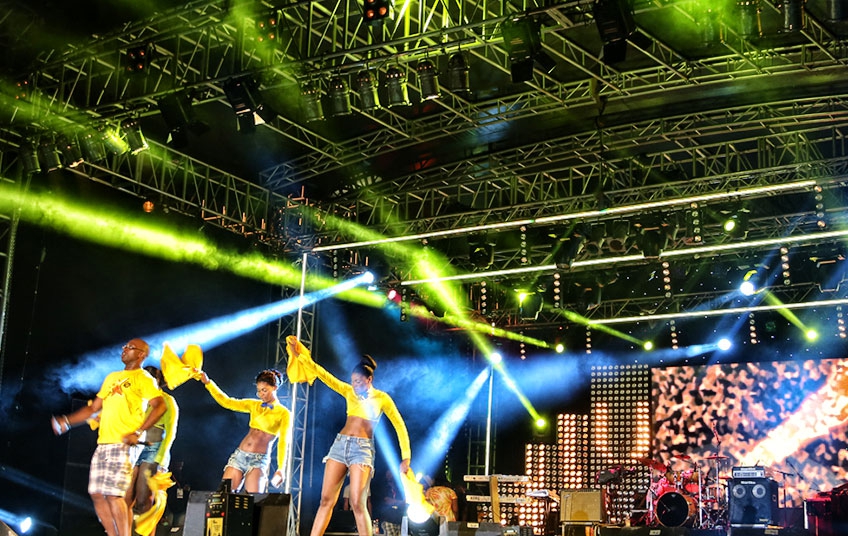
Avec l'appui financier de Dups Direct, géant de l’assurance locale, Gawuzela (aussi connu sous le nom de Mduduzi Simelane), anime l'un des plus grands événements annuels du gospel au Swaziland. L’Umlilo/Dups Crossover Gospel Music Festival attire une foule de 20 000 personnes et accueille les meilleurs artistes gospel du monde [vi].
La Swaziland International Trade Fair (SITF) annuelle, tenue aux mois d’août et de septembre, permet aux commerçants et artistes locaux de se faire connaitre du grand public. Le temps fort de la foire est sans doute le programme de divertissements. L'événement, qui coïncide avec la danse des roseaux, offre aux amateurs de musique diverses options de divertissement, y compris le Gospel Sundays qui met en vedette un ou deux grands noms de la scène musicale du gospel sud-africain ainsi que des artistes locaux engagés par l’Association of Christian Artists in Swaziland (ACASWA)[vii].
La reconnaissance
En 2014, l’ACASWA, sous la direction de son président Mhlonishwa Motsa, organise avec succès le Swaziland Gospel Music Awards (SGMA). L'événement vise à récompenser les musiciens du gospel local. Autrefois connu sous le nom de Glory Awards, l'événement évolue au fil des années pour devenir le SGMA. À la surprise de tous, Motsa Gcina Zwane et le trésorier de l’association sont accusés de détournement de fonds et démissionnent en 2015 [viii]. Zakhele Ginindza est alors élu président de l'association, mais sous sa direction, aucune action n'a été prise pour raviver le SGMA [ix].
La première édition du Mpumalanga and Swaziland Zion Gospel Music Awards organisé en février 2016 est un succès. L’évènement vise à récompenser les meilleurs artistes du gospel sion du Swaziland et de la province du Mpumalanga en Afrique du Sud [x].
L'audience
Le gospel au Swaziland ne se limite pas qu’aux églises, concerts, festivals, jours de prières et funérailles. Le gospel est diffusé sur les chaines de radio et Tv nationales ainsi que dans les taxis, restaurants et établissements de santé. Fait surprenant, le gospel est également diffusé dans les tavernes et pubs des quartiers à faibles revenus.
Le gospel bénéficie d’une forte audience au Swaziland, et fait partie de la culture du pays. Le genre est particulièrement populaire parmi les classes les plus pauvres. Les classes moyenne et supérieure sont plus susceptibles d'écouter du gospel américain ou sud-africain.
Les médias
Bien qu'il n'y ait pas de programmation musicale dédiée au gospel en cours de semaine sur la chaîne nationale, des clips vidéo de gospel local et international sont diffusés en prime time. Chaque dimanche matin, l’émission de variétés Gospel Impact, propose de la musique, des interviews et le calendrier des évènements gospel. Les abonnés à DStv ont quant à eux accès aux chaines One Gospel, MzansiMagic Music, TBN et DMX Gospel.
Labels et promoteurs
Masina Muzi des studios DemDem[xi] est celui vers qui on se tourne quand il s'agit de la production du gospel au Swaziland. Le studio accueille des célébrités comme Mduduzi Nezinceku Zamagawugawu, Frans Dlamini, Youth Ablaze et Manzini Healing Waters.
Isambulo Music Production & Events Management[xii] est une entreprise locale dirigée par l'ancien directeur d’ACASWA Mhlonishwa Motsa, un pasteur et leader respecté, ainsi qu'un journaliste expérimenté qui est désormais respecté dans le domaine de la gestion d'événements, du marketing et de la promotion. Motsa est également PDG de Zeeleon Consulting, qui a organisé un certain nombre d'événements y compris Night Of Legends qui a accueilli sur scène les stars du gospel sud-africain Benjamin Dube et Rebecca Malope en août 2015. Motsa a également organisé l’Isambulo Crossover Gospel Music Festival, et supervise la carrière d'un certain nombre d'artistes comme Phiwokwakhe Dlamini, Isambulo Duetet Masikane.
Conclusion
Le piratage musical est un réel problème au Swaziland. Il est important d’attirer l’attention des autorités concernées sur l'importance de protéger la propriété intellectuelle des artistes, de renforcer les lois anti-piratage et de reconnaître le potentiel du gospel swazi.
Tous les jours, de nouveaux musiciens du gospel entrent en scène dans l’espoir de devenir la prochaine grande star du gospel. Le marché du gospel swazi est une vraie mine d’or encore inexploitée.
[ii] www.observer.org.sz/news/70919-shiselweni-next-stop-for-women-in-praise-auditions.html
[iii] www.observer.org.sz/news/72012-14-women-in-praise-finalists-to-feature-in-live-dvd.html
[iv] www.observer.org.sz/the-scene/76444-leserato-events-joins-hlabelela-competition.html
[v] www.observer.org.sz/the-scene/78183-hlabelela-zion-competition-fails-to-resume-once-again.html
[vi] www.observer.org.sz/the-scene/78029-gawuzela-packs-them-at-gospel-crossover.html
[viii] www.observer.org.sz/news/73534-acaswa-investigates-misappropriation-of-funds.html
[ix] www.observer.org.sz/news/73721-no-swaziland-gospel-music-awards-this-year.html
[x] www.facebook.com/1st-Annual-Mpumalanga-Swaziland-Zion-music-awards-1640595862871076
[xi] http://demdemmusic.com/ Ou www.facebook.com/pages/Demdem-Studios/107136099458526
[xii] www.facebook.com/IsambuloMusicProductionptyltd


Most popular

Top 10 des artistes congolais les plus streamés en France en 2026
05 Mai 2026
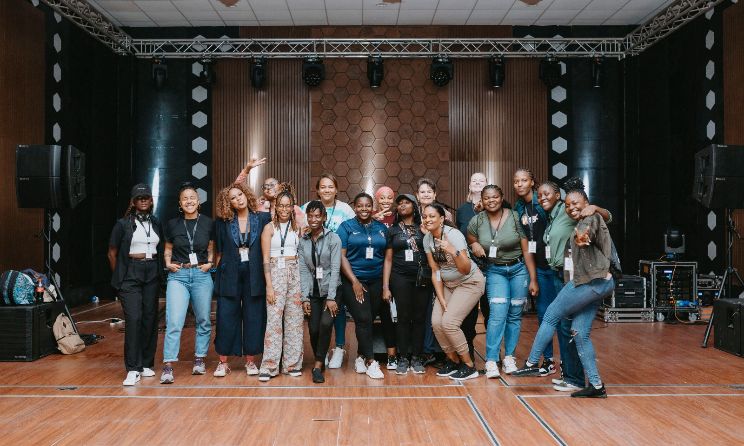
Appel à candidatures : formation Gender@Work 2026 aux métiers de l’industrie musicale à Johannesburg
06 Oct 2026
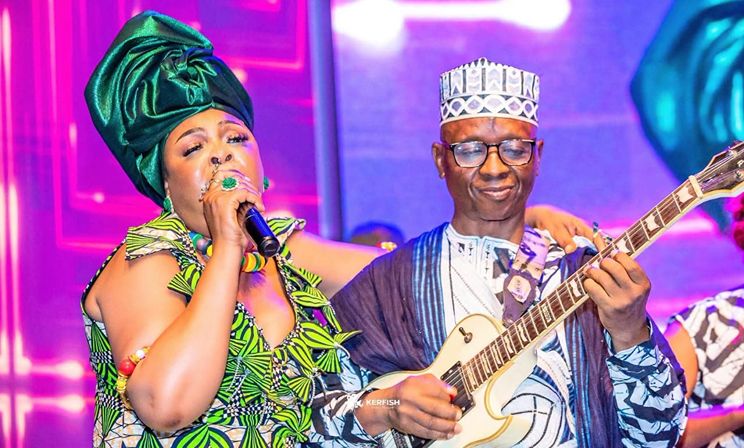
Sayon Camara, une voix mandingue entre héritage et nouveau départ
02 Oct 2026
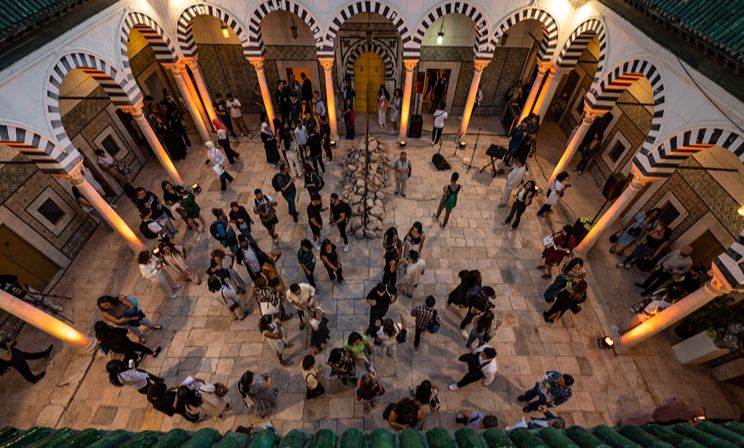
À Tunis, Jaou fait dialoguer les nouvelles scènes musicales du monde arabe et au-delà
02 Oct 2026
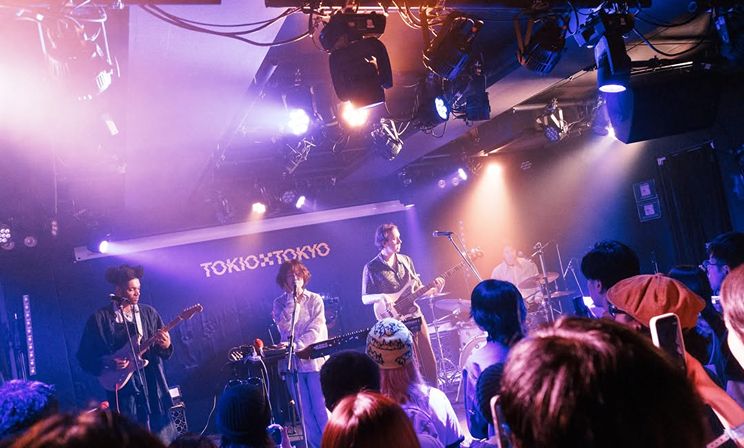
Appel ouvert : Artistes internationaux pour le CUEW Showcase & Conference 2027 au Japon
18 Sep 2026
Appel à candidatures : programme de résidence Camargo Fellowship 2027-2028 en France
17 Sep 2026
Disclaimer: Music In Africa provides a platform for musicians and contributors to embed music and videos solely for promotional purposes. If any track or video embedded on this platform violates any copyrights please inform us immediately and we will take it down. Please read our Terms of Use for more.

Abonnez-vous à notre newsletter
Retrouvez-nous sur les réseaux sociaux


Please se connecter to post a comment.