
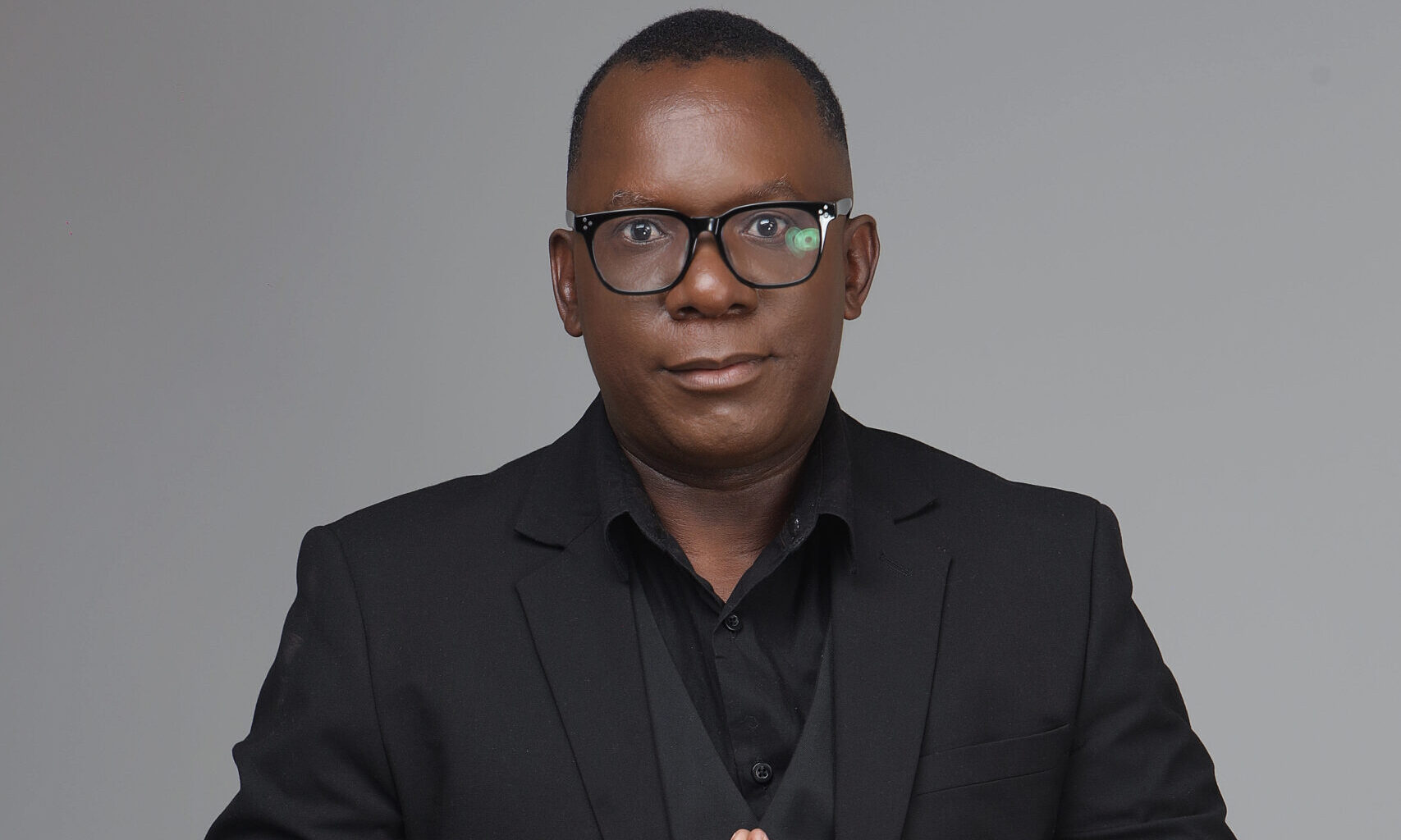
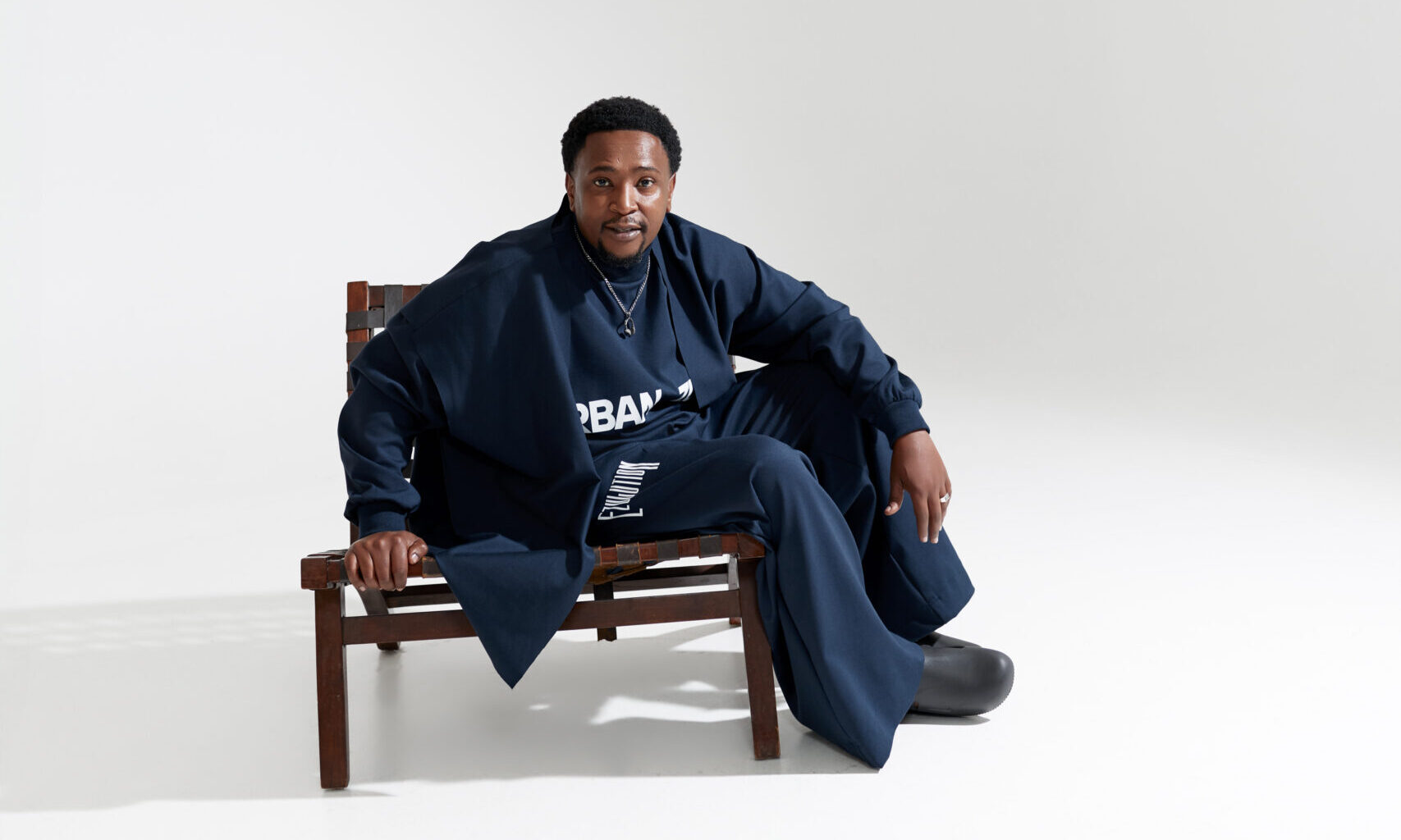
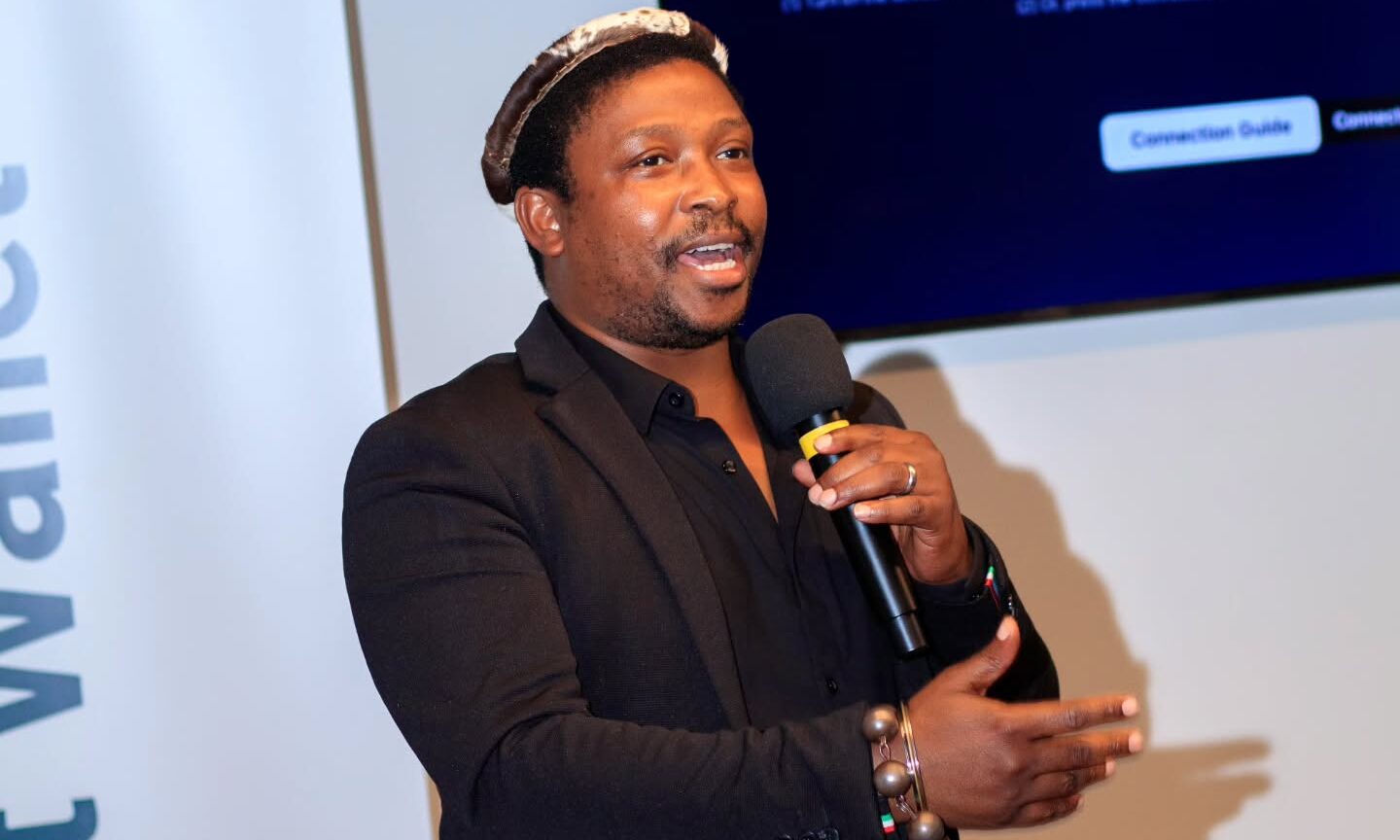
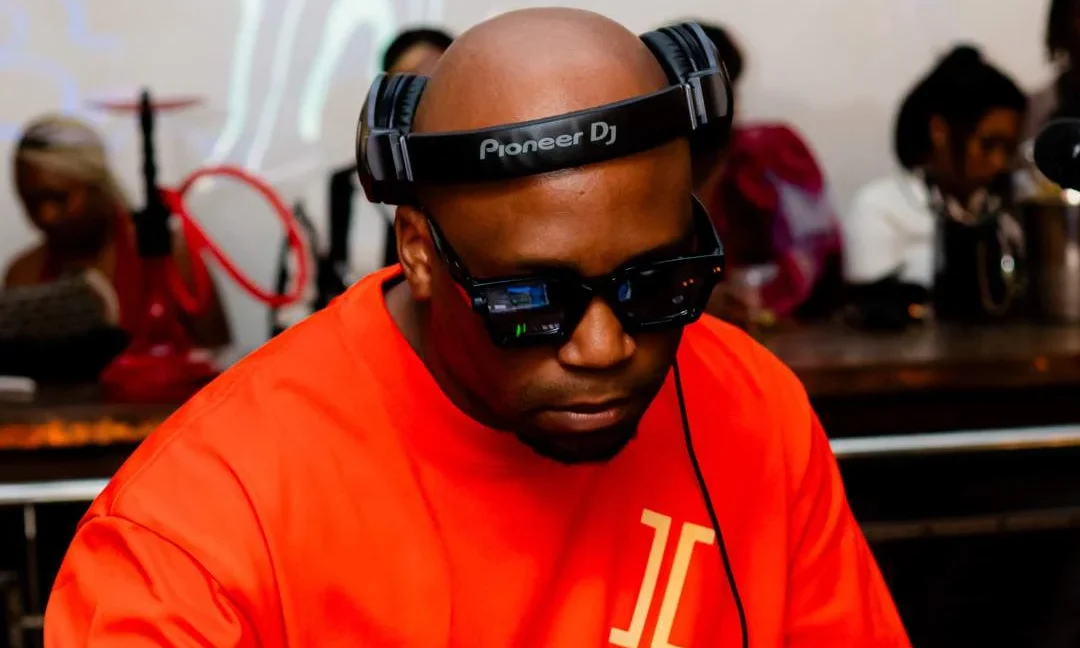












































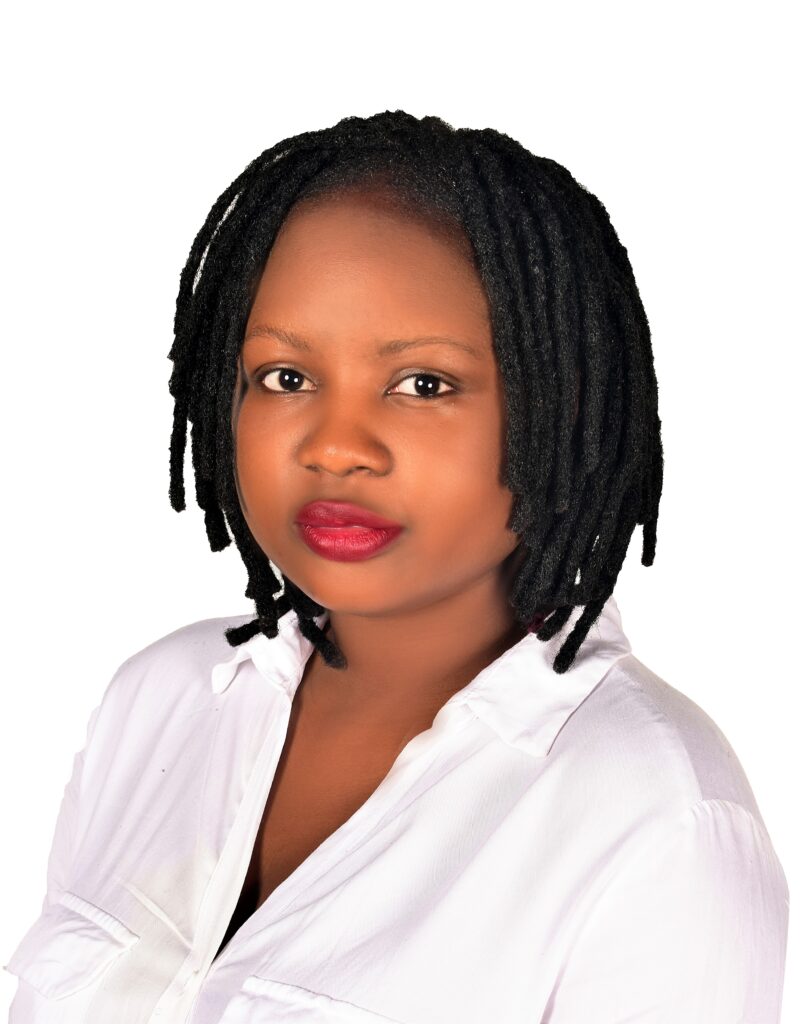


“The music industry in Uganda has grown since 1994 and it continues to grow,” says Baker Kadingidi, popularly known as DJ Nesta.
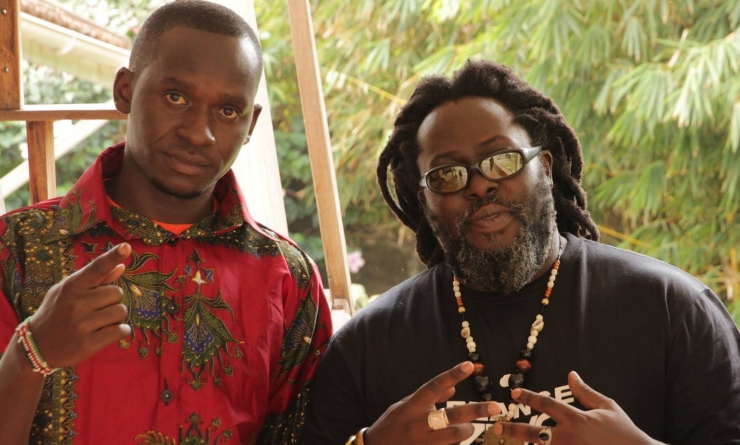
He has been involved in the Ugandan music industry for more than two decades, starting off as a DJ before getting into music production and photography.
DJ Nesta spoke to Music In Africa about his life in the music industry, the changes he has experienced over the years, the challenges within the industry, copyright issues in Uganda and his Newz Beatz project, an innovative programme delivering news in verse and rhyme.
MUSIC IN AFRICA: You started off a DJ before advancing into music production and sound engineering. What pushed you from playing music to making music?
DJ NESTA: In 2000 after deejaying for more than five years I decided to train as a producer after getting disappointed with the content and the quality of music I was playing. Firstly, I really struggled mixing local songs because I had to play around with the levels to make the music sound good, a problem I never experienced while mixing international songs. Secondly, being a conscious artist, I wanted to be associated with music that positively impacted on the community. I love hip hop and reggae music, therefore the fact that there was no one producing hip hop music at the time gave me an opportunity to pioneer something great.
Finally, I had the urge to push Ugandan music to a global scale and with the international networks I had with other DJs and producers we made it happen.
Since 1994, what are the notable changes you have seen within Uganda’s recording music industry?
I am happy that the new generation of artists are more interested in getting their music out of the country through collaborations and concerts. However, I would like to advise them to concentrate more on modifying our traditional sound and make it modern instead of copying sounds from other countries.
Initially, musicians sang about love, money and who had beef with who; now there is an increased number of musicians creating socially conscious music. An artists is the mirror of society, therefore we need to be the people’s mouthpiece.
In terms of gender balance, the number of female rappers and reggae musicians has increased over the years, and this can be attributed to the availability of platforms provided for the young people to express themselves. Personally, I take part in mentoring workshops for young musicians where I challenge young girls to explore genres that were previously dominated by men.
The increased number of hip hop and reggae genres has led to an increased number of recording studios producing the same genres, although Afrobeat music continues to have an audience from many artists.
You mentioned that Ugandan artists are now able to stage shows abroad. This is true but the majority of the audience are normally Ugandans. Why do you think this is so and what are some of the challenges that musicians in Uganda face?
The reason why our musicians perform for Ugandans or Africans from the region is because we are yet to fully explore our authentic sound. A white man wants to listen to authentic African sound and not playback music. At the beginning, I said that our music industry has grown and it continues to grow, therefore I believe with due time we shall be able to hold totally sold-out concerts in Dubai or the US with a Ugandan artist as the main act.
When it comes to challenges, there are many but there are notable ones that can be dealt with as soon as possible. First, the media needs to support upcoming artists. The Ugandan media has contributed to several musicians quitting music because of lack of airplay, especially those trying to explore new genres of music. I remember when Maurice Kirya began his music nobody wanted to invite him for interviews or gigs, but as soon as he won an award in the UK and returned home, everyone was looking for him.
Secondly, the producers need to genuinely produce artists. This means that they need to be honest with artists during the entire production process on whether their music is fit for consumption or not. Some producers don’t care whether your music sounds good or not, as long as they get paid.
So, if we work on this two things then we would have made a big step towards improving the industry. The rest are copyright and royalty collection which we have left for the Uganda Performing Right Society (UPRS) to handle.
What does it take for one to join the UPRS, how often do artists receive their payments and what are the benefits of being a member?
It is important to note that the copyright law is becoming better. For musicians who are registered, we are paid after every six months. All that an artist needs to be a member is to deliver a song and its lyrics to their offices after which they will be given a card and an IP number. The relevance of an IP number is so that the UPRS can be able to track your royalties abroad if it happens that there is a collaboration or the song has been featured in a film.
I know of many musicians who are not registered because they believe that UPRS rips artists off. The truth is as musicians we have no idea of how their system works. However, being in the industry for a long time I believe it is better to have a little than have nothing. I am optimistic that the rates will keep getting better and my children and grandchildren will benefit. It is because of this reason that I always make music that can be listened to for generations to come.
One of the benefits of being registered with the UPRS is that it opens doors for international collaborations. Most international musicians prefer working with artists that are registered with a royalty collection body. Another benefit is that there is always a lawyer on standby for you in case you need representation on matters associated with music.
You produce the Newz Beatz show. What is it about?
Newz Beatz is a project that we began in 2014 in an effort to reach out to the community and talk about issues that are not being handled by mainstream media, as well as empower the hip hop genre of music. Since we began we have won UK’s Telly Awards in 2015 and 2016.
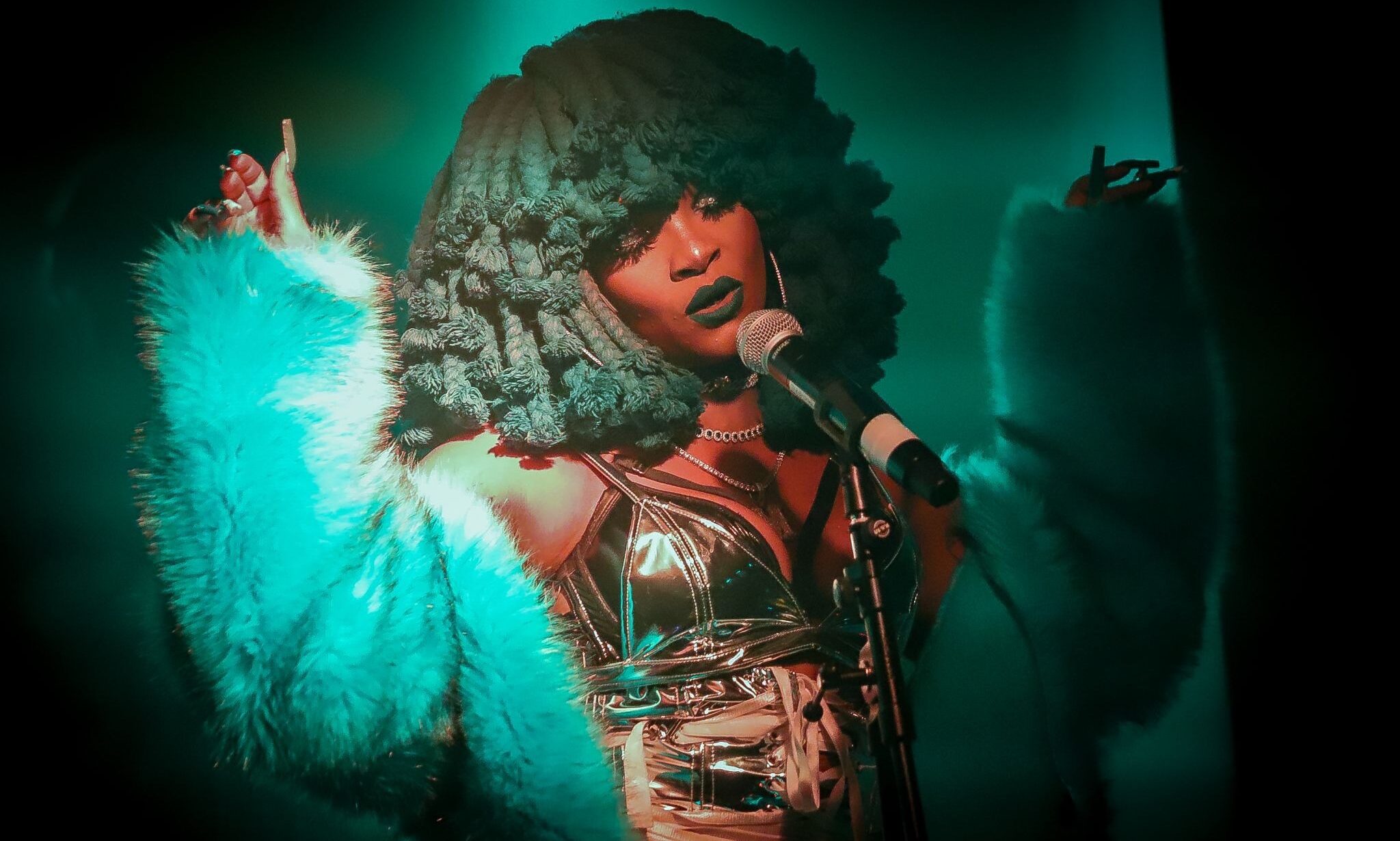
Like I mentioned earlier, I am all about breeding new talent and through this show we have been able to give a platform to many who wish to be rappers. Currently we work with Lady Slyke who is the pioneer of luga flow, which is Ugandan hip hop.


Most popular
Open call: 2026 Gender@Work music industry training in Johannesburg
03 Oct 2026
Call for applications: ACCES 2026 Emerging Artist Spotlight Competition
01 Oct 2026

Top amapiano songs of 2026
16 Feb 2026

Top Naija songs of 2026
31 Mar 2026

Top Afrobeats songs of 2026
19 Mar 2026
AFRIMA 2026: All the winners
12 Jan 2026
Disclaimer: Music In Africa provides a platform for musicians and contributors to embed music and videos solely for promotional purposes. If any track or video embedded on this platform violates any copyrights please inform us immediately and we will take it down. Please read our Terms of Use for more.

Subscribe to our monthly Newsletter
Follow us on social media


Please log in to post a comment.