
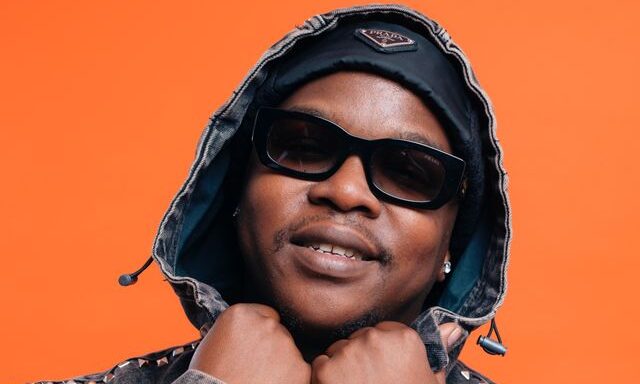
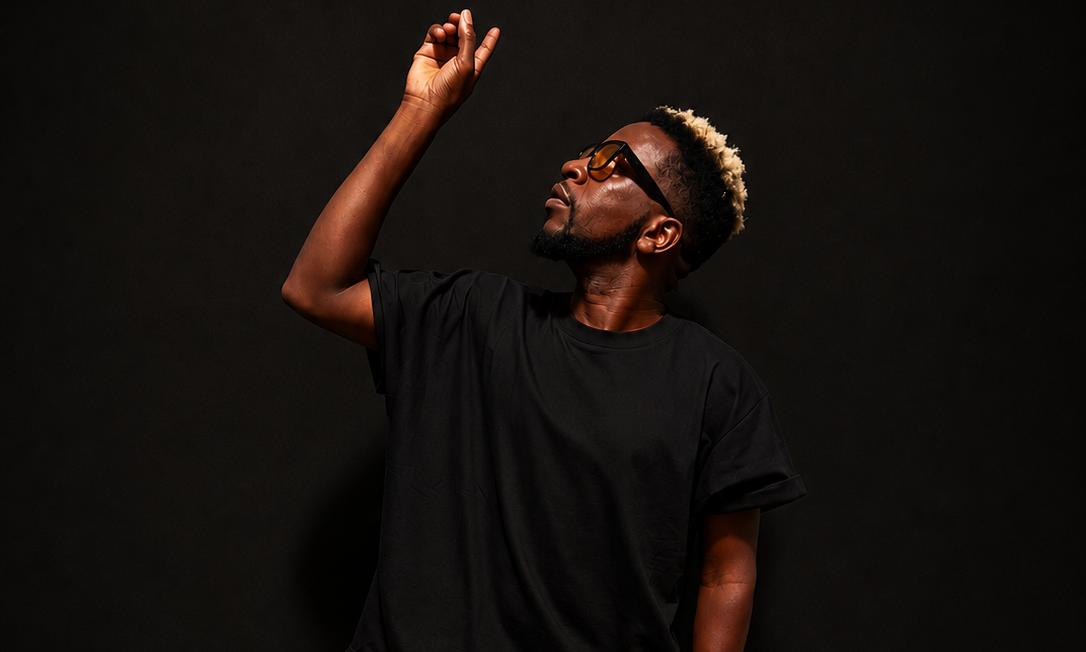
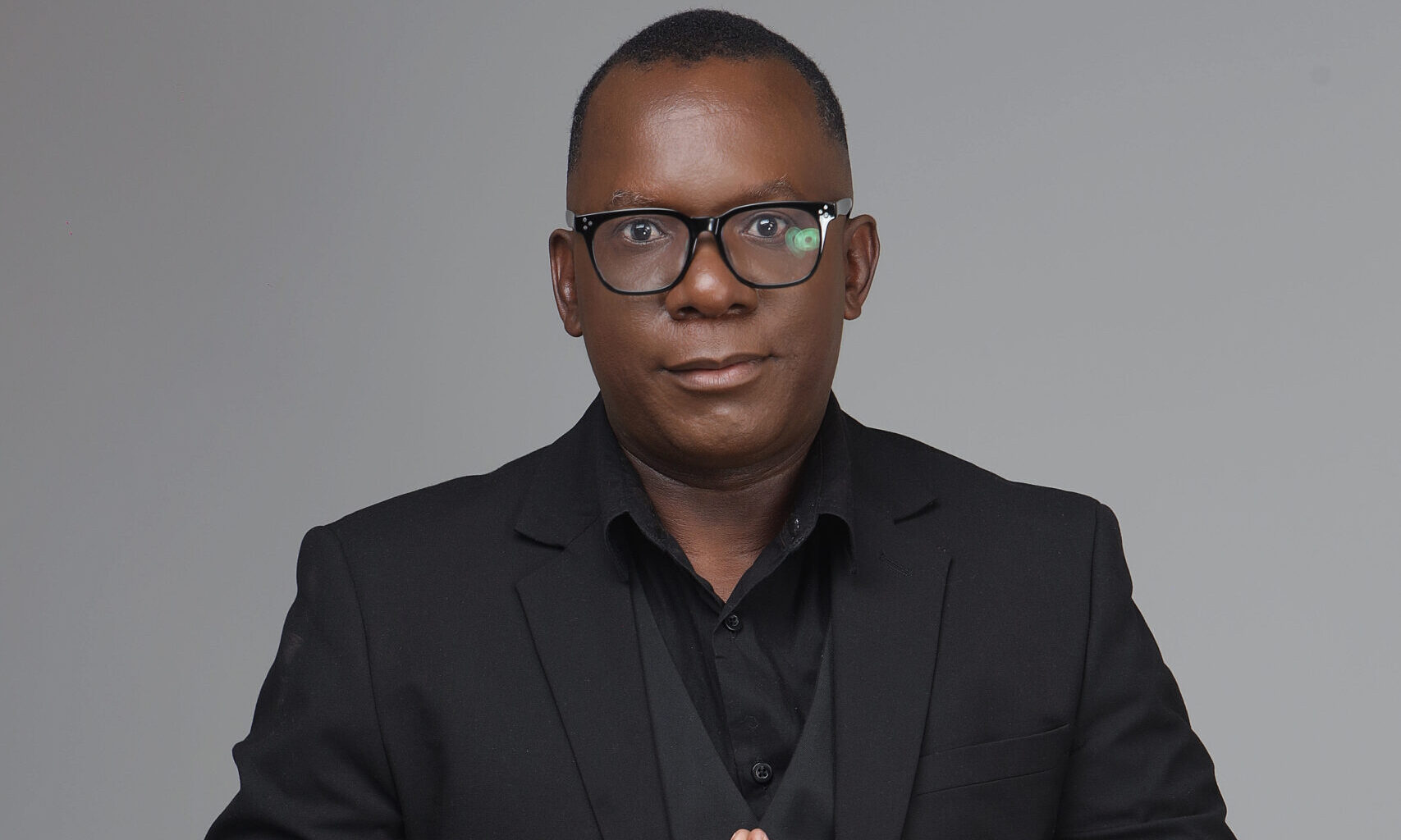

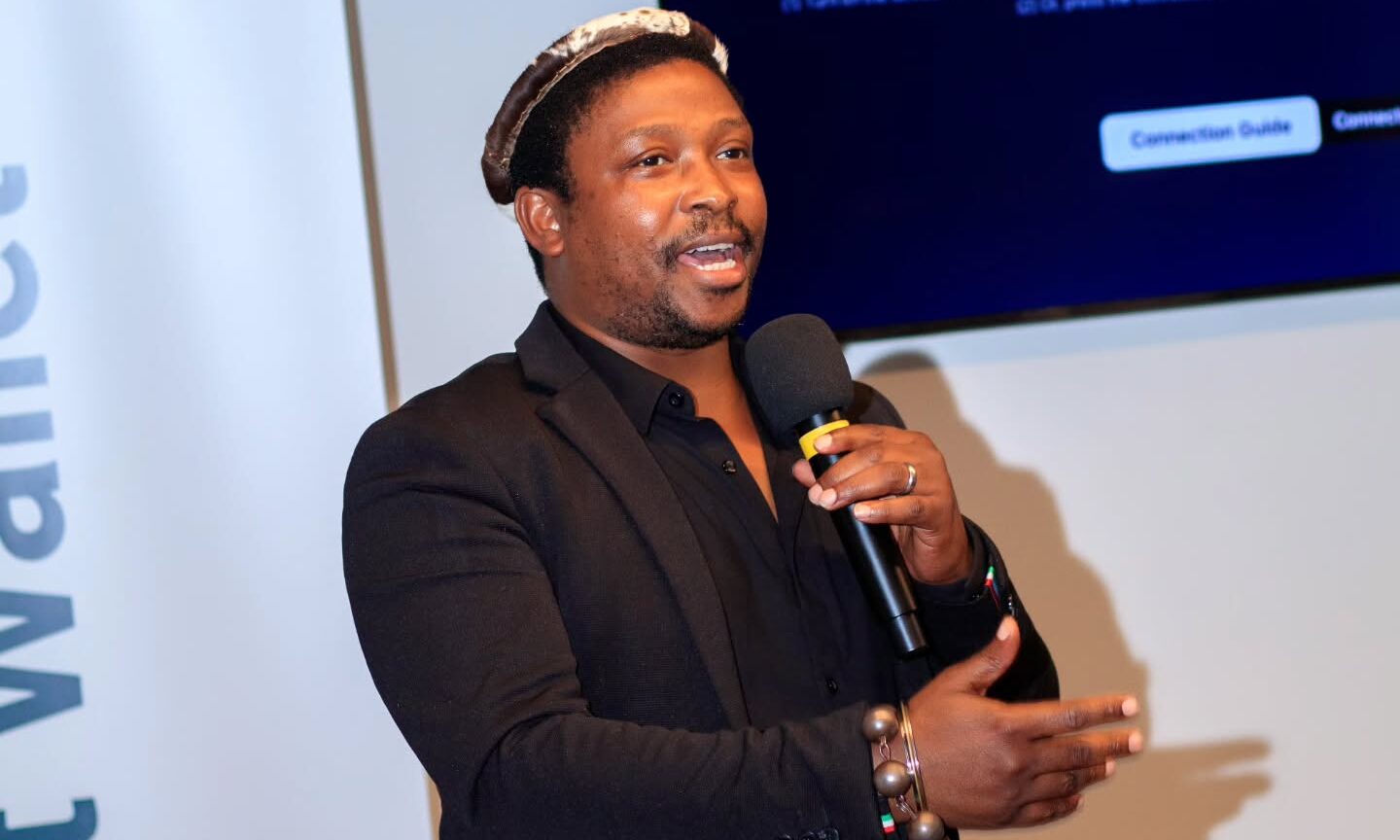
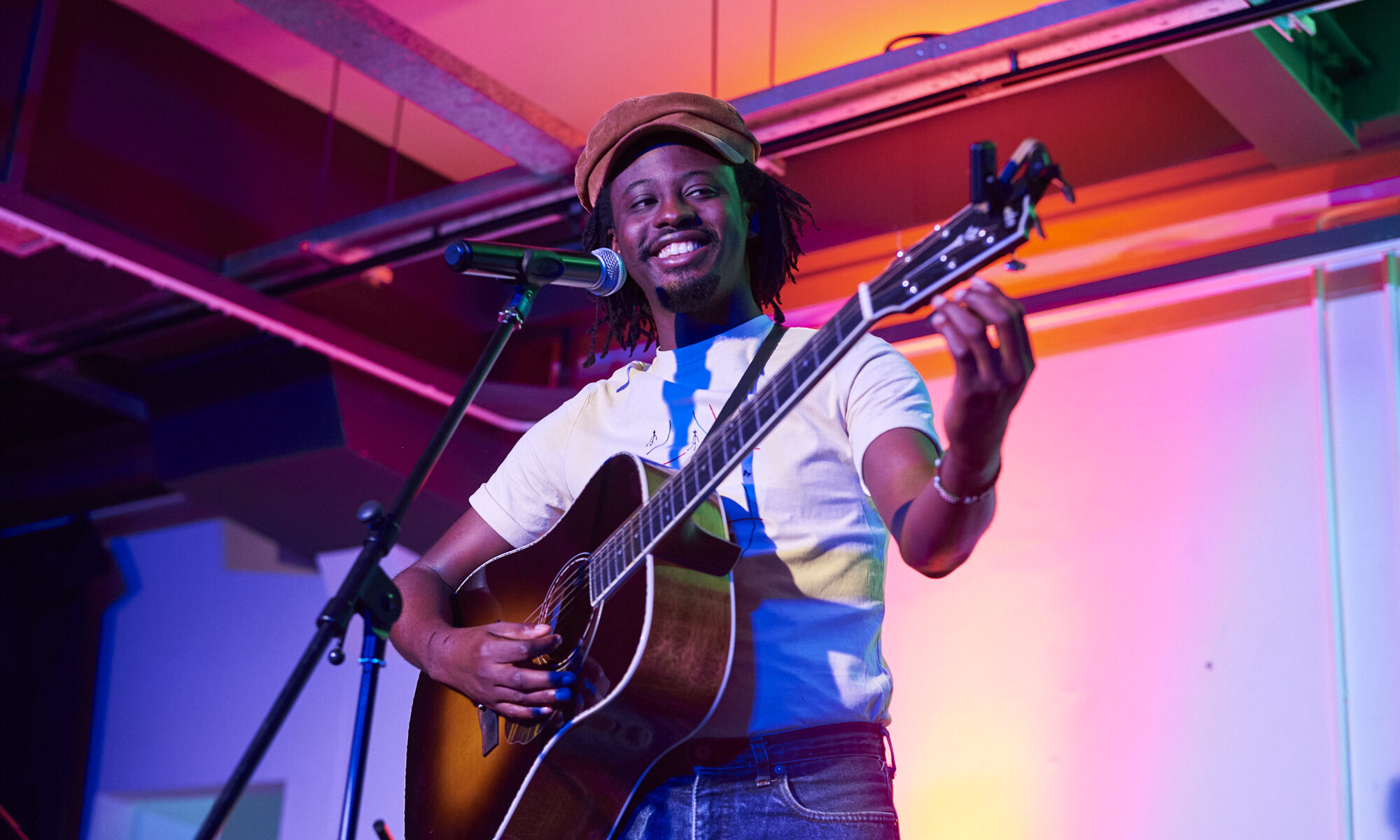
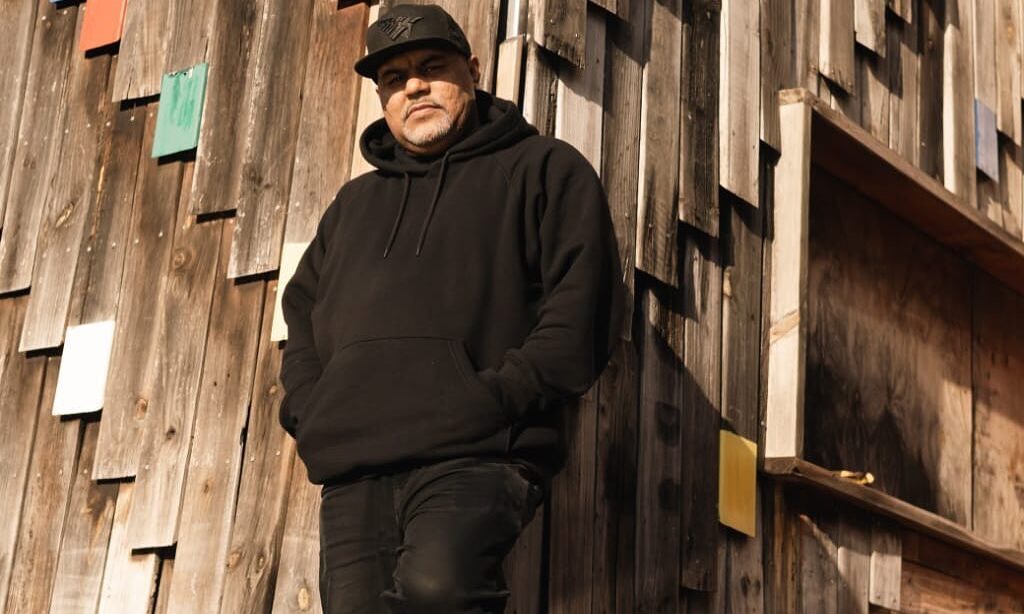
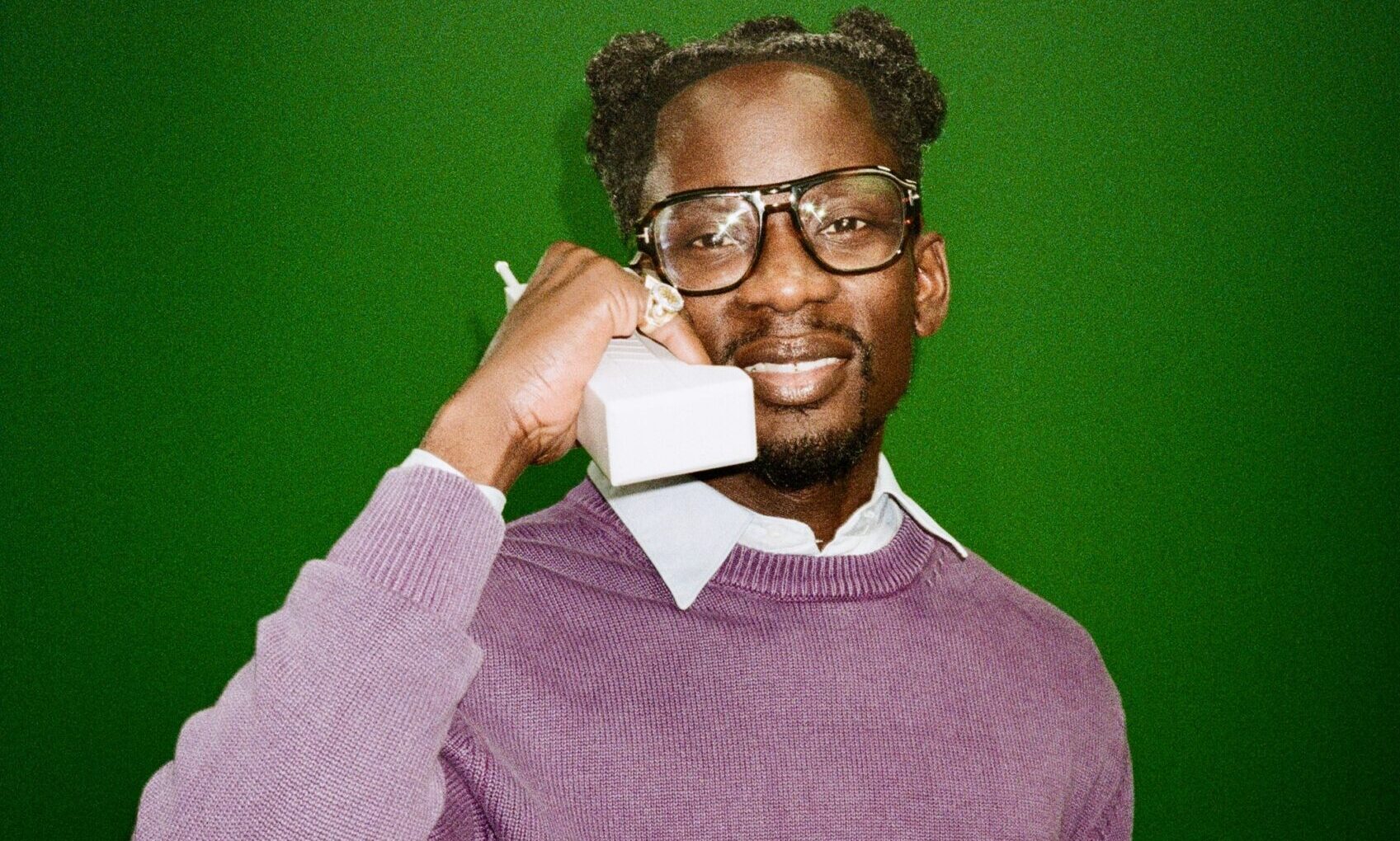
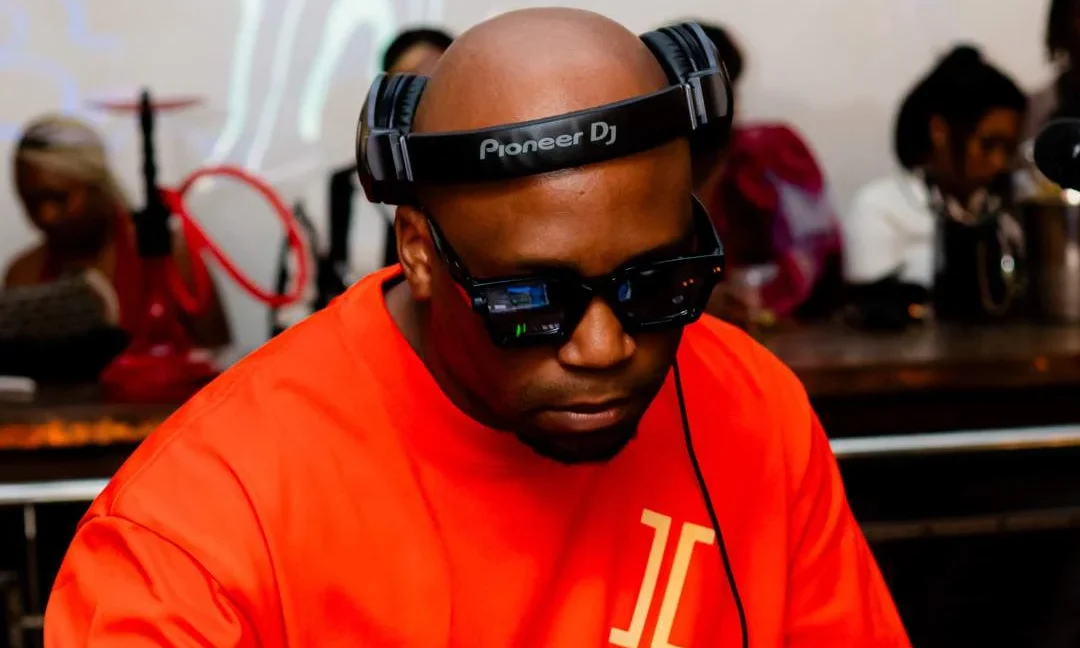
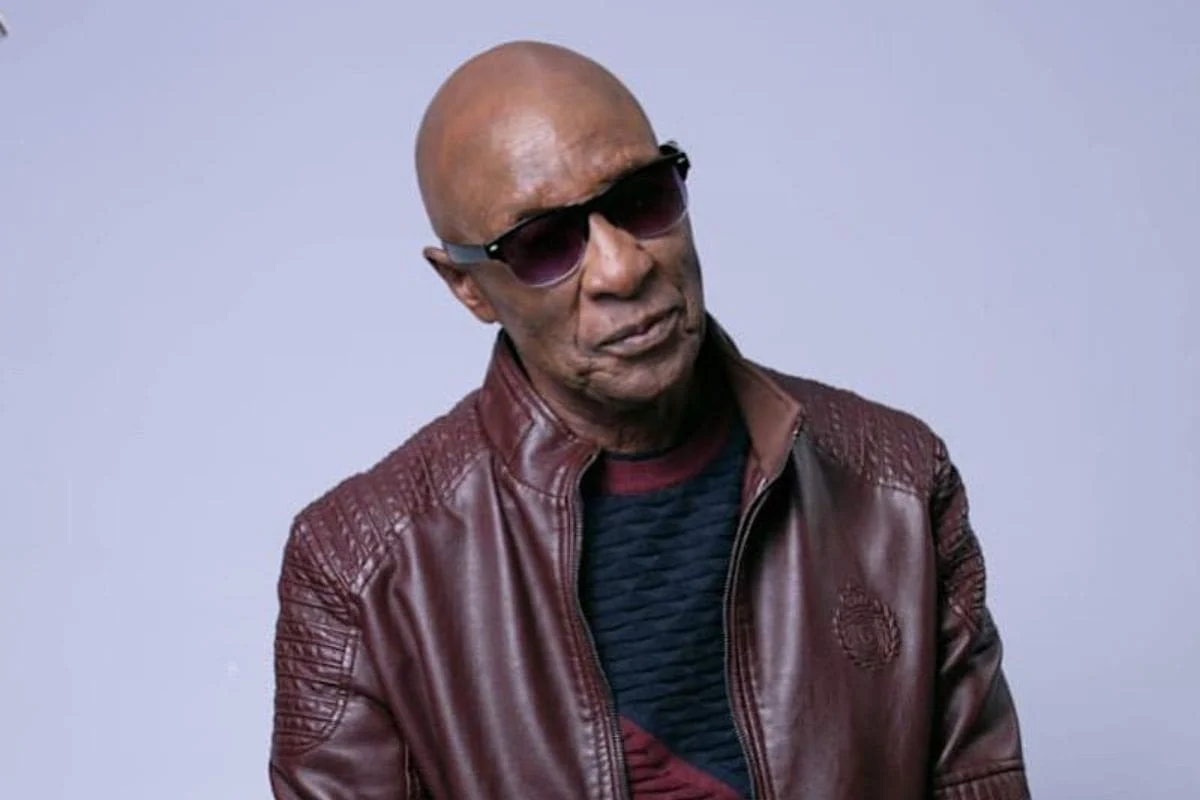
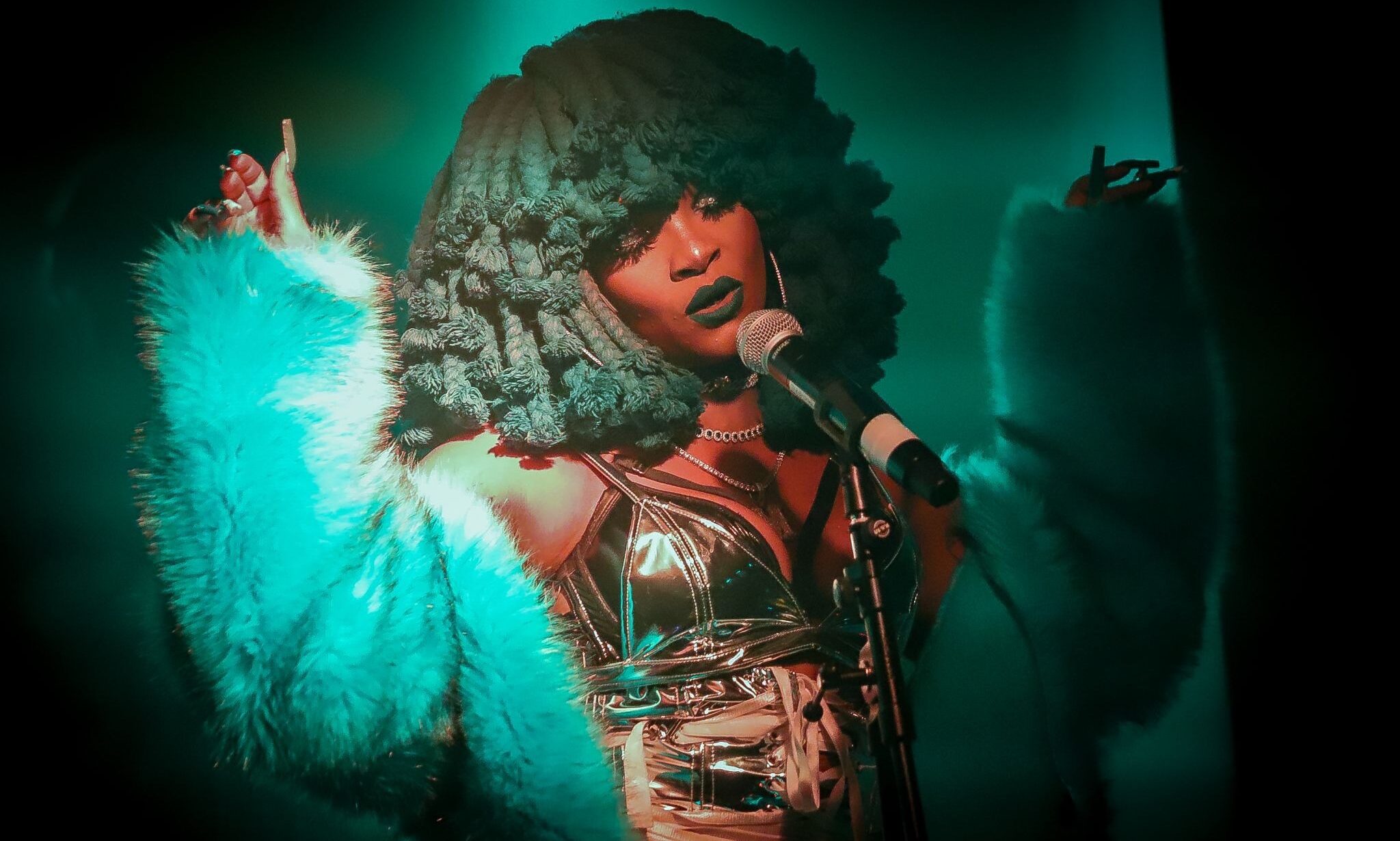
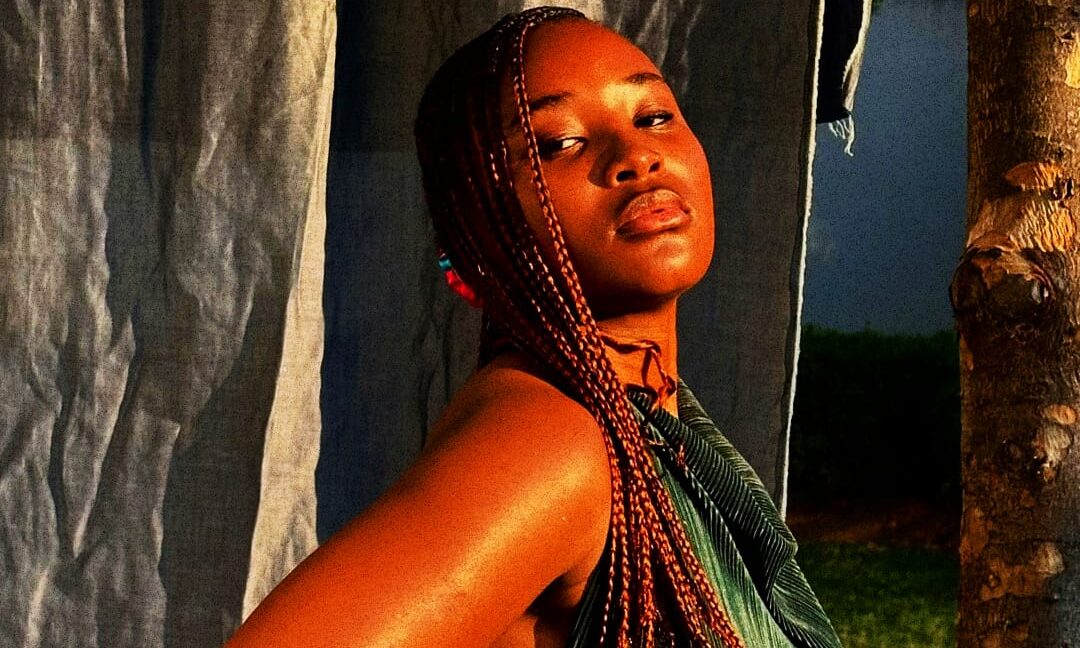















































The waves of COVID-19 from January 2020 through to now have made the music world as we know it a completely different landscape, with international and domestic touring rendered impossible, and music festivals and venues closed. Musicians and the broader music industry have been through a lot. We speak to Sampa the Great (Zambia), Sun-El Musician (South Africa), Msaki (South Africa), Urban Village (South Africa), Mpho Sebina (Botswana) and FOKN Bois (Ghana) about how they have navigated this difficult time.
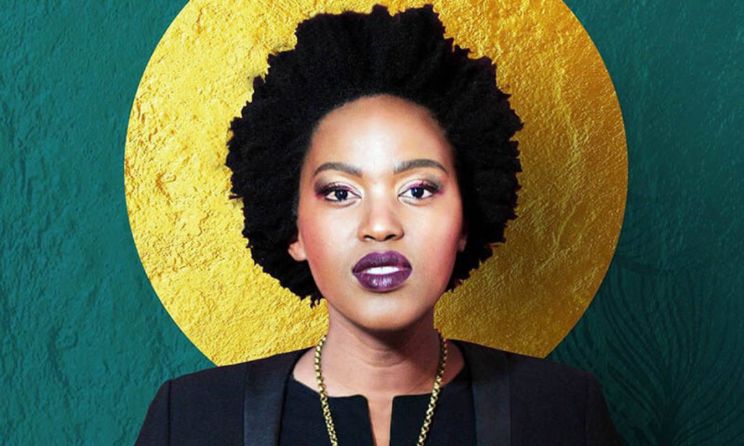
Many artists turned to social media and online concerts to keep their audiences engaged. “Social media has played a big part in keeping connected – from impromptu Insta Live shows and presence on Stories to more planned reaching out,” Msaki says. “I think we all want to know that we are not alone and are navigating the same uncharted futures.”
Sampa the Great, who is based in Australia, says: “The way I engage and connect with my audience during this pandemic is through prerecorded performances. It’s a way to recreate the songs I’ve released and create different stories visually.”
Ghanaian duo FOKN Bois, which comprises Mensa and Wanlov the Kubolor, added: “We have not been able to keep them [fans] engaged. Social media interaction has slowed down, as we have to work on the next album and we feel that FOKN Bois experience is better experienced live while other methods aren’t really enticing. Live streaming isn’t as possible as we live in three different parts of the world.”
Some artists have noticed that their streams on digital serviced providers have increased because people have been forced into a domestic lifestyle. “My music is being streamed more as people are at home,” Sun-El Musician says.
Other artists worked on releasing new music to keep their audience engaged. “When COVID hit, we were forced to push back the release of album Udondolo because the release was built around key tours in South Africa and Europe,” Urban Village said. “With touring not possible, we used the time to slowly release the album with four singles, an EP, two music videos and a documentary, which allowed us to build our audience, resulting in the release of the album getting greater coverage”
Online concerts were a rarity before the onset of the pandemic, but when lockdowns became the norm across the globe, many artists chose to go online. Concerts SA’s Digital Futures report found that South African artists were earning much less via online performance than they would have from small club shows. However, the driving factor for most was audience engagement as opposed to replacing the lost income from not being able to perform live for a physical audience.
“I’ve given special consideration to spaces that offer high-quality production as an investment for good content,” Msaki says. “I'm also nudged by the seasons. Last September, I felt an urge to share and so I organised a free live stream, and now I'm interested in spaces that have dual possibilities for live and virtual.
Sampa the Great said: “Our approach is to always create a world visually that isn’t like the last one – mini music videos in a sense. We also space our performances out to give them their own lifespan and to make sure we don’t oversaturate.”
“I start it off as mellow and allow the audience to warm up and eventually I make it dance. I present my sets the same way I do when I play live to the audience,” Sun-El Musician said about performing digitally.
Mental health during the pandemic has been a major factor that made many people unable to cope with the demands of life and responsibilities. Lack of education about this subject has led to higher rates of depression and self-harm. Coping mechanisms are vital for every artist to lessen the blows of the pandemic and all the trauma it has created.
“Just having rituals: meditating, having a routine, journaling, having hiatuses from social media and all devices regularly, going to the ocean often, breaking routines, eating well even when travelling,” Msaki said.
“I sought counselling and tried to include yoga and meditation into my daily life,” Mpho Sebina said.
Sampa the Great said: “There’s more information on everyone's face, negative and positive, and it’s important to regulate what you take in, especially at a time of major anxiety for musicians, who don’t know the future of their careers.”
“Speaking for myself, I've done this by creating, producing, writing, filming and exercising indoors and keeping in contact with loved one and friends through video calls,” Wanlov the Kubolor said.
Live streams and virtual concerts have been popular platforms used by big artists to continue to engage with their fans and increase involvement. We asked the artists whom we interviewed to mention some of their favourite digital performances:
Msaki: “Sampa the Great's Afropunk's Concert, Zoë Modiga's Insta Live from her Room, Nduduzo Makhathini’s NPR concert with Omagugu Makhathini and Sun-El Musician's To the World and Beyond Album Launch Concert.”
Mpho Sebina: “Wizkid, Asa, Mpho Sebina.”
Sampa The Great: “Nasty C, Moonchild, Burna Boy.”
Wanlov the Kubolor: “I don't even remember watching one. I'm sure I have but nothing stuck in my head. I guess that’s what live music and performers in 3D like the physical dimension have over live streams because I remember concerts I've been to have not been that good.”
Sun-El Musician: “Not to blow my own horn but visually I would say Sun-El Musician’s To the World and Beyond Virtual Concert, Black Motion’s 10 Years of Black Motion Live – Red Bull Rendezvous, and Black Coffee live at the Sterkfontein Caves.”


Most popular

Top amapiano songs of 2026
16 Feb 2026
Call for applications: ACCES 2026 Emerging Artist Spotlight Competition
01 Oct 2026

Top Naija songs of 2026
31 Mar 2026

Top Afrobeats songs of 2026
19 Mar 2026
Open call: 2026 Gender@Work music industry training in Johannesburg
03 Oct 2026
AFRIMA 2026: All the winners
12 Jan 2026
Disclaimer: Music In Africa provides a platform for musicians and contributors to embed music and videos solely for promotional purposes. If any track or video embedded on this platform violates any copyrights please inform us immediately and we will take it down. Please read our Terms of Use for more.

Subscribe to our monthly Newsletter
Follow us on social media


Please log in to post a comment.