










































NEFCISA
NEFCISA

The Music In Africa Foundation (MIAF) is proud of its partnership with the Industrial Development Corporation (IDC) as a Strategic Implementing Partner (SIP) for its Social Employment Fund (SEF). Through this collaboration, MIAF is running a national programme that is creating jobs, addressing skills gaps, and strengthening South Africa's creative industries — in line with the SEF's overarching goal to generate work for the common good and build community value through employment, social contribution, and inclusive economic participation. Operating under the banner NEFCISA (National Employment Facility for Creative Industries in South Africa), the initiative is recruiting and training participants, matching them with host organisations, and has already placed 1 500 workers across the country — surpassing its original target of 1 000. NEFCISA is delivered through a network of 20 host organisations spanning five provinces, who are actively hosting participants and contributing to work for the common good across South Africa's creative and cultural industries. Key Objectives: Support employment and entrepreneurship in the creative industries. Offer skills development and training programmes. Foster partnerships between public and private creative sectors. Promote South African creativity at both provincial and national levels Foster community development through social contribution.

ACCES
ACCES

ACCES Conference and Showcase Festival is Africa's leading music industry gathering, bringing together the people shaping the future of the continent's music business. Artists, entrepreneurs, executives, investors, policymakers and cultural leaders from across Africa and around the world come to ACCES to build partnerships, exchange ideas, discover talent and create new business opportunities. Since its launch in 2017, ACCES has become the continent's premier platform for professional exchange and music market development. Combining a high-level conference with a curated showcase festival, networking, exhibitions and industry programmes, ACCES offers a unique space where creativity meets business and where African music connects with the global industry.

Gender@Work
Gender@Work

Music In Africa Gender @ Work is a three-year training programme aimed at upskilling and increasing the participation of female professionals in the African music sector. Launched by the Music In Africa Foundation (MIAF) in April 2019, the programme is connected to the MIAF’s ACCES music conference – a pan-African event held in a different African country every year. This connection enables the programme to reach new participants in a different African country every year. The programme marks the beginning of a more concerted effort by the Foundation to support the participation and inclusion of women in all facets of its programmes and the music sector in Africa as a whole. Over the three years, the programme will aim to address gender imbalances in the sector through training, lobbying, facilitating knowledge exchange and dialogues that foster the interest of women. The broader objectives of the programme are to: Provide industry training for women on critical music industry skills, focusing on: Stage management Electronic music production and recording Music business management Technical knowledge Provide an opportunity for both professional and aspiring women to benefit from the Music In Africa network and its broad range of activities in 2019, 2020 and 2021. Provide a solution-based platform in the form of a round table at ACCES with a view to identify challenges, discuss opportunities and lobby for the interests of female practitioners. Offer participants the opportunity to benefit from programmes offered by MIAF’s partners. Increase access to educational materials. Integrate participants in the broader ACCES programme to maximise experience and exposure to the industry. Record and present training materials on the www.musicinafrica.net, including but not limited to tutorials, templates and other best-practice materials. Communicate women-based themes that support the initiatives and messages of the programme. MAIN TRAINING ACTIVITIES Training in first country (Ghana): In the first year, participants will be trained on all aspects of stage management by a team of experienced stage managers from 10 to 17 November 2019. The programme will offer robust classroom training as well as practical, hands-on training in which participants will also be given the opportunity to manage various aspects of the ACCES performance programme. Training in second country: The second training iteration will take place at ACCES 2020 when the programme will diversify its course to include music production lessons and training on other music business topics. A round-table platform will also be introduced to coincide with the ACCES programme. Training in third country: The third training iteration will take place at ACCES 2021 in a different country, offering an advanced course. HOW DO YOU GET INVOLVED?  As a participant, facilitator or trainer: The programme enrolls up to 12 trainees every year. All opportunities are advertised publicly on this website, and will be added to this page. Please keep checking this page for new calls (below under UPDATES & CURRENT OPPORTUNITIES). As a partner Please contact Claire Metais at [email protected]. APPLY The call for applications for 2020 will be announced soon. The Music In Africa Gender @ Work programme is made possible with the support of the Prince Claus Fund, Siemens Stiftung and Goethe-Institut.

Sound Connects Fund
Sound Connects Fund

For cultural and creative practitioners and organisations operating in southern Africa, access to funding remains a major challenge. The COVID-19 pandemic has also had a massive impact on government policy, spending and the economy in general, and has seen spending on culture being moved further down the list of priorities. Further, the cultural and creative industries repeatedly cite four main areas where investment is needed for growth, which are increased visibility, mobility including access to new markets, finance and support structures.

Instrument Building And Repair Project

Experience the Vibrations African Instruments Exhibition online in 3D

Features

Afrobeats trailblazers applauded as next chapter dawns
17 Oct 2023 - 08:21

cc-img flag-img

To the degree that key actors remain dedicated to their respective roles, Afrobeats’ cultural impact will persist, and the global community is turning to its stars to shape the next phase of the movement.
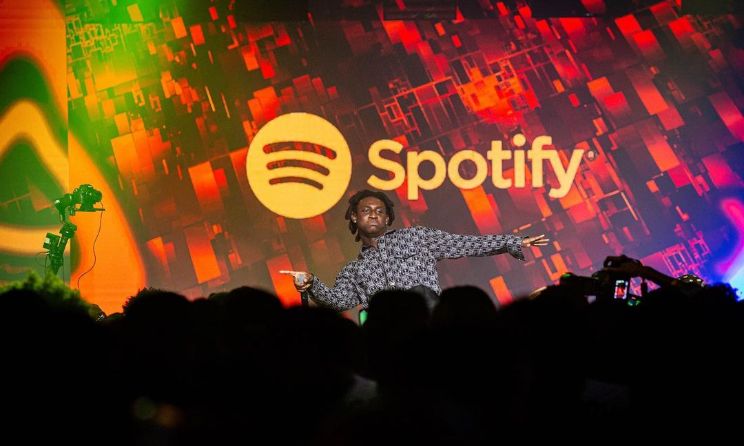
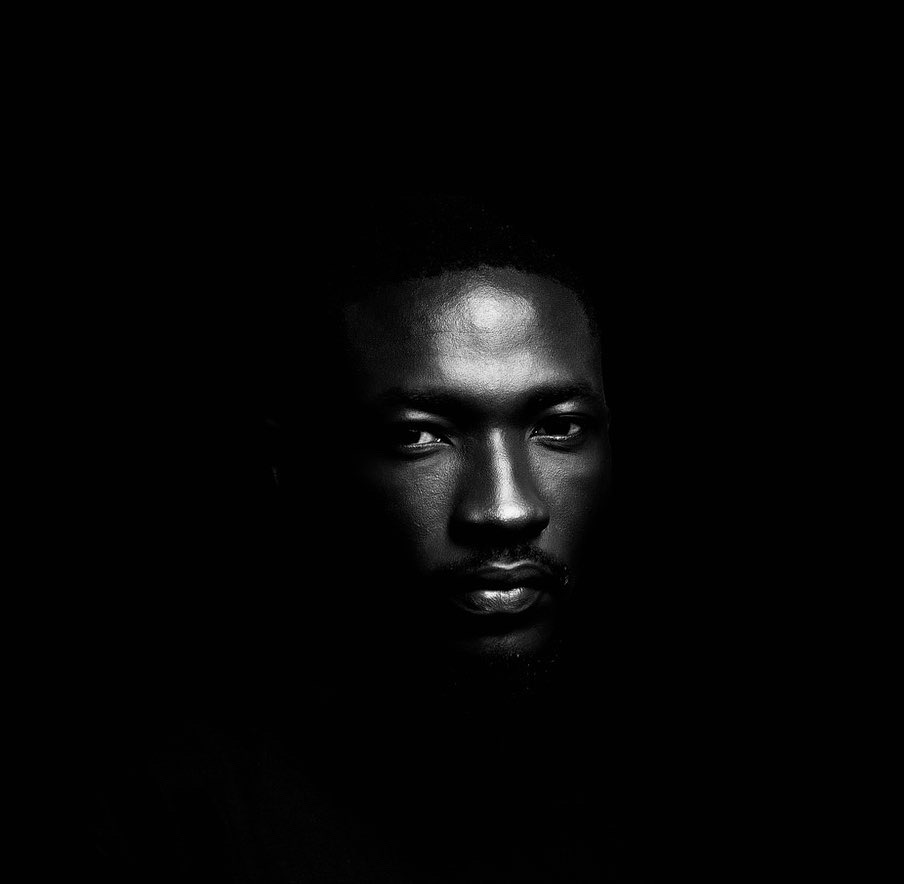
Nigerian breakout star Shallipopi performing at Spotify's Afrobeats Celebration in Lagos, Nigeria, which ran from 13 to 14 October. Photo: Kola Oshalusi

This was the prevailing view at Spotify’s recently held Afrobeats Celebration in Lagos, Nigeria. The two-day event, which ran from 13 to 14 October, traced the Nigeria-led sound’s evolution and celebrated its digital success, with over 15.3 billion streams on the platform.

“Over the years, Afrobeats has taken shape,” local culture journalist Chinonso Ihekire told Music In Africa after the event. Highlighting its evolution through different eras, Ihekire touched on how the genre’s reach has transcended borders and found its way into diverse markets, including North America, Latin America, Europe and even some parts of the Asian markets, like India.

“People who are carrying it on their backs understand that it’s a life-changing game,” he said. “People are taking it more seriously than they did 20 years ago, and that’s why we are where we are today.”

Afrobeats’ rise to global prominence can be attributed to various factors, notably international collaborations. Furthermore, the impact of social media and the active involvement of the African diaspora have enabled Afrobeats artists to draw massive crowds in arenas across the globe, with stadium concerts as a new measure of Afrobeats’ dominance.

There’s also the expansion of music streaming, as observed by media personality and community builder Nadine Audifferen, who praises the efforts of platforms like Spotify in bringing Afrobeats to a global audience and propelling artists like Rema, Burna Boy, Davido, CKay, Wizkid and Tems to true crossover stardom, and powering breakout stars like Asake and Shallipoppi. In August, Spotify revealed that revenues generated by Nigerian artists on its platform reached ₦11bn ($14m) in 2022.

“I love the fact that more people are getting to experience Nigerian music and culture,” Audifferen said.

“It was great to see how Spotify celebrated Afrobeats across the entire entertainment ecosystem,” Trace Naija artist relations and services manager Simi Badiru noted. “Incorporating artists and podcasters was a great way to get the conversation [going].”

“When I think about the rise of Afrobeats, it’s awesome,” model and actor Oluwamayowa Adesoye added, touting Nigeria’s transformation into a global musical powerhouse. “It’s very refreshing and it gives us hope that we can do many great things. Tonight was just all about togetherness and I’m glad I came.”

Beyond these impressive strides, which have occasioned Grammys oversight body The Recording Academy’s introduction of a new African music category ahead of the 66th Grammys next year, there’s a broader sentiment that Afrobeats owes its current prominence to those who have carried its legacy with a profound understanding of its transformative potential. “Afrobeats has ventured into territories we didn’t foresee,” creative director Promise Ubor said. “I applaud the trailblazers who dedicated themselves to bringing us to this point.”

In all of this, the key to Afrobeats’ longevity, Ihekire believes, lies in authentically relating its stories and preserving its cultural essence. “We’re seeing bigger work for us,” he said. “Afrobeats will be relevant for decades to come provided we understand how to tell our own stories, shape our narratives, safeguard what needs to be safeguarded and share what needs to be shared. People are looking to Afrobeats musicians to provide the next chapter for the blossoming community.”

Ihekire’s stance echoes Rema’s rousing speech at this year’s Headies in Atlanta, USA. The ‘Calm Down’ singer, behind the first African artist-led track to surpass 1 billion Spotify streams, was a standout winner at the event, securing three trophies.

“I’m here because it is important to support our institutions, the bodies that support you to be able to achieve these major successes,” Rema said. “We are in a very sensitive period. If we don’t give our attention to our institutions, we will miss this chance that we have, and we will never have this chance again.”

Please log in to post a comment.

Most popular

Disclaimer: Music In Africa provides a platform for musicians and contributors to embed music and videos solely for promotional purposes. If any track or video embedded on this platform violates any copyrights please inform us immediately and we will take it down. Please read our Terms of Use for more.

newsletter banner

Subscribe to our monthly Newsletter

Follow us on social media