


































NEFCISA
NEFCISA

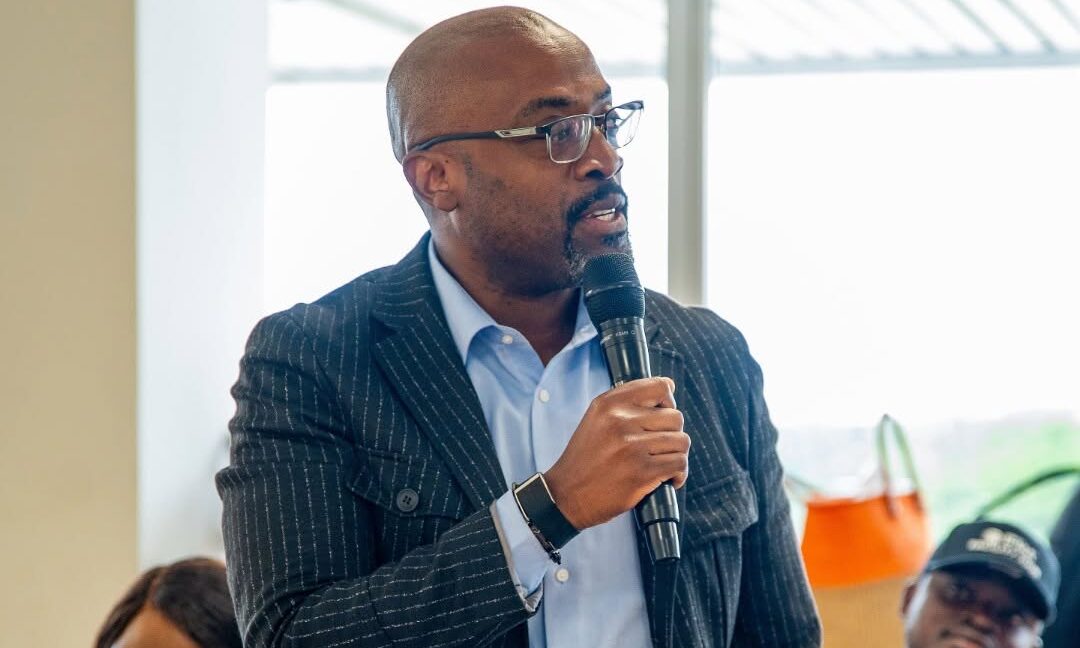
The Music In Africa Foundation (MIAF) is proud of its partnership with the Industrial Development Corporation (IDC) as a Strategic Implementing Partner (SIP) for its Social Employment Fund (SEF). Through this collaboration, MIAF is running a national programme that is creating jobs, addressing skills gaps, and strengthening South Africa's creative industries — in line with the SEF's overarching goal to generate work for the common good and build community value through employment, social contribution, and inclusive economic participation. Operating under the banner NEFCISA (National Employment Facility for Creative Industries in South Africa), the initiative is recruiting and training participants, matching them with host organisations, and has already placed 1 500 workers across the country — surpassing its original target of 1 000. NEFCISA is delivered through a network of 20 host organisations spanning five provinces, who are actively hosting participants and contributing to work for the common good across South Africa's creative and cultural industries. Key Objectives: Support employment and entrepreneurship in the creative industries. Offer skills development and training programmes. Foster partnerships between public and private creative sectors. Promote South African creativity at both provincial and national levels Foster community development through social contribution.

ACCES
ACCES

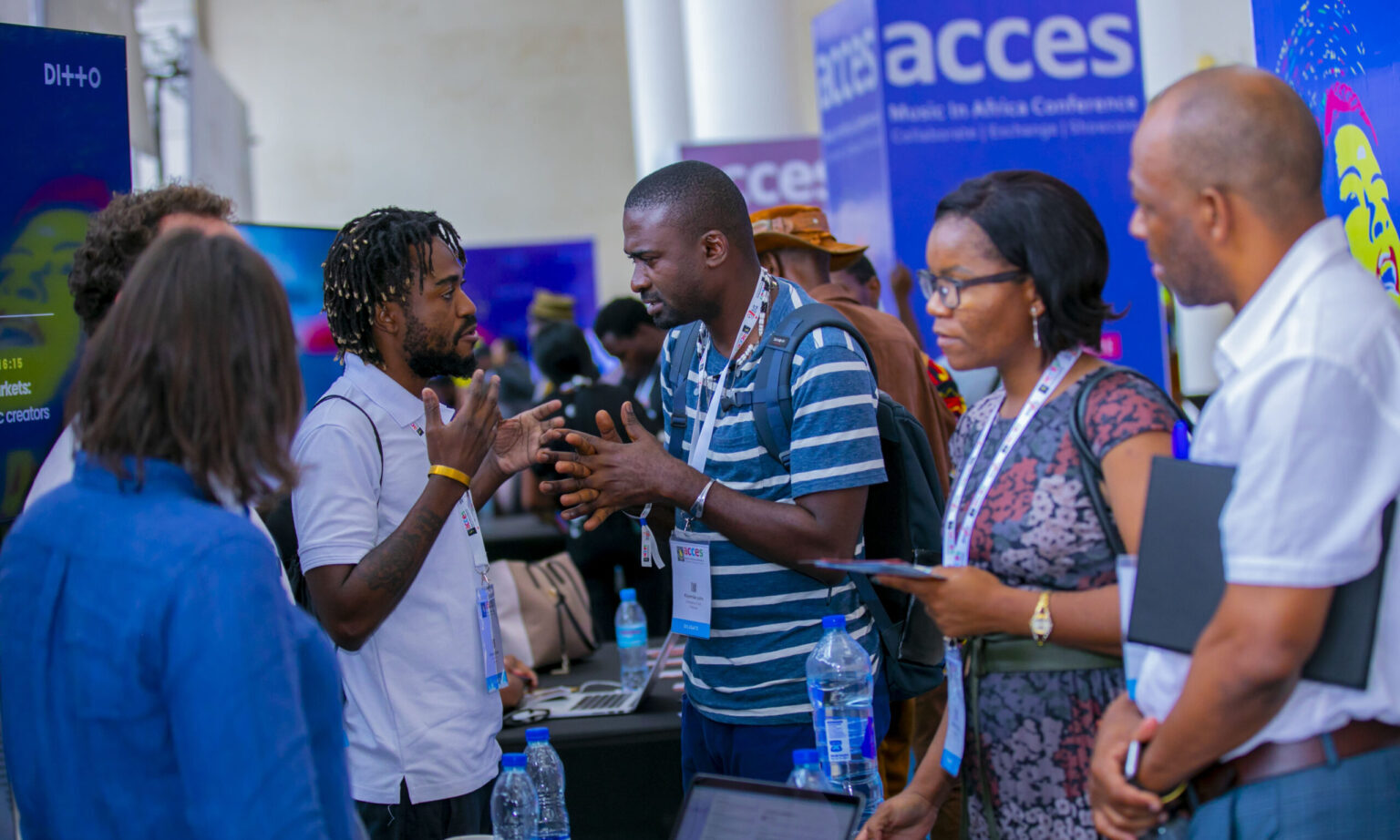
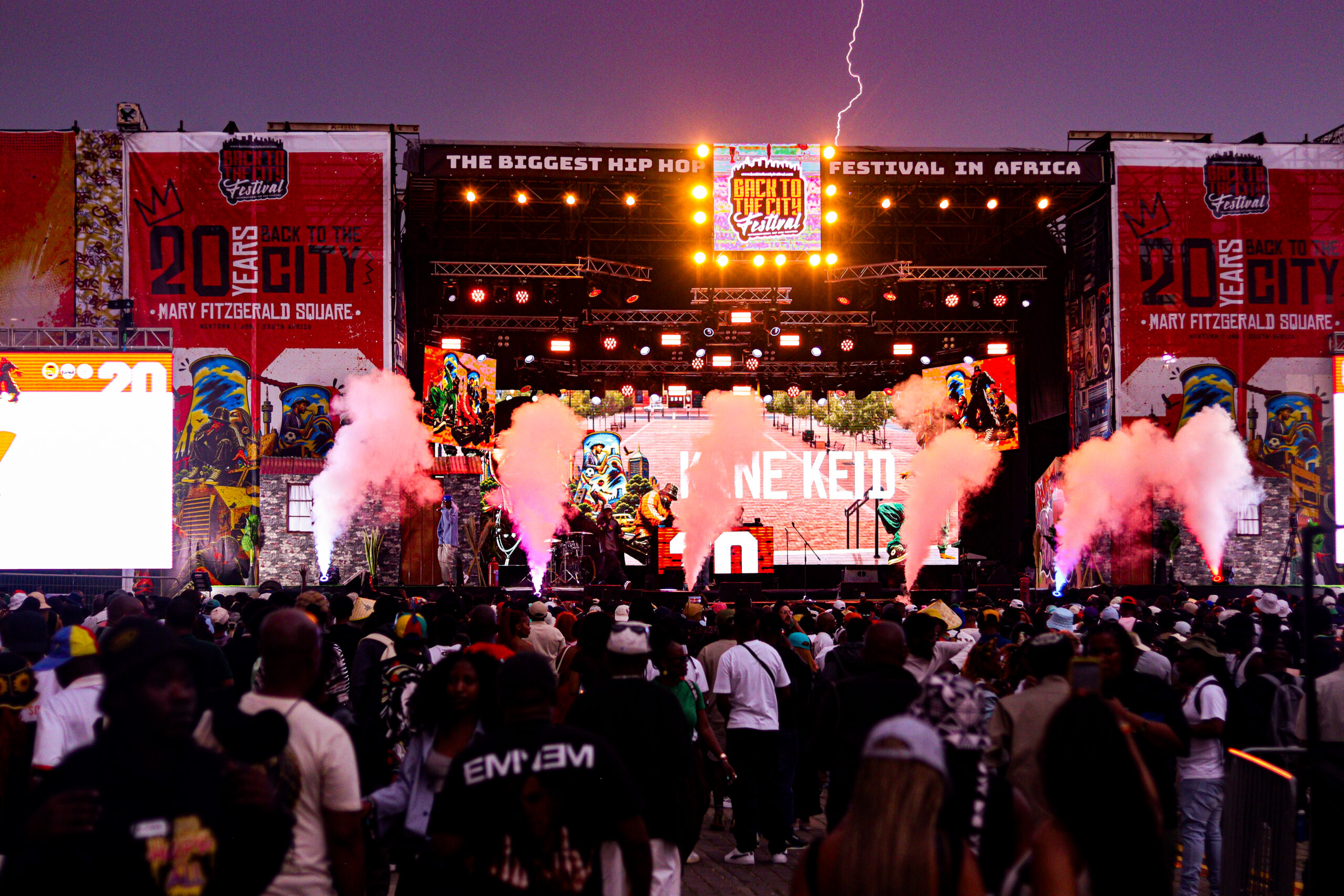
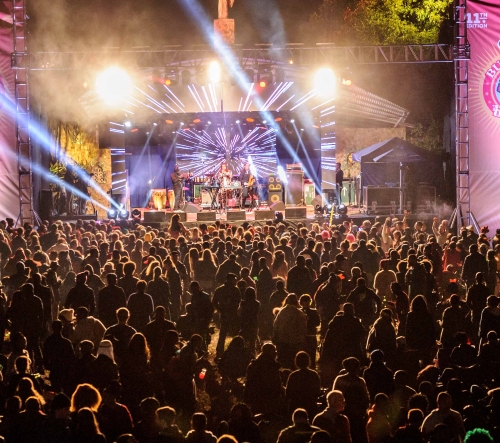
ACCES Conference and Showcase Festival is Africa's leading music industry gathering, bringing together the people shaping the future of the continent's music business. Artists, entrepreneurs, executives, investors, policymakers and cultural leaders from across Africa and around the world come to ACCES to build partnerships, exchange ideas, discover talent and create new business opportunities. Since its launch in 2017, ACCES has become the continent's premier platform for professional exchange and music market development. Combining a high-level conference with a curated showcase festival, networking, exhibitions and industry programmes, ACCES offers a unique space where creativity meets business and where African music connects with the global industry.

Gender@Work
Gender@Work

Music In Africa Gender @ Work is a three-year training programme aimed at upskilling and increasing the participation of female professionals in the African music sector. Launched by the Music In Africa Foundation (MIAF) in April 2019, the programme is connected to the MIAF’s ACCES music conference – a pan-African event held in a different African country every year. This connection enables the programme to reach new participants in a different African country every year. The programme marks the beginning of a more concerted effort by the Foundation to support the participation and inclusion of women in all facets of its programmes and the music sector in Africa as a whole. Over the three years, the programme will aim to address gender imbalances in the sector through training, lobbying, facilitating knowledge exchange and dialogues that foster the interest of women. The broader objectives of the programme are to: Provide industry training for women on critical music industry skills, focusing on: Stage management Electronic music production and recording Music business management Technical knowledge Provide an opportunity for both professional and aspiring women to benefit from the Music In Africa network and its broad range of activities in 2019, 2020 and 2021. Provide a solution-based platform in the form of a round table at ACCES with a view to identify challenges, discuss opportunities and lobby for the interests of female practitioners. Offer participants the opportunity to benefit from programmes offered by MIAF’s partners. Increase access to educational materials. Integrate participants in the broader ACCES programme to maximise experience and exposure to the industry. Record and present training materials on the www.musicinafrica.net, including but not limited to tutorials, templates and other best-practice materials. Communicate women-based themes that support the initiatives and messages of the programme. MAIN TRAINING ACTIVITIES Training in first country (Ghana): In the first year, participants will be trained on all aspects of stage management by a team of experienced stage managers from 10 to 17 November 2019. The programme will offer robust classroom training as well as practical, hands-on training in which participants will also be given the opportunity to manage various aspects of the ACCES performance programme. Training in second country: The second training iteration will take place at ACCES 2020 when the programme will diversify its course to include music production lessons and training on other music business topics. A round-table platform will also be introduced to coincide with the ACCES programme. Training in third country: The third training iteration will take place at ACCES 2021 in a different country, offering an advanced course. HOW DO YOU GET INVOLVED?  As a participant, facilitator or trainer: The programme enrolls up to 12 trainees every year. All opportunities are advertised publicly on this website, and will be added to this page. Please keep checking this page for new calls (below under UPDATES & CURRENT OPPORTUNITIES). As a partner Please contact Claire Metais at [email protected]. APPLY The call for applications for 2020 will be announced soon. The Music In Africa Gender @ Work programme is made possible with the support of the Prince Claus Fund, Siemens Stiftung and Goethe-Institut.

Sound Connects Fund
Sound Connects Fund

For cultural and creative practitioners and organisations operating in southern Africa, access to funding remains a major challenge. The COVID-19 pandemic has also had a massive impact on government policy, spending and the economy in general, and has seen spending on culture being moved further down the list of priorities. Further, the cultural and creative industries repeatedly cite four main areas where investment is needed for growth, which are increased visibility, mobility including access to new markets, finance and support structures.

Instrument Building And Repair Project

Experience the Vibrations African Instruments Exhibition online in 3D

News

Artists win big at ONGEA! music summit

21 Feb 2017 - 10:57

cc-img flag-img

The curtain fell on Eastern African music summit ONGEA! on Sunday night after four spirited days of performances, recordings, discussions and business exchanges. The event, which was held in Nairobi, saw 11 736 visitors walk through its doors, a 50% increase from last year, the summit’s founder, Mike Strano, said. 
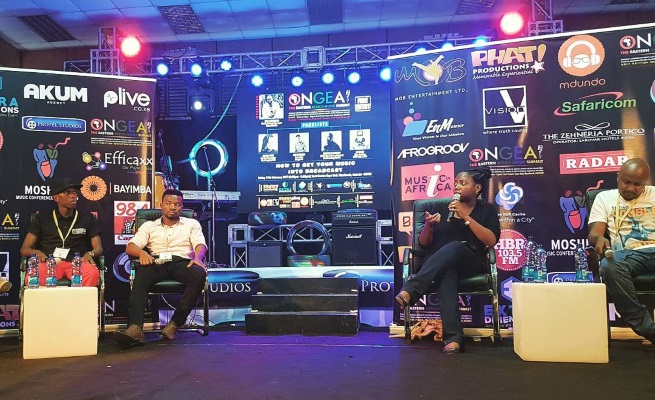
DJs, VJs and radio presenters shed light on how artists can get their music into broadcast. Photo: Twitter

ONGEA! drew artists, associations, booking agents, collective management organisations, digital distributors, educational institutions, media houses, record labels, regulators, technical suppliers and fans.

“This year we had more participation from countries that haven’t attended in the past, such as Cameroon, Djibouti, Ethiopia, Ghana, Mozambique, Nigeria, South Africa, Zambia, Zimbabwe, Australia, Poland and Ireland. Uganda, Tanzania and Rwanda were, as usual, well represented,” Strano said.

Festival bookers present included Jess White of Mozambique’s AZGO festival and the IGODA festival circuit, Eric Karengera of Isaano, Kigali!Up and I am Kigali festivals, Tshepo Nzimande of Moshito in South Africa and Herman Kabubi of Bayimba and Doadoa festivals in Uganda.

Cameroonian band Macase took centre stage during the showcase performances, with their upbeat ‘Bantu groove’ getting fans on their feet. The 11-member ensemble was also shortlisted by the festival bookers alongside H_Art the Band, Nina Ogot and Winyo from Kenya.

Speaking to Music In Africa, Serge Maboma, Macase bass guitarist and founding member, said ONGEA! was a great platform for the band because there were no such business events in Central Africa, as the closest was the fledgling Atlantic Music Expo in Cape Verde. “Coming from a francophone country, this event has opened doors for us in anglophone Africa and we look forward to performing at Bayimba and Moshito later in the year,” he said.

Karengera termed Winyo as East Africa’s Youssou N’Dour and said it was unfortunate that the region had not celebrated the singer and guitarist, whose music is heavily influenced by old school benga from the western region of Kenya.

“Both he and his wife, Nina Ogot, are accomplished artists who can hold a crowd, whether performing solo or with a band,” Karengera said. “I would want them to perform in Rwanda as a couple because that’s what makes them unique.”

Now in its second year, ONGEA! was originally known as Kenya Music Week but after ten years it expanded in scope to include other East African countries.

This year the organisers intended to spark new innovations and content through discussions, networking and new funding deals. Panel discussions tackled relevant industry topics such as how to be booked for festivals, intellectual property rights, the financial viability of digital distribution, the gaps in sound engineering and the production of live performances as well as the impact of music on culture, development and advocacy.

The open mic sessions were quite popular with the young crowd, and for 24-year-old Marie Furaha they gave her a ticket into Sauti Academy on a one-year scholarship. The judges said the gospel singer had scored 100% of the points.

“I have learnt a lot from watching other artists perform and visiting the stands at the expo and I’m looking forward to starting my gospel music career at the academy,” she said.

While some aspects of the summit were successful, the event was not without hitches. The Mdundo Awards, though well attended by music fans, were snubbed by the shortlisted artists. Of the seven winners, only one – Timmy T Dat who took home the award for the most downloaded hip hop artist – turned up in person to receive the award.

Not even Kenyan gospel artist Mercy Masika, who was the star of the night with two awards, was present. In absentia, Masika scooped up the 2016 most downloaded gospel artist and the most downloaded single awards for her hit ‘Nikupendeze’. Willy Paul’s ‘Fanya’ was the most downloaded male single, while Kymo & Stigah and Sauti Sol were most downloaded group and Afro-pop artists respectively.

In his opening remarks, Strano, founding director of Phat! Music and Entertainment Limited, the company behind the summit, said ONGEA! was still a corporate social investment (CSI) and the company had invested 2 million Kenyan shillings ($19 300) to subsidise the event every year. The plan was to commercialise the event in future. Strano urged East African governments to support the creative industry.

“Our industry needs working capital. Right now, there’s a whole range of middle-level professionals such as managers and publishers missing in the music industry in the region because the industry cannot support specialisation,” he said.

Watch Wanny Angerer and Katalina Gonzalez of Cultural Stopovers Kenya perform at ONGEA! 2017:

Please log in to post a comment.

Most popular

Disclaimer: Music In Africa provides a platform for musicians and contributors to embed music and videos solely for promotional purposes. If any track or video embedded on this platform violates any copyrights please inform us immediately and we will take it down. Please read our Terms of Use for more.

newsletter banner

Subscribe to our monthly Newsletter

Follow us on social media