


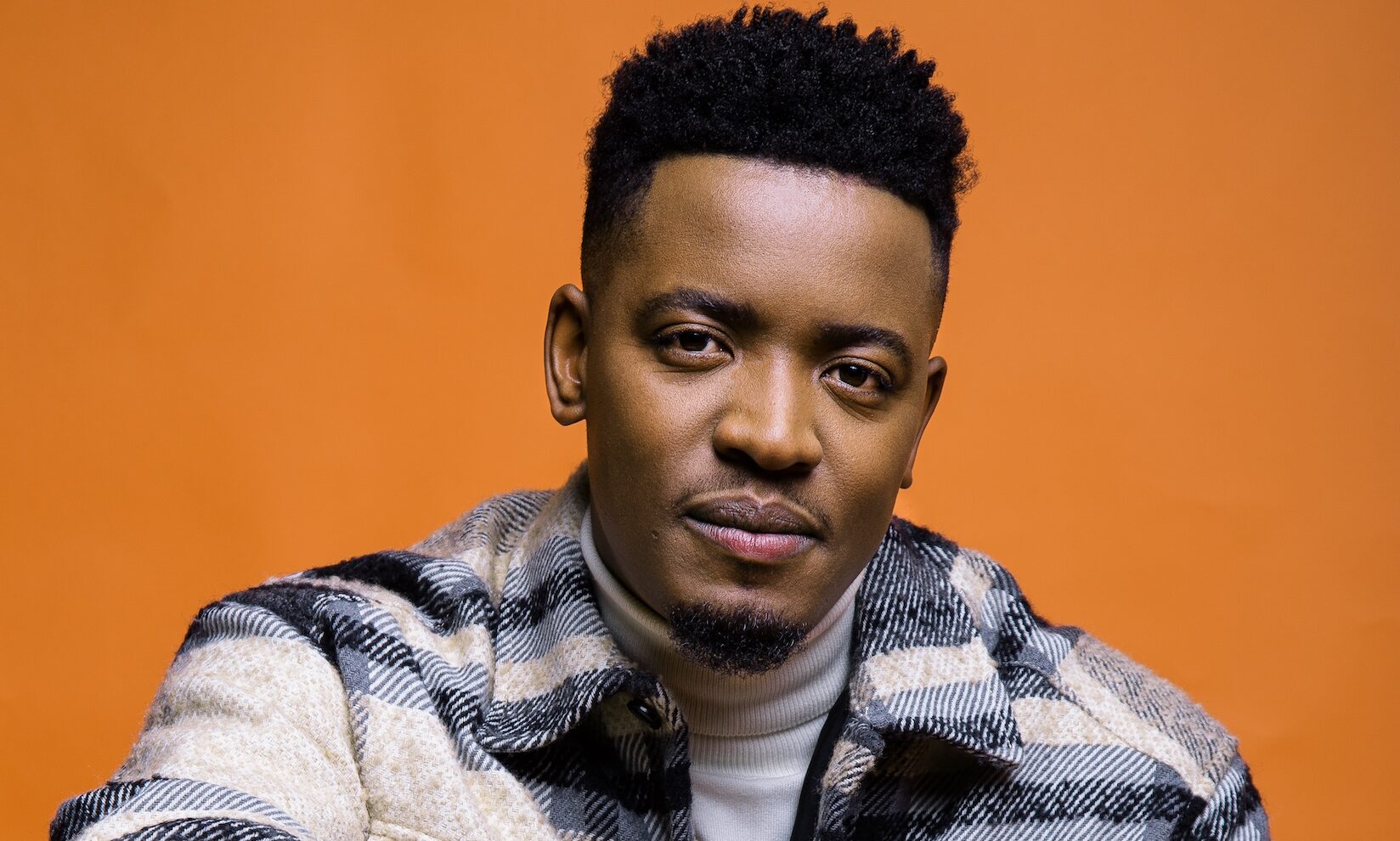
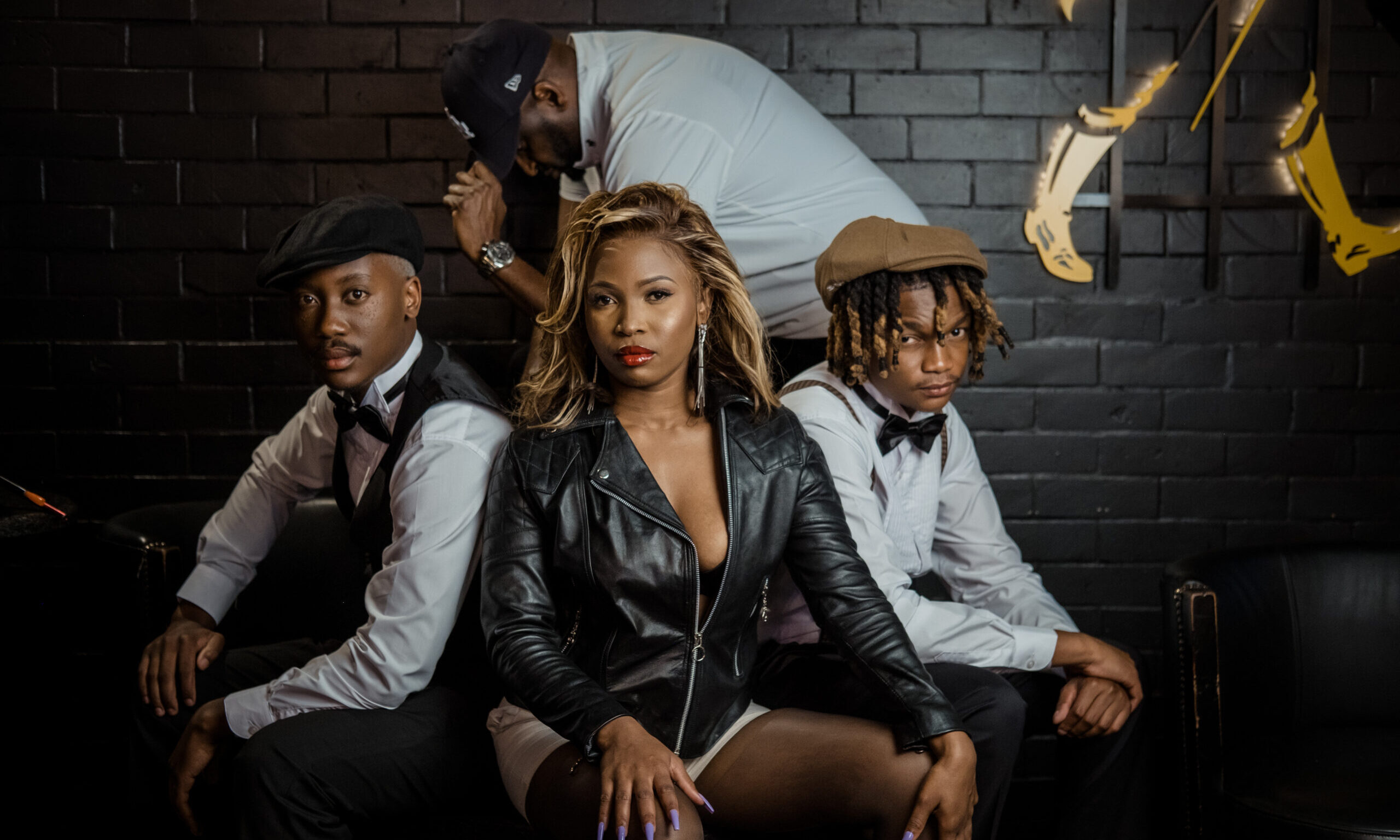
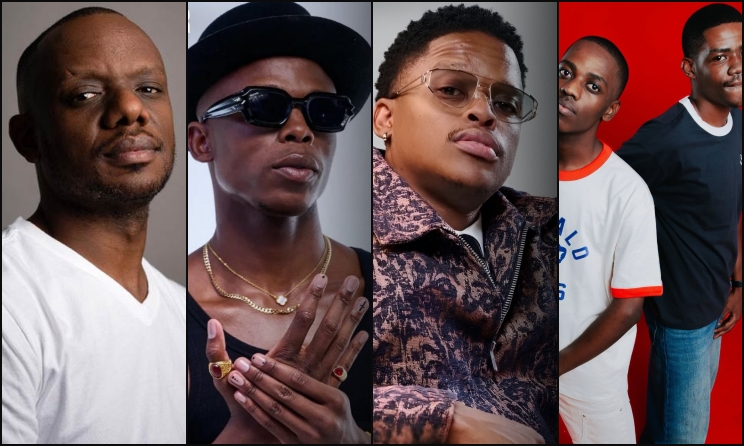











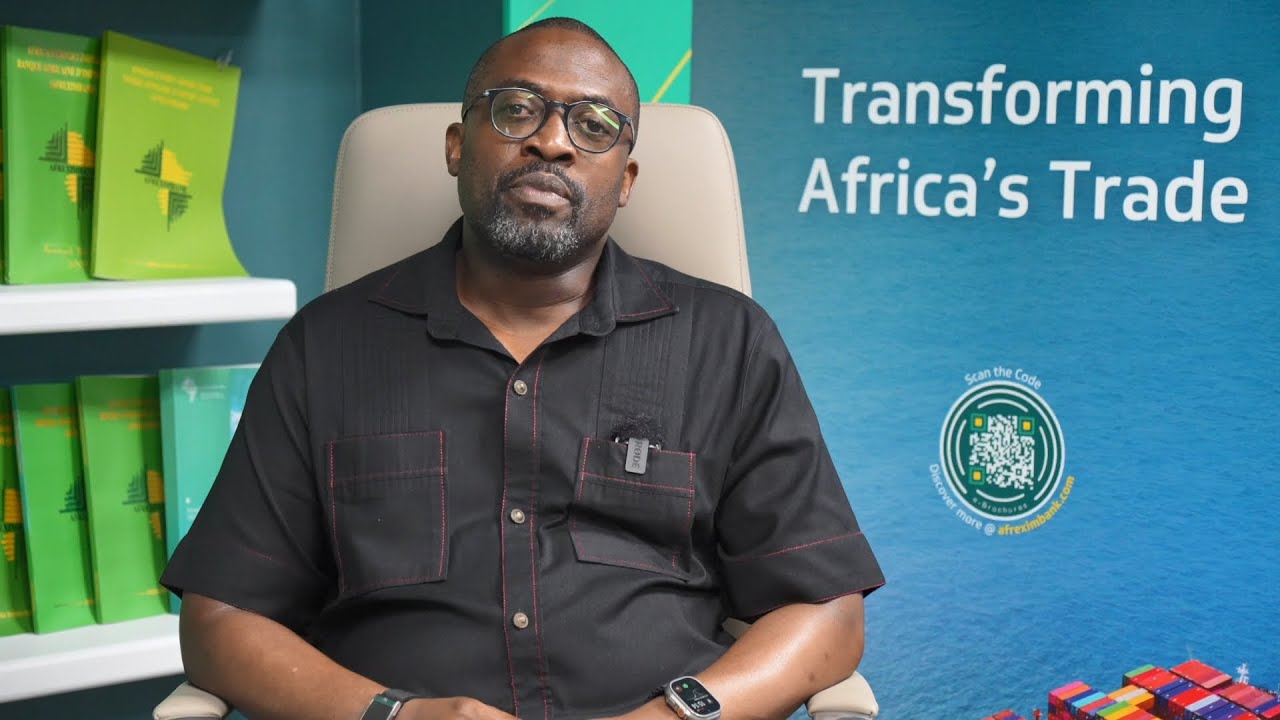
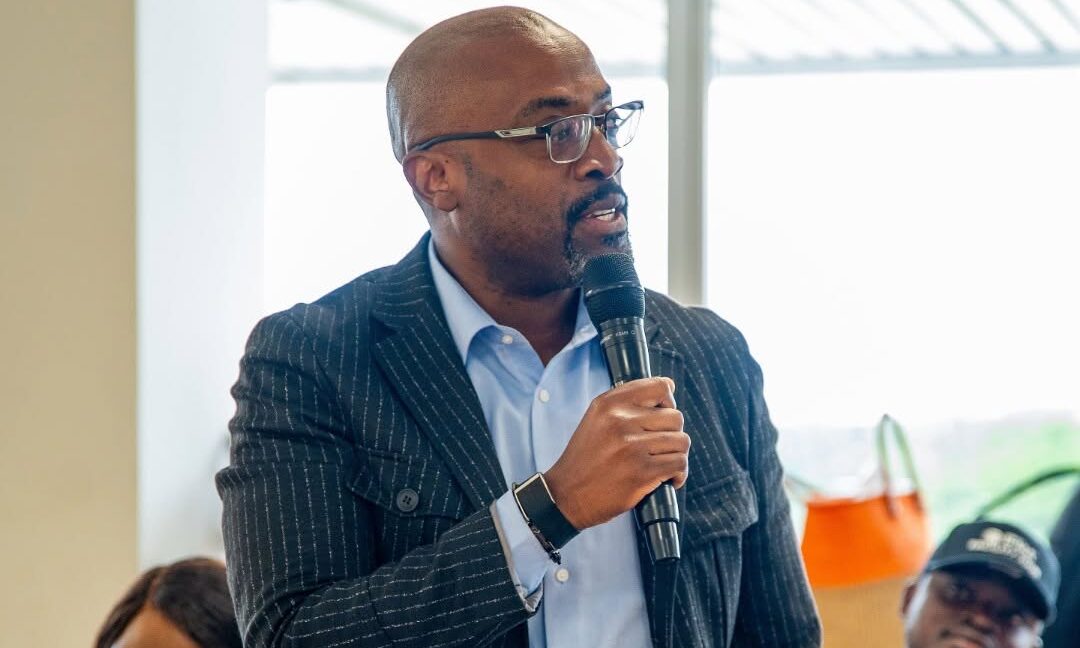
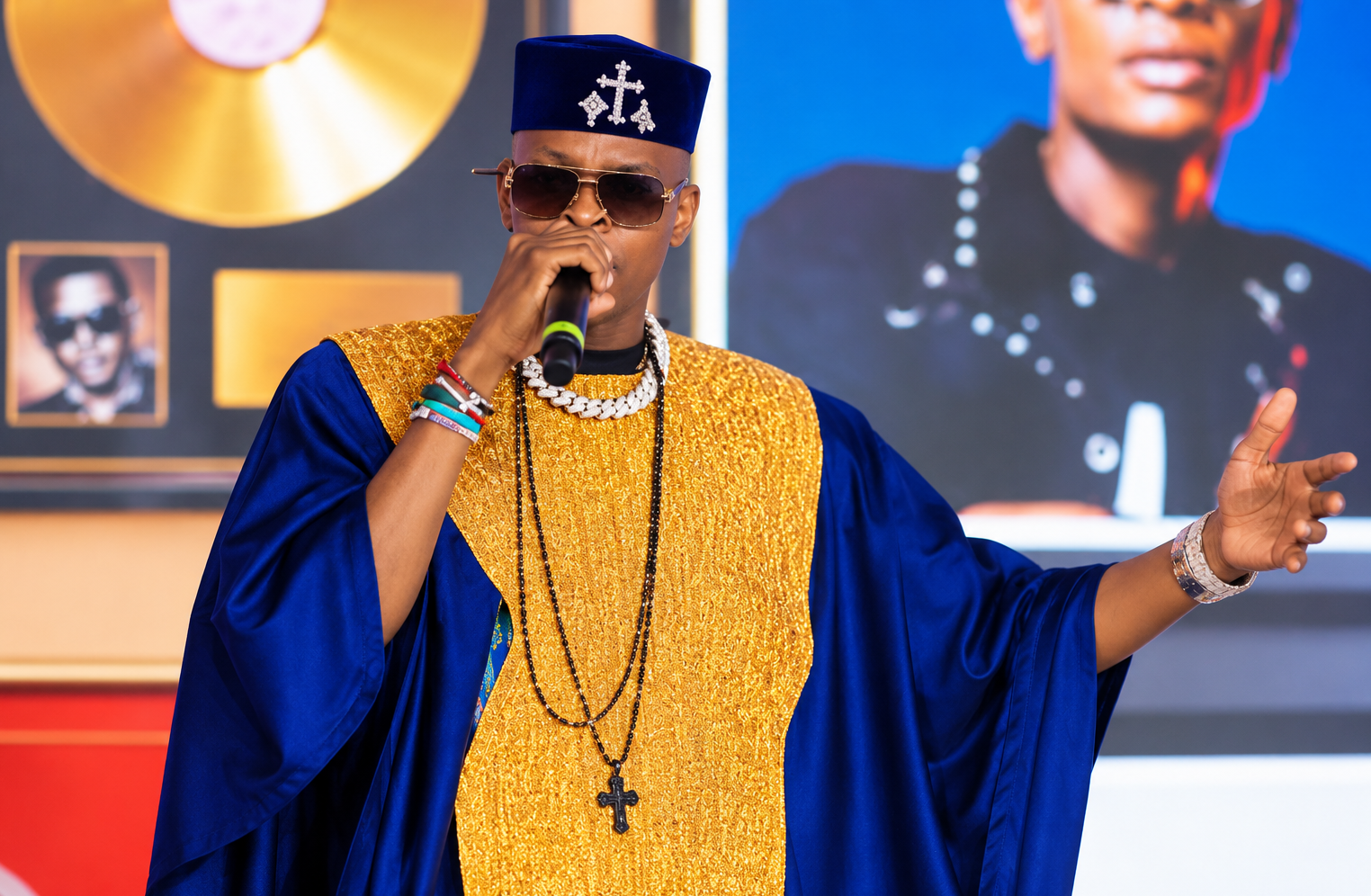
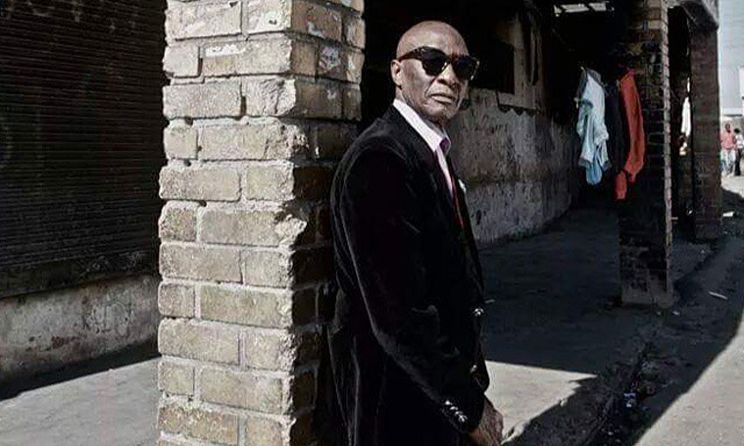































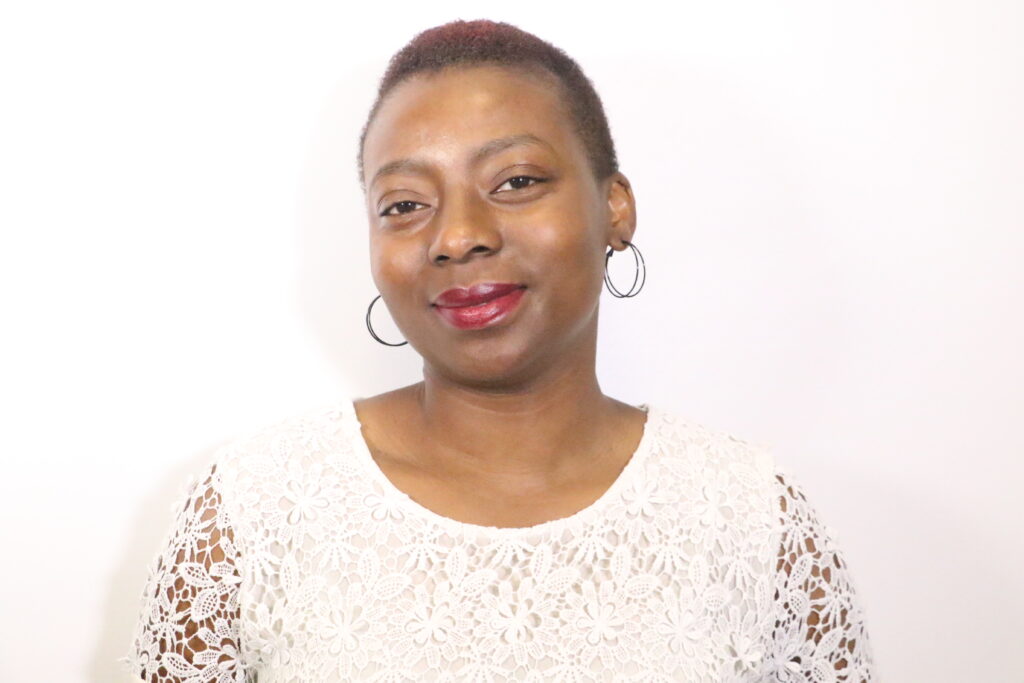


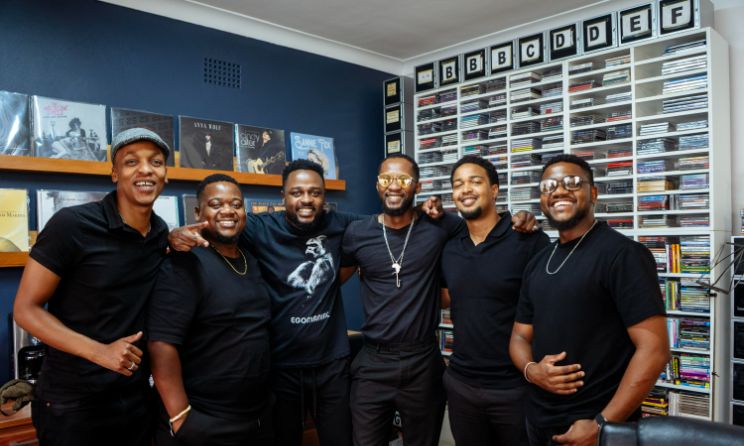
Just 6 is a South African a cappella group redefining vocal harmony through their signature style, “Afro Vocal Play”, a fusion of traditional African sounds, jazz, gospel, Afro-pop, and vocal instrumentation. A couple of weeks ago, I sat down with all six members: Fezile ‘Fez’ Mavuso, Kwande ‘Skwara’ Cakata, Mthandazo ‘Mtha’ Sibanda, Nkosilathi ‘Nkosie’ Sibanda, Zwelihle ‘Smokes’ Malaza, and Nangakhulu ‘Shakes’ Mbevhana — ahead of a recording session.
We spoke about their journey and distinctive sound, how they maintain group synergy, their ‘chaotic’ rehearsal process, and, most importantly, the power of brotherhood that binds them together. They also shared insights into their upcoming project, which pays tribute to South African music legends.
MUSIC IN AFRICA: How did Just 6 come together, and when did you realise the group had something special?
SHAKES: We started in 2011, so we’ve been together for about 12–13 years now. We began in church. Honestly, I started the group because I was bored! I felt the music in church wasn’t as exciting as I wanted it to be, so I gathered a few guys who also loved having fun with music. At first, we were called Boundless, and there were four of us. Then we brought in Nkosie Hospas, and later Fez joined. That’s when the group officially became Just 6. We’ve been going strong ever since, doing the Lord’s work!
Your sound is so unique, blending jazz, gospel, and Afro-pop using only your voices. How did you develop this signature style?
NKOSIE: We’ve coined the term Afro Vocal Play to describe our sound. It stems from the global art of vocal play — a form of a cappella singing that gained traction in the 20th century. It’s all about emulating instruments and creating arrangements that sound fully produced using only our voices. We took that idea and added our African flavour to it. So essentially, it’s us using vocal play to bring rhythms, sounds, and effects to life. It reflects our love for various genres while staying true to our roots. Our shared passion for a cappella is the glue that holds us together.
NKOSIE: A cappella demands incredible vocal precision. As the music director, what does your rehearsal process look like, and how do you maintain that harmony?
NKOSIE: Our rehearsals are chaotic! We like to call it "unpractising" — if we rehearse for six hours, we probably spend four of those chatting and bonding, and maybe only two actually singing! But that time we spend together builds our harmony. That bond carries into the music. We don’t need to overthink arrangements — everyone knows their role. We’ve spent enough time getting to know each other, not just as a group but as brothers. That translates directly into our sound, how we harmonise and blend.
When we do get into rehearsing properly, though, we’re hard on ourselves and on each other. When it’s time to focus, we snap into that mode. Sometimes we work so quickly we don’t even realise it. For instance, for the Vibrations concert with Samthing Soweto, we began rehearsals on a Monday and performed on the Friday — just four days to put together an entire set. That’s how our practice, and unpractising, comes together.
MTHA: I just want to emphasise that we operate like a band. Even though we don’t use instruments, our process is the same, rehearsals, run-throughs, then refining everything before the show. There’s only so much you can rehearse. A lot of technical work goes into achieving our level of precision. And while we have fun, we respect the craft and the effort it takes. What sets us apart from traditional a cappella groups is that they usually focus on harmonising, soprano, alto, tenor, bass. We go a step further by treating our voices like instruments. We think like producers. If I want my voice to sound like a guitar, I’ll tweak my tone until it does. At the core, we’re producing instrumental music, just without the instruments.
How do people react to your music, especially without instruments? Do you face challenges being taken seriously?
FEZ: Reactions vary. At first, many people don’t understand what we do. Sound engineers, for example, often underestimate our technical needs — they assume we just need microphones and we’re good to go!
“It’s just voices, just give them mics, they just sing,” the group jokes in unison, mimicking the reactions they often receive.
FEZ: At almost every gig, we have to advocate for proper sound setups to give the audience the full experience. But once they hear us, it clicks. Every time we finish performing, people come up to us and say, “We didn’t expect that!” We’ve learnt to embrace that challenge and have fun with it.
You’re currently working on a South African classics album. Can you tell us more about the project? There’s such a rich pool of songs to choose from — how do you decide what makes the cut?
SMOKES: This project is very close to our hearts. With Just 6, we’re versatile, we’ve performed many of these songs live already. So this album is about paying homage to South African legends and the iconic songs that raised us. We’re talking about greats like Brenda Fassie, Hugh Masekela, and Mam’ Miriam Makeba. These are artists whose impact was truly profound. It’s exciting to share their music, which shaped us and forms part of our DNA.
NKOSIE: Smokes put it beautifully. We wanted to honour the greats who came before us. If you look at American music culture, they constantly celebrate their legends, sampling their work and presenting it to younger audiences. There’s a strong culture of preserving and celebrating legacy. But here, we don’t always do that. We’ve got our own original music, but we felt it was time to pay tribute to these icons and make sure their classics are heard by a new generation. In choosing the songs, we went with what we consider classics and we hope the public agrees! We also selected tracks from artists we connect with, whose influence goes beyond South Africa.
MTHA: In essence, without sounding too philosophical or political, we just want to make great music. And what better way than by reintroducing these legendary voices? When was the last time you heard a truly great album? That’s what we want to bring back. I grew up with voices like Ladysmith Black Mambazo at home. Church introduced us to vocal play, but these legends showed us what else we could do with our voices.
How do you handle creative differences and maintain synergy as a group?
KWANDE: Honestly, it’s not that difficult. The great thing about us is there’s no ego problem. Egos can destroy a group. But we’ve been together long enough to understand one another. When someone suggests something, we listen and try it. There’s no one superstar, everyone leads in their own way. Sure, we disagree sometimes, but we always return to the bigger picture. So many groups fall apart over small issues. We’ve learnt to let go and stay focused.
SMOKES: I’d add that we kind of operate like a football team. There’s the huddle before we go on stage, the half-time chats between sets, where Nkosie — aka the coach, tells us to switch formation or change the order of songs depending on the audience’s reaction. We adapt quickly, just like in sport. Hopefully, next time I sing really well and get the crowd cheering, I’ll be able to take my shirt off like a footballer! laughs. We’ll get there!
Read part 2 of the big Just 6 interview here.


Most popular

Top Naija songs of 2026
31 Mar 2026

Top Afrobeats songs of 2026
19 Mar 2026

Ghana: Mr Eazi and MOLIY’s ‘Comfort’ earns Urban Music Awards nomination
21 Oct 2026

Top amapiano songs of 2026
16 Feb 2026
Open call: CANEX Music Business Lab and Songwriting Camp
15 Oct 2026
Nigeria: CANEX WKND unveils 2026 programme
21 Oct 2026
Disclaimer: Music In Africa provides a platform for musicians and contributors to embed music and videos solely for promotional purposes. If any track or video embedded on this platform violates any copyrights please inform us immediately and we will take it down. Please read our Terms of Use for more.

Subscribe to our monthly Newsletter
Follow us on social media


Please log in to post a comment.