






























































By Niry Ravoninahidraibe
The Madagascan public lives with a misconception of classical music. However, the development of talent, events and music schools tends to slowly but surely reverse this tendency. At present, classical music attracts only a small audience, but its expansion is undeniable since children and adolescents show interest in the genre, and its fans are growing. This text provides an overview of classical music in Madagascar.
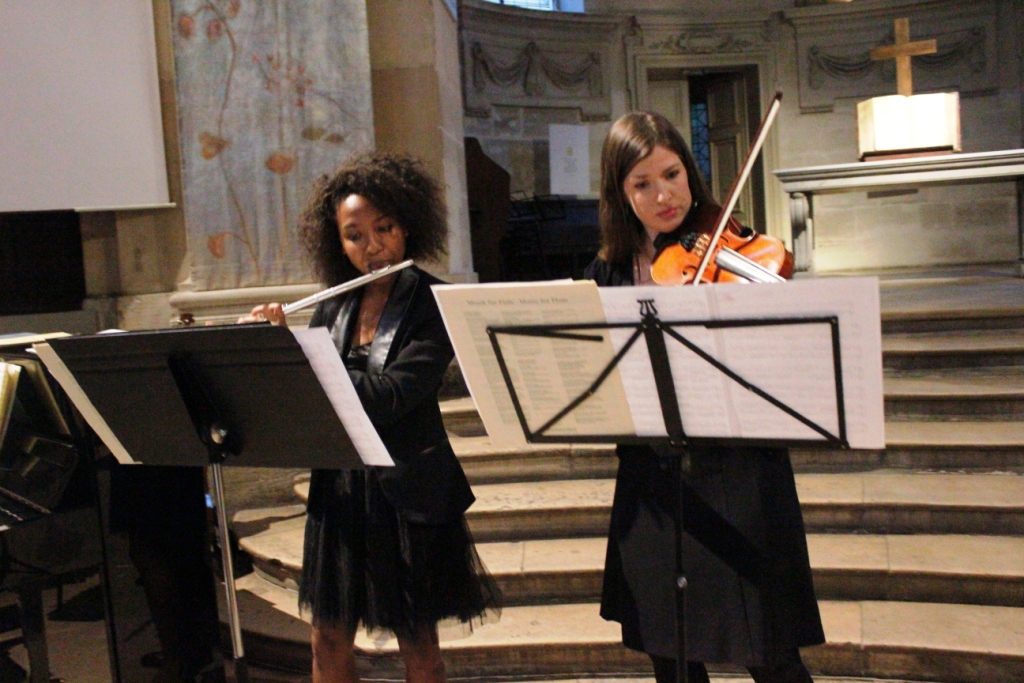
The terms ‘classical music’, ‘refined music’ or ‘opera’ have put Madagascar in a state of collective ignorance, followed by indifference. The musical environment of Madagascar, strongly influenced by popular music, does not allow Madagascans to appreciate classical music. Indeed, the sounds of classical and popular genres are diametrically opposed: sweet and strict on the one side, liberal and ‘high-pitched’ on the other. Furthermore, the conventional technique of classical music is difficult to master, and even to enjoy. Indeed it is difficult to adhere to this style, be it for artists or for the public, although a little less difficult for some. Nevertheless, putting aside these complexities, Madagascan classical artists enroll in conservatories, succeed in learning the rudiments and contribute to the expansion of this form of music on the Big Island.
Origins
The integration of classical music in Madagascar has unclear origins. It is not impossible that the first interactions with the genre might have taken place between the Madagascan royalty and foreigners during the period before colonization. It is after independence that one can speak of the ‘vulgarization’ of classical music on the Big Island.
One can also cite the first music schools: The Music School of Antananarivo in the 1960s and the National Centre for Music Education founded in 1972 and directed by Schwarde. The first lessons were given by foreigners such as Bernarson and Rouillon. Later came private schools such as the Ratefy School of Music and the Rajaofetra Music School, which was also among the first repair shops for instruments. Indeed, there was a period during which it was difficult to practice because repairing instruments was not yet among the skills of Madagascans.
Despite doubts about its origin, there are still vestiges of the first educational tests, like the presence of a ‘claviocelle’ (an old classical instrument) located at the National Training Centre for Music and Dance (CNEMD) in Anosy.
Artists and groups
Among the notable names in Madagascan classical music is that of the late Etienne Ramboatiana (alias Bouboul), an influenced figure on the guitar. At present, the number of artists and musicians in this genre is growing. They include Miora Rabemanantsoa, Holy Razafindrazaka[i], Kingatsa Kakotomalala, Kiady Rakotomalala, Mireille Rakotomalala, Mirana Randria and the ensemble Camerata.
Many Madagascan artists in classical music have gained access to the conservatories. However, the number of classical artists from Madagascar is still relatively low compared to other countries. Some of those who have managed to improve their art have gone to build a school to share their knowledge and allow other Madagascans to gain access to this genre. Holy Razafindrazaka, a Madagascan soloist who is sought after overseas, does not refrain from teaching in her own country. As an artist and teacher, her presence on Madagascan soil is appreciated. Moreover, the Laka School organizes frequent concerts by their Laka Ensemble to showcasetheir mastery of classical music. The midday classical concert (‘Concert de classique de midi’) tops the list of local classical music events.
Performances
Performances by Madagascan artists of classical music often refer to those overseas, particularly in Europe. The single most striking difference between the world of classical music in Madagascar and that of other countries is the technical know-how. This is explained by two points: first, that this genrespreads expressly through music education; and second, the impossibility of aspiring artists in this genre to practice properly in Madagascar. This does not prevent the emergence of potentially talented and persevering Madagascans. In normal times, Madagascans have nothing to envy others in terms of performance styles.
Practice hours are often relatively low in Madagascar. While in European countries like France, classical music has some prominence and represents a specific path to employment,in Madagascar the genre still struggles to claim its place in the public space. Classical music is largely regarded as a hobby without any resulting work opportunities. As a result, classical musicians struggle to devote all their time to this genre in order to earna living from it.
Talent is not lacking on the Big Island, however – something that music teachers Rajaofetra and Holy Razafindrazaka of Laka School emphasize. Technical knowledge is what characterizes classical music with regards to reproducing works identically, without improvisation or distortion; and these same techniques cannot be overlooked. It is a music genre the complexity of which is soothed by the talent, passion and perseverance of the performer.
Training and events
Formal music schools, training opportunities with foreign professionals and classical events abound. In terms of schools, Rajaofetra - renamed Talenta in December 2014 – recently celebrated its 100 years of existence[ii]. Ratefy Music School - now called Rafety music lessons (CMR in French) also continues its programme. Other institutions that contribute to the development of this genre include the National Centre for Education in Music and Dance, Area Academy, Laka and the Germano-Madagascan Centre, which all offer music lessons. Other schools offering quick training, devoid of true pedagogy,arguably prevent students from reaching the required level of knowledge, thereby spoiling the market.
With regard to events, the best-known and most regular one is the lunchtime classical concert that takes place every third Wednesday of the month at the French Institute of Madagascar, an initiative of Madagascar Mozarteum[iii]. This concert remains remarkable not only for its loyal fans and artists, but also because it is useful in terms of knowledge, recognition and the sheer listening pleasure of the general public. In the same promotional vein, a classical music event, Festival Classik'art,washeld in August 2015.
The general view of the Madagascan public towards classical music remains that of indifference; many consider it ‘too slow’ or ‘sweet but old’. Like jazz, classical music is generally designated as a genre reserved for ‘snobs’. This is certainly not popular music, a genre that continues to attract new fans, especially young artists determined to be professionals. Nevertheless, classical music does have its place in Madagascar’s musical landscape. According to one of the music teachers of the Rajaofetra family, “The popularity of classical music is on the rise, with classical concerts as well as training workshops with foreigners.”


Most popular

Top Naija songs of 2026
31 Mar 2026

Top Afrobeats songs of 2026
19 Mar 2026

Ghana: Mr Eazi and MOLIY’s ‘Comfort’ earns Urban Music Awards nomination
21 Oct 2026

Top amapiano songs of 2026
16 Feb 2026

Open call: CANEX Music Business Lab and Songwriting Camp
15 Oct 2026
Nigeria: CANEX WKND unveils 2026 programme
21 Oct 2026
Disclaimer: Music In Africa provides a platform for musicians and contributors to embed music and videos solely for promotional purposes. If any track or video embedded on this platform violates any copyrights please inform us immediately and we will take it down. Please read our Terms of Use for more.

Subscribe to our monthly Newsletter
Follow us on social media


Please log in to post a comment.