






















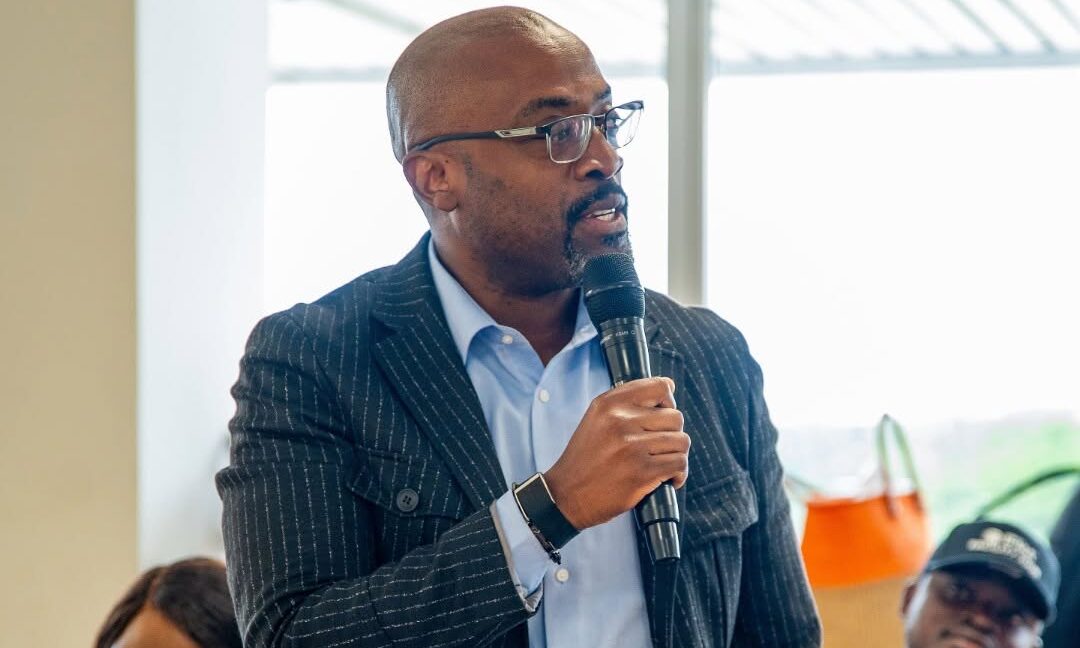




































South Sudan, the world’s youngest nation, has faced chronic instability since it broke away from Sudan in 2011 to become a sovereign nation. As the world celebrated World Refugee Day on 20 June 2017, it was reported that more than 3 million people, or a third of its population, had fled their homes, creating Africa's biggest refugee crisis since the Rwandan genocide. Nevertheless, music has remained the most prominent vehicle that young people use to confront conflict.
Identity problem and historical background
Historically, the Sudan has a rich history of the age-old argument over the legitimacy of music and dance under Islam, thanks to the collision of Arab and African cultures. In 1992, the controllers of Radio Juba destroyed its unique tapes of celebrated traditional Southern Sudanese singer Yousif Fataki. It was largely seen as a demonstration of the government's attitude to the south: to erase a cultural artefact in favour of propaganda. In 1994, the government-controlled media gave extensive airtime to hardline Islamist leaders campaigning to outlaw secular music altogether.
Music as a weapon
Under the squeeze of the government's crude Islamisation campaign, the diverse, multi-religious Nuba communities in the south united in resistance to defend their culture and land. They accused the then Khartoum central government of equating being Sudanese with living as a Muslim of Arab descent. All darker-skinned people of other religions were reportedly seen as others, and their claim to a fair share of the national resources was branded as treasonous. To create the nation they desired, the South Sudanese realised that change would only come if they were willing to fight – and music became their weapon.
The vibrant Black Stars band was part of a special cultural advocacy and performance unit of the rebel Sudan People's Liberation Army (SPLA) in the Nuba Mountains. Traditional songs of war cheered on the rebel SPLA troops at the heart of the Second Sudanese Civil War, which lasted from 1983 to 2005. The war scattered citizens of South Sudan to different parts of the world. They assimilated other cultures while in exile, mainly in Kenya and Uganda, and returned to their homeland with new kinds of popular music: hip hop and Afrobeats.
Singing for peace
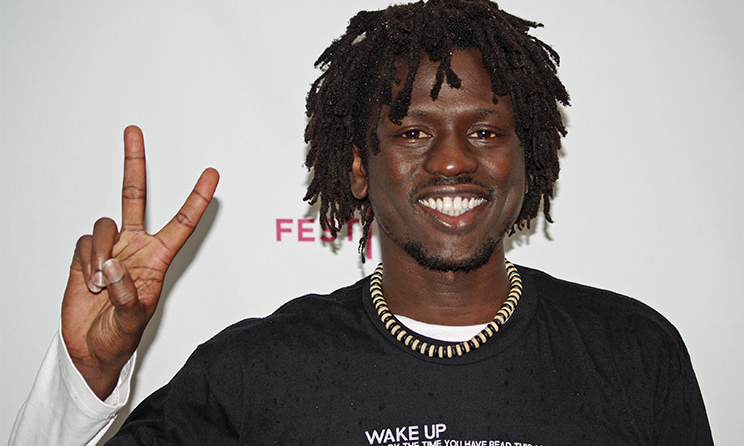
In 2005, at the height of the civil war, ex-child SPLA soldier and refugee rapper Emmanuel Jal released a collaboration with famous North Sudanese Muslim folk singer Abdel Gadir Salim titled 'Ceasefire', which brought together two opposing sides with one message: peace.
Jal initiated a global campaign with the release of the single 'We Want Peace'. Salim performed concerts in major South Sudanese cities like Juba, Kuajok and Aweil with another song, 'Let Us Not Divide the Nation', in which he sang: "Let us not divide the nation / Let us not be two Sudans / Let us be one Sudan." Rapper Silver X, who is currently one of South Sudan’s most popular musicians, in 2007 returned from Uganda where he had been a student. He visited a nearby government office, with lyrics in hand, to see if he could get funding to record an album ahead of independence. A bureaucrat working that day saw the lyrics as a potential avenue to inspire members the South Sudanese diaspora to return home and offered him a $1 000 grant to offset studio costs. As the title suggests, Silver X's first solo hit, 'Looking for a Job', lamented the difficulties of finding employment. “I am looking for job / But I am told come tomorrow / But tomorrow never ends,” he rapped.
Popular songs soon became instant hits and more genres such as dancehall, reggae and Afrobeat were brought to the country by returnees from Uganda and Kenya. However, frustration replaced the hope that characterised South Sudanese popular music at the time of independence. In December 2013, another conflict began between the government and opposition forces. Since then, some of South Sudan’s most celebrated musicians have been increasingly using their art to discuss the ongoing war and the ways it has impacted upon the lives of ordinary people.
In 2014, Juba dancehall band The Jay Family released 'Stakal Shedit', a song calling for youth to go into agriculture instead of war.
Performing under the Ana Taban campaign, Gen Manasseh Mathiang Ayak, Coozos Clan (Menimen), Natty P, Tutu Baibe, Lual D’Awol, Mr Lengs, Lomerikson and Ras Kayne brought their different genres together to release the single 'Ana Taban' (I Am Tired). The song was dedicated to those who lost their lives in the war.
In early 2015, Afropop star Mr Lengs released the Juba Arabic song 'Kalam Dollar' (The Issue of the Dollar) discussing the worsening economic situation in South Sudan. Later, Silver X released 'Dunia Karabu' (The World is Spoiled), which was also performed in Juba Arabic. The song similarly deals with inflation and rising living costs .
Another Mr Lengs’s song, 'Juba Karabu' (Juba is Spoiled), captures the crime scene in Juba. The song’s video narrates the story of passengers who attack a commercial motorist upon reaching their destination and take off with his motorcycle. In another scene, young people break into a house to rape a woman.
Silver X’s 'Times 10' also addresses the urban crime in Juba. Describing thefts, attacks and killings, Silver X argues Juba is “10 times more spoiled” than it previously was.
The costs of singing for peace
There has been little patience for critical voices in South Sudan. Lual was harassed after releasing the song 'Dowla Jadit '(New Country), which criticises corruption and the chronic lack of public services in South Sudan as well as the regular official excuse for such problems. The song was banned from being played the radio.
In May 2016, soldiers stormed a Juba nightclub and prevented Lual from performing by detaining him and two American journalists who were there to film he performance. The three were later released.
Silver X’s 'Belet Jian' (The Country is Hungry) reminded South Sudan’s most privileged, himself included, that they had the choice to walk away from conflict when everyone else had to stay. Friends in national security almost immediately warned him that the lyrics had infuriated government officials and that his life was at risk. Silver X paid $900 for a last-minute flight to Kampala, Uganda, where lives to date.
In September 2012, rapper Emmanuel Jal, according to his publicist, was beaten and robbed by police in Juba. Police beat him until he lost consciousness, while 15 more police and national security officers watched on without intervening.
Since time immemorial, the South Sudanese have found identity and hope in their culture. Musicians promote peaceful dialogue and try to combat ethnic hatred and the tribalism that fuels violence in the country. Many musicians have a strong resolve to see change.
"I cannot change for any intimidation or any fear, because you only live once and I cannot live like a coward," Lual said after his arrest. "Music brings people together, and that is what we need right now, this time of peace and reconciliation."
References:
- http://freemuse.org/archives/5697
- https://themigrationist.net/2016/01/19/the-other-sudan-music-war-and-the-nuba-mountain-refugees/
- http://www.worldmusic.net/guide/music-of-sudan-south-sudan-divided-together/
- http://www.bbc.com/news/world-africa-14019202
- https://www.theguardian.com/global-development-professionals-network/gallery/2016/sep/21/tired-war-south-sudan-street-artists-calling-peace
- http://www.okayafrica.com/music/south-sudans-new-generation-of-pop-stars-confront-the-civil-war-in-their-music/
- https://www.voanews.com/a/south-sudan-rapper-speaks-out-despite-threats/3375784.html
- https://apnews.com/6f384791c56248739c9490e96a054a45/south-sudan-cracks-down-journalists-activists-critics
- http://www.huckmagazine.com/art-and-culture/south-sudan-returned-civil-war-musicians-new-generation/
- http://www.rollingstone.com/music/news/emmanuel-jal-beaten-robbed-by-south-sudanese-police-20120910
This article is part of the Music In Africa Connects project, a multi-faceted development initiative aiming to support the music sectors of African countries affected by conflict. To find out more about Music In Africa Connects, click here.


Most popular

Top Naija songs of 2026
31 Mar 2026
Ghana: Mr Eazi and MOLIY’s ‘Comfort’ earns Urban Music Awards nomination
21 Oct 2026

Top Afrobeats songs of 2026
19 Mar 2026

Top amapiano songs of 2026
16 Feb 2026
Open call: CANEX Music Business Lab and Songwriting Camp
15 Oct 2026
Nigeria: CANEX WKND unveils 2026 programme
21 Oct 2026
Disclaimer: Music In Africa provides a platform for musicians and contributors to embed music and videos solely for promotional purposes. If any track or video embedded on this platform violates any copyrights please inform us immediately and we will take it down. Please read our Terms of Use for more.

Subscribe to our monthly Newsletter
Follow us on social media


Please log in to post a comment.