










































NEFCISA
NEFCISA

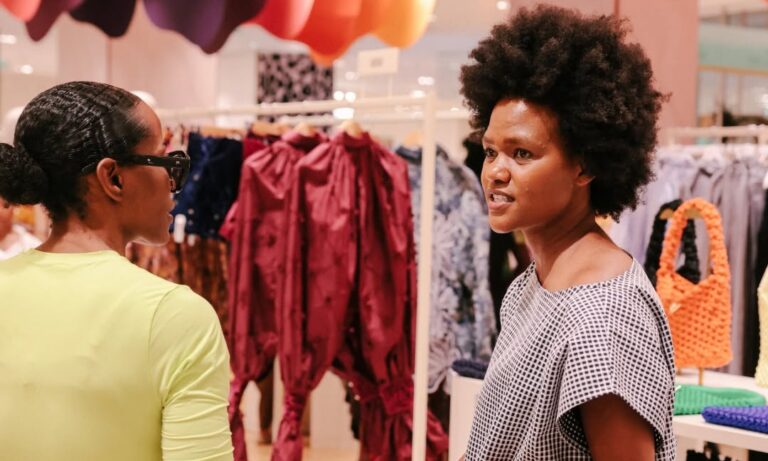
The Music In Africa Foundation (MIAF) is proud of its partnership with the Industrial Development Corporation (IDC) as a Strategic Implementing Partner (SIP) for its Social Employment Fund (SEF). Through this collaboration, MIAF is running a national programme that is creating jobs, addressing skills gaps, and strengthening South Africa's creative industries — in line with the SEF's overarching goal to generate work for the common good and build community value through employment, social contribution, and inclusive economic participation. Operating under the banner NEFCISA (National Employment Facility for Creative Industries in South Africa), the initiative is recruiting and training participants, matching them with host organisations, and has already placed 1 500 workers across the country — surpassing its original target of 1 000. NEFCISA is delivered through a network of 20 host organisations spanning five provinces, who are actively hosting participants and contributing to work for the common good across South Africa's creative and cultural industries. Key Objectives: Support employment and entrepreneurship in the creative industries. Offer skills development and training programmes. Foster partnerships between public and private creative sectors. Promote South African creativity at both provincial and national levels Foster community development through social contribution.

ACCES
ACCES

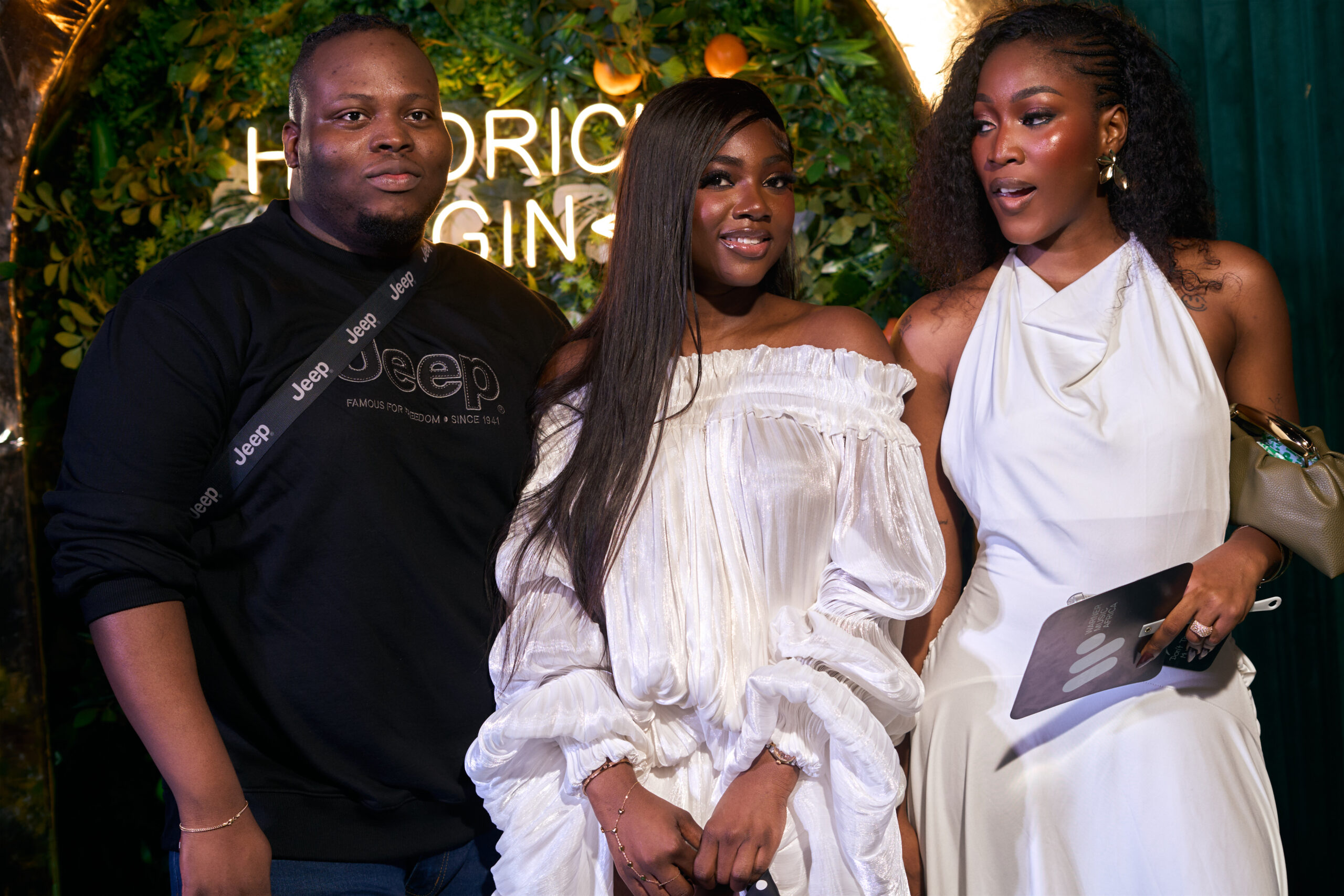
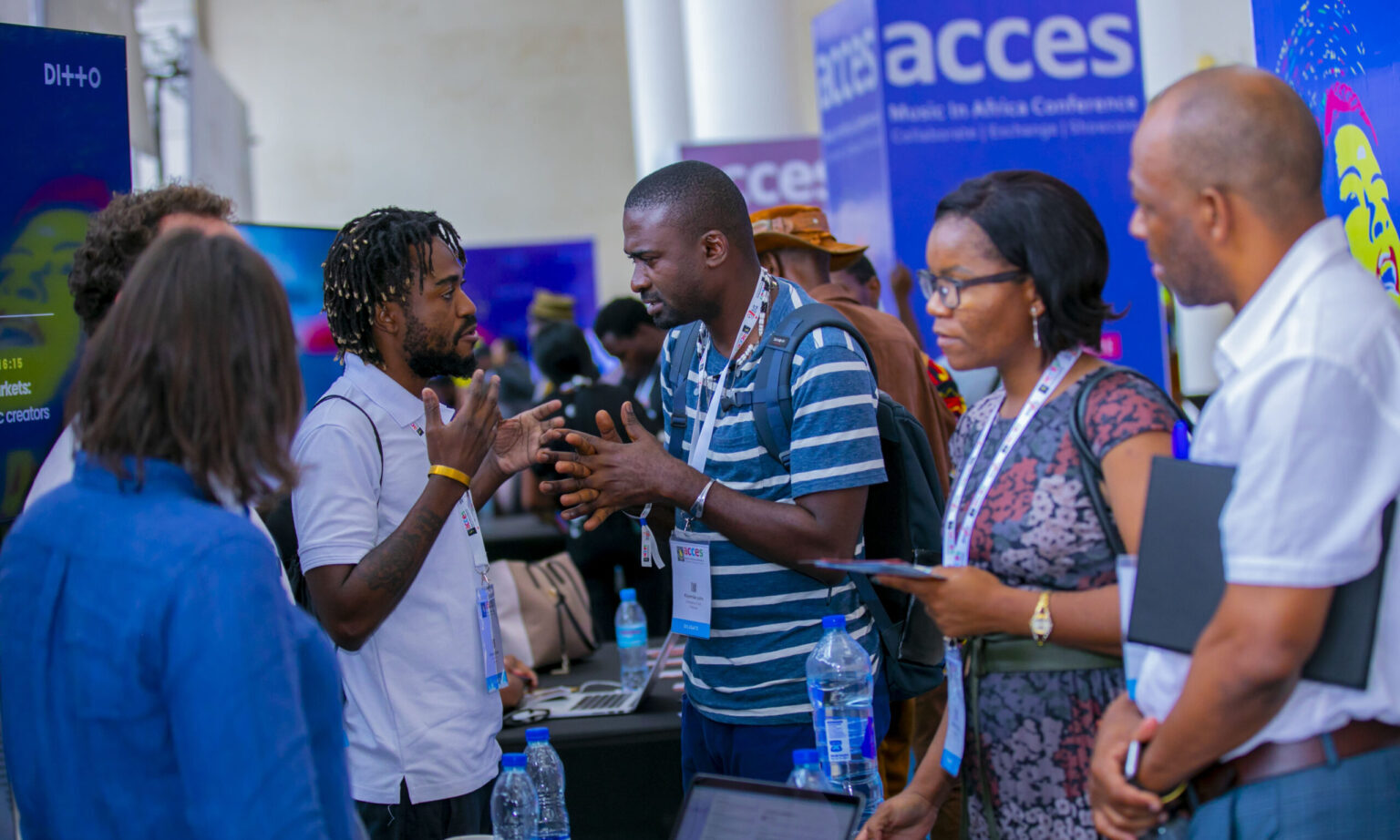
ACCES Conference and Showcase Festival is Africa's leading music industry gathering, bringing together the people shaping the future of the continent's music business. Artists, entrepreneurs, executives, investors, policymakers and cultural leaders from across Africa and around the world come to ACCES to build partnerships, exchange ideas, discover talent and create new business opportunities. Since its launch in 2017, ACCES has become the continent's premier platform for professional exchange and music market development. Combining a high-level conference with a curated showcase festival, networking, exhibitions and industry programmes, ACCES offers a unique space where creativity meets business and where African music connects with the global industry.

Gender@Work
Gender@Work

Music In Africa Gender @ Work is a three-year training programme aimed at upskilling and increasing the participation of female professionals in the African music sector. Launched by the Music In Africa Foundation (MIAF) in April 2019, the programme is connected to the MIAF’s ACCES music conference – a pan-African event held in a different African country every year. This connection enables the programme to reach new participants in a different African country every year. The programme marks the beginning of a more concerted effort by the Foundation to support the participation and inclusion of women in all facets of its programmes and the music sector in Africa as a whole. Over the three years, the programme will aim to address gender imbalances in the sector through training, lobbying, facilitating knowledge exchange and dialogues that foster the interest of women. The broader objectives of the programme are to: Provide industry training for women on critical music industry skills, focusing on: Stage management Electronic music production and recording Music business management Technical knowledge Provide an opportunity for both professional and aspiring women to benefit from the Music In Africa network and its broad range of activities in 2019, 2020 and 2021. Provide a solution-based platform in the form of a round table at ACCES with a view to identify challenges, discuss opportunities and lobby for the interests of female practitioners. Offer participants the opportunity to benefit from programmes offered by MIAF’s partners. Increase access to educational materials. Integrate participants in the broader ACCES programme to maximise experience and exposure to the industry. Record and present training materials on the www.musicinafrica.net, including but not limited to tutorials, templates and other best-practice materials. Communicate women-based themes that support the initiatives and messages of the programme. MAIN TRAINING ACTIVITIES Training in first country (Ghana): In the first year, participants will be trained on all aspects of stage management by a team of experienced stage managers from 10 to 17 November 2019. The programme will offer robust classroom training as well as practical, hands-on training in which participants will also be given the opportunity to manage various aspects of the ACCES performance programme. Training in second country: The second training iteration will take place at ACCES 2020 when the programme will diversify its course to include music production lessons and training on other music business topics. A round-table platform will also be introduced to coincide with the ACCES programme. Training in third country: The third training iteration will take place at ACCES 2021 in a different country, offering an advanced course. HOW DO YOU GET INVOLVED?  As a participant, facilitator or trainer: The programme enrolls up to 12 trainees every year. All opportunities are advertised publicly on this website, and will be added to this page. Please keep checking this page for new calls (below under UPDATES & CURRENT OPPORTUNITIES). As a partner Please contact Claire Metais at [email protected]. APPLY The call for applications for 2020 will be announced soon. The Music In Africa Gender @ Work programme is made possible with the support of the Prince Claus Fund, Siemens Stiftung and Goethe-Institut.

Sound Connects Fund
Sound Connects Fund

For cultural and creative practitioners and organisations operating in southern Africa, access to funding remains a major challenge. The COVID-19 pandemic has also had a massive impact on government policy, spending and the economy in general, and has seen spending on culture being moved further down the list of priorities. Further, the cultural and creative industries repeatedly cite four main areas where investment is needed for growth, which are increased visibility, mobility including access to new markets, finance and support structures.

Instrument Building And Repair Project

Experience the Vibrations African Instruments Exhibition online in 3D

Reviews

Flavour – Ijele the Traveler

24 Jul 2017 - 13:15

cc-img flag-img

Near the end of Flavour’s new album Ijele – the Traveler, the Enugu-raised artist manages to combine flesh and faith on a single song.
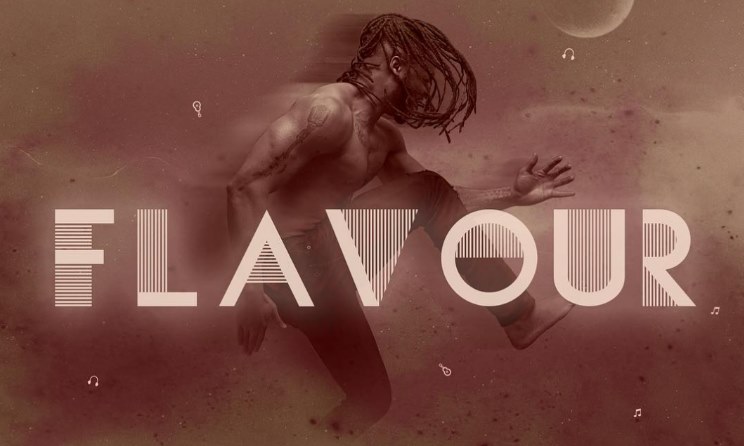
Cover art for Flavour's Ijele - the Traveller

The album's penultimate track, Ukwu Nwata, is a call to come see the booty of his beloved. But the accompanying production—delicate strings, sleepy drums—might inspire a wave of hands as though you are in church. The non-Igbo speaking listener, in fact, might believe she is listening to some worship tune. And who is to say she’s wrong? For more than half his career, Flavour has been on his knees, a series of women before him: Woman worship is the theme of the man’s lyrical career.

So you are better off ignoring him when immediately after that song he lists an activity for each day of the week on the God-focused Most High, and concludes with: “If you ask what me what my best day is/is when I praise you on a Sunday morning.” Yeah right. The song, however, features Semah G. Weifur, a blind child whose clear vocals has to be the album’s sole sound of purity—in both meanings of the word.

If it is possible to speak of a theme for Flavour’s sound, then it would have to be nostalgia: the man is a believer in ancient Igbo highlife. Through his music, Igbo highlife has come to today's young and urbane.

Unfortunately both themes of his music are sometimes in conflict. Ukwu Nwata, for instance, harks back to Flavour's own Iwe, a 2011 tribute to the late MC Loph, which itself harks back to 1972's Uba Awuu Nwa, a song from Peacocks Guitar Band, the popular southern Nigeria group founded by Raphael Amarabem, a Rex Lawson associate. (Flavour sampled Rex Lawson's Sawale on Nwa Baby.)

Where Peacocks’ lead singer asked for people to come witness his sorrow at a man’s death, Flavour calls his people to come stare at a woman’s backside. That his version of Igbo highlife is serving an evangelical purpose is one reason Flavour escapes an accusation of cheapening the music of his ancestors. Another reason is highlife is hardly moral music. Flavour is aware: skits on his albums feature conversations between inebriated men at a beer parlour.

Ijele is not just Flavour hightailing through his genre’s past; he is treading his own past. Five albums in and with alterations here and there, the new project is a kind of greatest hits collection. Flavour has slipped to formula. Baby na Yoka is a repeat of Nwa Baby; Jaiye is an inferior version of Thankful’s Wake Up. Virtuous Woman is an English harmonisation of Golibe/Ada Ada from Thankful/Blessed. Iheneme seeks to recapture the chemistry Flavour shared with Chidinma on Thankful’s Ololufe.

As said, Ukwu Nwata recalls Iwe, but also reuses elements from the DJ Jimmy Jatt/Flavour single Turn Up. Strangely, the wonderful Gbo Gan Gbom, also released last year and featuring Phyno and Zoro, doesn’t make an appearance. In its place, there is Ijele featuring Zoro, also based on the ogene sound but not quite as infectious as Gbo Gan Gbom. Given these, I expected a version of Wiser, the excellent R&B and rap song with Phyno and MI Abaga on Thankful. No such luck. Perhaps the song was deemed unpopular and too modern to return to. Phyno does shows up ‘Loose Guard’, an outstanding pop song with hit potential.

Most of the other songs see Flavour working today’s trends. Body Calling features a terribly underused Terry Apala on a trap beat; the obligatory Ghanaian sound-inflected tune comes up with Sake of Luv, a love song with some gorgeous guitar licks and the most generous of toasting gestures in the adlibs—“I go buy yacht for your sake. What if I build mansion for your sake?” With less verve than usual, Sarkodie volunteers a verse. The song is a highlight.

All this means Flavour’s Ijele - the Traveler is an unoriginal trip. It is, however, not boring. Even when the sounds are familiar, they are not tired. Not yet.

Like some of his pop contemporaries, Flavour can convert nonsense, half-sense, songs-recycled-in-a-sense to hit music. But for an artist as talented and as already successful as Flavour, the resort to formula on this scale teeters close to failure of the imagination. If they could hear him, his ancestors might hope for true reverence. The rest of us, even as we dance, can only hope for freshness.

Buy Ijele - the Traveler on iTunes

Please log in to post a comment.

Most popular

Disclaimer: Music In Africa provides a platform for musicians and contributors to embed music and videos solely for promotional purposes. If any track or video embedded on this platform violates any copyrights please inform us immediately and we will take it down. Please read our Terms of Use for more.

newsletter banner

Subscribe to our monthly Newsletter

Follow us on social media