





















































Ibadan, Lagos, Ilorin: Which city owns Fuji music?

27 Feb 2019 - 13:33


By Olawoyin Oladeinde
When the discourse revolves around the genesis of Fuji sounds, especially with a focus on creed and ethnic identity, the pendulum swings naturally between two major social classes: Islam and Yoruba.

The connection isn’t difficult to decipher: Fuji has its root in the improvisational Ajisari/Ajiwere music tradition, often performed to wake Muslims for Sohur before dawn during the Ramadan fasting season. Of course, a significant part of Nigerian Muslims are Yoruba, and that explains the synergy.
But beyond this, in present-day Yorubaland—a vast space comprising Lagos, Ogun, Oyo, Osun, Ekiti, Ondo, some parts of Kwara and Kogi, and beyond—some city-states have made bigger contributions to the evolution of Fuji music than others. Between the 1960s, when the genre began prominently as ‘were’, and now, there have been about six major generations of Fuji musicians.
Across these generations, whether in terms of producing talents or providing platforms for the art to flourish, some city-states have had major inputs, which, frankly, are difficult to ignore.
Without prejudice to the input of other city-states across the region and beyond the shores of Nigeria, Ibadan, Nigeria’s largest city by area, appears outstanding.
Dotted along Fuji’s chequered path are various artists whose imprints have defined the game, from the pioneer through the avant-garde to the whiz kid. And across these generations, all of them have Ibadan written all over their careers.
Pioneer. He started off as a Danfo conductor, shuttling to and fro the Idi-Oro and Ajegunle areas. He would graduate to become a motor boy at Nigerian Breweries, distributing drinks to retailers around Lagos. He joined the military, had a brief stint on the front and then sauntered back into the studio. He would become Fuji’s most important act of all time, decades after his major breakthrough. He continued to refine the genre until his death, beginning prominently in the 1970s.
Avant-garde. He worked as a ‘parker’ in his teenage years, obscure and hidden among other ne’er-do-wells peregrinating the streets of Lagos Island. Reputed as the one who brought ‘classical flavour’ to Fuji, he is by far the genre’s most influential act alive today. Never one to shy away from controversies, he’s elevated the sound far higher than he met it when he escaped obscurity in the backwaters of Agarawu decades ago. He had his major breakthrough in the mid-1980s, particularly with his Tala series.
Iconoclast. By far Fuji’s most controversial act, he successfully elevated ribaldry to high art, hawking it across the globe. Unleashed upon the culturally conservative listening public in the 1990s, he stood firmly against the avant-garde’s hegemony in the early 2000s, giving culture and ethics and norm the middle finger. He self-identifies as a lewd merchant, unperturbed by public criticisms and all whatnot.
Lyricist. By far the most lyrically gifted Fuji artiste of all time, he combines the gift of the garb with rare native wisdom––couched in elevated Yoruba diction. Considered the most controversial artist of his generation, he has successfully maintained his position as Fuji’s most consistent lyrics merchant, churning out hits after hits.
'Genius'. He self-identifies as one, even if time and trends have proven otherwise. When he emerged in the early 2000s, he was reputed as the heir apparent to the pioneer: for he combines, effortlessly so, the lyrical prowess of the lyricist with a deep understanding of Arabic literature considered the pioneer’s greatest strength. Indecision, betrayal, confusion, immaturity—all of these defined his fall from grace to grass.
Whiz kid. He led the revolution that defined his generation’s invasion of the Fuji scene on the cusp of the millennium. Widely regarded as talented and promising, he represented the future that eventually didn’t happen in Fuji. A combination of tactless decisions and juvenile haste pushed him and others into obscurity. But his footprints remain in Fuji’s chequered history.
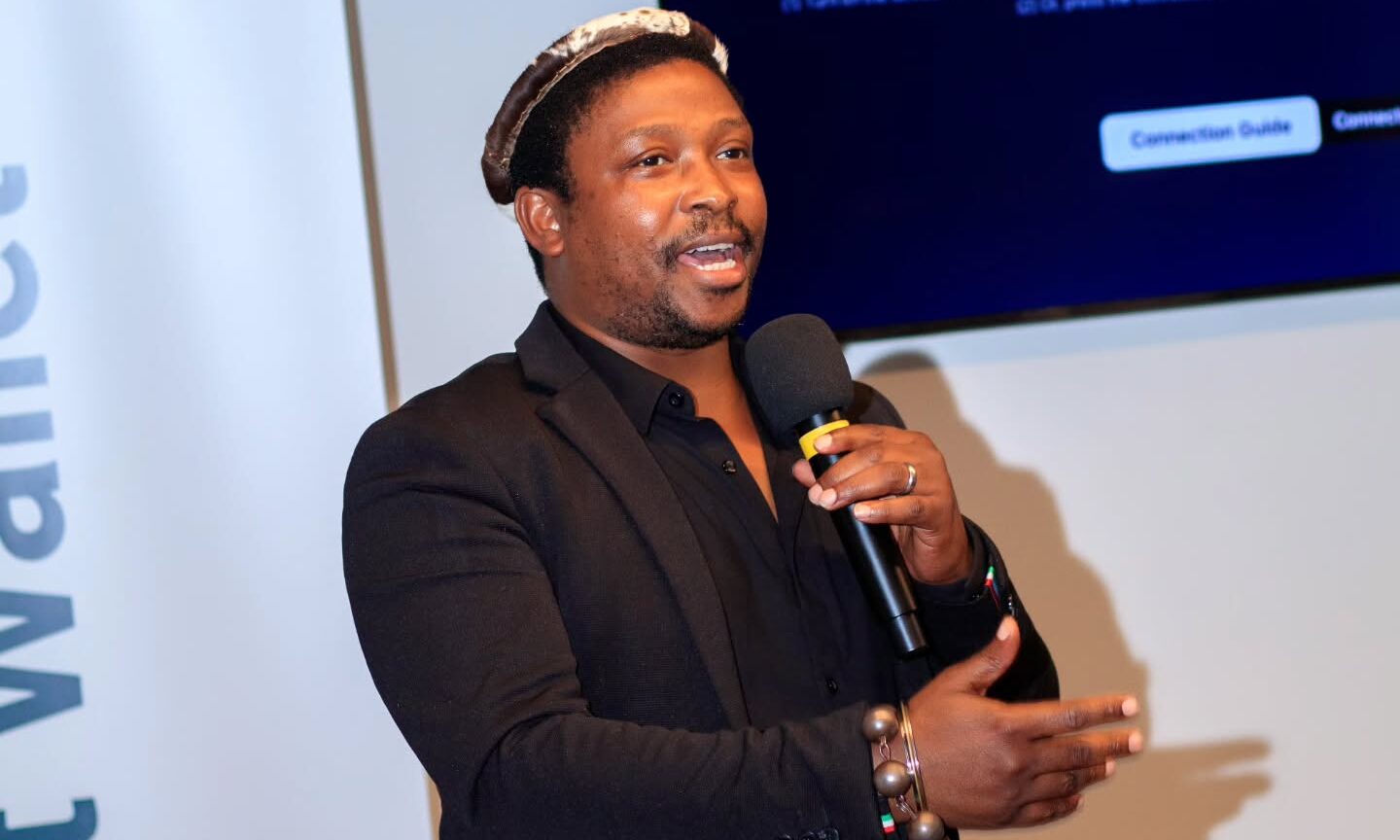
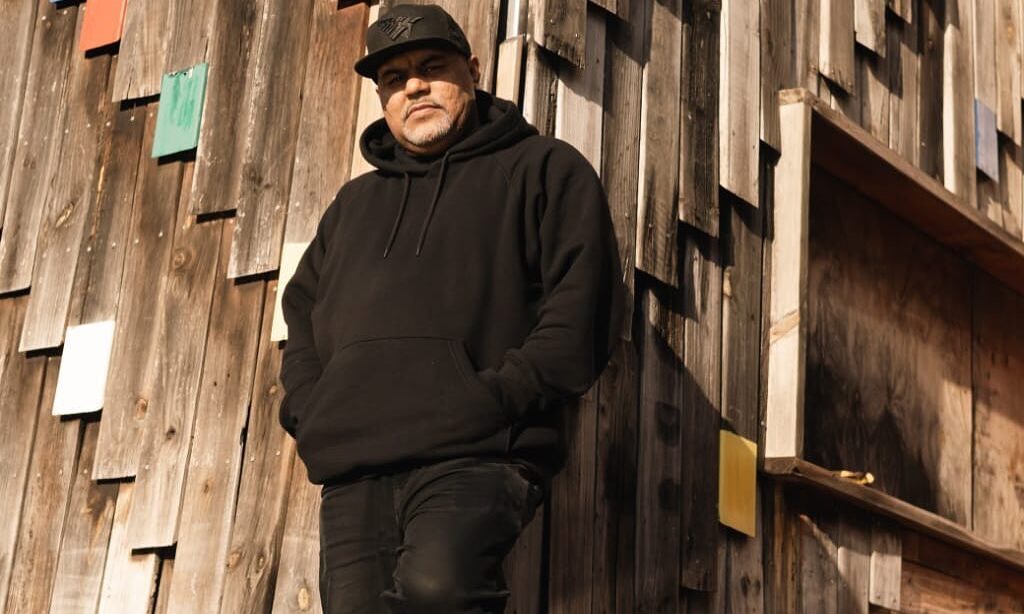
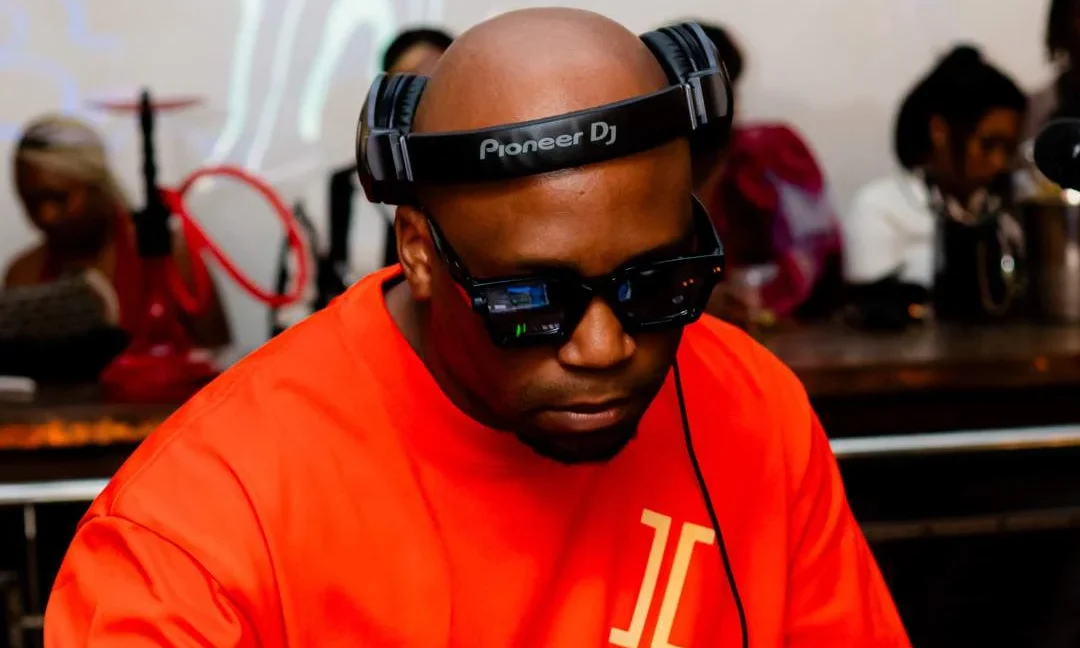
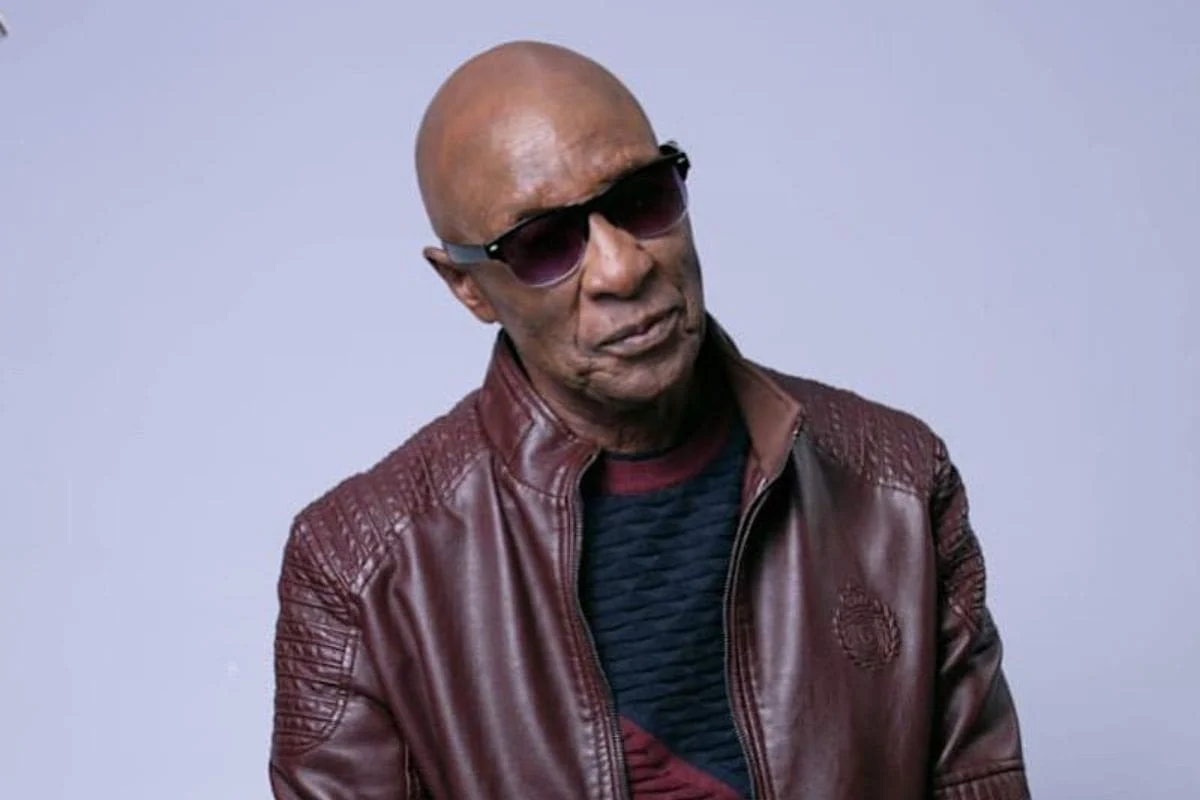
The pioneer is Sikiru Ayinde Barrister; the avant-garde, Wasiu Ayinde Marshal; the iconoclast, Abass Akande Obesere; the lyricist, Saidi Osupa; the ‘genius’, Muri ‘Genius’ Alabi Thunder; and the whiz kid, Shanko Rashidi. If discourse swings toward the evolution of Fuji, traversing generations, they will all appear prominently across all of the generations, largely as leading lights of each.
Question: What do these people have in common—aside from the genre of music they play and that they have all at different periods claimed to be ‘king’ inside Fuji’s chaotic palace?
Answer: Ibadan.
The city has always made significant contributions to the growth of the literary, arts and culture space in Nigeria, but it is unique in the case of Fuji.
Sikiru Ayinde Barrister––who would not utter a word without mentioning his beloved Agbaje compound at Ayeye––was Ibadan through and through. Ditto Abass Akande, who once reiterated this when rumour flew around that he was Ghanaian. Saidi Osupa who is always quick to mention his ‘Laaniba family compound, too, is from the city. Ditto Muri Thunder. The two exceptions, Sanko and Wasiu Ayinde, may not escape the city’s influential horizon if their art is dissected properly.
Sanko Rashidi, although he self-identifies as Ogun, has his paternal root in Oranyan, Ibadan––precisely at Ita-Baale Compound. What’s more, he grew up in Oje and, in 2011 or so, he had a track dedicated to the area and the larger Ibadan city.
For Wasiu Ayinde Marshal, the city is central to his arts and growth as an artist. First, it was in Ibadan that he tactically edged his closest rival in the game, Iyanda Sawaba Ewenla, who’s incidentally a son of the soil. (Of course, prior to Wasiu’s emergence, Iyanda was touted as the heir apparent to Sikiru Ayinde Barrister. All that became history when Iyanda fell for the bait at Liberty Stadium, also in Ibadan, and his career crumbled afterwards).
Again, undoubtedly the most influential person in Wasiu’s career, Babalaje boss Saliu Adetunji, is the present Olubadan of Ibadanland. But that’s also an aside.
What’s perhaps the most significant of the city’s contribution to his art was his elevation as Fuji king on July 2nd 1993, marking a remarkable turn in his career and position in the culture scene. Of course the coronation, yet again, happened right inside the premises of NTA in Ibadan—and it was no coincidence; it was strategic. I will explain.
Wasiu Ayinde’s 1993 coronation as king of Fuji cemented his place in Fuji pantheon, and no less significant was his choice of the premises of NTA Ibadan, Awo’s trail-blazing television station and the first in Africa, as venue. Sikiru Ayinde Barrister, an Ibadan indigene, was said to be unaware of Wasiu’s strategic coronation but the artist ambushed the late icon with a special number in his follow-up studio work.
“Congratulations my daddy… Ayinde ade baba Oba,” he sang, in apparent anticipation of a plausible uproar in the wake of the coronation. If Sikiru felt ‘betrayed’, he didn’t show it; the late Baala of Lagos was at best indifferent about the coronation and in the latter years of his career, eulogized Wasiu as ‘king’. Of course, that singular action of 1993, more than anything else in the years prior, marked the genesis of the proliferation of kings in Fuji music, which got to its crescendo with the 2006/2007 controversial kingship of Saidi Osupa.
Yet that special number, plus the historic NTA venue, showed how strategic Wasiu and his handlers have been in positioning themselves in the Fuji scene, and for me, this positioning remains one largely underestimated aspect of the artist’s success story. In any case, it also shows the place of Ibadan and its various firsts in the evolution of Fuji.
Frankly, while many states could lay claim to Fuji’s success stories, analysts are divided on the contributions of the various city-states even if Ibadan, Lagos, Ijebu and “Kwara” (a loose combination of numerous towns scattered across the state) are often mentioned as strategic among these city-states.
Of course, Ibadan, Ijebu and Kwara are prominent for their many talents; and Lagos for its sociable, enabling environment. Yet the argument still tilts toward Ibadan as the major hub among the city-states.
For one, Abass Akande Obesere’s success, in spite of his elevation of ribaldry to core art, is, in a narrower sense, Ibadan’s loud response to doubting Thomases and other recalcitrant cynists: that the city owns the Fuji genre.
Besides, it is a testament to a somewhat plausible, if ‘triumphalist’, claim: that however poorly gifted or heavily criticised any talent the city presents to the Fuji scene is, he/she (it has always been a ‘he’, anyway) would make it to the big screen. In a way, even if we ignore the city’s centrality to the popularity of the genre, it validates Ibadan’s unwitting claim to ‘ownership’ of Fuji.
“Oyo…Ogbomoso…Ijebu…Ilorin nko Fuji, sungbon Ibadan lo ni Fuuuji,” boasts Muri Thunder, the promising artist with a poor sense of judgement, now effectively kicked backstage by time. But Mr Muri’s romance with obscurity notwithstanding, the naysayer would only ignore the Ibadan-born artist’s self-inflation at his own peril. The reason is simple: the naysayers’ delusion would not cut short the long, long list of Fuji acts the city has sired. These artists are legion.
The chain begins from the trailblazing Baala of Lagos, Agbaakin Sikiru Ayinde Barrister, through to the meek but vibrant Rashidi Ayinde Merenge, to the short-lived Gbejo Kamoru, to the self-effacing Ayinla Karashi, all the way to the record-shattering Taiye Akande Adebisi Currency.
Of course between Sikiru and Gbejo, between Karashi and Currency, there is a super-long list of Fuji acts, from the obscure to the popular, too legion in number that an attempt at drawing up a list would, quite easily, appear ‘foolhardy’.
Again, Taiye Currency’s incursion into, and increasingly significant influence in, the Lagos social scene—even when the artist has consistently maintained his Ibadan flavor, base and identity—is another testament to the influence of the city on Fuji.
When the discourse swings toward the evolution and popularity of Fuji, it is tempting to look only in the direction of Lagos—Lagos Island, or more appropriately, Isale Eko, precisely. But that is disingenuous. Why?
From Sikiru Abiba to Saka Laigbade to Ajadi Ganiyu and their disciples, all notable names that would pop up if we saunter through Isale-eko, none of them played Fuji, in its real, ‘stricter’ form. Well, except if we want to dress up mischief in the regalia of history, by ostensibly toeing the line of latter day e-revisionists.
Ibadan, put matter-of-factly, has made the finest contributions to Fuji, and that’s a no-brainer. From Idi-ose to Ayeye, from Beere to Oje-Gate, from ‘Nalende to Itamerin, all the way to Gege/Born-photo/Oja’ba and beyond, the city reeks of raw (Fuji) talent.
Of course, to be sure, there’s a caveat: like it is in almost every aspect of Nigeria’s culture, Lagos has its imprint loudly visible on the evolution of Fuji. The city, partly because of its swagger and cheap liquor and vibrant social scene, quite admittedly, was where Fuji found its root: Sikiru found his voice there; Wasiu (Marshal) conquered the world from there; Obesere successfully hawked bawdiness across the world from there; Pasuma sneaked into the pop scene, too, while plying his trade there; and Osupa revisited many cultures from there. Ditto Iyanda Sawaba Ewenla, Wasiu’s supposed closest rival in his Ebute-Meta years, before his retreat to Ibadan.
But since it remains indisputable a fact that Sikiru birthed what is properly known as Fuji, the needless controversies surrounding the “how and when” of his avant-garde feats notwithstanding, and of course because the creator is without dispute the father of the creation, Ibadan ultimately towers above Lagos in this discourse.
Now, again, the naysayers may be tempted to assume that this claim is, at best, cheeky, or at worse a clear exhibition of triumphalism. But triumphalism isn’t necessarily a crime, especially when it strikes at the heart of a largely indisputable fact of (contemporary) history, is it?
The verdict, put simply, is this: every city-state is important in the evolution and growth of Fuji but some city-states may appear visible than others when all factors are dissected properly. Lagos would show up in terms of growth, evolution, institutional support and enabling environment; Ilorin and other city-states would show up in terms of talent; Ijebu, Abeokuta and others would show up in terms of talent and growth; but Ibadan ticks all of Fuji music’s boxes.


Most popular
Open call: 2026 Gender@Work music industry training in Johannesburg
09 Oct 2026

Top amapiano songs of 2026
16 Feb 2026
Gambia: Suntou Susso announce UK tour for ‘The Path of a Griot’
09 Oct 2026

Top Afrobeats songs of 2026
19 Mar 2026

Top Naija songs of 2026
31 Mar 2026
Call for applications: ACCES 2026 Emerging Artist Spotlight Competition
01 Oct 2026
Disclaimer: Music In Africa provides a platform for musicians and contributors to embed music and videos solely for promotional purposes. If any track or video embedded on this platform violates any copyrights please inform us immediately and we will take it down. Please read our Terms of Use for more.

Subscribe to our monthly Newsletter
Follow us on social media


Please log in to post a comment.