

























































Inaugural ACCES music conference sets bar high in Dakar
27 Nov 2017 - 15:25


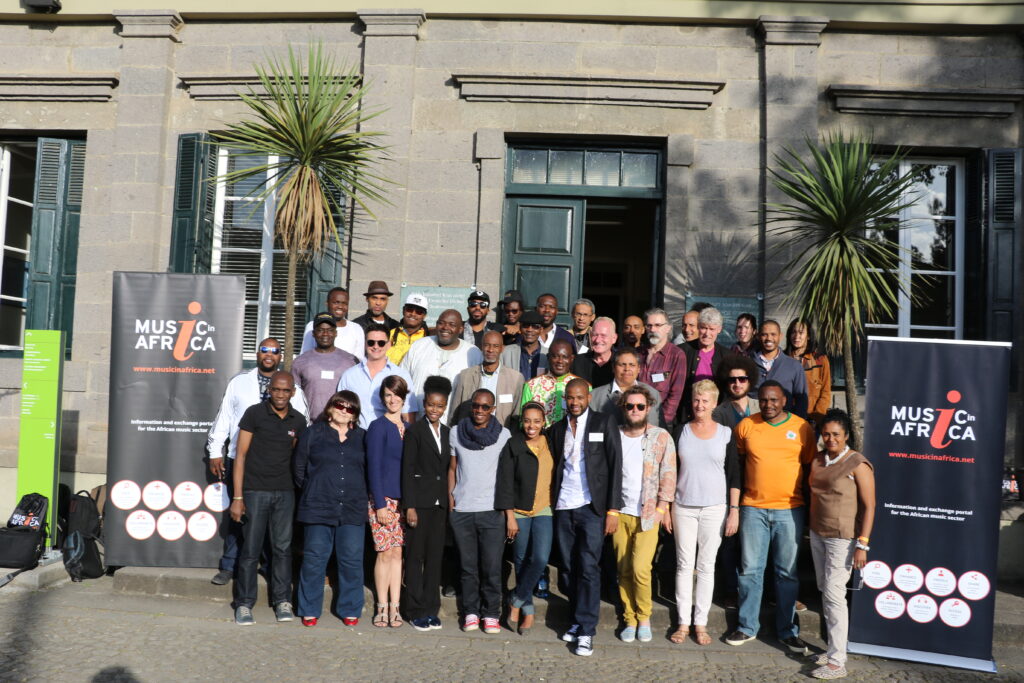
The first edition of the Music in Africa Conference for Collaborations, Exchange and Showcases (ACCES) concluded on Saturday 18 November with delegates giving the thumbs up to an event that saw music industry players and more than 500 participants from Africa and beyond descend on Dakar, Senegal, for two days of networking, panel discussions, showcases and presentations.
Organised by the Music In Africa Foundation (MIAF) in partnership with Goethe-Institut and Siemens Stiftung, ACCES is envisioned to move to a different African city every year in line with the MIAF’s pan-African vision to support music professionals on the entire continent. This year, the iconic Senegalese capital was chosen to host the conference, which followed the MIAF’s annual general meeting on Thursday 16 November at Goethe-Institut Dakar, where members of the Foundation met to discuss the Foundation’s work.
Keynote
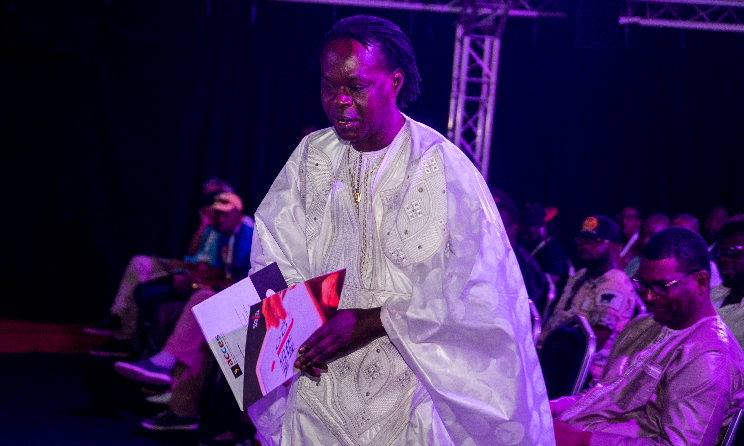
ACCES 2017 opened on Friday morning at Place du Souvenir Africain on Dakar’s coast with a heartfelt keynote address by the legendary Baaba Maal, who harked back to his formative years as a musician in the northern Senegalese town of Podor. Maal also spoke about the challenges affecting the local music industry and called for change in the negative way musicians are viewed by society, particularly by the older generation.
"We need to share with young people the importance of music to the world,” Maal said. “The world is changing and African music has a role to play. It has a role to play for children in integrity, humanity, sharing culture and peace.
“Music is essential to communicate peace, harmony and human rights. When Nelson Mandela led our brothers in South Africa, he understood that African music is the language of hope the world needs. But the music industry needs organisation. We need our youth to travel, connect, protect and transmit our music.”
Industry panels
Maal’s opening remarks were followed by key music industry discussions covering areas such as mobility for musicians, music distribution models, the changing role of record labels, women in music, music and media, the music sector in Senegal, and music festivals for Africa. The opening panel discussion gave valuable insight into the state of the Senegalese music industry, with Association of Music Professions of Senegal president Daniel Gomes, Africa Fête festival director Rokhaya Daba Sarr, University of Saint Louis professor Saliou N’Dour and ADAFEST president Ousmane Faye providing the international audience with an objective overview of the realities music professionals face in the culturally rich West African country.
Another panel – comprising Afrikanya’s Ghita Khaldi (Morocco), the SAMRO Foundation’s Andre Le Roux (South Africa) and the African Union Commission’s Mekbib Ayalew (Ethiopia) – looked at mobility and support for African musicians. Here the panellists debated the challenges of funding, the high price of intracontinental airfares and the economic function of music in Francophone Africa.
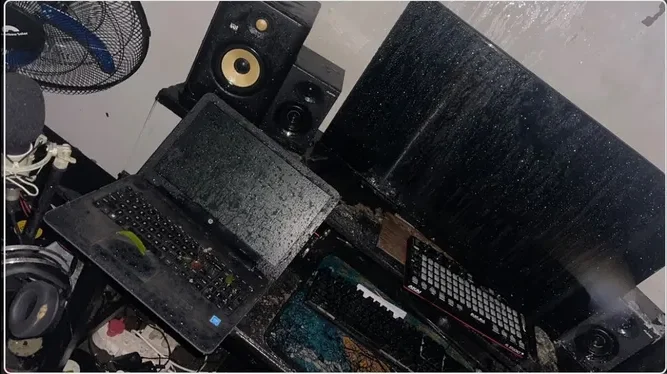
The first day of the conference concluded with a discussion about the strategies record labels have to undertake to stay relevant in an industry defined by self-production and personal branding. “There is certainly more music available today but it is of lower quality compared to before the advent of the home studio,” Sony Music’s José Da Silva said.
Music In Africa Foundation director Eddie Hatitye, who moderated a panel discussion about the effects of conflict on African music on day 2 of the conference, said: “It’s remarkable how we have managed to gather so many music professionals from around the world to share their knowledge with the Senegalese public. This is the first year of ACCES and we couldn’t be happier with the way the conference has panned out. The debates have been eye-opening and sometimes heated, and that is exactly what we were going for when we first sat down to plan the programming of this particular event.”
A panel on how musicians can benefit from the media was one of the discussions that materialised into a impassioned exchange between the audience and panellists when the issue of payola – or ‘pay to play’ – was raised, with one audience member speaking out strongly against TV networks for not doing enough to curb illegal practices in the selection of music video submissions.
“We hope that the representatives of the various labels and media take back the issues raised by the audience to their organisations in the interest of improving Africa’s music industry,” Hatitye said.
“Music In Africa sees ACCES as a driver of positive change instead of yet another get-together where industry players discuss the same issues while African musicians continue to experience the same challenges.”
A discussion on hip hop in Senegal was one of the best-attended talks of the event, after which local rapper Keyti presented the popular YouTube series Journal Rappé by giving the audience an interactive performance that was met with recurrent cheer and applause. Presentations of various music markets and festivals then followed from Christine Semba of WOMEX (Germany), Yusuf Mahmoud of Sauti za Busara (Zanzibar), Todd Puckhaber of South by Southwest (US), Anselme Sawadogo of Jazz à Ouaga (Burkina Faso), Faisal Kiwewa of Bayimba Festival (Uganda) and Amadou Fall Ba of AfriCulturban (Senegal).
Day 2 of the ACCESS panel segment came to an end with a discussion about women in music by trumpeter and activist Christine Kamau (Kenya), bassist Maah Khoudia Keita (Senegal) and UNESCO’s Guiomar Alonso Cano (Senegal).
Networking
Apart from listening to and participating in expert panels, ACCES delegates got a chance to meet and exchange ideas about the future of the sector. About 500 visitors in their various capacities (musicians, label executives, festival organisers, journalists etc.) from 44 countries were able to network and forge relationships that are hoped to develop the music sector on the continent.
“In the digital age, it’s refreshing to see music professionals still work best in hatching new projects through face-to-face encounters, where our shared passion for African music in all its diverse manifestations provides a flawless backdrop for meetings and exchange,” Sauti za Busara festival director Yusuf Mahmoud said.
“Over the years, I’ve attended many networking events but few stand out like the recent experience in Dakar, where Music In Africa brought together industry movers and shakers from across Africa and beyond to meet, discuss and share experiences in the fertile forum of the inaugural ACCES conference. Even though we were sad to leave Dakar, our bags were loaded with CDs, flyers and business cards of new and useful contacts.”
The SAMRO Foundation’s Andre Le Roux said: “We got to network with some of the aces of the African music industry, led by Baba Maal's opening address, which set the tone of being culturally rooted and connected with our African identity as we navigate the global music industry and create access between Anglophone, Francophone, Lusophone and Arabic Africa.”
Skills development
On 15 November, two days before the conference proper, the MIAF held a workshop at Goethe-Institut Dakar as part of the Foundation’s continental Steps to a Professional Music Career mentorship programme. Facilitated by trainers Mounir Kabbaj (Ginger Sounds, France) and artist manager Luc Mayitoukou (Senegal/Congo-Brazzaville), the intensive workshop covered a mix of theory and practical exercises that probed central themes such as how musicians can professionalise their skills and talents, market themselves and protect their works.
Music showcase and exhibition
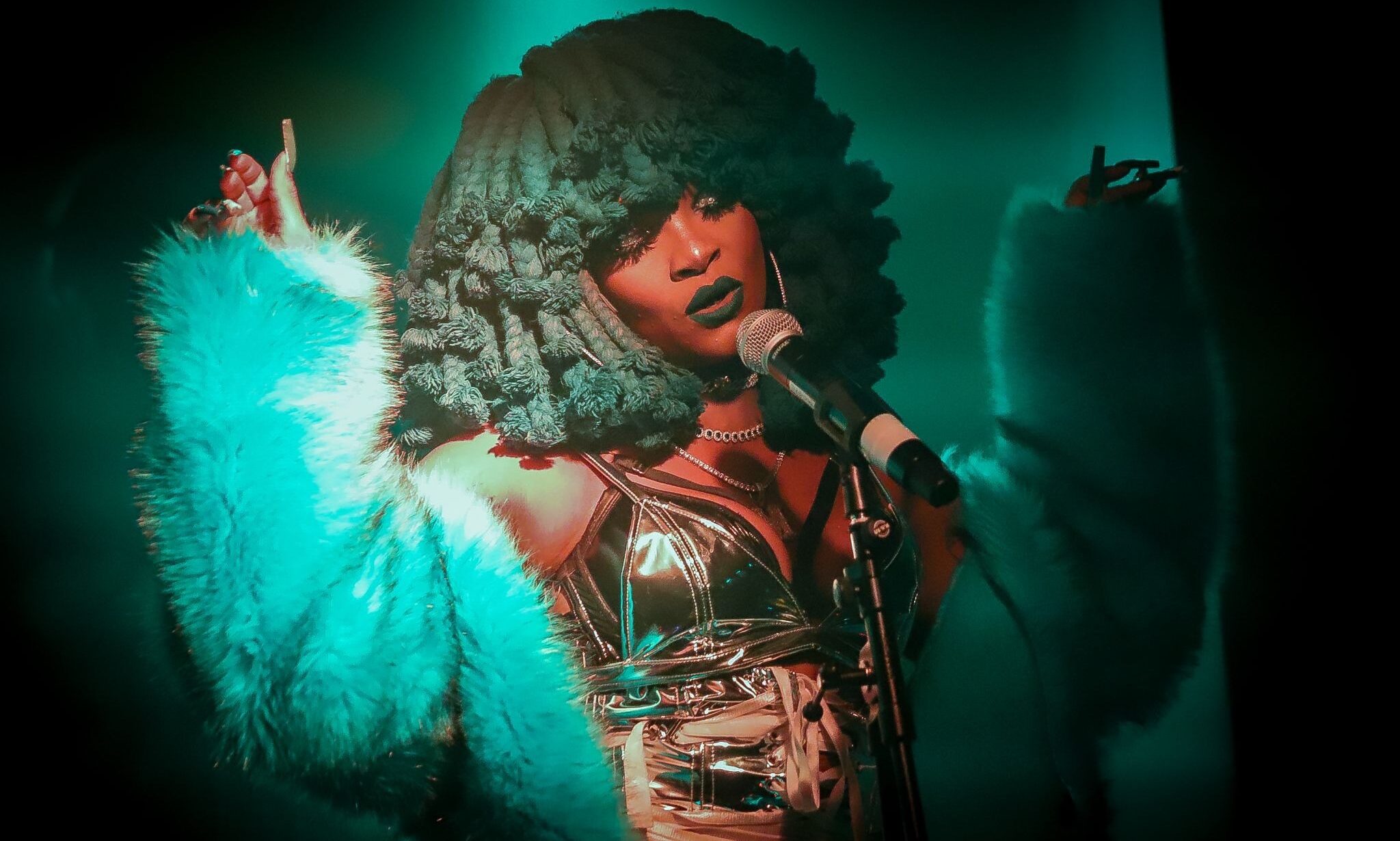
ACCES 2017 could not be complete without a presentation of the best in Senegalese and West African music. As such, ACCES delegates were treated to a showcase of upcoming Senegalese musicians at the Djoloff Hotel’s live venue on Thursday 15 November. But the highlight of the musical programming was Saturday night’s Music In Teranga concert, which had partnered with the MIAF to feature top West African artists Mamy Kanouté (Senegal), Moh Dediouf (Senegal), Tamikrest (Mali), R-Light (Côte d’Ivoire) and Cheikh Lô (Senegal) at Place du Souvenir Africain, a seaside square built to pay homage to African people and leaders who have promoted the interests of Africans on the continent and in the diaspora. The square was a hive of activity during the ACCES conference and additionally played host to DJ sets on Friday night and the Route du Jazz photo exhibition by Samuel Nja Kwa who looks at the birth of jazz in relation to slavery on the African continent.
The Deggi Daaj SabaRap troupe featuring MCs FManel, Moulaye Wam and Charlie Alves as well as Wadane Ndiaye Rose, the son of the late drum master Doudou Ndiaye Rose, was another performance that turned heads at Place du Souvenir, with foreign delegates taking lengthy videos of the complicated drum patterns on display. The delegates were also taken on a visit to hip hop artist and producer Didier Awadi’s rehearsal space and recording facility, Studio Sankara.
“We couldn’t imagine a music conference without great performances. That’s why we partnered with Teranga Jam Fest to put on a free concert for our delegates, attendees and the people of Dakar. The concert was the icing on the cake of this year’s ACCES and we look forward to next year’s conference,” Hatitye said, adding that MIAF members had already made suggestions about next year’s host city, which will be announced in January 2018.
Le Roux summed up the atmosphere Dakar had added to the ACCES conference. “Music, culture and art is everywhere in Dakar. In the low-income transport system, ‘car rapide’, each bus is adorned creatively with unique artworks, the beautiful women with their dresses ‘floating lazily through the markets like butterflies’ (Hugh Masekela). Art is in the sounds of the bustling marketplace and the ocean’s ebb and flow is a subliminal soundtrack to the life of the city," Le Roux said.
If you attended ACCES 2017, please take a few minutes to complete the ACCES 2017 survey here. This will help to make the next editions even better.


Most popular

Open call: 2026 Gender@Work music industry training in Johannesburg
03 Oct 2026

Call for applications: ACCES 2026 Emerging Artist Spotlight Competition
01 Oct 2026

Top amapiano songs of 2026
16 Feb 2026

Top Naija songs of 2026
31 Mar 2026

Top Afrobeats songs of 2026
19 Mar 2026

AFRIMA 2026: All the winners
12 Jan 2026
Disclaimer: Music In Africa provides a platform for musicians and contributors to embed music and videos solely for promotional purposes. If any track or video embedded on this platform violates any copyrights please inform us immediately and we will take it down. Please read our Terms of Use for more.

Subscribe to our monthly Newsletter
Follow us on social media


Please log in to post a comment.