






























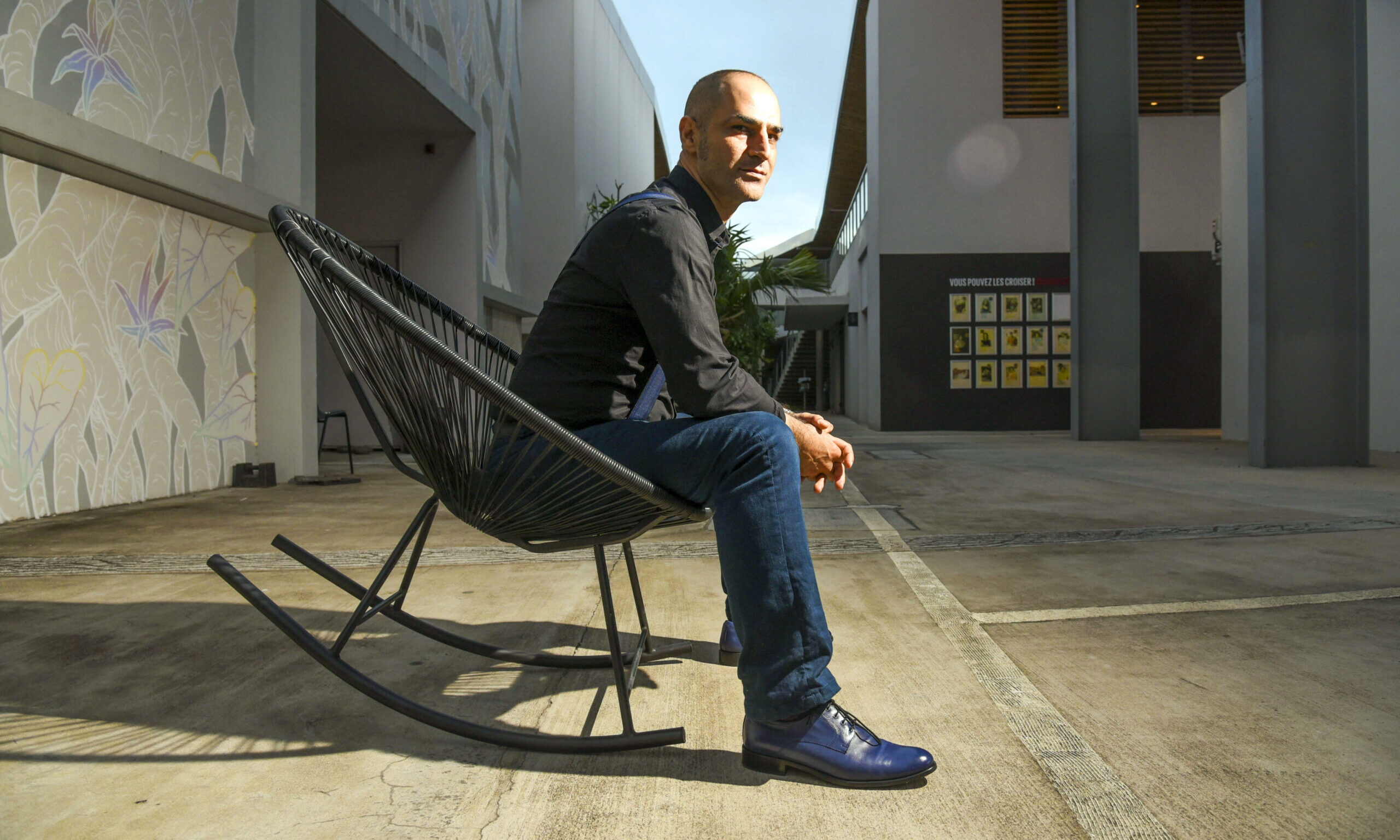





























The Nigerian music industry now has the world’s full attention, and it’s not a coincidence. Besides an immense talent pool and great music, the West African country’s global strides are also partly thanks to efforts by veteran creative entrepreneurs like Anderson ‘Big A’ Obiagwu, the man behind the African Muzik Magazine Awards (AFRIMMAs) and other initiatives ensuring that the space is a well-oiled machine.

The founder of Big A Entertainment and boasting a career spanning several years, Obiagwu has worked with African pop giants like Wizkid, Flavour, Davido, Fally Ipupa, Diamond Platnumz and Kizz Daniel. Recently, he also launched a book titled Crossing Boundaries with Music, detailing his experiences and unique perspectives of the industry and its power to unite the world.
Obiagwu’s efforts with African music started with his promotion of the continent’s stars in the US for over five years, where he witnessed their increasing recognition at renowned award shows like the BET Awards and MTV Awards. However, the reality that their achievements were presented at pre-shows rather than the main event led to a bittersweet feeling. This experience prompted the establishment of the AFRIMMA Awards, driven by a mission to provide a dedicated platform for African talent and facilitate cultural exchange.
“I felt an undeniable need for a dedicated platform, a stage solely aimed at celebrating and honouring African music and artists in all their glory,” he tells Music In Africa about the scheme, which marked its 10th-anniversary last year, and whose selection process involves committee members from across all African regions. “It was incredibly fulfilling to see how [African music] has flourished over the years and to know that I played a significant role in its rise. I aim to continue growing the event into the premier celebration of African music, attracting top talent from across the continent and beyond.”
Obiagwu observes that the African music scene has seen great transformation in recent decades, evolving from a regional phenomenon to a global powerhouse. For him, the most notable changes include the fusion of traditional African sounds with contemporary genres such as hip hop, R&B and pop, the rise of African artists as global ambassadors of culture and music, and the presence of digital platforms “democratising access for both artists and listeners” and offering “unprecedented exposure and revenue streams, while allowing global audiences to discover and enjoy the diverse tapestry of African music.”
I ask about his approach to building and maintaining such relationships in the entertainment industry, with key reference to his collaborations with prominent Afrobeats stars, to which he answers “genuine passion for music” and “sincere desire” to support artists’ careers. “This means taking the time to understand their artistic vision, goals and challenges, and offering meaningful support and solutions,” he explains. “Transparency and clear communication are key. Being honest and upfront about expectations, terms and agreements helps build trust and fosters a strong working relationship. Maintaining these relationships requires ongoing effort and commitment. This means staying in touch regularly, supporting the artists’ projects and initiatives, and being a reliable and trusted partner.”
The aforementioned, he discloses, is also partly how he has navigated key hurdles in the entertainment sector.
On why crossing cultural boundaries is such a prominent theme in his career, even informing the theme and title of his new book, Obiagwu notes: “A song that resonates with someone in Africa can also touch the heart of someone in Asia or South America, creating a universal language that brings people together. In my career, I have seen firsthand how music can serve as a bridge between cultures, bringing people together and fostering a sense of unity and common humanity. Whether through collaborations between artists from different countries or performances that celebrate cultural diversity, music has the power to inspire, educate, and unite people from all walks of life.”
Motivated by personal and professional experiences, Obiagwu’s new book offers insights into perspectives on how music can break down barriers. “One of the key messages I hope readers take away from the book is the idea that music has the power to transcend differences and bring people together, regardless of their cultural background or beliefs,” he says.
Obiagwu’s journey may seem remarkably smooth at times, but it hasn’t been without its share of challenges. At Big A Entertainment, he has grappled with the unique hurdles of managing a music company in an industry with limited structure. Overcoming challenges like understanding consumer behaviour and establishing relationships with artists and industry professionals, he has observed over the years, requires a delicate balance of creativity and business acumen. “We’ve focused on building a strong team with diverse skills and expertise, staying agile and adaptable in our approach, and always putting the artists and their music at the forefront of everything we do.
“I approach the business side of Big A Entertainment with a strong focus on professionalism, efficiency and financial sustainability. This means setting clear goals, developing sound business strategies, and managing resources effectively to ensure the long-term success and growth of the company. On the other hand, my passion for promoting and celebrating African music and artists is the driving force behind everything we do at Big A Entertainment. This passion fuels our creativity, inspires us to seek out new talent, and drives us to push boundaries and innovate in the music industry.”
For aspiring entrepreneurs looking to make a mark in the African entertainment industry, especially in music and awards events, Obiagwu’s advice would be to stay true to one’s passion and vision. “The industry can be challenging and competitive, but by focusing on what truly inspires you and setting clear goals, you can overcome obstacles and achieve success,” he says. “It’s also important to stay abreast of industry trends, build a strong network of contacts, and be willing to adapt and innovate. Most importantly, always prioritise the artists and their music, as they are the heart and soul of the industry. With dedication, hard work and a deep love for African music and culture, you can make a meaningful impact and leave a lasting legacy in the African entertainment industry.”
Looking forward, Obiagwo says his plans for the future of AFRIMMAs, Big A Entertainment and other engagements will be centred around further elevating African music and artists on the global stage. “For AFRIMMAs, I aim to continue growing the event into a premier celebration of African music, attracting top talent from across the continent and beyond. I also hope to expand the reach and impact of African Muzik Magazine, using it as a platform to promote African music and culture to a global audience. As for Big A Entertainment, I aspire to continue supporting and nurturing African talent, helping artists reach their full potential and achieve international success.”


Most popular

Gambia: Suntou Susso announce UK tour for ‘The Path of a Griot’
09 Oct 2026
Open call: 2026 Gender@Work music industry training in Johannesburg
09 Oct 2026

Top amapiano songs of 2026
16 Feb 2026

Top Afrobeats songs of 2026
19 Mar 2026

Call for applications: ACCES 2026 Emerging Artist Spotlight Competition
01 Oct 2026

Top Naija songs of 2026
31 Mar 2026
Disclaimer: Music In Africa provides a platform for musicians and contributors to embed music and videos solely for promotional purposes. If any track or video embedded on this platform violates any copyrights please inform us immediately and we will take it down. Please read our Terms of Use for more.

Subscribe to our monthly Newsletter
Follow us on social media


Please log in to post a comment.