
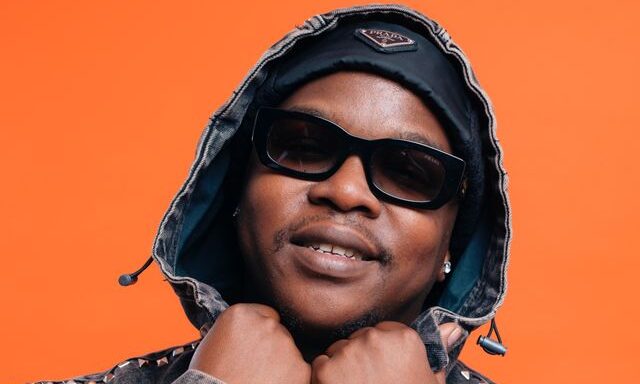
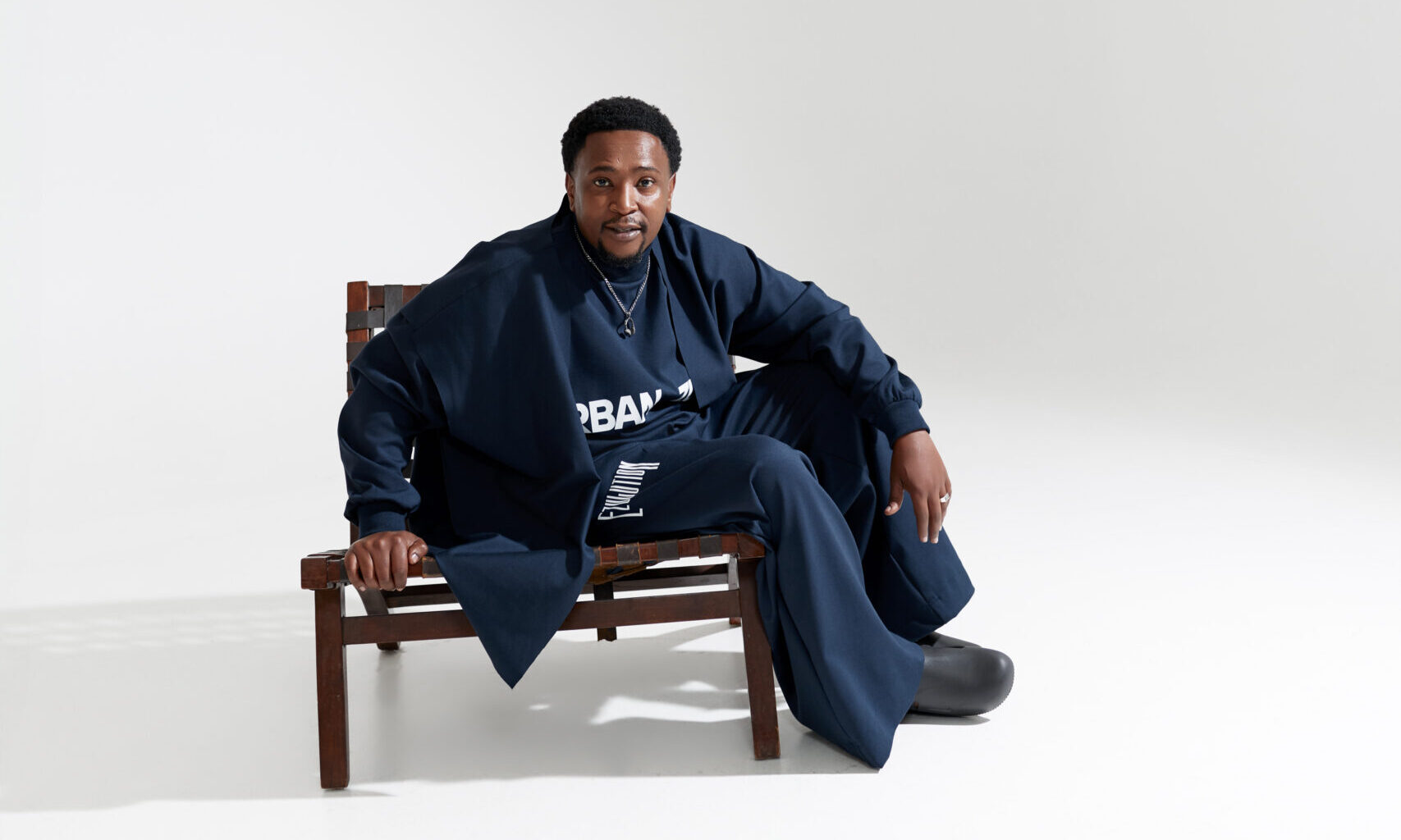
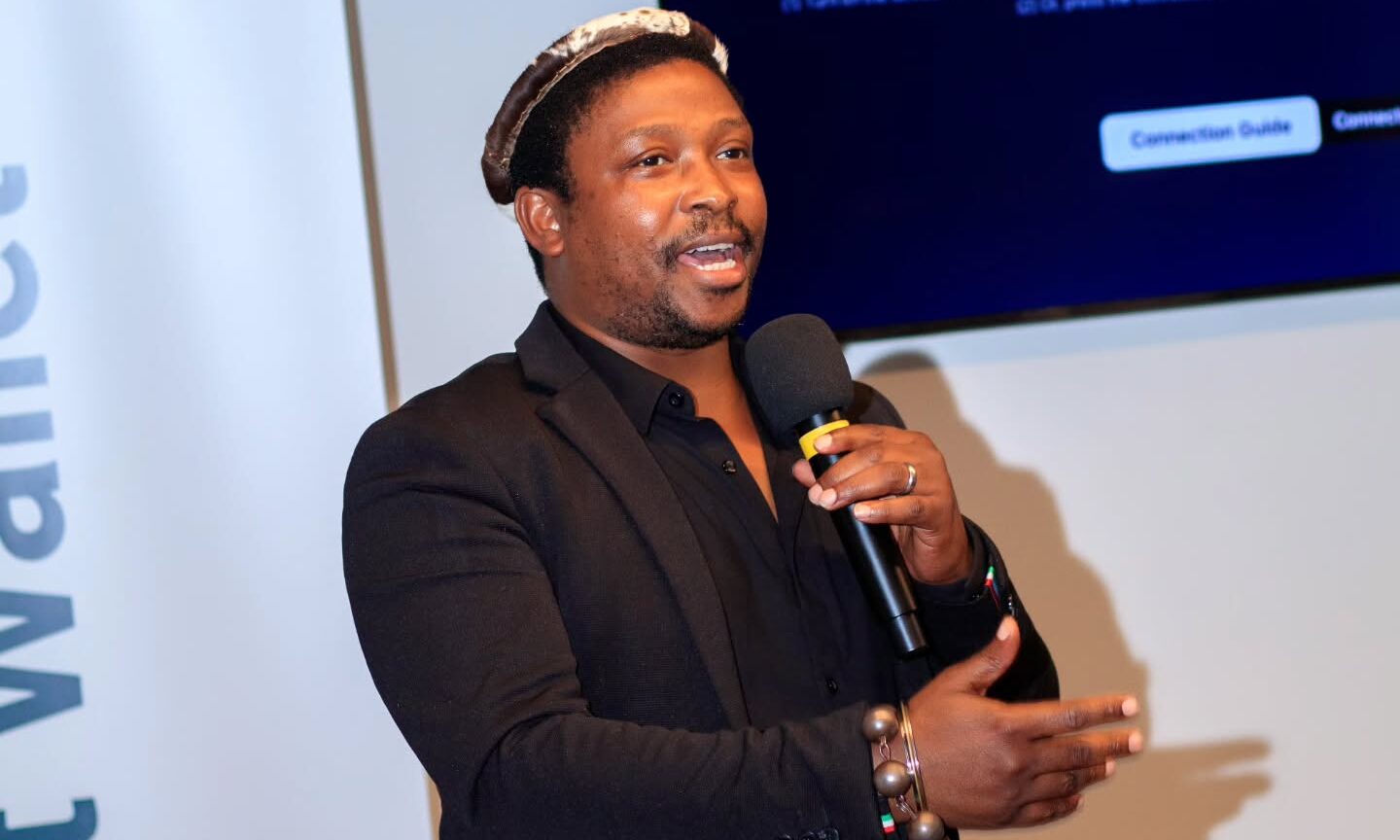
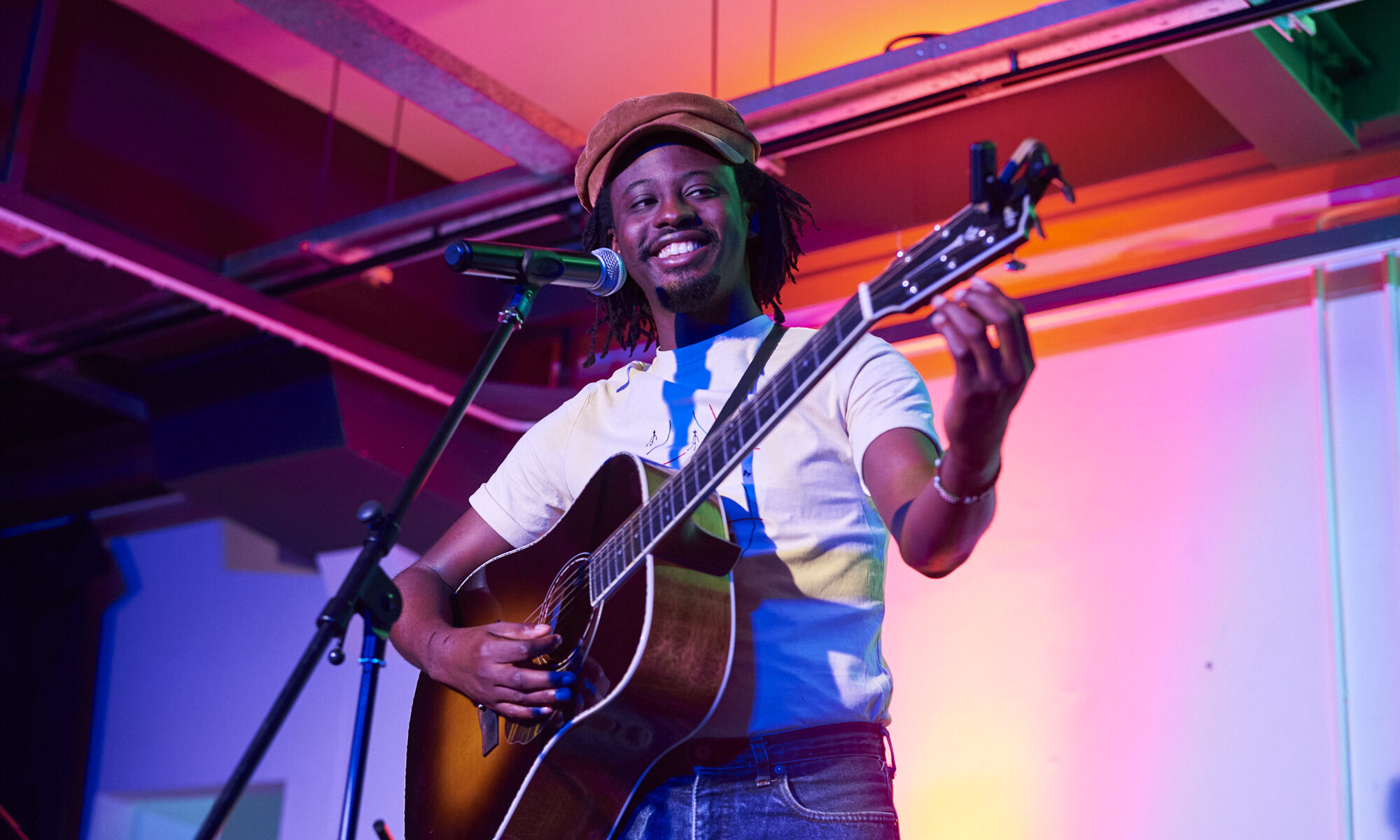
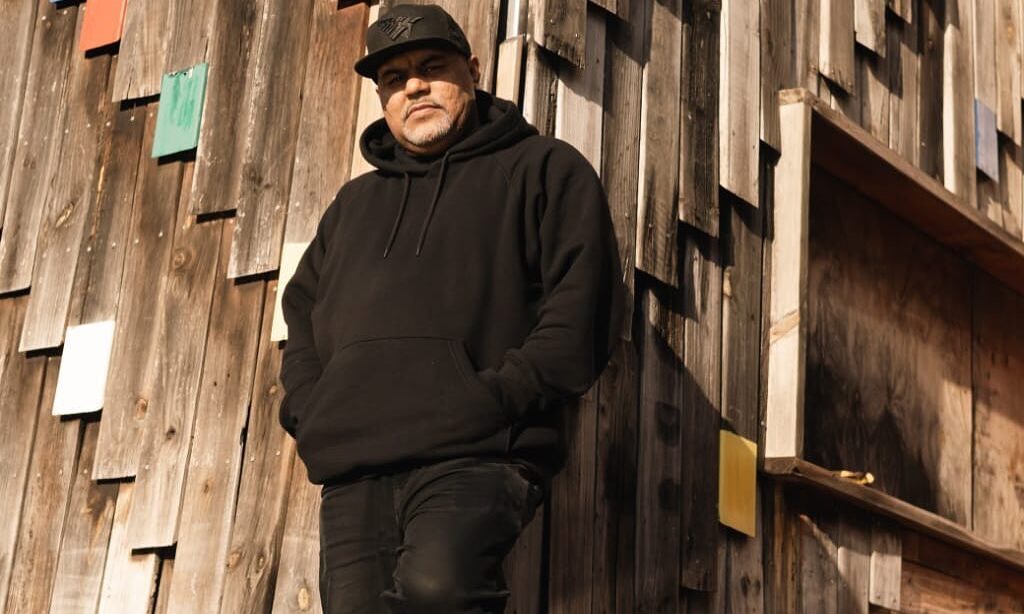
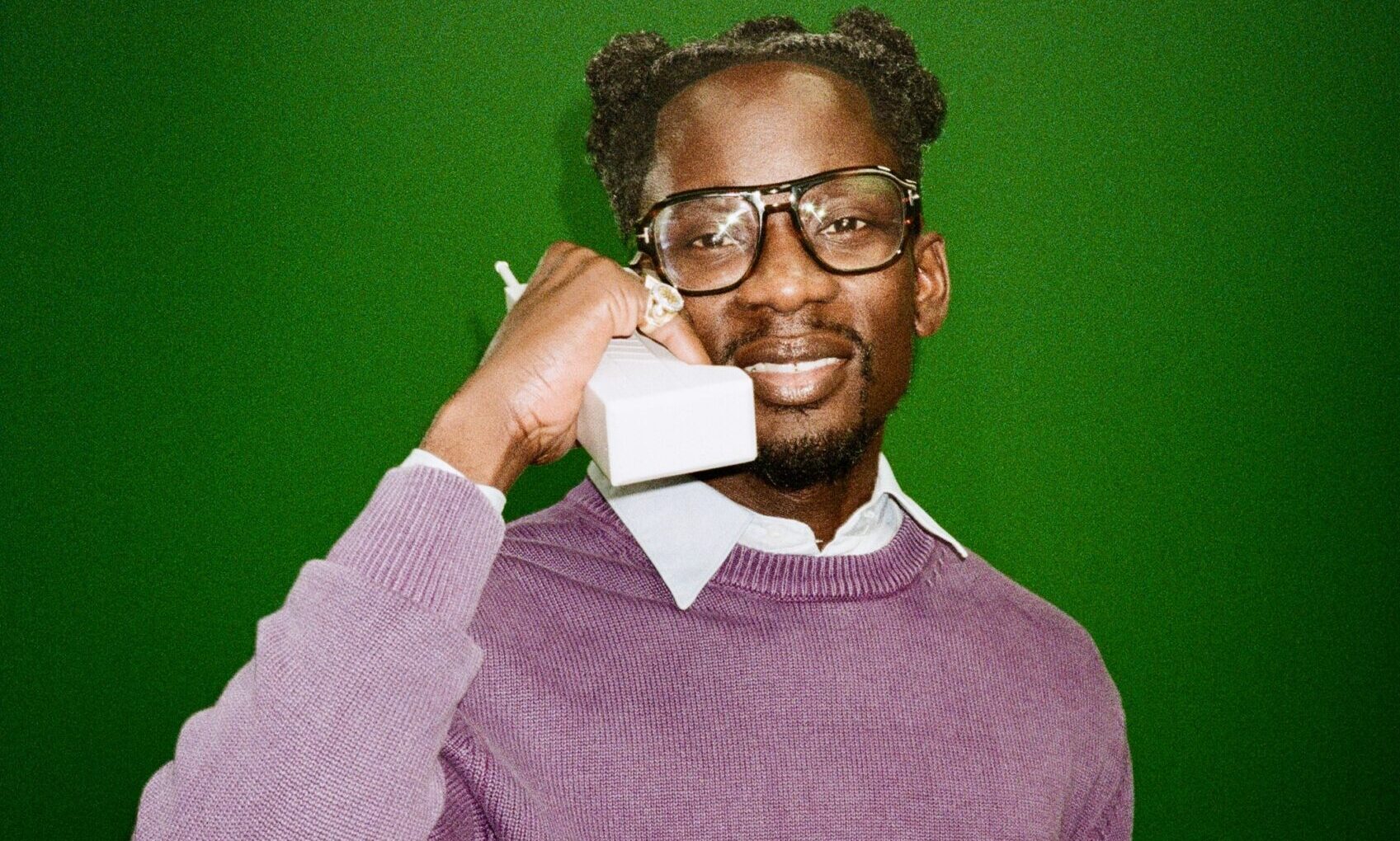


















































K.O is undoubtedly among the top rappers continuously shaping the hip hop scene in South Africa. With a career dating back to 2005, the ‘Supa Dupa’ hitmaker is responsible for putting the Teargas crew in the spotlight with such albums as K’shubile K’bovu, Wafa Wafa, Dark or Blue and Num8er Num8er.

K.O’s solo career has been thriving for more than a decade now and the rapper is relevant as ever in South Africa's hip hop scene, which is seemingly under pressure from the relatively new genres of gqom and amapiano.
Despite breaking away from Teargas, K.O has kept his flame alight with releases like his latest album PTY UnLTD, which features notable artists like DJ Maphorisa, Wizkid, Ma-E, Sjava, Loki and Nandi Madida. The album is his third and comes after Skhanda Republic and SR2.
Last year, we spoke to K.O about his new album, the hip hop scene in the country, the new music genres taking over SA, and the disruptive music streaming business.
MUSIC IN AFRICA: How is PTY UnLTD performing?
K.O: The reception has been really great. We started off when we were busy working on the album with the team knowing exactly what we wanted to achieve in terms of different genre influences that we wanted to infuse, and so far the reception that we see in the streets pretty much speaks to us having executed the goal and vision. I think we’re on a great path.
Do you think PTY UnLTD is your best release so far?
I don’t operate on that level because the scene changes so much and people’s attention changes year in and year out, especially with streaming and the Internet. Based on what we did, I would say we are doing really well. These days when it comes to albums, sometimes you come in and be part of the conversation in the first two weeks and then it starts fizzling out. That’s why we have so many potential singles on the album; we want to stretch the album all the way into the New Year. There will be a couple of more singles that are going to come out from it. So I wouldn’t want to compare PTY UnLTD to the first or second albums. It’s a new baby, it comes with memories of its own.
You didn’t take long to release PTY UnLTD after 2017’s SR2.
We live in a time when the streaming industry requires you to be present and where your consumers are like, ‘What have you done for me lately?’ Unfortunately that’s the nature of the machine we are servicing, so you need to continue feeding the beast. Some of the people that I follow, like Drake, he probably has an album every year. We are here in Africa and moving at probably a slightly slower pace compared to our international counterparts. They are under a lot of pressure and levels are even more heightened on their side. I think for us it will be compatible on the international space if I want to continue being there and taking over like we believe we should. We also need to increase our work rate and output to match our goals. So I think it’s still slow. The last album was in 2017 and the next in 2019. That’s slow for me. The gaps are pretty wide between the releases, so the more I stay in the studio, the more I churn out material. I am in the studio even now, recording. I might possibly accumulate enough material to release another album in 2020.
How did you feel about working with DJ Maphorisa, Wizkid, Ma-E, Sjava, Loki and Nandi Madida?
I always want to be in the same conversation or sit at the same table with some of the people that I genuinely support. It could be guys that came after me but if I am rooting for you and if I see a bit of myself in what you do, I want to be next to you. The guys that are featured on the album are people whose craft I genuinely appreciate. They did an amazing job and I am forever grateful.
Do you approve of the direction South African hip hop is taking?
I think we had a better run in previous years when we were a lot more impactful. So obviously now amapiano is the leading sound in the street. Last year and the year before gqom was the leading sound and before that it was hip hop. I think it requires us to up our game a little bit. I think, to a certain degree, a huge portion of us – especially the guys that are coming in – lack authenticity, which is why it’s easier for someone who likes music as a whole to prioritise gqom or amapiano. They can’t relate to some of the hip hop stuff because it sounds too American.
Do you think amapiano and gqom will survive?
I think that’s also the beautiful thing about hip hop. Hip hop is a chameleon. Now there is gqom. You take elements of that and apply them to your hip hop. You take elements of kwaito, you apply them to hip hop, too, and now there is Afrobeats. You can do the same as well, and even now with amapiano there are artists who are applying it to hip hop. I think somehow we have room that allows us to continue existing, whereas the genres that we borrow from end up eventually dying out.
There is trend of hip hop crews like Teargas disbanding and rappers going solo. What’s your take on this?
When we started we were solo artists. We came together because we didn’t have enough resources to kick-start individual careers and we ended up becoming a group. But there was always the idea for us to go solo. We successfully released four albums, which was credible. When we started going solo, some of us weren’t ready, and circumstances and the lack of chemistry kind of pushed us into that direction. We decided, ‘Okay cool, let’s walk down this path’ and unfortunately we got so invested into individual things that the level of the relationship that was there really took a knock. So I would say at this point, if we were to go back to the studio, it wouldn’t be genuine. You don’t want to ruin some things. People have great memories of what we did and we just want to make sure that we don’t tarnish that legacy.
There have been many groups that tried to regroup years later and what they do doesn’t resonate the same because times have changed and people are still fond of what they did back in the day. They think they can replicate what they had five or six years later. It’s usually impossible. Certain things are best left as they are. What we can possibly do is tours in the future but not new music.
The SA hip hop scene has lost great talents like HHP and ProKid. How is life without these two artists?
I became who I am because of these two guys, mainly ProKid. When I was rapping, the only thing I could imagine was, ‘I want to be good as that guy.’ Losing genuine guys like that is one of the unfortunate situations that we find ourselves having to deal and live with. It’s in our hands, as the guys who are still here and still active, to make sure that we continue growing the foundation that was set.


Most popular
Call for applications: ACCES 2026 Emerging Artist Spotlight Competition
01 Oct 2026

Top amapiano songs of 2026
16 Feb 2026

Top Naija songs of 2026
31 Mar 2026
Open call: 2026 Gender@Work music industry training in Johannesburg
03 Oct 2026

Top Afrobeats songs of 2026
19 Mar 2026
AFRIMA 2026: All the winners
12 Jan 2026
Disclaimer: Music In Africa provides a platform for musicians and contributors to embed music and videos solely for promotional purposes. If any track or video embedded on this platform violates any copyrights please inform us immediately and we will take it down. Please read our Terms of Use for more.

Subscribe to our monthly Newsletter
Follow us on social media


Please log in to post a comment.