






















































By Mandolin Kahindi
Promotion, sales and income generation for musicians in Tanzania are dominated by a few successful musicians. A city like Dar es Salaam has a combination of formal and informal creative industry clusters, which includes music studios, venues, government organizations, NGOs, festivals, promoters and producers, etc, as well as the pirates, street peddlers, youth gatherings, bars and dance clubs.
There have been a lot of changes in the music industry in Tanzania. Ten years ago, musicians would earn a lot of money through album sales through distributors such as Mamu Stores, GMC and Mwananchi - but currently musicians can no longer depend on these. This overview text explores the opportunities currently available to musicians in Tanzania.

Radio airplay
Promotion of music is dominated by radio airplay. Radio is therefore considered a key marketing tool and as such, no royalties are paid for airplay. Indeed, radio stations actively promote artists that are under their own management and charge hefty fees for others.
Limited airplay opportunities and copyright are some of the key issues hindering musicians from making an income. Often little is done to enforce copyright and collect royalties, and returns from music sales are low, with a few stars capable of securing investment from brands or corporate sponsors. There is hope, however, with the emergence of new generation of entrepreneurs and arts activists who are keen to build successful music enterprises in Tanzania.
Online radio stations such as Midundo Radio[i], which plays east African tunes and mainly focuses on live and emerging artists, is solving the problem facing many musicians whose songs do not receive enough airplay on the mainstream media. All the station requires is for the artists to submit their music and they receive airplay, albeit without a fee.
Royalties
At the moment, Tanzanian musicians are not making a lot of money through royalties. This is because the Copyright Society of Tanzania (COSOTA)[ii] lacks the technology to monitor and track how many times music is played. According to Doreen Sinare, CEO of COSOTA, the process of registration and distribution is done using the WIPOCOS software, which is not well-placed to track all songs played through the media in the country, therefore leading to difficulties in distributing royalties appropriately.
However, the emergence of Copyright Management East Africa (CMEA), whose main goal is to regulate intellectual property rights of artists in East Africa, will soon see the separation of COSOTA as a royalty collection and management organization for music on mainland Tanzania. Working closely with COSOTA, CMEA collects data of all songs played in the East African region and provides it to COSOTA, who in turn pays the artist the required amount. CMEA is the first company to provide such services in Tanzania. The company also aims at acknowledging the composers and producers of the song when distributing the royalties.
CMEA also tracks the amount of advertising done on specific media and calculates the amount of royalties that the media house must pay an artist. This continues for as long as the musician remains in the industry, with the musician being awarded royalties every time a radio station plays their songs. A recent agreement between the government and CMEA will soon see more musicians benefiting from their music being played, and hopefully many will be able to generate enough royalties in the coming years.
Live performances
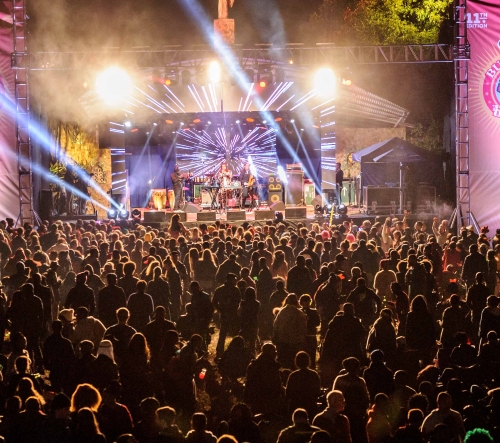
There are a limited number of music concerts and festivals in Tanzania, which are used as platforms for musicians to showcase their talent and to get paid. These include Karibu Music Festival, the Bagamoyo Festival, the East Africa Vibes concerts, Gogo music festival in Dodoma, Jambo Music Festival in Arusha, Sauti za Busara in Zanzibar, the Zanzibar International Film Festival (ZIFF)’s music programme, Chap Chap events at the Nafasi Arts Space and The Beat, which is organized by Caravan Records under Mzungu Kichaa. Bongo Flava musicians also draws huge audiences at festivals like the annual Fiesta, which takes place over three months and fills entire stadiums in all the major cities in Tanzania.
According to Fredrick Bundala from local website Bongo5.com[iii], “Musicians are depending more on shows to generate income. You cannot get shows if you don’t produce good music and videos to promote your music. 80% of musicians’ income comes from shows, which is working well for big musicians.”
Talent searches
There are quite few talent search competitions in Tanzania. These include the Kinondoni Talent search, a newly platform established by Paul Makonda, the Kinondoni District Commissioner. Bongo Star Search has discovered a number of great musicians. This talent search takes place over three months and tours various cities and towns, giving upcoming artists a chance to showcase their talent. The winner is awarded TSh 50million (about $23 000) and gets endorsements from various companies.
Workshops and exchanges
There are a number of music institutions that provide training in the form of workshops and exchange programs. Most of these institutions are more focused on music education and promotion, as well as issues like copyright education and disseminating information about artists and events. These include the Nafasi Arts Space, Muda Africa, Action Music Tanzania, Culture and Development East Africa[iv], the Dhow Countries Music Academy (DCMA) in Zanzibar, and Music May Day, which opened a sustainable training centre that sources, trains, develops, promotes and markets highly qualified professionals of the music industry.
These organizations typically use local print and social media to communicate their courses and workshops, so it best for the musicians to be connected with their communication channels to get all updates.
Endorsement and sponsorship
Many companies are now using musicians to advertise their products or services through endorsements. These typically come from large corporates, such as breweries, agricultural companies, telecommunication companies and shops. Tanzanian artists like Mrisho Mpoto, Diamond, Ali kiba, Vanessa Mdee, Rich Mavoko and many others have benefited a lot from this.
Musicians are even earning money for advertising through their social media accounts, such as Instagram, Facebook, Twitter and YouTube. Advertisers pay popular artists for a post on their accounts and musicians can receive up to TSh 3 000 000 (about US$1400) for just one post.
International institutions such as the Goethe-Institut[v], the Danish Center for Culture and Development[vi] (CKU) and Alliance Française have been funding cultural activities in Tanzania by working with various actors and stakeholders in the cultural sector. However, it’s rare for these funds to be allocated to individual artists instead of organisations.
Online platforms and call-back tunes
Online platforms such as Mkito.com[vii] and Mdundo.com[viii] have become popular music distribution channels since they provide a transparent system for monitoring sales of music. Telecoms such as Tigo and Vodacom offer music to their subscribers at a fee. Other artists sell their music through iTunes. Advertisers can use these platforms for promoting their products and services, either through audio adverts attached to songs that are downloaded for free, or through banner adverts on the actual sites.
Musicians are now making a lot of money from these online platforms, as they can sell and promote their music for free while receiving 60% (about TSh150) of all proceeds generated from music sales and downloads. Top Tanzanian musicians such as Diamond and Ali Kiba earn well through online sales and downloads; often their music gets over 10 000 downloads, thus attracting a hefty fee.
Musicians can earn money through caller ring back tunes. Unfortunately this relatively small market favours mainstream artists who are already well established. Some musicians earn as little as TSh 35 000 (US$16) annually from call back tunes.
Conclusion
For a musician to be able to take advantage of the above opportunities he or she needs to write and record good songs and to make sure they promote their music effectively. This can be a challenge for up-and-coming artists, as radio DJs typically requires a fee to promote songs. Apart from the music itself, musicians must produce good music videos to complement the audio. “You can produce good audio but if you don’t produce a good video, it will be zero work. You need money to make good video,” says Remy Sostenes, a percussionist from Cocodo Band.
To further promote their music, grow their personal brands and earn extra income, several Tanzanian musicians have established their own businesses, for example selling branded t-shirts, investing in bars, restaurants, cars rental companies, hotels or barber shops, or hosting or producing television programmes.
Despite the many challenges that Tanzanian musicians face, it is still possible to make a living as a musician if one is able to take advantage of the above opportunities.


Most popular

Call for applications: ACCES 2026 Emerging Artist Spotlight Competition
01 Oct 2026

Top amapiano songs of 2026
16 Feb 2026

Top Naija songs of 2026
31 Mar 2026
Open call: 2026 Gender@Work music industry training in Johannesburg
03 Oct 2026

Top Afrobeats songs of 2026
19 Mar 2026

AFRIMA 2026: All the winners
12 Jan 2026
Disclaimer: Music In Africa provides a platform for musicians and contributors to embed music and videos solely for promotional purposes. If any track or video embedded on this platform violates any copyrights please inform us immediately and we will take it down. Please read our Terms of Use for more.

Subscribe to our monthly Newsletter
Follow us on social media


Please log in to post a comment.