







































NEFCISA
NEFCISA

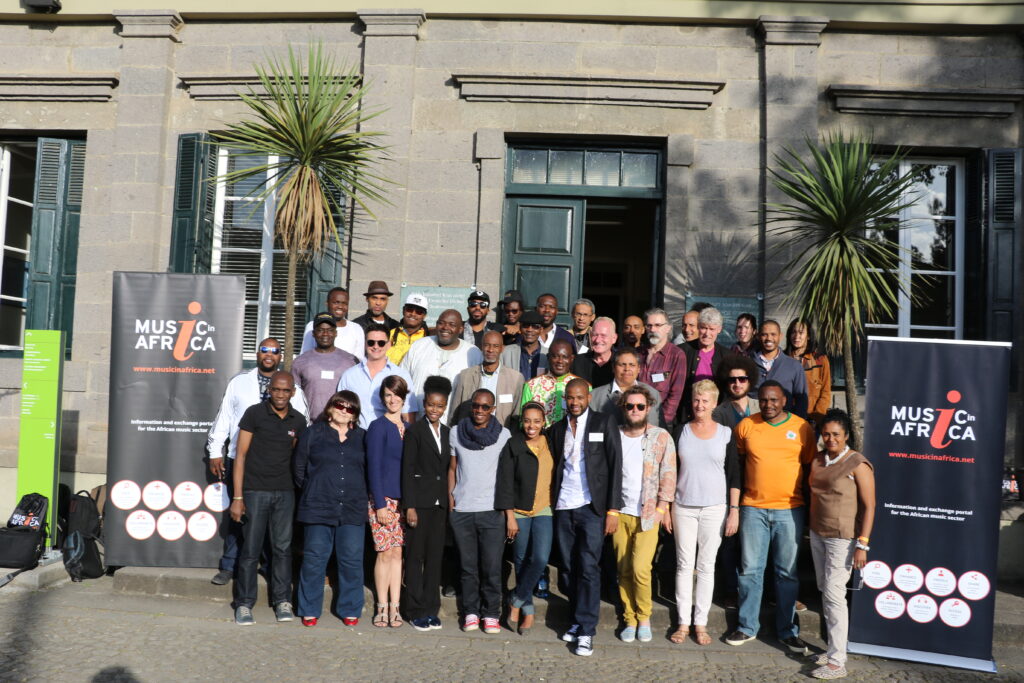
The Music In Africa Foundation (MIAF) is proud of its partnership with the Industrial Development Corporation (IDC) as a Strategic Implementing Partner (SIP) for its Social Employment Fund (SEF). Through this collaboration, MIAF is running a national programme that is creating jobs, addressing skills gaps, and strengthening South Africa's creative industries — in line with the SEF's overarching goal to generate work for the common good and build community value through employment, social contribution, and inclusive economic participation. Operating under the banner NEFCISA (National Employment Facility for Creative Industries in South Africa), the initiative is recruiting and training participants, matching them with host organisations, and has already placed 1 500 workers across the country — surpassing its original target of 1 000. NEFCISA is delivered through a network of 20 host organisations spanning five provinces, who are actively hosting participants and contributing to work for the common good across South Africa's creative and cultural industries. Key Objectives: Support employment and entrepreneurship in the creative industries. Offer skills development and training programmes. Foster partnerships between public and private creative sectors. Promote South African creativity at both provincial and national levels Foster community development through social contribution.

ACCES
ACCES

ACCES Conference and Showcase Festival is Africa's leading music industry gathering, bringing together the people shaping the future of the continent's music business. Artists, entrepreneurs, executives, investors, policymakers and cultural leaders from across Africa and around the world come to ACCES to build partnerships, exchange ideas, discover talent and create new business opportunities. Since its launch in 2017, ACCES has become the continent's premier platform for professional exchange and music market development. Combining a high-level conference with a curated showcase festival, networking, exhibitions and industry programmes, ACCES offers a unique space where creativity meets business and where African music connects with the global industry.

Gender@Work
Gender@Work

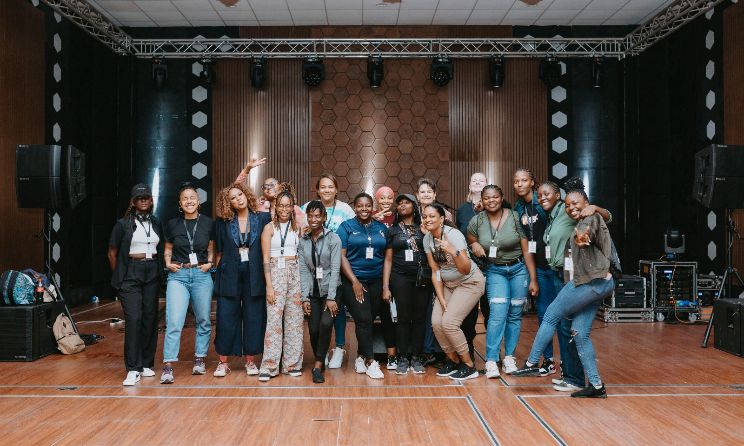
Music In Africa Gender @ Work is a three-year training programme aimed at upskilling and increasing the participation of female professionals in the African music sector. Launched by the Music In Africa Foundation (MIAF) in April 2019, the programme is connected to the MIAF’s ACCES music conference – a pan-African event held in a different African country every year. This connection enables the programme to reach new participants in a different African country every year. The programme marks the beginning of a more concerted effort by the Foundation to support the participation and inclusion of women in all facets of its programmes and the music sector in Africa as a whole. Over the three years, the programme will aim to address gender imbalances in the sector through training, lobbying, facilitating knowledge exchange and dialogues that foster the interest of women. The broader objectives of the programme are to: Provide industry training for women on critical music industry skills, focusing on: Stage management Electronic music production and recording Music business management Technical knowledge Provide an opportunity for both professional and aspiring women to benefit from the Music In Africa network and its broad range of activities in 2019, 2020 and 2021. Provide a solution-based platform in the form of a round table at ACCES with a view to identify challenges, discuss opportunities and lobby for the interests of female practitioners. Offer participants the opportunity to benefit from programmes offered by MIAF’s partners. Increase access to educational materials. Integrate participants in the broader ACCES programme to maximise experience and exposure to the industry. Record and present training materials on the www.musicinafrica.net, including but not limited to tutorials, templates and other best-practice materials. Communicate women-based themes that support the initiatives and messages of the programme. MAIN TRAINING ACTIVITIES Training in first country (Ghana): In the first year, participants will be trained on all aspects of stage management by a team of experienced stage managers from 10 to 17 November 2019. The programme will offer robust classroom training as well as practical, hands-on training in which participants will also be given the opportunity to manage various aspects of the ACCES performance programme. Training in second country: The second training iteration will take place at ACCES 2020 when the programme will diversify its course to include music production lessons and training on other music business topics. A round-table platform will also be introduced to coincide with the ACCES programme. Training in third country: The third training iteration will take place at ACCES 2021 in a different country, offering an advanced course. HOW DO YOU GET INVOLVED?  As a participant, facilitator or trainer: The programme enrolls up to 12 trainees every year. All opportunities are advertised publicly on this website, and will be added to this page. Please keep checking this page for new calls (below under UPDATES & CURRENT OPPORTUNITIES). As a partner Please contact Claire Metais at [email protected]. APPLY The call for applications for 2020 will be announced soon. The Music In Africa Gender @ Work programme is made possible with the support of the Prince Claus Fund, Siemens Stiftung and Goethe-Institut.

Sound Connects Fund
Sound Connects Fund

For cultural and creative practitioners and organisations operating in southern Africa, access to funding remains a major challenge. The COVID-19 pandemic has also had a massive impact on government policy, spending and the economy in general, and has seen spending on culture being moved further down the list of priorities. Further, the cultural and creative industries repeatedly cite four main areas where investment is needed for growth, which are increased visibility, mobility including access to new markets, finance and support structures.

Instrument Building And Repair Project

Experience the Vibrations African Instruments Exhibition online in 3D

Features

Playlist 7: Papa Wemba in five videos

03 May 2016 - 14:08

cc-img flag-img

On the occasion of the death of the iconic Congolese artist Papa Wemba in Abidjan on 24 April, we have selected a playlist of five of our favourite Wemba. They convey a history we cannot forget, linked to specific social contexts from the time of their release, and offer memories that will forever remain in the memory of a generation of African music lovers.
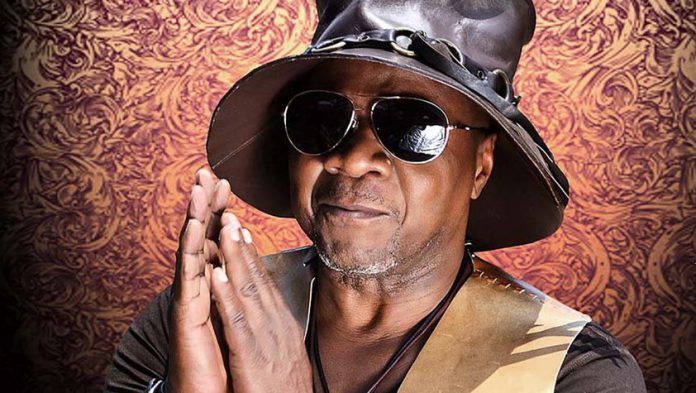
Rest in peace: Papa Wemba

'La vie est Belle' - from the soundtrack of the movie La Vie est Belle (1987)

Many children of the 1980s and 90s in Central Africa and Francophone West Africa will remember the musical La Vie est Belle (Life is Beautiful). Many would have heard Papa Wemba for the first time in this film, even though he already had a successful career behind him by 1987. Wemba composed much of the original music for the film. At the time, the success of this production was such that the story and its protagonists became part of the everyday life and language of young people: girls were often jokingly 'Appellees Kabibi' and young men 'Kourou', referring to characters in the movie. Note also that the main message of the song concerns resourcefulness and refers to Article 15 ("You have to work for a living"), a line in the constitution during the 70s and 80s.

[video:https://www.youtube.com/embed/ex0jclLEm00 autoplay:0]


'Maria Valencia' - from the album Le Voyageur (1992)

'Maria Valencia', from Papa Wemba's 1992 album Le Voyageur (The Traveler), is the story of a young man in love who praises his sweetheart: "Esekeli na yo maria valencia eh eh eh, esekeli na yo Maria Valencia aaahh", which means, "The way you laugh and walk, Maria Valencia..." At the time the Senegalese national broadcaster RTS played the music video often, so this title is well-known in Senegal. Following Wemba's recent death, one Senegalese fan recalled: "With the announcement of the terrible news of his death, I do not know why the chorus of this magnificent song came back to me and suddenly resonated in my head all day. But I have not been very sad for long, because I know that a great artist never dies; he continues to live through his music."

[video:https://www.youtube.com/embed/aBNwqZoV1kU autoplay:0]


'Wake Up' - from the album Wake Up (1996)

Released in 1996, 'Wake Up' is the title track of Wemba's collaborative album with Koffi Olomide, who began his musical career in Wemba's group Viva La Musica. This collaboration came at a time when the two Congolese stars were portrayed as rivals, with Papa Wemba representing the old guard and Koffi Olomide seen as the new rising star of Congolese music. The track was a massive hit, played in all the clubs, on radio or at other celebrations.

[video:https://www.youtube.com/embed/bcRbkpmtc_0 autoplay:0]


'Phrase' - from the album Fula Ngenge (1999)

The song 'Phrase', from the 1999 album Fula Ngenge, is dedicated to the singer's wife Marie Rose Luzolo, better known as Amazon. He recalls the time spent with her: moments of happiness, joy and hardship. They talk about their children and grandchildren: for example, "Bana baboteli biso bakoko, bango nd tala tala na biso", which means "Our kids gave us little kids, they are our mirror." The artist calls on his dear wife that they remain together, united despite their difficulties.

[video:https://www.youtube.com/embed/h4Uv_6wgtlU autoplay:0]


'Sapologie' - from the album Notre Père Rumba (2009)

Besides his talent in music, Papa Wemba always radiated energy and charisma on stage and during his various media appearances by wearing stylish outfits from top designers. A key member of the of the SAPE movement (Société des Ambianceurs et des Personnes Élégantes, or the Society of Ambiance-Makers and Elegant People), his 2009 track 'Sapologie' is something of a tribute to his love for fashion. The song features young Ivorian artist Nash, as if to show the passing of the torch of elegance to a younger generation. Since Papa Wemba's death, several sapeurs and sapeuses have expressed their sadness in the media, wondering who will succeed the artist who was so central to their movement.

[video:https://www.youtube.com/embed/x0pdUHUhQn4 autoplay:0]


Watch our earlier video playlists by clicking on the links below:

Please log in to post a comment.

Most popular

Disclaimer: Music In Africa provides a platform for musicians and contributors to embed music and videos solely for promotional purposes. If any track or video embedded on this platform violates any copyrights please inform us immediately and we will take it down. Please read our Terms of Use for more.

newsletter banner

Subscribe to our monthly Newsletter

Follow us on social media