
















































SAMPRA Development Fund: Supporting the South African music community
09 Jan 2024 - 12:34


Only a musician can tell you how hard it is to start out. The road to success is paved with pitfalls that can snuff out talent and passion in an instant. For most African artists, this is compounded by underdeveloped music markets and lack of support both from within and outside the industry. This leaves only the truly determined to navigate this space – learning the hard way and pushing on, no matter what.
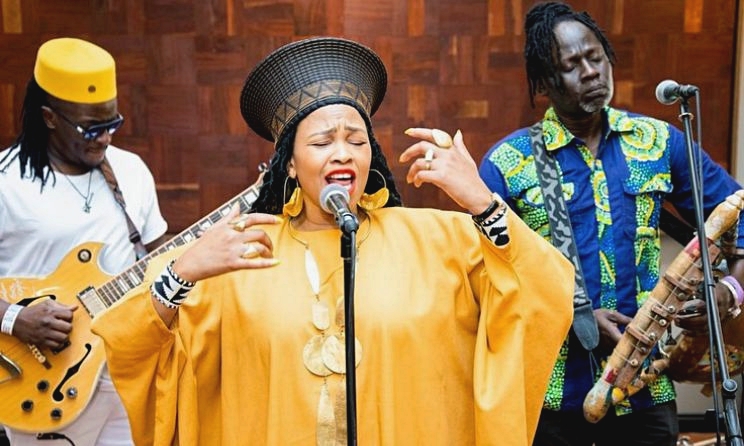
In South Africa, the 40 000-member collective management organisation the South African Music Performance Rights Association (SAMPRA) has taken cognisance of the challenges faced not only by individual artists but of the shortfalls hindering the development of the music sector. This is the reason it has instated an initiative that seeks to mitigate some of these problems.
Primarily a royalties collection organisation, SAMPRA has gone beyond its mandate to ensure that musicians receive support to grow various aspects of their careers. Through the SAMPRA Development Fund, SAMPRA members get a chance to stimulate their growth and foster sustainability.
The fund’s vision is to promote the value of South African recorded music and contribute positively towards recording artists’ welfare and wellbeing by supporting its members and the music industry in a number of areas. This includes covering members’ expenses in full for travel and touring as well as funding music production and live events. The assistance is also extended to cultural organisations seeking to implement music-leaning programmes.
It’s SAMPRA’s belief that the investment made through the fund will directly contribute towards the growth of the music industry and other related sectors, as well lead to cultural development and artistic growth.
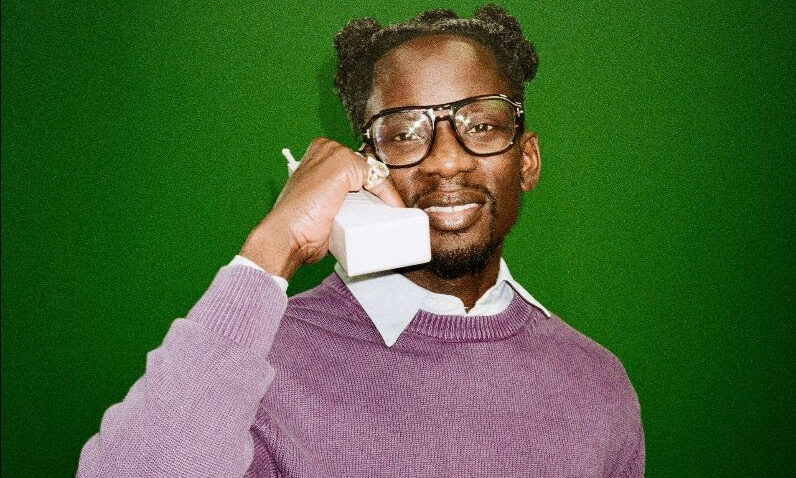
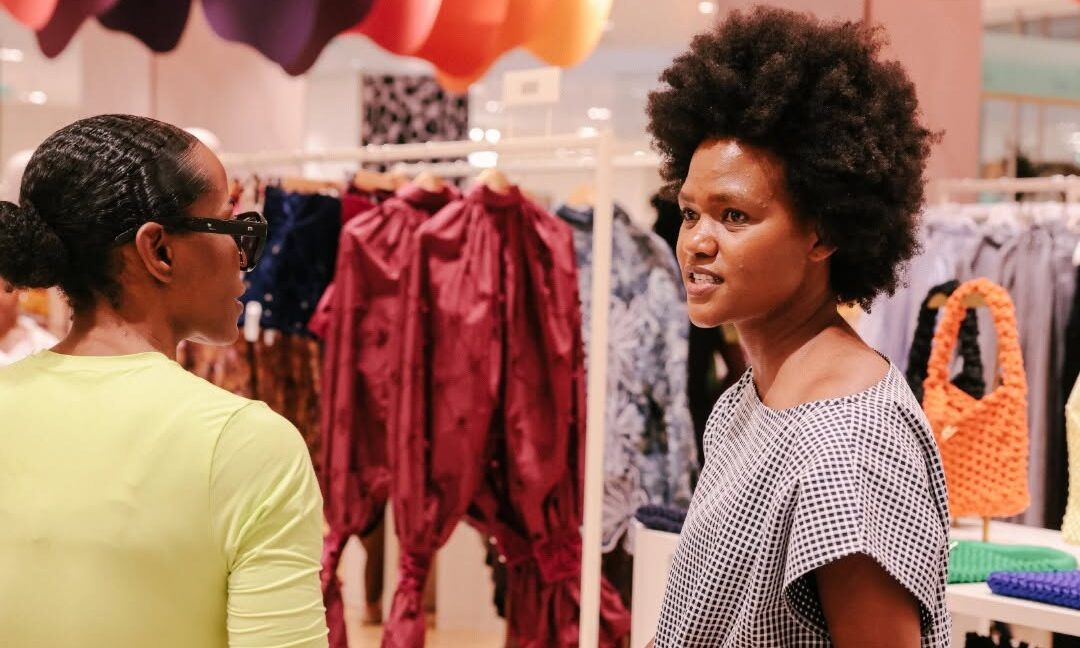
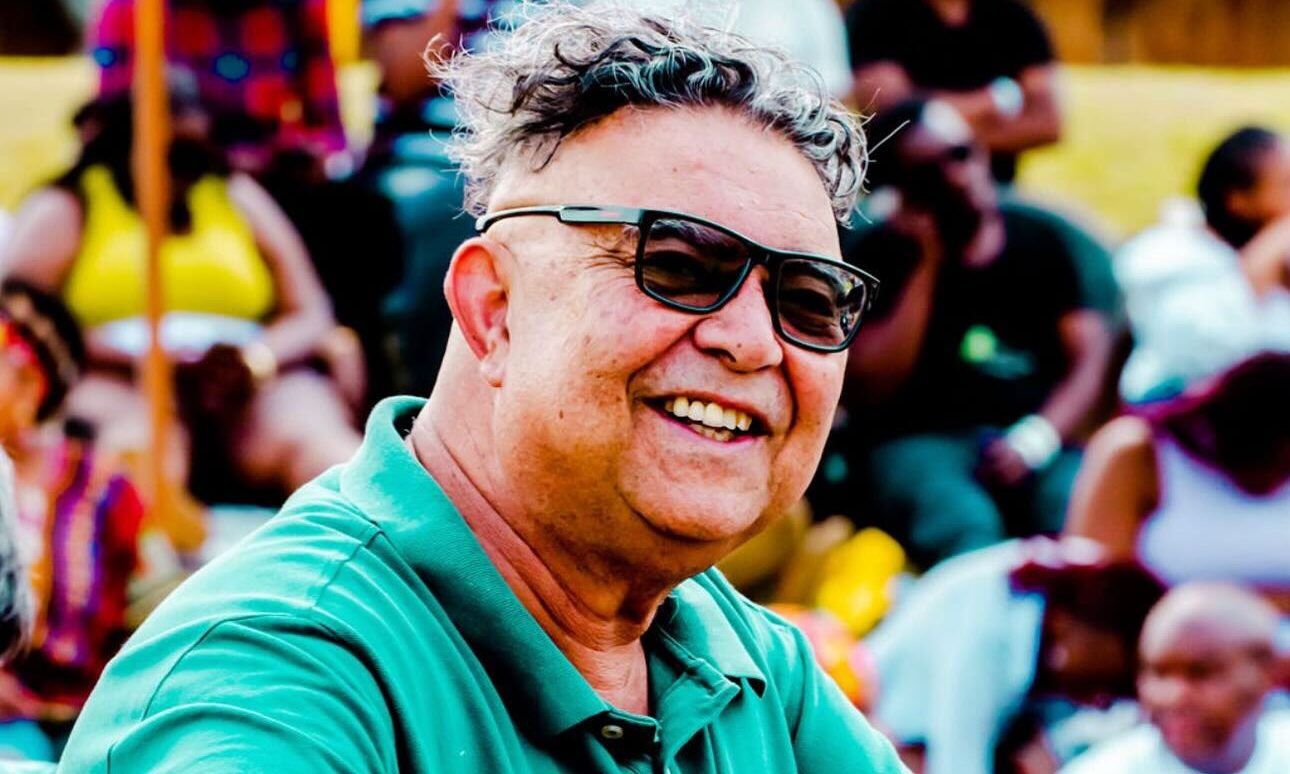
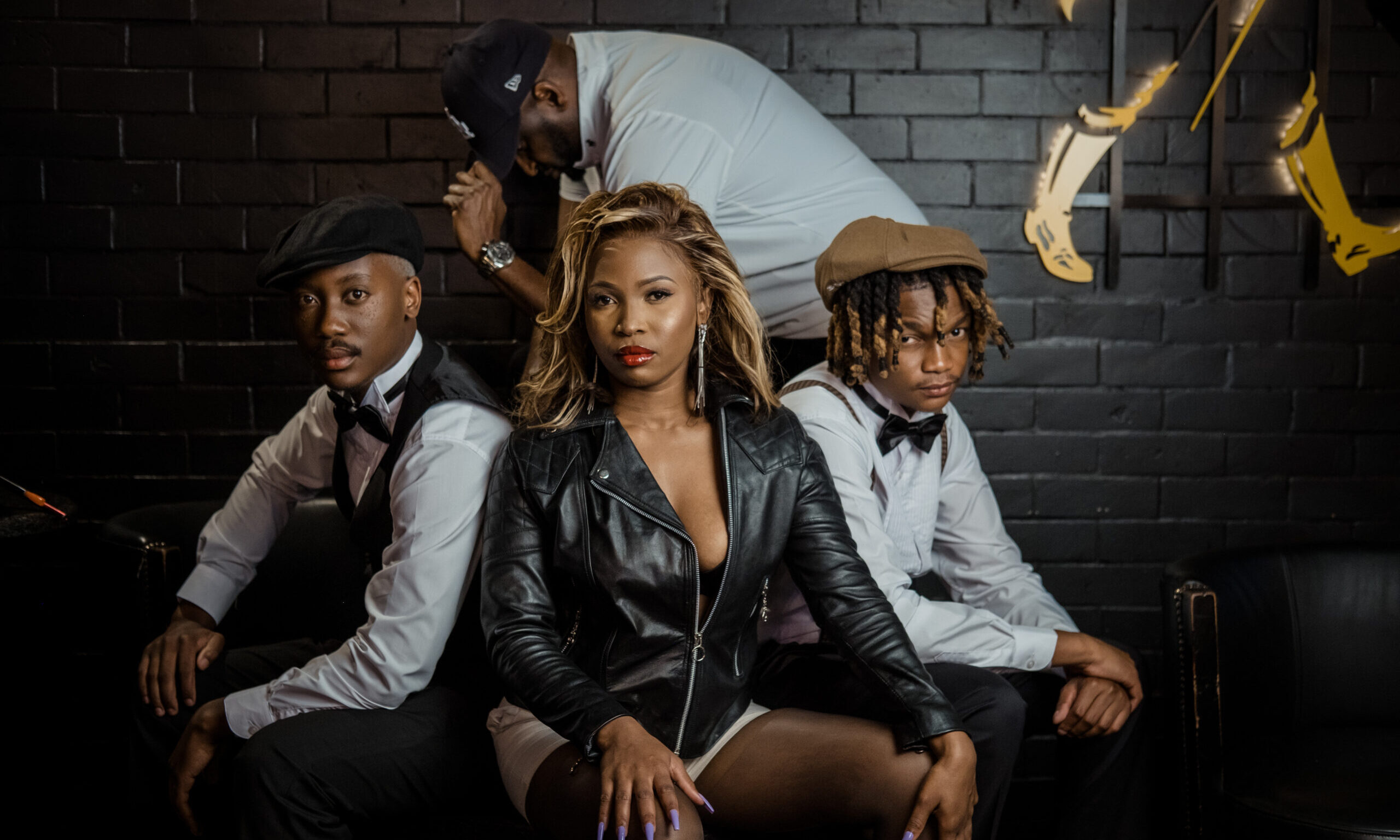
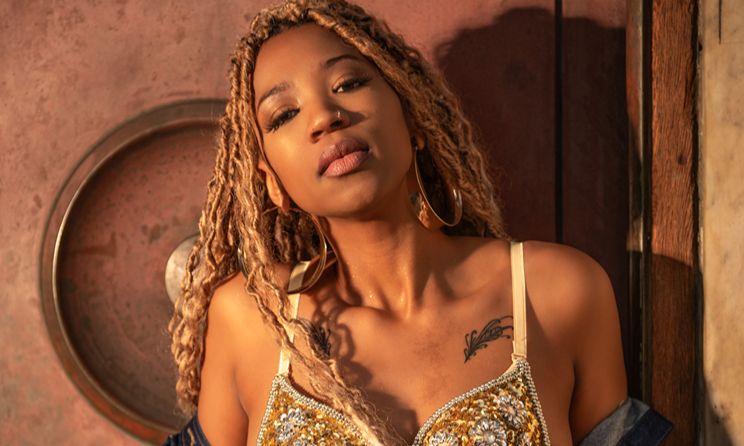
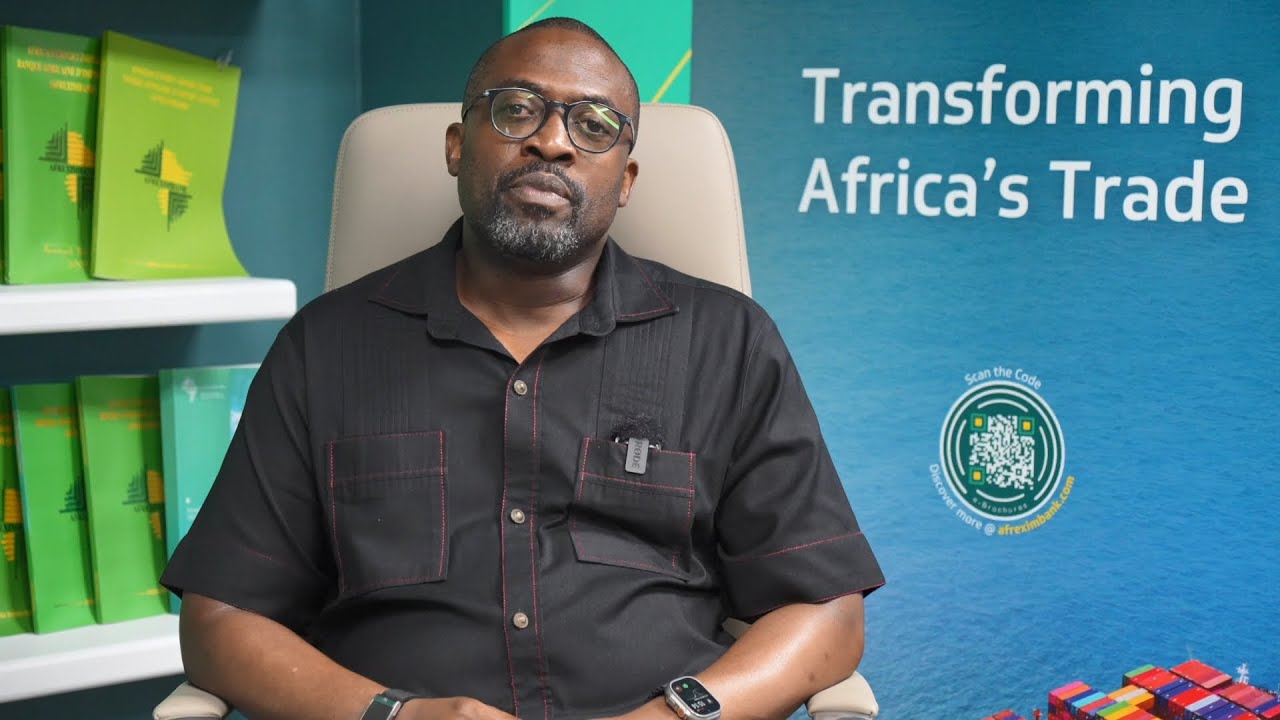
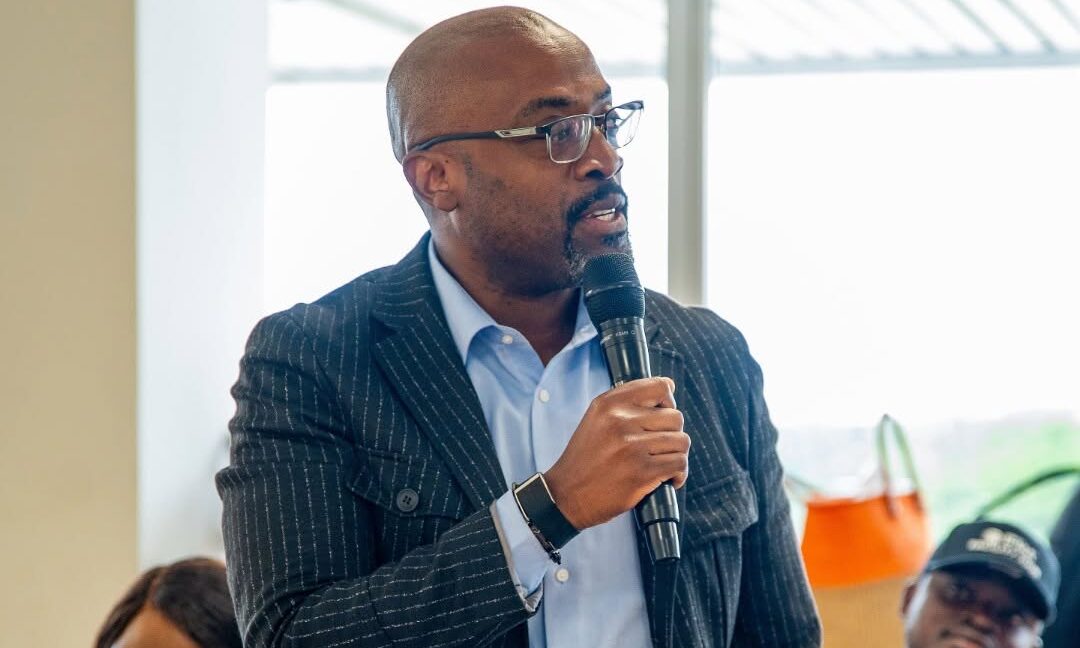
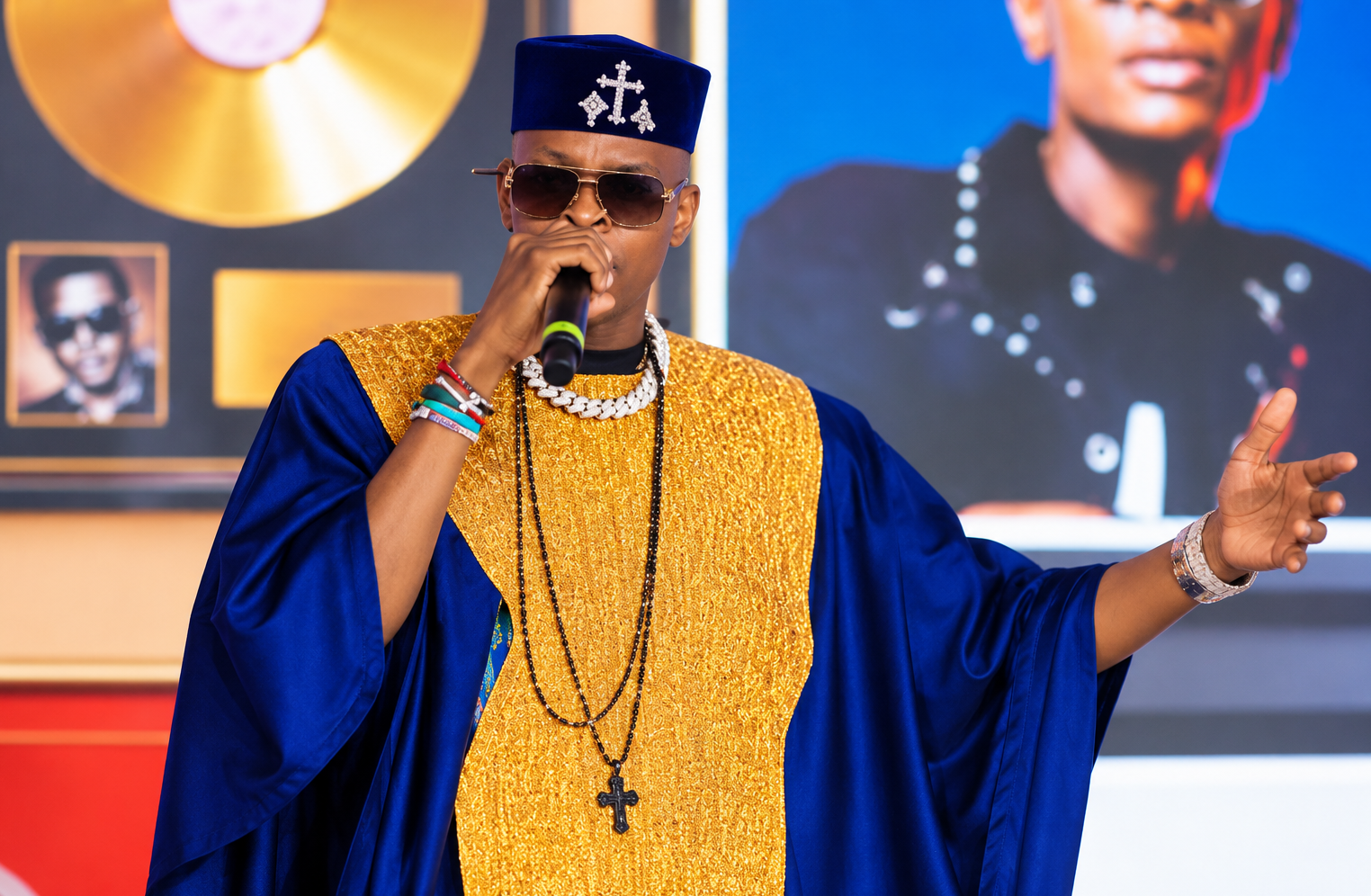
Four artists – Pilani Bubu, Maleh, Concord Nkabinde and Ralf GUM – tell Music In Africa how the fund enabled them to successfully implement different projects they were working on.
Maleh essentially started out as a teenage star after joining the Afropop band Kaya while in high school in Bloemfontein. The group released its debut album Kunzima in 2005 and went on to win the Best Newcomer Award at the Metro FM Awards in the same year. However, it wasn’t until she left the group in 2007 to pursue her studies and a solo career that she discovered how difficult it was to venture out on her own.
“After leaving the group, I had to rediscover myself as a solo artist,” she says. “It was a very interesting time for me, as I had been comfortable for many years being part of a band, where most of the creative decisions were made by the original members, and because they were such great songwriters, most of the songs were written by them. Finding my own voice and own identity was the greatest challenge at that point, and also deciding on my artistic direction was one of the main things I had to conceptualise for myself.”
Even more daunting was finding the right support: access to facilities and assistance to secure a record deal. “The major challenge was finding people with studios who were willing to help me in the creative process. The other main challenge was finding labels that were willing to listen to my work. Getting a recording contract those days was one of my life’s biggest missions.”
Nevertheless, she pushed on, joining SAMPRA in 2010 after the release of her debut solo album Step Child. It’s this association with SAMPRA that would see her receive funding for music production in 2021.
“I benefited from the funding after I found out during the lockdown that SAMPRA was offering support to artists involved in different endeavours but facing financial difficulties. At the time, I was in the middle of creating my first independent album and was certainly in need of the capital. I wrote my proposal and project plan and submitted it. My proposal was funded and that’s how I was able to complete the Lerato Laka album and launch it in 2022.”
Pilani Bubu wears many hats. She is a singer, songwriter, TV host, ‘design thinker’, interior stylist and creative entrepreneur.
“I quit my corporate job in 2011 to pursue all my passions,” she says. “I like to think of myself as a storyteller and an intentional performer. I love to tell stories of identity – of where I come from, my people, our social constructs, the things that move us, the things that are happening to us and the things that are happening to me that shape all of us. I also love telling stories of influence and inspiration. Influencing people to shift their own consciousness, for social justice, or social activism and creative activism.”
However, for this creative polymath, who is behind five albums and doubles up the founder and director of the Folklore Festival, nothing could have prepared her for the resources and hard work one would need to put in to be successful.
“Starting out as an artist was a liberating, beautiful discovery of self. But in that process were also some of my greatest challenges. It’s been a real learning curve for me, realising that the entertainment industry in South Africa is really in its infancy, breaking ideals and unlearning what I thought would be and accepting what is. That most of the hard work I would do myself and music managers were few and far between. Understanding that the breakthrough moment or a hit song are not the only driving factors of a music career. I had to quickly go DIY and embrace being an independent artist. I had to learn to be so many people in one: graphic designer, promoter, event producer and more – being self-managed, self-funded and self-published. I had to embrace the saying that it takes 10 years to become an overnight success and remain persistent and continue to focus on growth and the purpose behind my music and what I am trying to do in the music.”
Although Pilani didn’t become a SAMPRA member until 2020, she is glad she did. “They [SAMPRA] are accessible and transparent when it comes to the notification process and even when applying for funding. Their process is easy and fair.”
What’s more, she benefited from having four different projects funded by SAMPRA – two international tours, a festival sponsorship and music production for an orchestral piece.
“The fund has been an incredible tool for productivity and growth. I can’t imagine not having had SAMPRA to launch my Folklore Festival in Year 1 and my travels to Portugal, the UK, Kenya and France for my Folklore and Konke album tours in the last 12 months. The bill for touring is insane and even with the incredible and substantial funding I received from SAMPRA, I made a loss at the release of my album in France but broke even on some of my tours in 2022 and 2023. The latter is much better than making a loss. They have truly made a difference to my music career, both locally and globally,” she says.
Well-known bassist Concord Nkabinde joined SAMPRA in 2015, having been a member of POSA (the Performer’s Organisation of South Africa) since 2010 after POSA merged with SAMPRA.
The revered musician has worked with the likes of Abdullah Ibrahim, Zim Ngqawana, Joyous Celebration, Ladysmith Black Mambazo, Arno Carstens, Ray Phiri, Roy Ayers, Vusi Mahlasela and Miriam Makeba, among many others.
He says one of the initial challenges he faced as a musician was the absence of accessible role models to offer guidance during the early stages of his career. “Even when I eventually connected with some later on, I soon realised that their knowledge about the music industry, especially its business aspects, was rather limited,” Nkabinde says, adding that this is the reason he started the Ladies on Bass workshops.
“When I started the Ladies on Bass project, SAMPRA was one of the sponsors that assisted us with funding. As a SAMPRA member, I felt honoured that one could receive assistance towards establishing a project that is meant to make a lasting impact in developing the next generation of musicians and addressing the gender equality challenges.”
When German electro producer Ralf GUM first visited South Africa in 2008, the Rainbow Nation’s music industry made such an impression on him that he decided to move there permanently in 2012. “The music scene in South Africa is one of the most interesting in the world. It’s a dance nation and I wanted to be right at the heart of it,” he says.
After joining SAMPRA, not long after his relocation, he was pleased to learn that he could receive his royalties going back years before becoming a member. Having immersed himself in the local dance music scene, he noticed that there were huge knowledge gaps that hampered the growth of the industry and success of young musicians. Through his GOGO Music label and Dance Music Summit, he decided to start organising dance music industry workshops in Bloemfontein, Pretoria and Polokwane in 2022, and with the support of SAMPRA Development Fund these were a success.
Learn more about the SAMPRA Development Fund here.


Most popular

Top Naija songs of 2026
31 Mar 2026
Ghana: Mr Eazi and MOLIY’s ‘Comfort’ earns Urban Music Awards nomination
21 Oct 2026

Top Afrobeats songs of 2026
19 Mar 2026

Top amapiano songs of 2026
16 Feb 2026
Open call: CANEX Music Business Lab and Songwriting Camp
15 Oct 2026
Nigeria: CANEX WKND unveils 2026 programme
21 Oct 2026
Disclaimer: Music In Africa provides a platform for musicians and contributors to embed music and videos solely for promotional purposes. If any track or video embedded on this platform violates any copyrights please inform us immediately and we will take it down. Please read our Terms of Use for more.

Subscribe to our monthly Newsletter
Follow us on social media


Please log in to post a comment.