

















































TikTok has started automatically labelling AI-generated content (AIGC) from certain platforms to promote safe and informed usage.
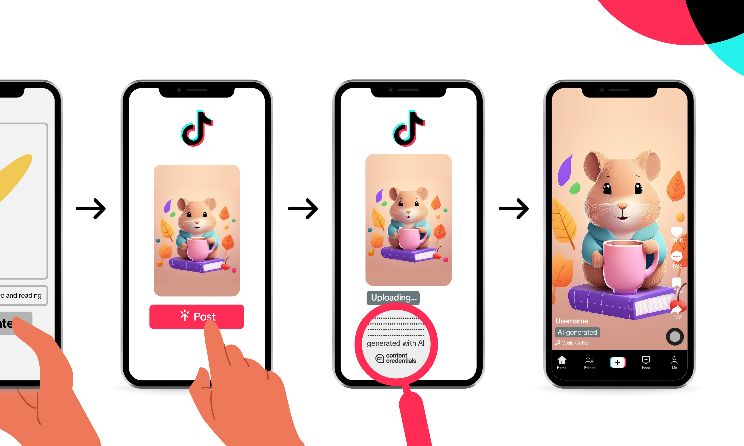
To implement this, the Chinese-owned short-form video platform, which boasts over 1 billion monthly active users and 4.1 billion downloads, has teamed up with the Adobe-founded Content Authenticity Initiative (CAI) and the Washington-based Coalition for Content Provenance and Authenticity (C2PA). The collaboration will allow TikTok the use of the C2PA’s content credentials technology to show the source of a video and whether it was made using AI or not.
“Labelling helps make that context clear – which is why we label AIGC made with TikTok AI effects and have required creators to label realistic AIGC for over a year,” a statement reads. “We also built a first-of-its-kind tool to make this easy to do, which over 37 million creators have used since last fall.”
“With TikTok’s vast community of creators and users globally, we are thrilled to welcome them to both the C2PA and CAI as they embark on the journey to provide more transparency and authenticity on the platform,” Adobe general counsel and chief trust officer Dana Rao said. “At a time when any digital content can be altered, it is essential to provide ways for the public to discern what is true. Today’s announcement is a critical step towards achieving that outcome.”
Additionally, TikTok says it is focused on educating its users about AIGC, working on resources with experts from organisations like MediaWise and WITNESS to help users make informed decisions about the content they consume and share.
TikTok’s collaboration with MediaWise involves 12 instructional videos throughout the year, stressing essential media literacy skills and illustrating how features like AIGC labels on TikTok can provide additional context to content. Furthermore, TikTok intends to initiate a campaign aimed at increasing awareness about AI labelling and the possible misleading aspects of AIGC. This campaign will consist of a collection of videos crafted under the guidance of experts from WITNESS.
“Our Teen Fact-Checking Network has built an audience with innovative media literacy videos on TikTok since 2019,” MediaWise director Alex Mahadevan said. “Five years later, we’re thrilled to empower even more people to separate fact from fiction online.”
In related news, TikTok’s new joint agreement with Universal Music Group stresses a commitment to safeguarding human creativity and the financial rights of artists and songwriters in the music industry amidst AI advancements.
Last month, after US President Joe Biden signed a law mandating ByteDance to sell its American operations or risk a nationwide ban, TikTok responded by filing a lawsuit against the US government, citing concerns about cutting off US users from international content, restrictions on source code transfer and investments made to address privacy and security issues.


Most popular
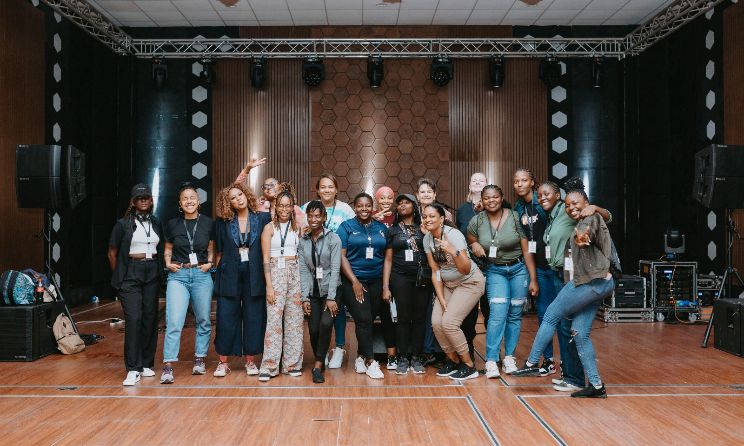
Open call: 2026 Gender@Work music industry training in Johannesburg
09 Oct 2026

Top amapiano songs of 2026
16 Feb 2026

Top Naija songs of 2026
31 Mar 2026
Call for applications: ACCES 2026 Emerging Artist Spotlight Competition
01 Oct 2026

Top Afrobeats songs of 2026
19 Mar 2026
AFRIMA 2026: All the winners
12 Jan 2026
Disclaimer: Music In Africa provides a platform for musicians and contributors to embed music and videos solely for promotional purposes. If any track or video embedded on this platform violates any copyrights please inform us immediately and we will take it down. Please read our Terms of Use for more.

Subscribe to our monthly Newsletter
Follow us on social media


Please log in to post a comment.