





































NEFCISA
NEFCISA

The Music In Africa Foundation (MIAF) is proud of its partnership with the Industrial Development Corporation (IDC) as a Strategic Implementing Partner (SIP) for its Social Employment Fund (SEF). Through this collaboration, MIAF is running a national programme that is creating jobs, addressing skills gaps, and strengthening South Africa's creative industries — in line with the SEF's overarching goal to generate work for the common good and build community value through employment, social contribution, and inclusive economic participation. Operating under the banner NEFCISA (National Employment Facility for Creative Industries in South Africa), the initiative is recruiting and training participants, matching them with host organisations, and has already placed 1 500 workers across the country — surpassing its original target of 1 000. NEFCISA is delivered through a network of 20 host organisations spanning five provinces, who are actively hosting participants and contributing to work for the common good across South Africa's creative and cultural industries. Key Objectives: Support employment and entrepreneurship in the creative industries. Offer skills development and training programmes. Foster partnerships between public and private creative sectors. Promote South African creativity at both provincial and national levels Foster community development through social contribution.

ACCES
ACCES

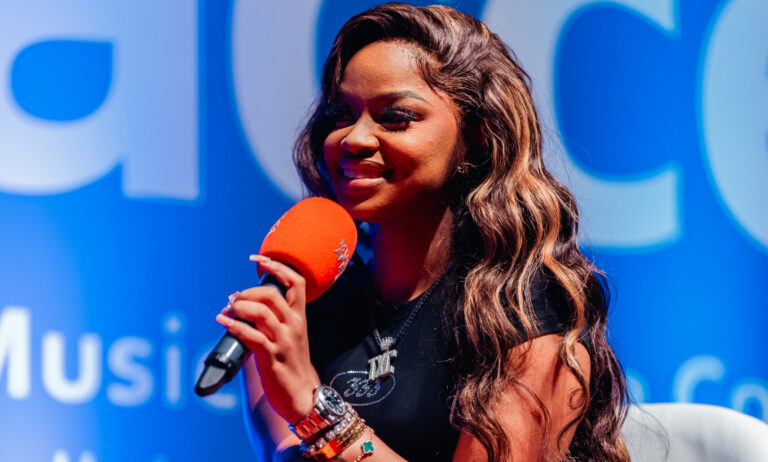
ACCES Conference and Showcase Festival is Africa's leading music industry gathering, bringing together the people shaping the future of the continent's music business. Artists, entrepreneurs, executives, investors, policymakers and cultural leaders from across Africa and around the world come to ACCES to build partnerships, exchange ideas, discover talent and create new business opportunities. Since its launch in 2017, ACCES has become the continent's premier platform for professional exchange and music market development. Combining a high-level conference with a curated showcase festival, networking, exhibitions and industry programmes, ACCES offers a unique space where creativity meets business and where African music connects with the global industry.

Gender@Work
Gender@Work

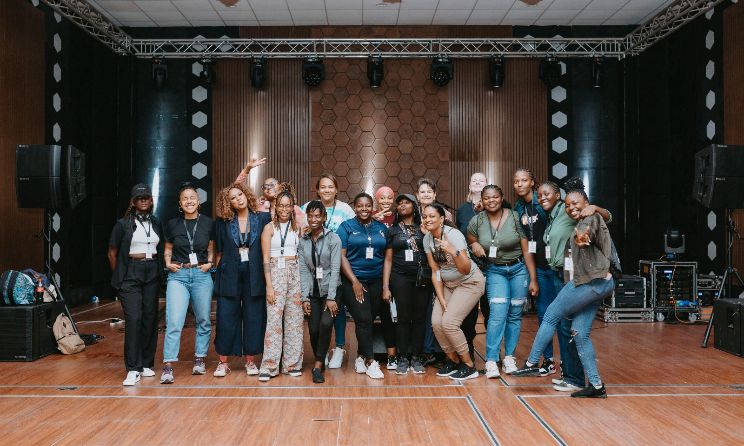
Music In Africa Gender @ Work is a three-year training programme aimed at upskilling and increasing the participation of female professionals in the African music sector. Launched by the Music In Africa Foundation (MIAF) in April 2019, the programme is connected to the MIAF’s ACCES music conference – a pan-African event held in a different African country every year. This connection enables the programme to reach new participants in a different African country every year. The programme marks the beginning of a more concerted effort by the Foundation to support the participation and inclusion of women in all facets of its programmes and the music sector in Africa as a whole. Over the three years, the programme will aim to address gender imbalances in the sector through training, lobbying, facilitating knowledge exchange and dialogues that foster the interest of women. The broader objectives of the programme are to: Provide industry training for women on critical music industry skills, focusing on: Stage management Electronic music production and recording Music business management Technical knowledge Provide an opportunity for both professional and aspiring women to benefit from the Music In Africa network and its broad range of activities in 2019, 2020 and 2021. Provide a solution-based platform in the form of a round table at ACCES with a view to identify challenges, discuss opportunities and lobby for the interests of female practitioners. Offer participants the opportunity to benefit from programmes offered by MIAF’s partners. Increase access to educational materials. Integrate participants in the broader ACCES programme to maximise experience and exposure to the industry. Record and present training materials on the www.musicinafrica.net, including but not limited to tutorials, templates and other best-practice materials. Communicate women-based themes that support the initiatives and messages of the programme. MAIN TRAINING ACTIVITIES Training in first country (Ghana): In the first year, participants will be trained on all aspects of stage management by a team of experienced stage managers from 10 to 17 November 2019. The programme will offer robust classroom training as well as practical, hands-on training in which participants will also be given the opportunity to manage various aspects of the ACCES performance programme. Training in second country: The second training iteration will take place at ACCES 2020 when the programme will diversify its course to include music production lessons and training on other music business topics. A round-table platform will also be introduced to coincide with the ACCES programme. Training in third country: The third training iteration will take place at ACCES 2021 in a different country, offering an advanced course. HOW DO YOU GET INVOLVED?  As a participant, facilitator or trainer: The programme enrolls up to 12 trainees every year. All opportunities are advertised publicly on this website, and will be added to this page. Please keep checking this page for new calls (below under UPDATES & CURRENT OPPORTUNITIES). As a partner Please contact Claire Metais at [email protected]. APPLY The call for applications for 2020 will be announced soon. The Music In Africa Gender @ Work programme is made possible with the support of the Prince Claus Fund, Siemens Stiftung and Goethe-Institut.

Sound Connects Fund
Sound Connects Fund

For cultural and creative practitioners and organisations operating in southern Africa, access to funding remains a major challenge. The COVID-19 pandemic has also had a massive impact on government policy, spending and the economy in general, and has seen spending on culture being moved further down the list of priorities. Further, the cultural and creative industries repeatedly cite four main areas where investment is needed for growth, which are increased visibility, mobility including access to new markets, finance and support structures.

Instrument Building And Repair Project

Experience the Vibrations African Instruments Exhibition online in 3D

Features

Top 5: Political references in Nigerian rap

21 Nov 2018 - 10:04

cc-img flag-img

With the campaign for the 2019 elections officially open in Nigeria, a number of prominent personalities have said they would be running for political office.
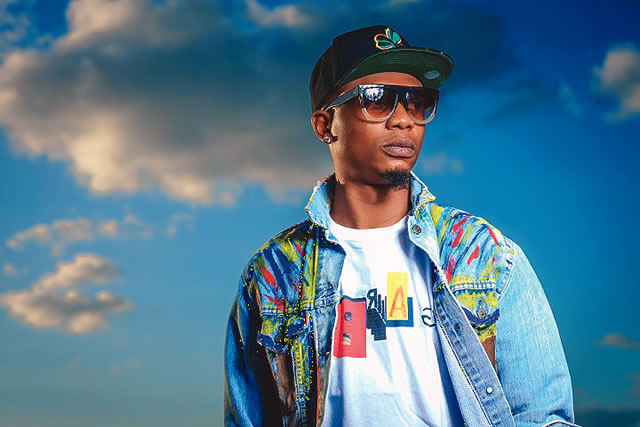
In several songs, Nigerian rappers, including Reminisce, have referenced local politics.

The current president and a former vice president have both announced that they will be running for the country's highest office in what is shaping up to be the country's most keenly contested presidential elections since Nigeria became a democratic state in 1999.

Music In Africa contributor Osareme Edeoghon scours Nigerian rap music for political references. The lines reference newer political issues as well as old ones. Let us know if you disagree with the order of the list or the list itself.

5. Vector: King Kong

Following a feud with Reminisce, Vector released 'King Kong'—a song with as many remixes as Olamide’s 'Who You Epp' and Reminice’s 'Ponmile' has got samples. In one of them, Vector declares,

I’m the hottest in the game
I’m the fire
shey?
I run Ekiti (a kitty)—a girl
Fayose

A bit corny and maybe cheesy, but it must be borne in mind that Fayose, the controversial former governor of Ekiti state was at some point the most debated political figure in Nigeria.

4. MI: Another Thing! Do Not Be A Groupie

In 'And Another Thing Don't Be A Groupie' off his 2018 album, A Study of Self Worth: Yxng Dxnzl, MI Abaga berates fellow rappers who have sold their soul for fame or lost focus in pursuant of popularity and money. He asks:

But why am I expecting more
When half of APC were PDP before?

The line is brilliant, not only in how it conveys the disappointment of a section of the populace with the current political climate but it is also wittily expressed. The song talks about loyalty and challenges rappers to stay true, a message that can be extended to Nigeria's political class. One example: The current People's Democratic Party (PDP) flagbearer used to be in All People's Congress (APC) and before then PDP and before then AC (Action Congress) and before then PDP.

3. Reminisce: Fela

I dey control election, Jega

This may not be Reminisce’s most outstanding political reference but it is fitting in view of the forthcoming elections.

This line comes from the chorus of Fela on Baba Hafusa. It acknowledges Attahiru Jega who oversaw perhaps Nigeria’s most accountable election since 1993. But its brilliance lies in the use of the word ‘control’ which is apt for Jega’s much-celebrated calmness, a quality best seen in his reaction to Godsday Orubebe eruption during the last elections.

Anything besides Jega’s pacific control at that crucial moment might have upended the elections. The moment has been immortalised on YouTube. Reminisce provides a sonic memento.

2. Jesse Jagz: Jargo

In 2009, when Musa Yar’Adua left Nigeria for treatment in Saudi Arabia, no one thought he wouldn’t come back fully healthy just as no one envisaged that his ordeal would be well alluded to by a rapper. On 'Jargo', Jesse Jagz did just that:

My flow sicker than the president
I insist I’m the one needing that dialysis

The line refers to a person’s suffering without ridicule. It is different from Olamide’s "Omo to dope die bi ti Whitney", which might be brilliant but also insensitive.

Perhaps Nigerian rappers have become lazy or just not interested in using the many political happenings. With the current political climate in Nigeria and the current president’s many health-related trips abroad, Jesse’s Jagz line should have had a successor.

1. Olamide: Hustle Loyalty Respect

Won ni oye ka ni beef
Beef is part of
hiphop
Bi wonse ko eyin Yoruba si ra won laye Awolowo
Ibile United; igi kan ko le dagbo se

To get a handle of what Olamide is up to here, you need some knowledge of Nigerian politics in the 1960s, especially as concerning the Western Region.

In the sixties, Obafemi Awolowo and SL Akintola were at loggerheads as to the direction of the region. While Akintola felt that the west was better allied with the north, Awolowo distrusted the northern oligarchs and opted for an alliance with the east—that and a few other episodes threw the region into bloodshed and a decade-long feud. The top two political figures of the era refused to let go of personal ambitions for the region’s safety and progress. Some have suggested that the military coup that followed and the resulting civil war can be traced to this disagreement.

The beauty of what Olamide did with this reference was that he borrowed from this history and applied it to his relationship with Reminisce. They are the Awo and Akintola of the modern rap game and rather than allow the feud of the sixties repeat itself, they decided to shelve their differences. That this decision has profited both men is evident in their dominance.

Please log in to post a comment.

Most popular

Disclaimer: Music In Africa provides a platform for musicians and contributors to embed music and videos solely for promotional purposes. If any track or video embedded on this platform violates any copyrights please inform us immediately and we will take it down. Please read our Terms of Use for more.

newsletter banner

Subscribe to our monthly Newsletter

Follow us on social media