

















































On 30 June 2015, Apple Music made its entry into the music streaming space, following much cheerleading from Apple. Unless you are part of the Apple ‘fan-boys’, the arrival itself is by no means anything special. So what does the new platform mean for African musicians and music fans?
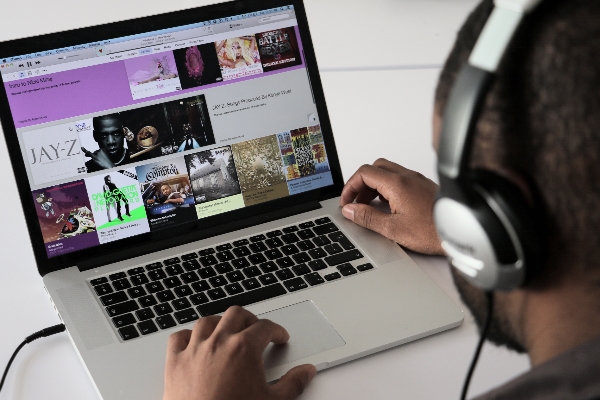
Like other Apple products, Apple Music is not the first of its kind. It is, if you like, something of a Spotify offspring. Apple has learned a lot from the challenges that international brands like Spotify have faced in the past. For example, the major problem with Spotify and the one thing that makes it irrelevant to African music is that it is not available here. Apple Music offers an African music catalogue and is definitely a force to be reckoned with in the local sector.
Curated listening: good news for underground artists?
Apple Music boasts that, unlike most platforms, it does not select its music through computer algorithms but by having dedicated curators who physically select what users listen to. This makes for a better listening experience, the company argues. At face value, this is amazing news for artists because algorithms tend to focus on what is popular, ignoring what still needs to be discovered.
The idea of curators suggests that, if their ear listens attentively and wide enough, artists not headlining the mainstream in Africa can still stand a chance of being selected and featured in Apple Music. This is only in theory, however, because Apple does not appear to be translating this into practise. This ethos of Apple Music will be tested both during the initial free trial period and after.
With one look at Apple Music’s African library, one can see that it features mostly well-known artists and popular African music, but the real challenge for it is whether it truly acknowledges African music or simply farms its data from what is already popular. Compared to the rest of the continent, the South African catalogue currently has a far wider reach, with playlists like ‘One Night in Soweto’ and ‘Township Favourites’. It must be said, however, that many of the songs here do not offer listeners anything beyond what is already playing on radio and TV.
Despite this, Apple Music is still a great platform for artists. The best thing about the service for musicians is that their music can easily go global if enlisted on the platform, where one can already find playlists for popular African giants such as P-Square, Yemi Alade, D’Banj and others.
Promoting international interest in African music?
The bigger hurdle might be in Apple Music users themselves, who might not be familiar with African music. This is the nucleus of it: nobody knows if someone from Norway, for example, will even bother with looking into the African Music section.
Beats 1, Apple Music’s radio station, appears to be putting African music at the forefront of the platform. Julie Adenuga, one of its DJs, recently played a set of only African music. Though it was limited to a few songs, this might lure people into looking deeper at the African Music category on Apple Music.
In the front-end of Apple Music - in its For You, New, Radio, and Connect sections - it appears to not show African Music in its interface. It only shows it once one goes into its Apple Curators section. The artists also show up in the front page if a user favourites and likes them.
Looking at Apple Music in comparison to other music streaming services from Africa, it is easy to see that it has good chances to succeed in securing a broad, popular African library and more users in Africa. Having said that the service will most likely fail to achieve the same success in attaining a wide African music collection that caters for both popular and emerging artists.
Depth and diversity?
One can argue that for Apple Music it is a lot harder to curate music for niche markets, and that thecuration process therefore needs to be relevant and effective. Herein lies the problem. Beyond hosting popular music from Africa, Apple Music needs to have curators in Africa that curate beyond the typical exported music and include exciting new trends that are unfolding in every corner of the continent. Finding African curators could enable Apple to look and listen deeper and wider than what is on the surface.
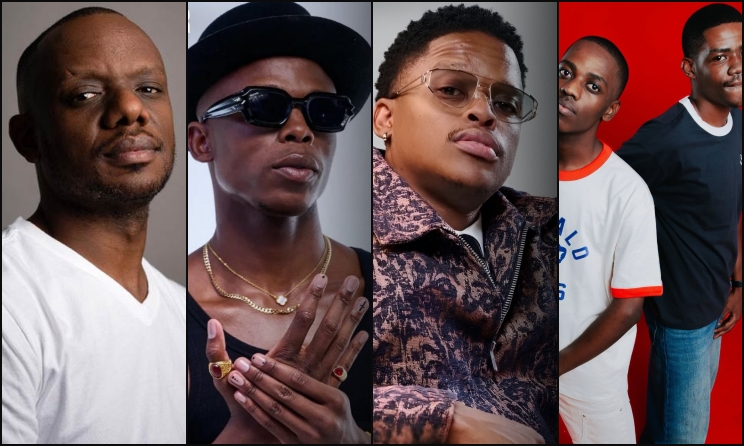
The African catalogue on Apple Music seems to cater largely for listeners who want a generic idea of what is going on in ‘African music’. Artist such as Nozinja, The Muffinz and Dele Sosimi – all already established in the global market - will show up in the catalogue, but that is not enough. Countries that no one is presently casting an eye on because they have not exported their artists’ music will most likely remain neglected.
Competition?
There is no doubt that African music is growing and that there is an enormous space for services like Apple Music to exploit it. According to CNBC, the Nigerian industry alone produces over 550 albums of different kinds of music annually and over the past five years, record sales have more than tripled. Industry stakeholders also forecast that the Nigerian industry could be worth one billion dollars by 2016.
However, Apple Music is not the first streaming service. In Africa, numerous local and regional platforms have emerged in recent years. For example, Nigerian music streaming service iRoking is rapidly growing to cater for a broader African audience. Other platforms - such as Spinlet, Waabeh, Grumi (with its own radio station), BIGxGh, Orin, Mdundo, Mziiki, Tigo Music and others - can also look at themselves as possible competitors to Apple Music. They all have a relative advantage in the fact that they seem to have a deeper sense of what is really happening in African music.
Apple Music will not harm African music - but until it truly prioritises it and its curators listen more carefully to it, Africa and its people will not benefit much compared to other parts of the world.
Infographic by IHS


Most popular

Top Naija songs of 2026
31 Mar 2026
Ghana: Mr Eazi and MOLIY’s ‘Comfort’ earns Urban Music Awards nomination
21 Oct 2026

Top Afrobeats songs of 2026
19 Mar 2026

Top amapiano songs of 2026
16 Feb 2026
Open call: CANEX Music Business Lab and Songwriting Camp
15 Oct 2026
Nigeria: CANEX WKND unveils 2026 programme
21 Oct 2026
Disclaimer: Music In Africa provides a platform for musicians and contributors to embed music and videos solely for promotional purposes. If any track or video embedded on this platform violates any copyrights please inform us immediately and we will take it down. Please read our Terms of Use for more.

Subscribe to our monthly Newsletter
Follow us on social media


Please log in to post a comment.