
































NEFCISA
NEFCISA

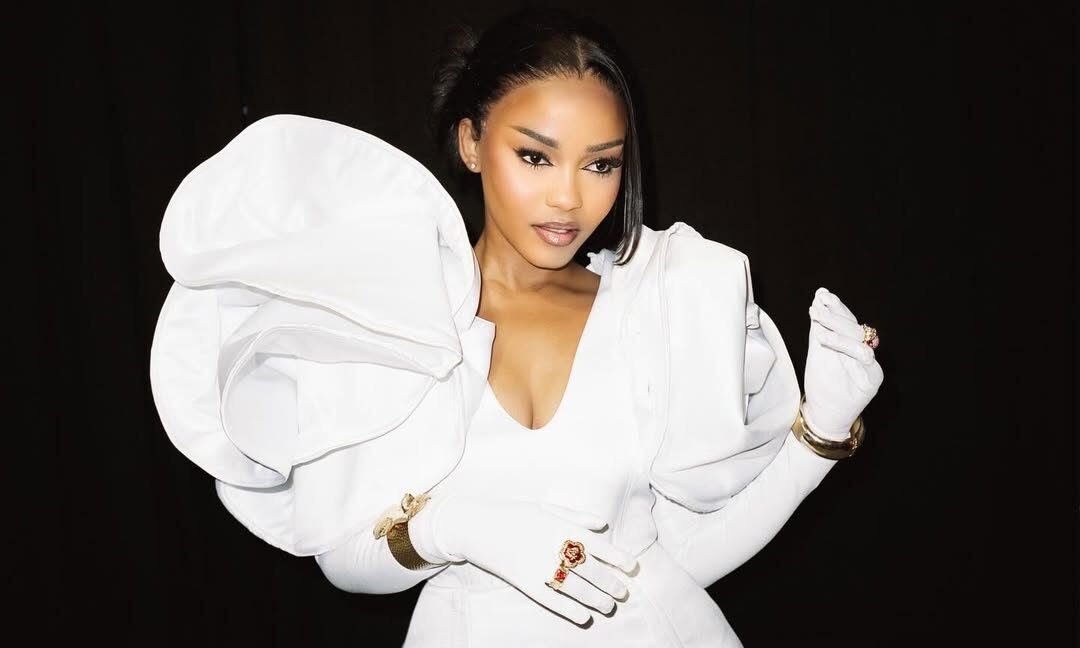
The Music In Africa Foundation (MIAF) is proud of its partnership with the Industrial Development Corporation (IDC) as a Strategic Implementing Partner (SIP) for its Social Employment Fund (SEF). Through this collaboration, MIAF is running a national programme that is creating jobs, addressing skills gaps, and strengthening South Africa's creative industries — in line with the SEF's overarching goal to generate work for the common good and build community value through employment, social contribution, and inclusive economic participation. Operating under the banner NEFCISA (National Employment Facility for Creative Industries in South Africa), the initiative is recruiting and training participants, matching them with host organisations, and has already placed 1 500 workers across the country — surpassing its original target of 1 000. NEFCISA is delivered through a network of 20 host organisations spanning five provinces, who are actively hosting participants and contributing to work for the common good across South Africa's creative and cultural industries. Key Objectives: Support employment and entrepreneurship in the creative industries. Offer skills development and training programmes. Foster partnerships between public and private creative sectors. Promote South African creativity at both provincial and national levels Foster community development through social contribution.

ACCES
ACCES

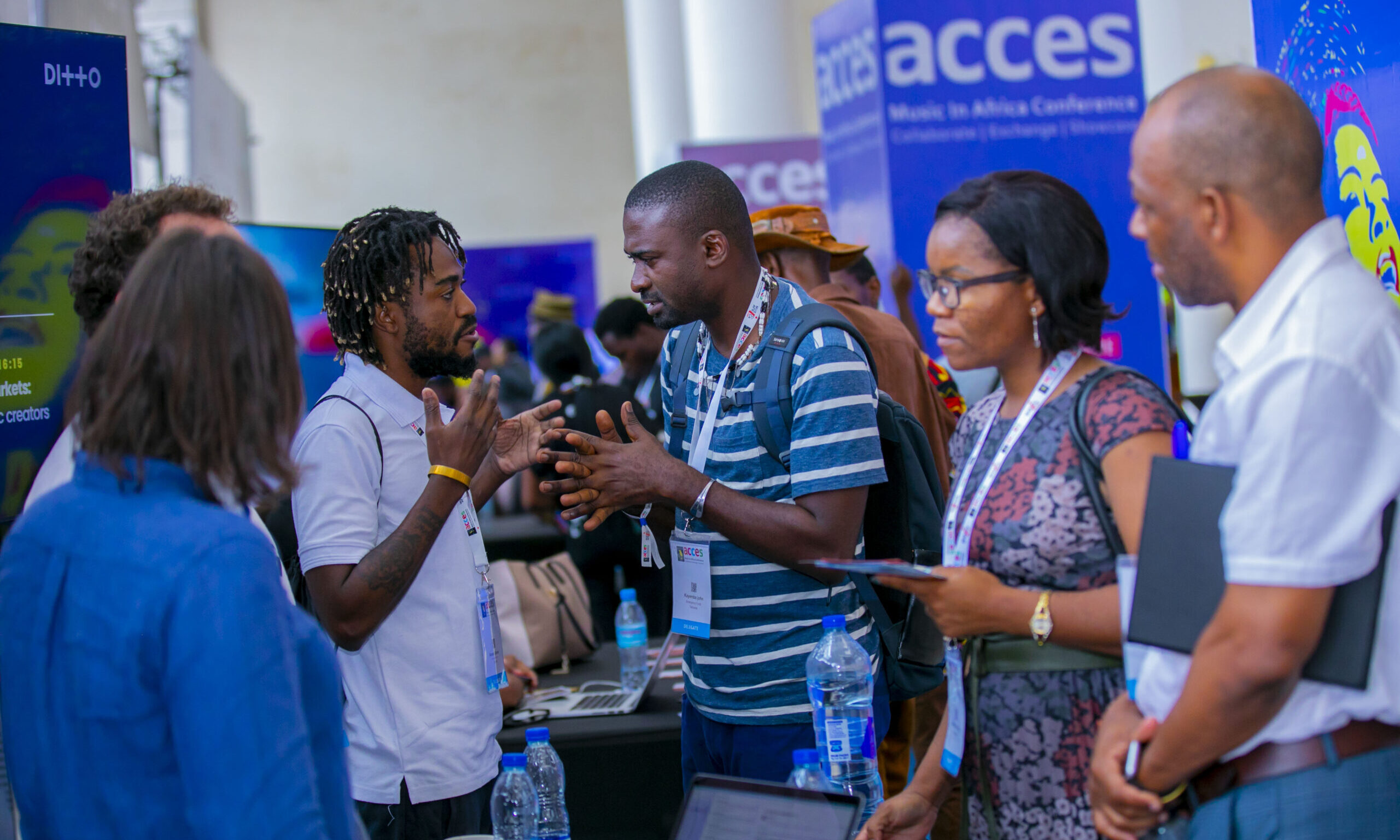
ACCES Conference and Showcase Festival is Africa's leading music industry gathering, bringing together the people shaping the future of the continent's music business. Artists, entrepreneurs, executives, investors, policymakers and cultural leaders from across Africa and around the world come to ACCES to build partnerships, exchange ideas, discover talent and create new business opportunities. Since its launch in 2017, ACCES has become the continent's premier platform for professional exchange and music market development. Combining a high-level conference with a curated showcase festival, networking, exhibitions and industry programmes, ACCES offers a unique space where creativity meets business and where African music connects with the global industry.

Gender@Work
Gender@Work

Music In Africa Gender @ Work is a three-year training programme aimed at upskilling and increasing the participation of female professionals in the African music sector. Launched by the Music In Africa Foundation (MIAF) in April 2019, the programme is connected to the MIAF’s ACCES music conference – a pan-African event held in a different African country every year. This connection enables the programme to reach new participants in a different African country every year. The programme marks the beginning of a more concerted effort by the Foundation to support the participation and inclusion of women in all facets of its programmes and the music sector in Africa as a whole. Over the three years, the programme will aim to address gender imbalances in the sector through training, lobbying, facilitating knowledge exchange and dialogues that foster the interest of women. The broader objectives of the programme are to: Provide industry training for women on critical music industry skills, focusing on: Stage management Electronic music production and recording Music business management Technical knowledge Provide an opportunity for both professional and aspiring women to benefit from the Music In Africa network and its broad range of activities in 2019, 2020 and 2021. Provide a solution-based platform in the form of a round table at ACCES with a view to identify challenges, discuss opportunities and lobby for the interests of female practitioners. Offer participants the opportunity to benefit from programmes offered by MIAF’s partners. Increase access to educational materials. Integrate participants in the broader ACCES programme to maximise experience and exposure to the industry. Record and present training materials on the www.musicinafrica.net, including but not limited to tutorials, templates and other best-practice materials. Communicate women-based themes that support the initiatives and messages of the programme. MAIN TRAINING ACTIVITIES Training in first country (Ghana): In the first year, participants will be trained on all aspects of stage management by a team of experienced stage managers from 10 to 17 November 2019. The programme will offer robust classroom training as well as practical, hands-on training in which participants will also be given the opportunity to manage various aspects of the ACCES performance programme. Training in second country: The second training iteration will take place at ACCES 2020 when the programme will diversify its course to include music production lessons and training on other music business topics. A round-table platform will also be introduced to coincide with the ACCES programme. Training in third country: The third training iteration will take place at ACCES 2021 in a different country, offering an advanced course. HOW DO YOU GET INVOLVED?  As a participant, facilitator or trainer: The programme enrolls up to 12 trainees every year. All opportunities are advertised publicly on this website, and will be added to this page. Please keep checking this page for new calls (below under UPDATES & CURRENT OPPORTUNITIES). As a partner Please contact Claire Metais at [email protected]. APPLY The call for applications for 2020 will be announced soon. The Music In Africa Gender @ Work programme is made possible with the support of the Prince Claus Fund, Siemens Stiftung and Goethe-Institut.

Sound Connects Fund
Sound Connects Fund

For cultural and creative practitioners and organisations operating in southern Africa, access to funding remains a major challenge. The COVID-19 pandemic has also had a massive impact on government policy, spending and the economy in general, and has seen spending on culture being moved further down the list of priorities. Further, the cultural and creative industries repeatedly cite four main areas where investment is needed for growth, which are increased visibility, mobility including access to new markets, finance and support structures.

Instrument Building And Repair Project

Experience the Vibrations African Instruments Exhibition online in 3D

banner image

Appel ouvert : Atelier sur la découvrabilité des œuvres culturelles pour les journalistes francophones d'Afrique

Home/Non classé/Appel ouvert : Atelier sur la découvrabilité des œuvres culturelles pour les journalistes francophones d’Afrique

Contexte et justification

Dans un contexte de mondialisation et d’homogénéisation des pratiques culturelles, les industries culturelles francophones jouent un rôle clé dans la préservation de la diversité culturelle et linguistique. Elles valorisent les patrimoines locaux, soutiennent les expressions culturelles, et créent des moyens de subsistance durables, notamment pour les jeunes et les femmes. Contribuant à la croissance économique et au développement social, la culture et la créativité représentent 3,1 % du PIB mondial et 6,2 % des emplois (UNESCO, 2022).

Cependant, malgré le potentiel créatif et économique des filières culturelles dans l’espace francophone, notamment en Afrique, des défis subsistent. Les industries culturelles des pays du Sud, en particulier, peinent à assurer la diffusion et la découvrabilité de leurs œuvres, notamment sur les plateformes numériques. C’est dans ce cadre que l’OIF mène des actions de sensibilisation et de formation pour améliorer la découvrabilité des contenus culturels francophones, un enjeu crucial pour faciliter la transition vers le numérique.

Le besoin de mieux comprendre l’environnement numérique a été largement exprimé par les acteurs culturels lors des séances de sensibilisation au MASA et au FESPACO en 2022. Cette sensibilisation est essentielle pour permettre aux acteurs culturels d’Afrique francophone de promouvoir efficacement leurs œuvres en ligne.

Objectifs de l’atelier

Cet atelier s’inscrit dans la continuité de l’engagement de l’OIF en faveur de la formation des journalistes africains. Par le passé, l’OIF a organisé plusieurs ateliers de formation pour les journalistes culturels, notamment à Dakar (2017), Libreville (2017), Antananarivo (2017), et Saint-Louis (2019), renforçant ainsi les compétences des journalistes dans la critique culturelle et la promotion des industries créatives.

Avec cet atelier, l’OIF vise à soutenir la diffusion et la découvrabilité des biens et services culturels des pays francophones du Sud, tant au niveau national qu’international, en facilitant l’accès aux plateformes physiques et numériques.

De manière spécifique, il s’agira de :

  • Revisiter les fondamentaux du journalisme
  • Renforcer les capacités des journalistes culturels dans la compréhension et l’analyse des différents champs des industries culturelles et créatives
  • Familiariser les journalistes culturels avec le concept de découvrabilité et les enjeux de la diffusion des contenus culturels du Sud sur les plateformes numériques
  • Faciliter l’établissement de contacts et le partage d’expériences entre les journalistes culturels d’Afrique de l’Ouest et ceux d’Afrique centrale

Public visé

L’atelier s’adresse à 30 jeunes journalistes culturels (rédacteur d’articles, commentateur, animateur, présentateur de journaux parlés et télévisés, des sites d’information en ligne, blog, vlog, etc.), âgés de 18 ans à 35 ans, des pays d’Afrique de l’Ouest et du Centre, membres de la Francophonie, sélectionnés sur appel à candidatures

Modalités de participation

Les personnes intéressées à participer à cet atelier doivent adresser à l’OIF (voir contacts ci-dessous) un dossier contenant les informations suivantes :

  • La fiche d’inscription dûment renseignée (à télécharger ci-dessous)
  • Un curriculum vitae
  • Une lettre de motivation

Prise en charge

Les participants sélectionnés seront pris en charge par l’OIF

Résultats attendus

  • Les fondamentaux du journalisme sont revisités (éthique, déontologie, etc.)
  • Les enjeux et défis de la découvrabilité des œuvres culturelles africaines sont connus
  • Les connaissances des journalistes culturels dans le domaine des industries culturelles et créatives sont renforcées
  • Les journalistes culturels d’Afrique de l’Ouest et du Centre sont devenus les promoteurs des œuvres culturelles du Sud, y compris sur Internet ;

Modules indicatifs de formation

  • Les enjeux et les défis de la découvrabilité des œuvres culturelles africaines dans un contexte de numérisation généralisée de nos sociétés
  • Les spécificités du journalisme culturel
  • L’éthique et la déontologie du journalisme
  • Les formats de base du journalisme
  • Comment promouvoir les contenus culturels sur les plateformes numériques : étude de cas
  • Visite d’un centre d’art ou d’un lieu de mémoire et travaux pratiques

Dates et Lieu

  • 13 au 15 novembre 2024 à Lomé (Togo)

Important : une première prise de contact en ligne pourrait avoir lieu avant le début des cours en présentiel

Date limite de candidatures

  • 4 octobre 2024

Contacts

Direction de langue française dans la diversité des cultures (DLC)
Kanel Engandja Ngoulou, coordonnateur de projet
Courriel : [email protected]
 

Représentation de l’OIF pour l’Afrique de l’Ouest (REPAO)
Isabelle BA, Attachée de programme
Courriel : [email protected]

Documents à télécharger

newsletter banner

Subscribe to our monthly Newsletter

Follow us on social media