




























NEFCISA
NEFCISA

The Music In Africa Foundation (MIAF) is proud of its partnership with the Industrial Development Corporation (IDC) as a Strategic Implementing Partner (SIP) for its Social Employment Fund (SEF). Through this collaboration, MIAF is running a national programme that is creating jobs, addressing skills gaps, and strengthening South Africa's creative industries — in line with the SEF's overarching goal to generate work for the common good and build community value through employment, social contribution, and inclusive economic participation. Operating under the banner NEFCISA (National Employment Facility for Creative Industries in South Africa), the initiative is recruiting and training participants, matching them with host organisations, and has already placed 1 500 workers across the country — surpassing its original target of 1 000. NEFCISA is delivered through a network of 20 host organisations spanning five provinces, who are actively hosting participants and contributing to work for the common good across South Africa's creative and cultural industries. Key Objectives: Support employment and entrepreneurship in the creative industries. Offer skills development and training programmes. Foster partnerships between public and private creative sectors. Promote South African creativity at both provincial and national levels Foster community development through social contribution.

ACCES
ACCES

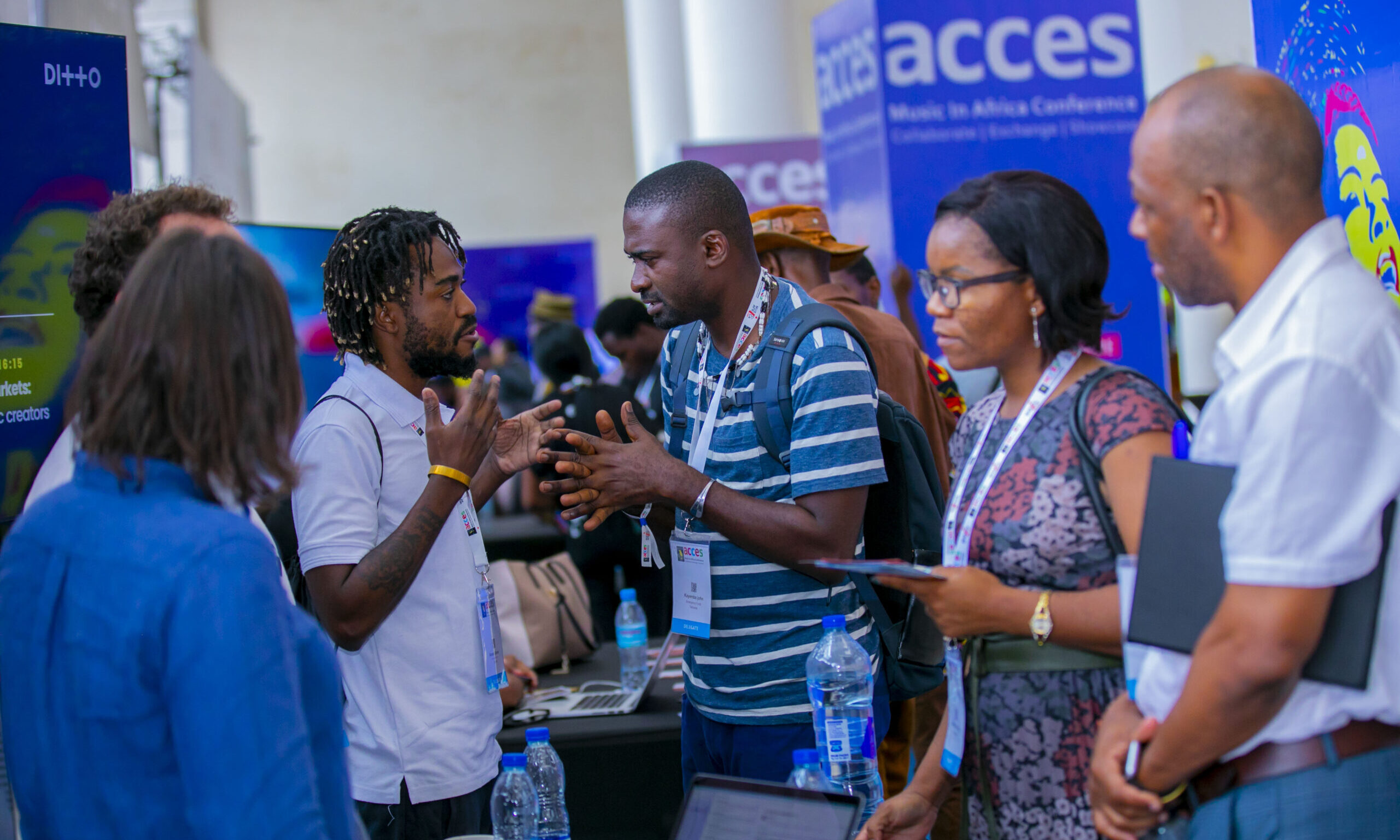
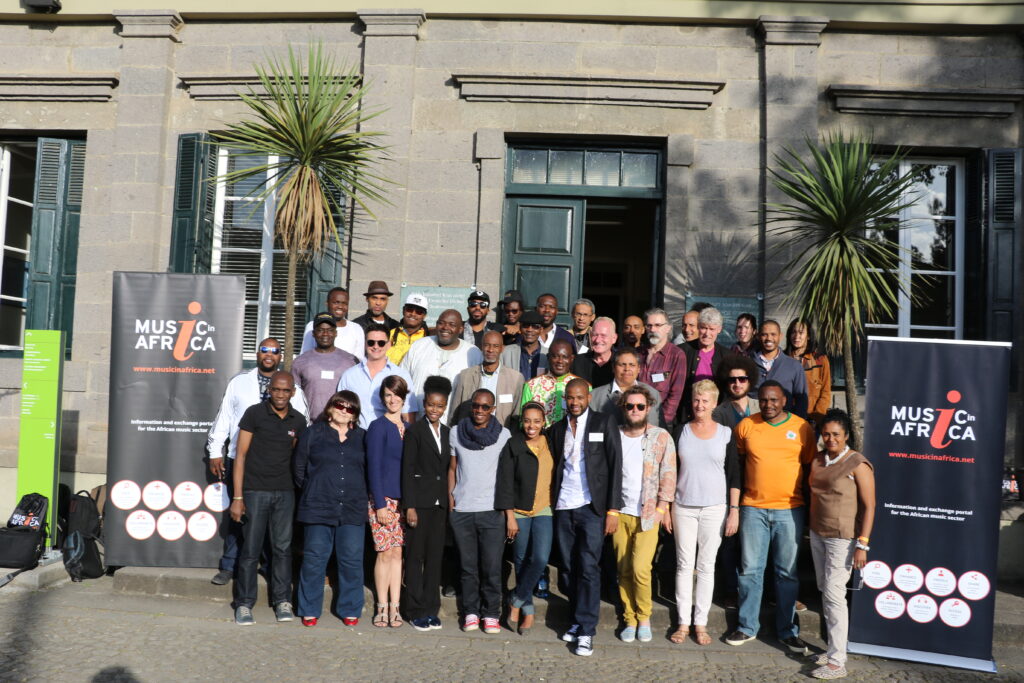
ACCES Conference and Showcase Festival is Africa's leading music industry gathering, bringing together the people shaping the future of the continent's music business. Artists, entrepreneurs, executives, investors, policymakers and cultural leaders from across Africa and around the world come to ACCES to build partnerships, exchange ideas, discover talent and create new business opportunities. Since its launch in 2017, ACCES has become the continent's premier platform for professional exchange and music market development. Combining a high-level conference with a curated showcase festival, networking, exhibitions and industry programmes, ACCES offers a unique space where creativity meets business and where African music connects with the global industry.

Gender@Work
Gender@Work

Music In Africa Gender @ Work is a three-year training programme aimed at upskilling and increasing the participation of female professionals in the African music sector. Launched by the Music In Africa Foundation (MIAF) in April 2019, the programme is connected to the MIAF’s ACCES music conference – a pan-African event held in a different African country every year. This connection enables the programme to reach new participants in a different African country every year. The programme marks the beginning of a more concerted effort by the Foundation to support the participation and inclusion of women in all facets of its programmes and the music sector in Africa as a whole. Over the three years, the programme will aim to address gender imbalances in the sector through training, lobbying, facilitating knowledge exchange and dialogues that foster the interest of women. The broader objectives of the programme are to: Provide industry training for women on critical music industry skills, focusing on: Stage management Electronic music production and recording Music business management Technical knowledge Provide an opportunity for both professional and aspiring women to benefit from the Music In Africa network and its broad range of activities in 2019, 2020 and 2021. Provide a solution-based platform in the form of a round table at ACCES with a view to identify challenges, discuss opportunities and lobby for the interests of female practitioners. Offer participants the opportunity to benefit from programmes offered by MIAF’s partners. Increase access to educational materials. Integrate participants in the broader ACCES programme to maximise experience and exposure to the industry. Record and present training materials on the www.musicinafrica.net, including but not limited to tutorials, templates and other best-practice materials. Communicate women-based themes that support the initiatives and messages of the programme. MAIN TRAINING ACTIVITIES Training in first country (Ghana): In the first year, participants will be trained on all aspects of stage management by a team of experienced stage managers from 10 to 17 November 2019. The programme will offer robust classroom training as well as practical, hands-on training in which participants will also be given the opportunity to manage various aspects of the ACCES performance programme. Training in second country: The second training iteration will take place at ACCES 2020 when the programme will diversify its course to include music production lessons and training on other music business topics. A round-table platform will also be introduced to coincide with the ACCES programme. Training in third country: The third training iteration will take place at ACCES 2021 in a different country, offering an advanced course. HOW DO YOU GET INVOLVED?  As a participant, facilitator or trainer: The programme enrolls up to 12 trainees every year. All opportunities are advertised publicly on this website, and will be added to this page. Please keep checking this page for new calls (below under UPDATES & CURRENT OPPORTUNITIES). As a partner Please contact Claire Metais at [email protected]. APPLY The call for applications for 2020 will be announced soon. The Music In Africa Gender @ Work programme is made possible with the support of the Prince Claus Fund, Siemens Stiftung and Goethe-Institut.

Sound Connects Fund
Sound Connects Fund

For cultural and creative practitioners and organisations operating in southern Africa, access to funding remains a major challenge. The COVID-19 pandemic has also had a massive impact on government policy, spending and the economy in general, and has seen spending on culture being moved further down the list of priorities. Further, the cultural and creative industries repeatedly cite four main areas where investment is needed for growth, which are increased visibility, mobility including access to new markets, finance and support structures.

Instrument Building And Repair Project

Experience the Vibrations African Instruments Exhibition online in 3D

Features

Finding my place through hip hop- a student’s reflection
21 Nov 2014 - 14:08

cc-img flag-img

By Margaret Wangui

If you asked me what hip hop was three months ago, I would have said that hip hop is rebellious and rude music which comprises of bad language and portrays women very negatively. Thankfully, my view has changed, ever since we had a different encounter with hip hop in a class offered by Daystar University, courtesy of our distinguished facilitators, Mr. Curtis Reed–a great model of Christian faith, and Black Skillz, a true icon of hiphop.This class was also unique because it integrated faith with hip hop.
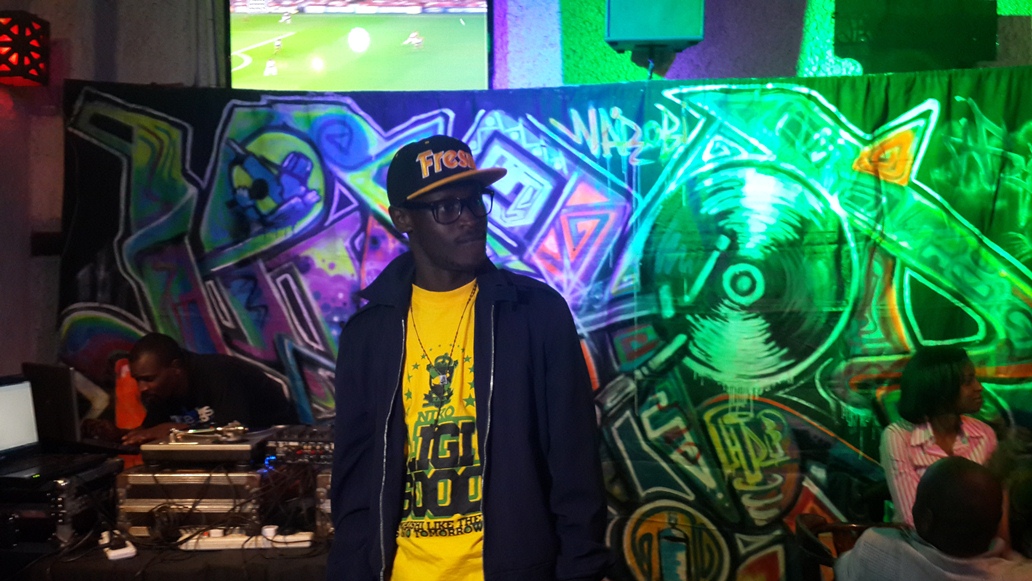
Rabbit_a_hip_hop_artist

I did not know what hip hop was until I listened to artists like Shai Linn’s song ‘False Teachers.’ In this song, Shai Linn encourages the listeners not to allow the so called men of God to discern what God’s purpose is for them; instead they should read the Bible for themselves and ask God to give them the wisdom.

“If you come to Jesus for money,” the song goes, “then He is not your God; money is.” Tupac Shakur is another artist who is an excellent pillar of hip hop. As a class, we listened to his song ‘Brenda got a baby’ which is a great composition that is very relevant to the youth and their need to make sound decisions when life is not so promising. We also learned about the roots of hip hop in jazz and in the African American struggle for freedom. It is from this class that I also learned that hiphop is an avenue of expression. We also watched a clip of ‘Strange fruit’ performed by Billy Holiday – such a passionate performer! Our first class, which was an introduction to hip hop, was held on 20th January 2014.

It was during this session that I learned how people have mistaken true hip hop with the kind we have been exposed to on radio and TV. Hip hop is an art of expression of what people are going through, and so I also realized the need and the importance of expressing ourselves to avoid dying on the inside while our outer appearance pretends to show that we are faring well. In yet another class, we listened to a great theologian known as James Cone, who is known for his work that compares Jesus on the Cross and to the lynching tree on which thousands of African Americans lost their lives.

I was amazed to discover how African Americans were deeply convicted that their blackness was from God and that black is not their weakness but their strength. This means that the blacks had long realized their position in which God had predestined them to be. The blacks demonstrated great faith and never did they allow their faith to blind them in just believing that slavery was their way of life. These icons of faith had a deep conviction that God was with them and He was able to save them from the hands of the oppressors. As a class we sang some spirituals such as ‘Wade in the water’ and ‘Swing low, sweet chariot’, which blacks would sing as they escaped from slavery to freedom. Even today, we can almost hear them singing those songs that encouraged blacks held in bondage during their painful moments.

The songs tell us something about one of the pillars of hip hop: knowledge and consciousness. The blacks were able to face their fear and were convicted that suffering in the hands of their oppressors was not God’s will for them. It is for this reason that they expressed their pain and hope through these songs. Another great lesson that spoke volumes to me was the topic of hip hop and education. It is amazing that hip hop as a form of music takes into account the intellectual ability of every student, and so we need to learn the multiple intelligences and the role they play in a child’s education. Every child is smart in their own way. I wish that we Kenyans would be more exposed to the right kind of hip hop, the one which helps us direct our anger into a more constructive channel.

I am grateful for other truths that the class taught me, one of them being the importance of expressing myself when things are not in the right, regardless of the repercussions. Silence is expensive and so is ignorance. We cannot afford to be silent while the wrong prevails. Hip hop is a medium of expression when done the correct way with the right content. More Kenyan youth should have the opportunity to study hip hop as we have been privileged to do. If given the chance, hip hop can change our way of thinking, and this would result in a constructive way of doing things. The parting shot of our Hip Hop class was a quote by Albert Einstein: “Everybody is a genius. But if you judge a fish by its ability to climb a tree, it’ll spend its whole life believing that it is stupid.” Our hip hop class brought out the genius in us.

Please log in to post a comment.

Most popular

Disclaimer: Music In Africa provides a platform for musicians and contributors to embed music and videos solely for promotional purposes. If any track or video embedded on this platform violates any copyrights please inform us immediately and we will take it down. Please read our Terms of Use for more.

newsletter banner

Subscribe to our monthly Newsletter

Follow us on social media